The Complete Guide to Cloud Contract Negotiation for Mid-Size Organizations
September 5, 2026
Why Cloud Provider Financial Stability Matters for Long-Term Infrastructure Partnerships
September 6, 2026
How to Evaluate Cloud Provider Support Quality Before It Becomes Critical
In today’s cloud-centric landscape, organizations are increasingly reliant on their cloud service providers (CSPs) to deliver not just infrastructure, but also critical support services. Evaluating the support quality of a cloud provider is essential to ensure that your enterprise can navigate challenges effectively, especially during critical moments. In this article, we will delve into the key factors to consider when assessing cloud provider support quality, how to benchmark it against industry standards, and actionable insights to help you choose wisely.
Understanding the Importance of Cloud Provider Support
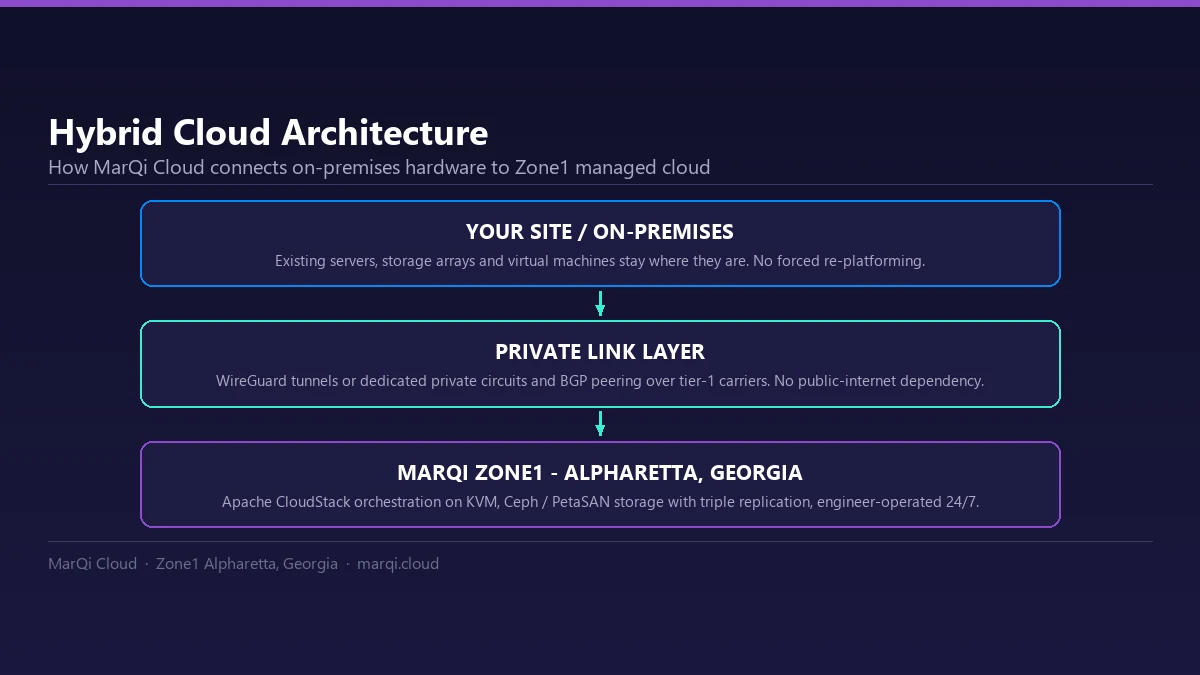
The quality of support provided by your cloud provider can significantly impact your organization’s operational efficiency, especially in times of crisis. As enterprises increasingly adopt hybrid cloud solutions, such as those offered by MarQi Cloud, ensuring seamless support becomes crucial for maintaining business continuity and minimizing downtime.
According to a study by the Gartner Group, 75% of organizations experience challenges with cloud service support, which can lead to significant operational disruptions. Thus, evaluating the support quality of a cloud provider is not just a precaution—it’s a necessity.
Key Support Quality Indicators
When assessing the quality of support from a cloud provider, consider the following key indicators:
- Availability: Is support available 24/7? For enterprises, downtime can be costly, making round-the-clock support essential.
- Expertise: Are the support staff knowledgeable about the specific cloud services and technologies you are using?
- Responsiveness: What is the average response time for support requests? Quick responses are critical in mitigating issues.
- Resolution Rates: How quickly are issues resolved? High resolution rates indicate effective support.
- Customer Feedback: What do other customers say about their support experiences? Customer reviews can provide insight into the reliability of the support team.
Evaluating Support Channels
Cloud providers typically offer multiple channels for support, including:
- Email Support: Often the first line of contact, but may have longer response times.
- Phone Support: Provides immediate assistance, ideal for critical issues.
- Live Chat: Useful for quick questions and troubleshooting.
- Support Portals: Many providers offer a knowledge base or ticketing system for issue tracking.
When evaluating these channels, consider which ones align best with your organization’s needs. For instance, if your organization operates globally, you may require a provider that offers phone support across different time zones.
Response Times and Resolution Rates
Response time and resolution rates are two critical metrics that can help you gauge the effectiveness of a cloud provider’s support:
| Provider | Average Response Time | Average Resolution Time |
|---|---|---|
| Provider A | 1 hour | 4 hours |
| Provider B | 30 minutes | 2 hours |
| Provider C | 5 hours | 12 hours |
The above table illustrates that while Provider B offers the best response and resolution times, Provider C may not be suitable for organizations that prioritize quick support. Always ask potential providers for their average response and resolution times to ensure they meet your operational requirements.
The Role of SLAs in Support Quality
Service Level Agreements (SLAs) outline the expected level of service, including support quality metrics. When evaluating a cloud provider, pay special attention to:
- Support Availability: Does the SLA guarantee 24/7 support?
- Response Times: Are there defined response time metrics for different types of issues?
- Compensation for Downtime: Does the SLA offer compensation or credits for failure to meet service levels?
For example, a well-defined SLA from MarQi Cloud will specify the support channels available and the expected response times for each channel. This ensures that you have a clear understanding of what to expect in terms of support.
Customer Reviews and Case Studies
One of the best ways to evaluate cloud provider support quality is through customer feedback. Look for:
- Case Studies: Many cloud providers publish case studies that highlight their successful support interventions.
- Reviews: Platforms like G2 and Capterra offer reviews from actual users, providing insights into support experiences.
When reading reviews, look for patterns. If multiple customers mention slow response times or unhelpful support staff, those are red flags. Conversely, positive feedback about quick resolutions and knowledgeable staff can be a good indicator of quality support.
Conducting a Support Quality Assessment
To conduct a thorough assessment of a cloud provider’s support quality, follow these steps:
- Identify Your Needs: Determine what level of support is necessary for your business operations.
- Research Providers: Gather information about various cloud providers, focusing on their support offerings.
- Request Demos: Schedule demos with potential providers to evaluate their customer support channels in real-time.
- Ask for References: Request references from current customers to gain insight into their experiences.
- Evaluate SLAs: Carefully review SLAs to ensure they align with your support expectations.
This assessment will help you make an informed decision when selecting a cloud provider, ensuring that you choose one with the necessary support capabilities to meet your operational needs.
Common Pitfalls in Evaluating Support Quality
When evaluating cloud provider support, organizations often fall into common traps:
- Overlooking SLA Details: Not all SLAs are created equal; ensure you understand the fine print.
- Relying Solely on Marketing Materials: Always seek third-party reviews and testimonials for a balanced view.
- Neglecting to Test Support Channels: Don’t just take a provider’s word for it; test their support channels yourself.
Avoiding these pitfalls will enhance your evaluation process, leading to a more informed decision.
Conclusion
Evaluating cloud provider support quality is a critical task that can significantly affect your organization’s success. By focusing on key indicators such as availability, response times, and customer feedback, you can make a more informed decision. Remember that the right cloud provider will not only offer robust infrastructure but also exceptional support that aligns with your operational needs. For tailored cloud solutions and expert support, consider MarQi Cloud for your enterprise cloud infrastructure needs.
FAQ
What should I look for in cloud provider support?
Look for availability, expertise, responsiveness, resolution rates, and customer feedback.
How important are SLAs in evaluating cloud support?
SLAs outline expected service levels, including support quality metrics, making them crucial in your evaluation.
How can I assess a cloud provider’s response times?
Request their average response and resolution times for different types of support requests.
What are common issues with cloud provider support?
Common issues include slow response times, unhelpful staff, and inadequate SLAs.
How do customer reviews impact my decision?
Customer reviews provide insights into real user experiences, helping you gauge support quality.
Can I test a cloud provider’s support before signing up?
Yes, you can test support channels by reaching out with questions or issues during the evaluation phase.
What are some red flags to look out for in cloud support?
Red flags include consistently poor reviews, vague SLAs, and lack of transparency in support processes.
How does MarQi Cloud ensure high-quality support?
MarQi Cloud offers 24/7 support, clear SLAs, and a commitment to customer satisfaction, ensuring high-quality service.