The Complete Guide to Cloud Automation Testing and Validation Frameworks
September 9, 2026
Why Automated Cloud Inventory Management Tracks Every Resource Across Your Environment
September 9, 2026
Mastering Event-Driven Cloud Automation: Real-Time Infrastructure Response
In the dynamic landscape of modern technology, businesses are increasingly turning to event-driven cloud automation to enhance their infrastructure’s responsiveness and efficiency. This approach allows organizations to react to real-time changes in their cloud environments, optimizing performance and ensuring business continuity. In this comprehensive guide, we will explore how event-driven cloud automation works, its key benefits, and practical implementation strategies for mid-size to enterprise-level organizations.
What is Event-Driven Cloud Automation?
Event-driven cloud automation refers to a paradigm in cloud computing where automated processes are triggered by specific events or changes in the infrastructure. This can include changes in resource utilization, application performance, or even external factors such as user interactions. By utilizing this approach, organizations can create a more agile and responsive infrastructure that adapts to real-time demands.
Understanding the Key Components
To grasp the concept of event-driven cloud automation, it’s essential to understand the key components involved:
- Events: Any change or occurrence that can trigger an automated response, such as a spike in user traffic or a system failure.
- Triggers: Conditions that must be met for the automation to occur, often set by predefined rules.
- Actions: The automated responses that occur as a result of the event, such as scaling resources or sending alerts.
How Does Event-Driven Cloud Automation Work?
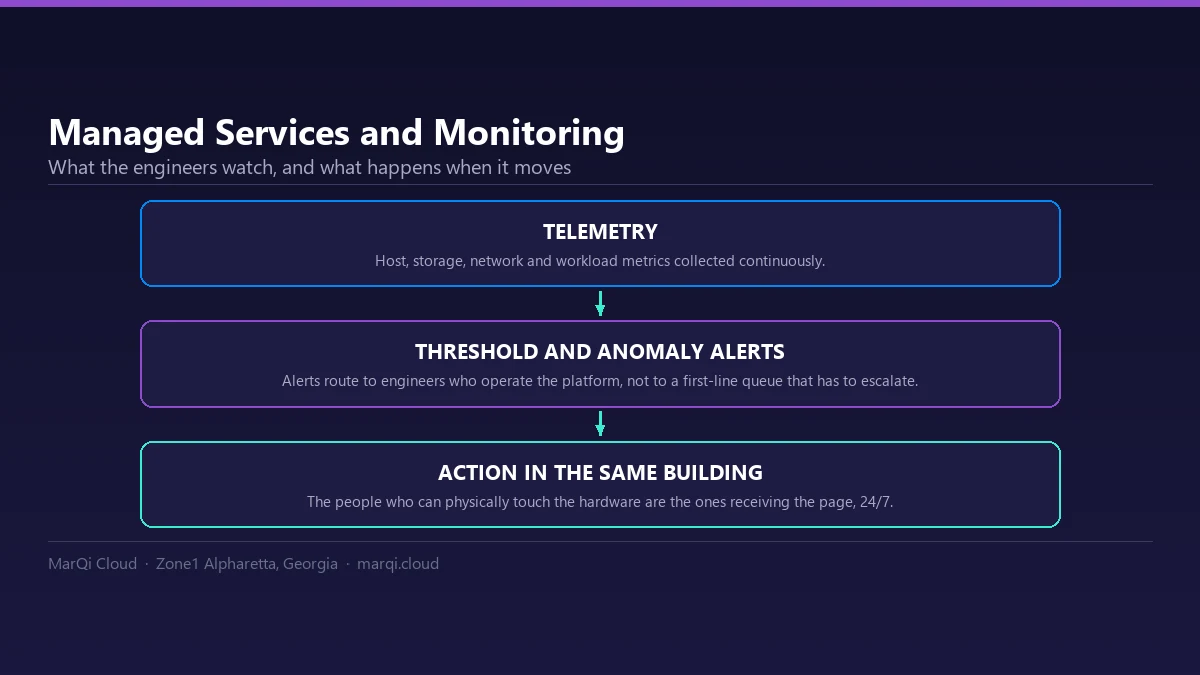
Event-driven cloud automation relies on a robust architecture that monitors various metrics and events across the cloud environment. Here’s a step-by-step breakdown of how it functions:
- Monitoring: Continuous monitoring of infrastructure components to detect any changes or anomalies.
- Event Detection: Utilizing tools and technologies to identify significant events that warrant an automated response.
- Triggering Actions: Based on the detected events, specific actions are triggered automatically, such as deploying additional resources or adjusting configurations.
- Feedback Loop: Implementing a feedback mechanism to assess the effectiveness of the automated actions and refine the rules as necessary.
Technologies Enabling Event-Driven Automation
Several technologies facilitate event-driven cloud automation, including:
- Serverless Computing: Platforms like AWS Lambda and Azure Functions allow developers to run code in response to events without provisioning or managing servers.
- Message Queues: Tools such as RabbitMQ or AWS SQS manage the communication between different parts of the application, ensuring that events are processed efficiently.
- Cloud Monitoring Tools: Solutions like Datadog or New Relic provide insights into performance metrics, allowing for real-time event detection.
Benefits of Event-Driven Cloud Automation
Implementing event-driven cloud automation offers numerous advantages for organizations:
1. Improved Responsiveness
With real-time monitoring and automated responses, businesses can quickly adapt to changing conditions, enhancing overall performance.
2. Cost Efficiency
By automating scaling and resource allocation, organizations can optimize their cloud spending, reducing wasted resources. This is particularly beneficial for companies using flexible pricing models.
3. Enhanced Reliability
Automated responses to failures or performance issues can significantly reduce downtime, ensuring a more reliable infrastructure.
4. Better Resource Utilization
Event-driven automation allows for dynamic resource allocation, ensuring that resources are used efficiently based on current demands.
Implementation Strategies for Event-Driven Cloud Automation
To successfully implement event-driven cloud automation, organizations should follow these strategies:
1. Define Clear Objectives
Before implementing automation, it’s essential to outline specific goals, such as reducing response times or improving resource allocation efficiency.
2. Choose the Right Tools
Select tools that align with your organization’s needs. Consider using serverless platforms and monitoring tools that facilitate event-driven architectures.
3. Establish Event Triggers
Identify the key events that should trigger automated responses. This could range from application performance metrics to specific user actions.
4. Create an Automation Framework
Design a framework that outlines how events are processed, how triggers are set, and what actions are taken in response.
5. Monitor and Refine
Continuously monitor the performance of your automated systems and refine the rules and processes based on real-world data.
Use Cases of Event-Driven Cloud Automation
Various industries can benefit from event-driven cloud automation. Here are some compelling use cases:
1. E-Commerce
During peak shopping seasons, e-commerce platforms can automatically scale resources to handle increased traffic, ensuring a seamless shopping experience.
2. Healthcare
Healthcare providers can automate patient data processing, ensuring compliance with regulations while enhancing data security.
3. Financial Services
In the fintech sector, event-driven automation can help detect fraudulent transactions in real-time, mitigating risks and enhancing security.
4. Media Streaming
Media companies can optimize bandwidth usage based on user demand, ensuring high-quality streaming experiences without incurring additional costs.
Challenges and Considerations
While event-driven cloud automation offers many benefits, organizations should also be aware of potential challenges:
1. Complexity
Implementing an event-driven architecture can be complex, requiring a shift in how teams approach development and operations.
2. Monitoring Overhead
Continuous monitoring can lead to increased overhead if not managed correctly. It’s essential to strike a balance between monitoring and operational efficiency.
3. Security Concerns
Automated systems can introduce security vulnerabilities if not properly secured. Organizations must implement robust security measures to protect against potential threats.
Future Trends in Event-Driven Cloud Automation
The landscape of event-driven cloud automation is constantly evolving. Here are some trends to watch:
1. Increased Adoption of AI
Artificial intelligence will play a significant role in enhancing event-driven automation, enabling more intelligent decision-making in response to events.
2. Enhanced Integration with DevOps
As DevOps practices continue to mature, integration with event-driven automation will become more prevalent, facilitating continuous delivery and integration.
3. Greater Focus on Security
With the rise of automated systems, security will be a top priority, leading to the development of advanced security protocols tailored for event-driven architectures.
Frequently Asked Questions
What is event-driven architecture in cloud computing?
Event-driven architecture is a software design pattern where events trigger specific actions within the system, allowing for real-time responses to changes in the environment.
How does event-driven automation improve cloud efficiency?
By automating responses to events, organizations can optimize resource allocation and reduce downtime, leading to improved overall efficiency.
What tools are commonly used for event-driven automation?
Common tools include serverless computing platforms like AWS Lambda, message queues like RabbitMQ, and cloud monitoring solutions like Datadog.
Can event-driven automation be used for disaster recovery?
Yes, event-driven automation can enhance disaster recovery efforts by automatically triggering backup processes in response to system failures.
What industries benefit from event-driven cloud automation?
Industries such as e-commerce, healthcare, financial services, and media streaming can all benefit from the responsiveness and efficiency provided by event-driven automation.
How can I implement event-driven automation in my organization?
Start by defining clear objectives, choosing the right tools, establishing event triggers, creating an automation framework, and continuously monitoring performance.
What are the security concerns with event-driven automation?
Security concerns include potential vulnerabilities introduced by automated systems. It’s crucial to implement robust security measures to protect against threats.
What is the future of event-driven cloud automation?
The future of event-driven cloud automation will likely see increased AI adoption, enhanced integration with DevOps, and a greater focus on security measures.