The Complete Guide to Cloud Network Architecture for Enterprise Deployments
July 11, 2026
Why US-Based Cloud Infrastructure Matters for Data Sovereignty and Compliance
July 12, 2026
Flexible Pricing Models: Aligning Infrastructure Costs with Business Growth at MarQi Cloud
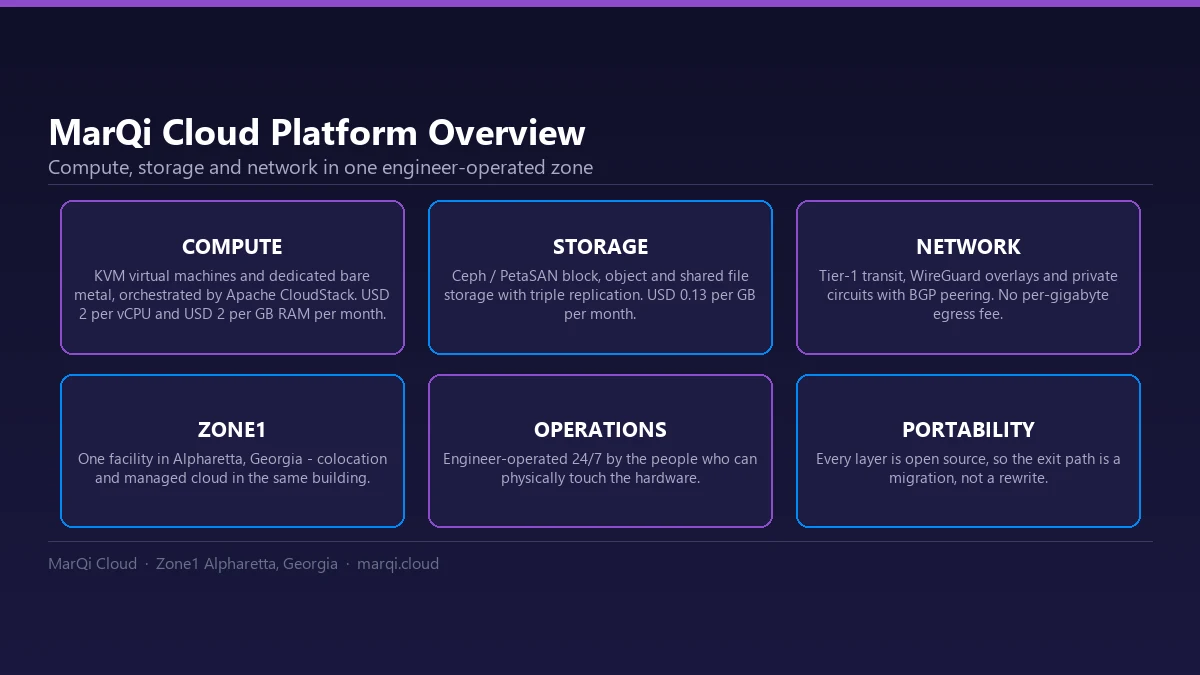
In today’s rapidly evolving digital landscape, businesses face the challenge of managing costs while scaling their operations effectively. As organizations grow, their infrastructure needs can become complex and often overwhelming. This is where MarQi Cloud’s flexible pricing models come into play, allowing enterprises to align their infrastructure costs with their growth trajectories seamlessly. This article delves into the intricacies of MarQi Cloud’s pricing strategies, demonstrating how they empower businesses to optimize their cloud spending while ensuring they have the necessary resources to thrive.
Understanding Flexible Pricing Models
Flexible pricing models in cloud computing allow businesses to pay for only what they use, providing a significant advantage over traditional fixed-cost models. These pricing structures are designed to accommodate varying workloads, seasonal spikes, and fluctuating business needs. As cloud spending grows, cost-effective pricing strategies matter more rather than less. MarQi Cloud’s flexible pricing models are tailored for enterprise clients, ensuring that businesses can scale their infrastructure in alignment with their growth.
The Benefits of Flexible Pricing
Implementing flexible pricing models offers numerous benefits:
- Cost Efficiency: Businesses can avoid overpaying for unused resources, ensuring they only invest in what they need.
- Scalability: As organizations grow, their infrastructure can easily scale without incurring unnecessary costs.
- Predictability: Flexible pricing allows for better budgeting, as businesses can forecast their cloud spending based on usage.
- Resource Optimization: Companies can allocate resources more effectively, ensuring that they have the necessary infrastructure during peak times and can scale down during quieter periods.
How MarQi Cloud’s Pricing Models Work
MarQi Cloud offers a variety of flexible pricing options that cater to different business needs. Here’s a breakdown of how these models work:
1. Pay-as-You-Go
This model allows businesses to pay for their cloud usage based on actual consumption. It is ideal for organizations with fluctuating workloads, as they can scale their resources up or down without incurring fixed costs. The pay-as-you-go model is particularly beneficial for startups and small businesses that may not have consistent resource requirements.
2. Reserved Instances
For businesses with predictable workloads, reserved instances provide a cost-effective solution. By committing to use a specific amount of resources over a set period (typically one or three years), companies can enjoy significant discounts compared to on-demand pricing. This model is particularly advantageous for enterprises that require consistent performance for critical applications.
3. Custom Pricing
MarQi Cloud understands that different businesses have unique needs. As such, custom pricing options are available for organizations requiring tailored solutions. This flexibility allows enterprises to negotiate pricing structures that align with their specific workloads and growth projections.
Comparison of Pricing Models
| Pricing Model | Best For | Cost Structure | Flexibility |
|---|---|---|---|
| Pay-as-You-Go | Startups, fluctuating workloads | Variable based on usage | High |
| Reserved Instances | Predictable workloads | Fixed, lower cost | Medium |
| Custom Pricing | Unique business needs | Negotiated rates | High |
Expert Insights on Managing Cloud Costs
To effectively manage cloud costs, businesses should consider the following expert tips:
Additionally, engaging in regular cost audits can help businesses identify areas for optimization. According to a study from CloudHealth Technologies, organizations that optimize their cloud usage can save up to 30% on their cloud spending.
FAQs
1. What are flexible pricing models in cloud computing?
Flexible pricing models allow businesses to pay for cloud services based on actual usage rather than fixed fees, offering scalability and cost efficiency.
2. How does MarQi Cloud’s pay-as-you-go model work?
The pay-as-you-go model charges businesses based on their actual resource consumption, making it ideal for fluctuating workloads.
3. Are reserved instances worth the investment?
Yes, reserved instances provide significant discounts for predictable workloads, making them a cost-effective solution for businesses with stable resource requirements.
4. Can I customize my pricing plan with MarQi Cloud?
Yes. MarQi Cloud offers custom pricing options tailored to meet the unique needs of businesses.
5. How can I optimize my cloud spending?
Regularly monitoring usage, conducting cost audits, and utilizing cloud management tools can help optimize cloud spending.
6. What industries benefit most from flexible pricing models?
Industries such as e-commerce, healthcare, and technology startups can benefit significantly from flexible pricing due to their varying workloads.
7. How often should I review my cloud costs?
It is advisable to review cloud costs monthly to identify any unexpected spikes and adjust resources accordingly.
8. What tools can help manage cloud costs?
Cloud management tools, such as CloudHealth and AWS Cost Explorer, can help track usage and spending effectively.
Conclusion
In conclusion, MarQi Cloud’s flexible pricing models are designed to align infrastructure costs with business growth, providing organizations with the tools they need to thrive in a competitive landscape. By implementing cost-effective strategies and leveraging the power of cloud technology, businesses can optimize their spending while ensuring they have the necessary resources to support their growth trajectory. As the cloud landscape continues to evolve, adopting flexible pricing will be essential for organizations looking to stay ahead of the curve.