High-IOPS Storage: Why It Matters for Databases and Analytics
March 4, 2026
Building a Client-Isolated Environment for MSP: VLAN/VXLAN Segmentation
March 4, 2026
Hosting for MSPs: How to Offer Private Cloud to US Clients
As the demand for cloud solutions continues to grow, Managed Service Providers (MSPs) are finding themselves at the forefront of this technological shift. Private cloud hosting is becoming an attractive option for many US clients, offering enhanced security, control, and customization. In this article, we will explore how MSPs can effectively provide private cloud services to their clients, ensuring they meet their unique needs while leveraging enterprise-grade infrastructure.
Understanding the Private Cloud
Before diving into how to offer private cloud solutions, it’s essential to understand what a private cloud is. Unlike public clouds, which share resources among multiple clients, a private cloud is dedicated solely to one organization. This exclusive environment enables greater control over resources, enhanced security, and compliance with regulatory requirements.
The Benefits of Private Cloud for MSPs
Offering private cloud solutions to clients comes with several significant benefits:
- Enhanced Security: With data breaches and cyber threats on the rise, security is a top concern for businesses. A private cloud provides a secure environment where sensitive data is protected.
- Customization: Private clouds allow for tailored solutions that meet specific business needs, enabling organizations to customize their infrastructure and applications.
- Compliance: Many industries have strict regulatory requirements. A private cloud can help businesses comply with regulations like HIPAA or GDPR by providing dedicated resources and enhanced security measures.
- Scalability: Private cloud solutions can easily scale up or down based on the organization’s requirements, providing flexibility as businesses grow or change.
- Performance: With dedicated resources, private clouds can deliver better performance compared to shared environments.
How MSPs Can Offer Private Cloud Solutions
Now that we understand the benefits, let’s explore how MSPs can effectively offer private cloud solutions to their clients.
1. Assess Client Needs
The first step in providing private cloud services is to assess your client’s specific needs. Understanding their business model, data sensitivity, compliance requirements, and growth plans is vital. Conduct comprehensive consultations to gather this information, which will help you design a tailored private cloud solution that meets their requirements.
2. Choose the Right Infrastructure
To deliver a high-quality private cloud service, MSPs must invest in robust infrastructure. Consider the following factors when selecting infrastructure:
- Enterprise-grade Cloud Infrastructure: Opt for high-performance servers, storage systems, and networking equipment that can handle the demands of your clients.
- US-based Data Centers: Hosting data within the US can help clients meet compliance requirements and ensure faster access to their applications and data.
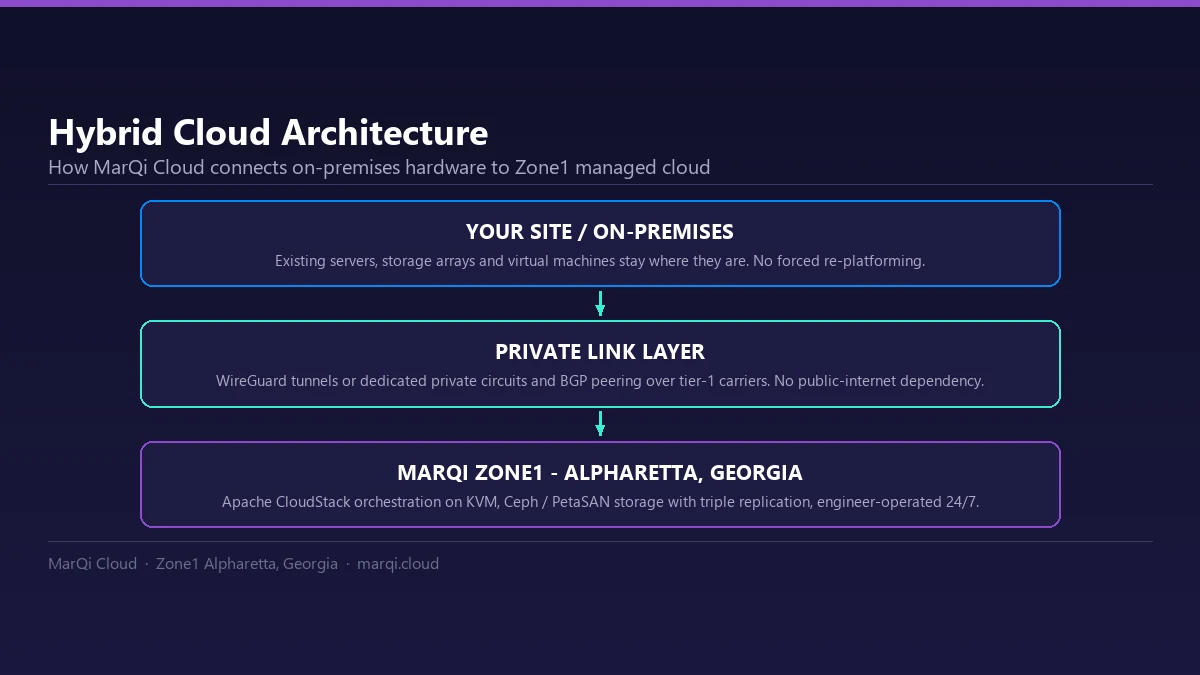
- Hybrid Cloud Capabilities: Offering hybrid cloud deployment models allows clients to integrate their private cloud with public cloud resources for added flexibility.
3. Implement Security Measures
Security should be a top priority when offering private cloud solutions. Implement the following best practices:
- Data Encryption: Ensure that all data stored in the private cloud is encrypted both at rest and in transit.
- Access Controls: Use strict access controls to limit who can access the cloud environment and the data within it.
- Regular Audits: Conduct regular security audits to identify and address potential vulnerabilities.
4. Provide Managed Services
To add value to your private cloud offering, consider providing managed services. This can include:
- Monitoring: Continuous monitoring of the private cloud environment to ensure optimal performance and security.
- Support: Providing 24/7 support to address any issues or concerns your clients may have.
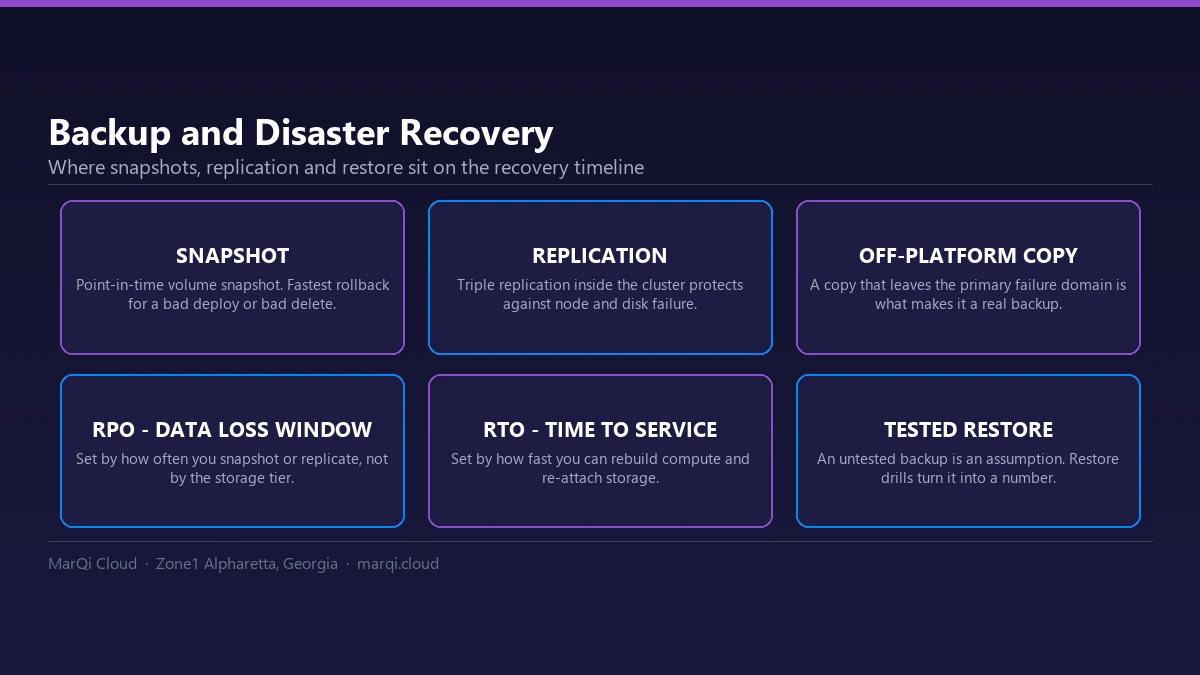
- Backup and Disaster Recovery: Implement business continuity and disaster recovery solutions to protect client data and ensure minimal downtime.
5. Offer Flexible Pricing Models
Different clients have different budgets and needs. Offering flexible pricing models can make your private cloud services more appealing. Consider options such as:
- Pay-as-you-go: Clients pay only for the resources they use, making it a cost-effective solution for many businesses.
- Subscription Models: Provide predictable pricing through monthly or annual subscriptions, allowing clients to budget effectively.
Marketing Your Private Cloud Services
Once you have established your private cloud offering, the next step is marketing it to potential clients. Here are some strategies to consider:
1. Educate Your Audience
Creating educational content such as blogs, white papers, and webinars can help potential clients understand the benefits of private cloud hosting. Showcase case studies that demonstrate how your private cloud solutions have positively impacted other businesses.
2. Leverage SEO Strategies
Optimize your website and content for search engines to attract organic traffic. Use relevant keywords such as ‘private cloud solutions for MSPs,’ ‘secure cloud hosting,’ and ‘enterprise-grade cloud infrastructure’ to improve your search visibility.
3. Use Social Media
Engage with your audience on social media platforms by sharing valuable content, industry news, and promotions related to your private cloud services. This can help build brand awareness and attract new clients.
4. Network with Other Professionals
Attend industry conferences and events to connect with potential clients and other professionals in the IT space. Building relationships can lead to new business opportunities and referrals.
Conclusion
Offering private cloud solutions to US clients is a lucrative opportunity for MSPs. By understanding client needs, investing in the right infrastructure, implementing strong security measures, providing managed services, and marketing effectively, MSPs can establish themselves as trusted providers of private cloud services. With the right approach, you can help your clients leverage the power of private cloud technology to drive their business success.
FAQ
1. What is a private cloud?
A private cloud is a dedicated cloud environment that is exclusively used by a single organization, providing enhanced security and control over resources.
2. What are the benefits of using a private cloud?
The benefits of a private cloud include enhanced security, customization, compliance, scalability, and improved performance.
3. How can MSPs assess client needs for private cloud services?
MSPs can assess client needs through consultations to understand their business model, data sensitivity, compliance requirements, and growth plans.
4. What infrastructure is required for a private cloud?
MSPs should invest in enterprise-grade servers, storage systems, and networking equipment, ideally hosted in US-based data centers.
5. How can MSPs ensure security in private cloud environments?
MSPs can ensure security through data encryption, strict access controls, and regular security audits.
6. What managed services can be offered with private cloud solutions?
Managed services can include monitoring, support, and backup and disaster recovery solutions.
7. What flexible pricing models can MSPs offer?
Flexible pricing models can include pay-as-you-go and subscription-based options to accommodate various client budgets.
8. How can MSPs effectively market their private cloud services?
MSPs can market their private cloud services through educational content, SEO strategies, social media engagement, and networking with industry professionals.