The Ultimate Guide to Building a Business Case for Cloud Infrastructure Migration
July 13, 2026
Why Predictable Cloud Pricing Eliminates Budget Surprises for IT Departments
July 13, 2026
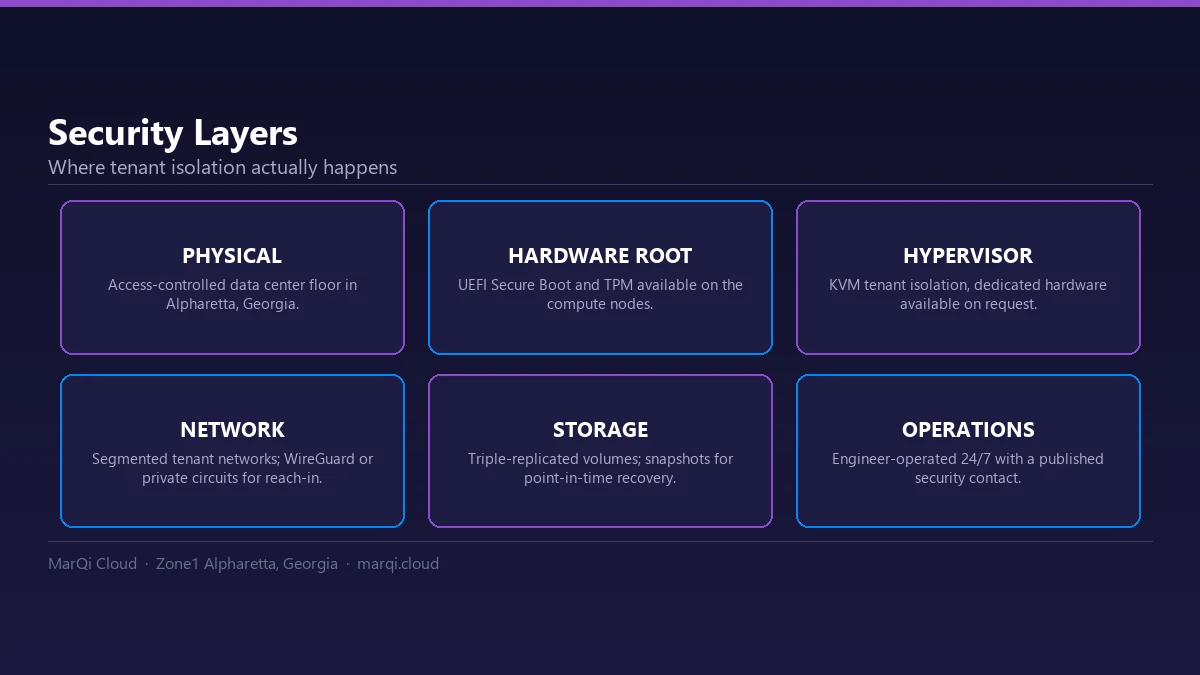
How Enterprise Hosting Environments Differ from Standard Cloud Instances
In today’s digital landscape, the choice between enterprise hosting environments and standard cloud instances can significantly impact a business’s performance, scalability, and security. Understanding these differences is crucial for organizations looking to optimize their IT infrastructure. This article will delve into the nuances of enterprise hosting, exploring how it stands apart from standard cloud instances. You’ll learn about key factors such as performance, security, compliance, and cost implications, all of which are vital in making an informed decision for your enterprise’s hosting needs.
1. Understanding Enterprise Hosting
Enterprise hosting refers to a dedicated hosting environment designed specifically for large organizations with advanced needs. Unlike standard cloud instances, which are typically shared resources, enterprise hosting provides dedicated servers, enhanced performance, and robust security features tailored to an organization’s specific requirements. This model is ideal for businesses dealing with high volumes of data, complex applications, or stringent compliance regulations.
Key features of enterprise hosting include:
- Customization: Tailored configurations to meet specific business needs.
- Dedicated Resources: Exclusive access to hardware and software resources.
- Scalability: Ability to scale resources seamlessly as business demands grow.
- Performance Optimization: High-performance infrastructure designed for mission-critical applications.
2. The Nature of Standard Cloud Instances
Standard cloud instances are virtualized computing environments hosted on shared infrastructure. They are often provided by major cloud service providers, allowing businesses to quickly deploy applications without the need for physical hardware. While this model offers flexibility and cost-effectiveness, it may not meet the needs of larger enterprises requiring higher performance and enhanced security.
Characteristics of standard cloud instances include:
- Shared Resources: Multiple users share the same physical hardware, which can lead to performance variability.
- Pay-as-You-Go Pricing: Flexible billing based on usage, making it an attractive option for startups and small businesses.
- Ease of Deployment: Rapid setup and deployment of applications without extensive IT involvement.
3. Key Differences Between Enterprise Hosting and Standard Cloud Instances
Performance
One of the most significant differences between enterprise hosting and standard cloud instances is performance. Enterprise hosting environments are optimized for high availability and low latency, ensuring that mission-critical applications run smoothly. In contrast, standard cloud instances can experience performance fluctuations due to resource contention among users.
Security
Security is another critical differentiator. Enterprise hosting solutions typically come with advanced security features, including dedicated firewalls, intrusion detection systems, and compliance with industry regulations. Standard cloud instances, while they may offer basic security measures, often lack the depth of protection required for sensitive data.
Compliance
Enterprise hosting environments are particularly beneficial for organizations in regulated industries, such as healthcare and finance. These environments can be configured to meet specific compliance requirements (e.g., HIPAA, PCI DSS), providing peace of mind for businesses handling sensitive information. Standard cloud instances may not offer the same level of compliance support.
Cost Structure
The cost structures of enterprise hosting and standard cloud instances vary significantly. While standard cloud instances typically operate on a pay-as-you-go model, enterprise hosting often involves a fixed monthly fee for dedicated resources. This can lead to more predictable budgeting for larger organizations.
4. Performance Considerations
Performance is a critical aspect when comparing enterprise hosting to standard cloud instances. Organizations must consider the following factors:
- Resource Allocation: Enterprise hosting ensures dedicated resources, reducing the risk of performance bottlenecks caused by other users.
- Latency: With dedicated environments, enterprises can achieve lower latency, which is crucial for applications requiring real-time data processing.
- Customization: Tailored configurations allow businesses to optimize their environments for specific workloads, enhancing overall performance.
5. Security and Compliance
Security and compliance are paramount in today’s digital landscape. Here’s how enterprise hosting environments typically excel in these areas:
- Advanced Security Features: These environments often include dedicated firewalls, DDoS protection, and encryption, safeguarding sensitive data.
- Regulatory Compliance: Enterprise hosting can be configured to align with specific compliance standards, ensuring that organizations meet legal and regulatory requirements.
- Data Sovereignty: Many enterprise hosting solutions provide options for data residency, ensuring data is stored in specific jurisdictions to comply with local laws.
6. Cost Implications
Understanding the cost implications of both hosting environments is essential for making an informed decision. Here’s a breakdown:
| Cost Factor | Enterprise Hosting | Standard Cloud Instances |
|---|---|---|
| Initial Setup Costs | Higher initial investment for dedicated resources | Lower initial costs, pay-as-you-go model |
| Monthly Fees | Fixed monthly costs for dedicated resources | Variable costs based on usage |
| Long-Term Value | Predictable costs, potential for better ROI | Cost-effective for short-term projects |
7. Choosing the Right Solution for Your Business
When deciding between enterprise hosting and standard cloud instances, consider the following steps:
- Assess Your Needs: Evaluate your organization’s specific requirements, including performance, security, and compliance needs.
- Budget Considerations: Determine your budget and how each option aligns with your financial goals.
- Consult with Experts: Engage with cloud infrastructure experts to understand which solution best fits your organization. MarQi Cloud offers infrastructure consulting services to help businesses navigate these decisions.
- Plan for Growth: Consider scalability and how each option can support your organization’s future growth.
8. Conclusion
In conclusion, understanding how enterprise hosting environments differ from standard cloud instances is essential for organizations looking to optimize their IT infrastructure. While standard cloud instances may offer flexibility and cost-effectiveness for smaller businesses, enterprise hosting provides dedicated resources, enhanced security, and compliance support for larger organizations. The right choice depends on your specific needs, budget, and long-term goals. For more information about how MarQi Cloud can assist your organization in choosing the right hosting solution, contact us today.
9. FAQ
What is enterprise hosting?
Enterprise hosting refers to dedicated hosting environments designed specifically for large organizations with advanced needs, offering customized configurations and dedicated resources.
How do standard cloud instances work?
Standard cloud instances are virtualized computing environments hosted on shared infrastructure, allowing businesses to deploy applications quickly without physical hardware.
What are the main differences between enterprise hosting and standard cloud instances?
The main differences include performance, security, compliance, and cost structure, with enterprise hosting typically offering dedicated resources and enhanced security features.
Which hosting solution is more cost-effective?
Standard cloud instances are often more cost-effective for short-term projects, while enterprise hosting may provide better long-term value for larger organizations.
Can enterprise hosting meet compliance requirements?
Yes, enterprise hosting environments can be configured to meet specific compliance requirements, making them suitable for regulated industries.
How does performance differ between the two hosting models?
Enterprise hosting offers dedicated resources, leading to more consistent performance, while standard cloud instances may experience variability due to shared resources.
Do I need an expert to choose between these two options?
Consulting with cloud infrastructure experts can help you make an informed decision based on your organization’s specific needs and budget.
What types of businesses benefit from enterprise hosting?
Businesses dealing with high volumes of data, complex applications, or stringent compliance regulations typically benefit from enterprise hosting solutions.