The IT Manager’s Ultimate Guide to Testing Disaster Recovery Plans
July 20, 2026
Why Recovery Point Objectives Should Drive Your Backup Architecture Decisions
July 20, 2026
How Geographic Redundancy Across Cloud Zones Protects Against Regional Failures
In today’s digital landscape, the reliability of cloud infrastructure is paramount for businesses aiming to maintain operational continuity and safeguard sensitive data. Geographic redundancy across cloud zones is a crucial strategy that enterprise cloud providers, like MarQi Cloud, employ to mitigate the risks associated with regional failures. In this article, we will explore the concept of geographic redundancy, its significance in cloud computing, and how it can be effectively implemented to enhance business resilience.
What is Geographic Redundancy?
Geographic redundancy refers to the practice of deploying resources across multiple geographic locations to ensure that if one site experiences a failure, another can take over seamlessly. This strategy is particularly vital in cloud computing, where data is stored in various data centers (or cloud zones) across different regions. By creating a network of interconnected cloud zones, businesses can enhance their disaster recovery capabilities and ensure uninterrupted service delivery.
Importance of Geographic Redundancy in Cloud Infrastructure
Understanding the importance of geographic redundancy within cloud infrastructure is essential for organizations that rely on continuous availability. According to a report by the National Institute of Standards and Technology (NIST), systems designed with redundancy are more resilient to disruptions, which is particularly critical in industries such as finance, healthcare, and e-commerce.
Here are some key reasons why geographic redundancy is vital:
- Disaster Recovery: Natural disasters, power outages, or system failures can disrupt services. Geographic redundancy ensures that if one location fails, another can quickly assume its responsibilities.
- Regulatory Compliance: Many industries are subject to regulations that require data to be stored in specific geographic locations. Geographic redundancy helps businesses meet these compliance requirements while providing flexibility.
- Performance Optimization: By distributing workloads across multiple zones, organizations can minimize latency and enhance performance for users located in different geographic areas.
How Geographic Redundancy Works
The implementation of geographic redundancy involves several key components:
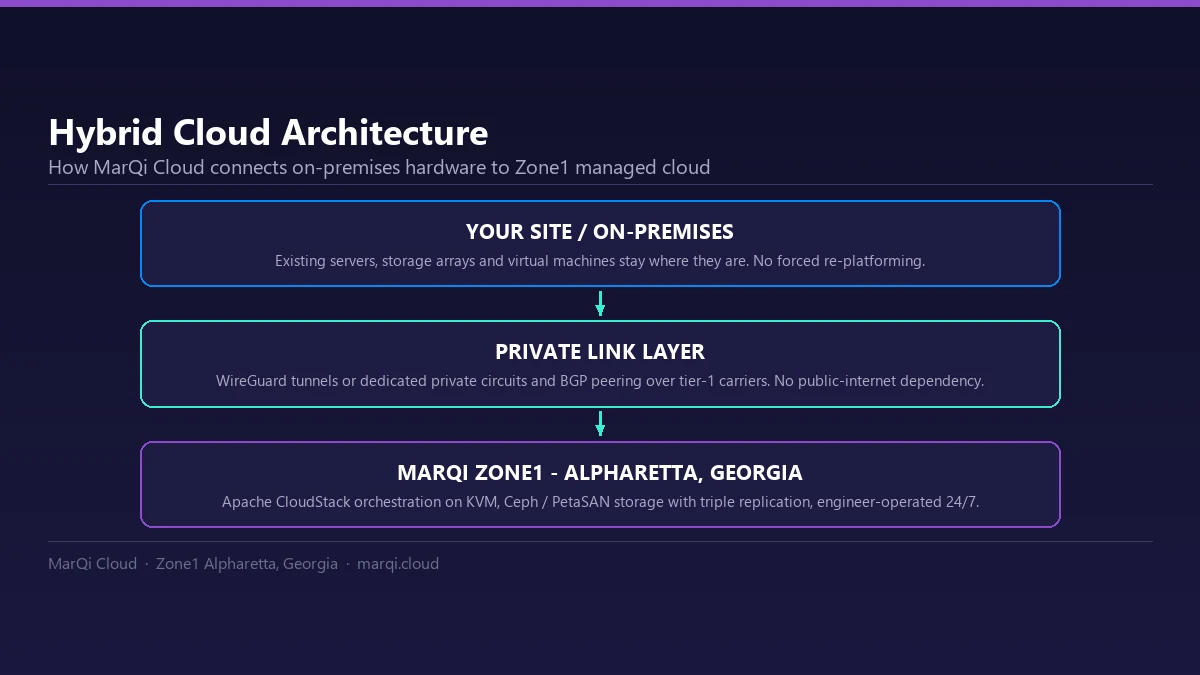
- Multiple Data Centers: Cloud providers like MarQi Cloud maintain multiple data centers across various regions. Each data center operates as an independent zone, capable of hosting applications and data.
- Data Replication: Data is continuously replicated across these zones to ensure that all copies are up to date. This can include real-time replication or scheduled backups, depending on the organization’s requirements.
- Load Balancing: Load balancers distribute incoming traffic across multiple cloud zones, ensuring that no single zone becomes overwhelmed. This not only improves performance but also enhances redundancy.
Here’s a simplified diagram illustrating how geographic redundancy functions:
| Component | Description |
|---|---|
| Data Centers | Multiple physical locations hosting cloud resources. |
| Data Replication | Synchronization of data across different zones. |
| Load Balancing | Even distribution of traffic to optimize performance. |
Benefits of Geographic Redundancy Across Cloud Zones
Investing in geographic redundancy offers numerous advantages for businesses:
- Enhanced Reliability: With multiple zones in place, businesses can ensure higher uptime and availability, reducing the risk of service interruptions.
- Improved Disaster Recovery: In the event of a failure, data can be quickly restored from another zone, minimizing downtime and data loss.
- Scalability: Geographic redundancy allows organizations to scale their infrastructure across regions, accommodating growth without compromising performance.
- Cost Management: While there are costs associated with maintaining multiple zones, the long-term savings from reduced downtime and improved efficiency can outweigh these initial investments.
Implementing Geographic Redundancy: Best Practices
To effectively implement geographic redundancy, organizations should consider the following best practices:
- Assess Business Needs: Understand the specific requirements of your organization, including compliance, performance, and disaster recovery needs.
- Choose the Right Cloud Provider: Select a cloud provider with a proven track record in offering geographic redundancy. MarQi Cloud, for instance, provides enterprise-grade cloud infrastructure with multiple zones to ensure resilience.
- Establish Clear Policies: Develop policies outlining data replication frequency, failover procedures, and testing protocols to ensure readiness in the event of a failure.
- Regularly Test Redundancy Measures: Conduct regular tests of your redundancy measures to ensure they function as intended. This includes simulating failovers and verifying data integrity.
Case Studies: Real-World Applications
Several organizations have successfully implemented geographic redundancy to enhance their operational resilience:
1. Healthcare Sector
A healthcare provider implemented geographic redundancy across multiple cloud zones to ensure compliance with HIPAA regulations. By replicating patient data across different regions, they achieved a 99.99% uptime, significantly improving patient care and data security.
2. E-commerce Business
An e-commerce platform utilized geographic redundancy to manage spikes in traffic during peak shopping seasons. By distributing traffic across multiple zones, they ensured a seamless shopping experience for customers, leading to a 30% increase in sales during the holiday season.
3. Financial Institution
A financial institution adopted geographic redundancy to safeguard against data loss and ensure compliance with financial regulations. In the event of a regional outage, the institution successfully transferred operations to an alternate zone, maintaining service availability and customer trust.
Frequently Asked Questions
1. What is geographic redundancy?
Geographic redundancy is the practice of deploying resources across multiple geographic locations to ensure continuity of service in the event of a regional failure.
2. Why is geographic redundancy important for cloud computing?
It enhances disaster recovery capabilities, ensures compliance with regulations, and optimizes performance by distributing workloads across multiple zones.
3. How does data replication work in geographic redundancy?
Data replication involves synchronizing data across different cloud zones to ensure that all copies are up to date, enabling quick recovery in case of a failure.
4. What are the benefits of implementing geographic redundancy?
Benefits include enhanced reliability, improved disaster recovery, scalability, and cost management.
5. How can organizations implement geographic redundancy?
Organizations should assess their business needs, choose the right cloud provider, establish clear policies, and regularly test their redundancy measures.
6. What role does load balancing play in geographic redundancy?
Load balancing distributes incoming traffic across multiple cloud zones, ensuring optimal performance and enhancing redundancy by preventing any single zone from becoming overwhelmed.
7. Can geographic redundancy help with compliance requirements?
Yes, geographic redundancy helps organizations meet data sovereignty regulations by ensuring data is stored in specific geographic locations.
8. How often should organizations test their geographic redundancy measures?
Organizations should conduct regular tests, ideally at least once a quarter, to ensure their redundancy measures function as intended and that data integrity is maintained.
9. What industries benefit the most from geographic redundancy?
Industries such as healthcare, finance, and e-commerce significantly benefit from geographic redundancy due to their stringent compliance requirements and the need for continuous availability.
10. Is geographic redundancy cost-effective?
While there are initial costs associated with maintaining multiple zones, the long-term savings from reduced downtime and improved efficiency can outweigh these investments.
11. How can I learn more about MarQi Cloud’s geographic redundancy solutions?
For more information on how MarQi Cloud can help your organization implement effective geographic redundancy, visit our solutions page.
Conclusion
Geographic redundancy across cloud zones is not just a best practice; it is a necessity for organizations aiming to safeguard against regional failures and ensure operational continuity. By leveraging the power of multiple data centers and effective disaster recovery strategies, businesses can enhance their resilience in an increasingly unpredictable digital landscape. MarQi Cloud stands ready to assist organizations in implementing robust geographic redundancy solutions tailored to their specific needs.