The Non-Technical Business Owner’s Guide to MarQi Cloud Infrastructure
June 15, 2026
Why MarQi Cloud Is the Top Choice for AI Startups on a Budget in 2026
June 15, 2026
How MarQi Cloud Supports Remote Developer Teams Across Time Zones
As the world continues to embrace digital transformation, the landscape of work has evolved significantly. One of the most notable changes is the rise of remote work, particularly in the tech industry. Remote developer teams are now commonplace, working across various time zones to deliver innovative solutions and drive business growth. However, managing these teams effectively poses unique challenges. This is where MarQi Cloud comes in, providing enterprise-grade cloud infrastructure designed to support remote developer teams seamlessly.
Understanding the Challenges of Remote Developer Teams
Remote developer teams face several challenges that can hinder productivity and collaboration. These challenges include:
1. Time Zone Differences
Working across multiple time zones can create scheduling conflicts and communication barriers. Developers may find it difficult to coordinate meetings and collaborate in real-time, leading to delays in project timelines.
2. Collaboration and Communication
Effective communication is critical for the success of remote teams. Without face-to-face interactions, misunderstandings can arise, and team cohesion can suffer.
3. Access to Resources
Remote developers must have access to the necessary tools and resources to perform their tasks efficiently. Ensuring that all team members can access the same resources is essential for maintaining productivity.
4. Security Risks
With remote work, the risk of data breaches and security threats increases. Protecting sensitive information must be a top priority for organizations employing remote teams.
How MarQi Cloud Addresses These Challenges
MarQi Cloud offers a robust and flexible cloud solution designed to support remote developer teams across time zones. Here’s how:
1. Enterprise-Grade Cloud Infrastructure
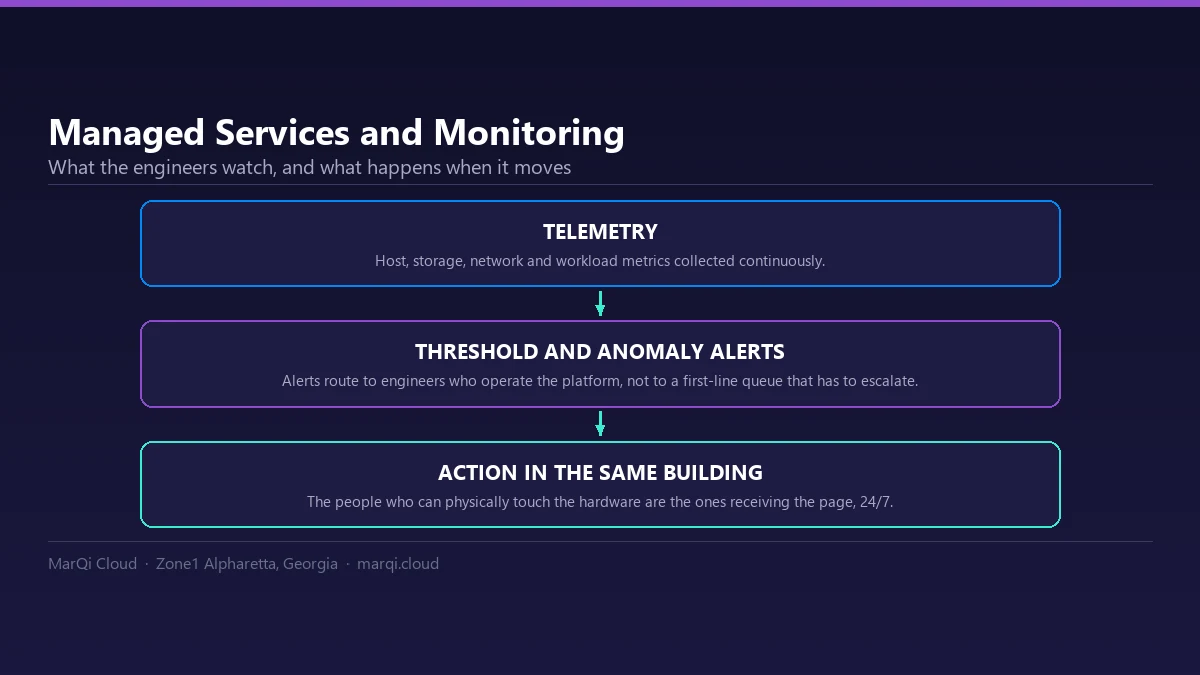
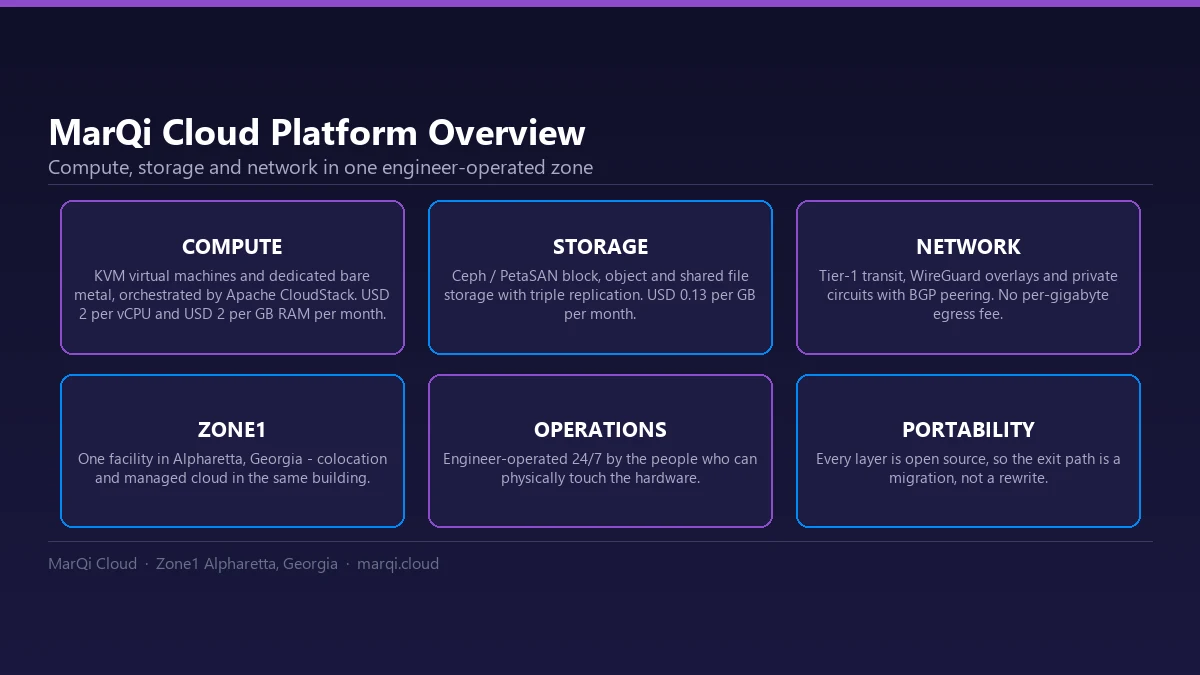
MarQi Cloud provides enterprise-grade cloud infrastructure that ensures high performance, reliability, and scalability. This means that remote developer teams can access the resources they need without experiencing downtime or slow performance, regardless of their geographical location.
2. Hybrid Cloud Deployment Models
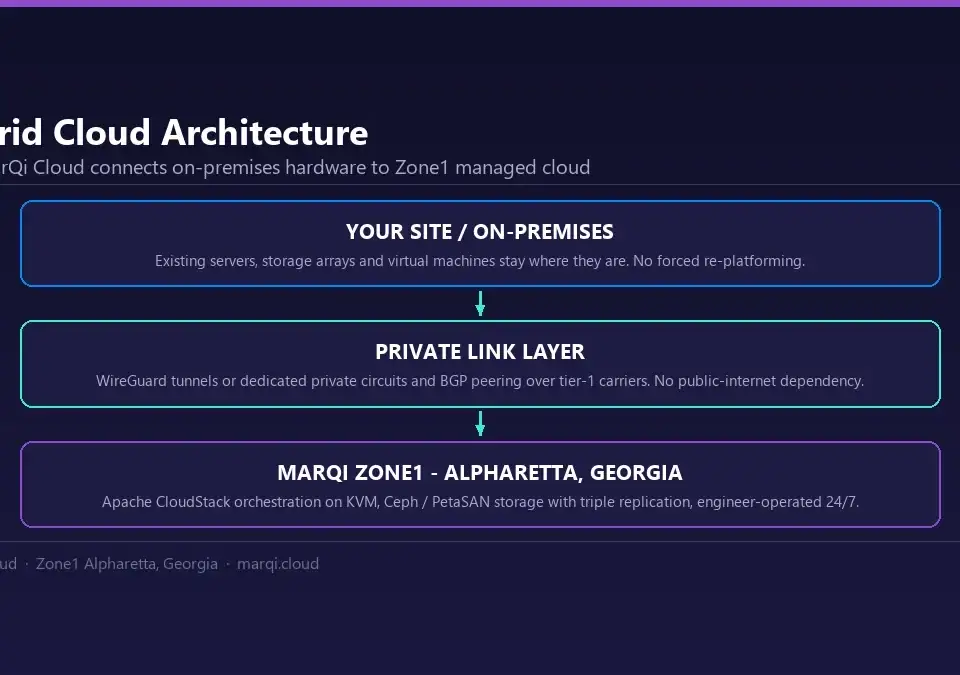
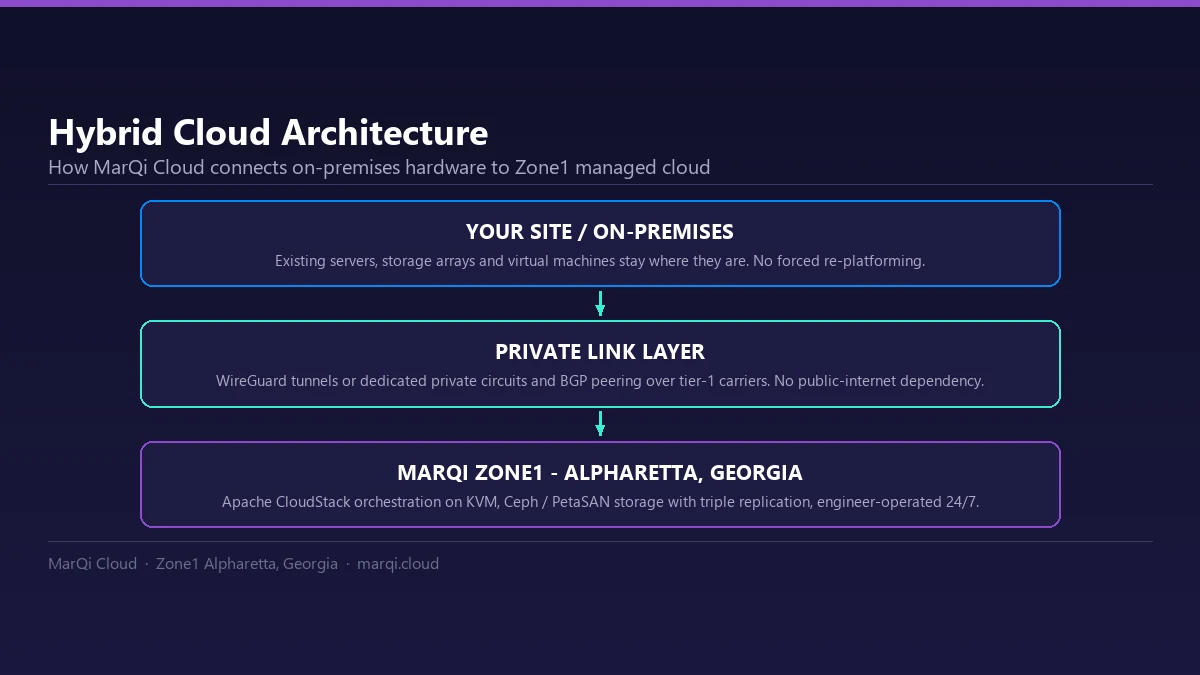
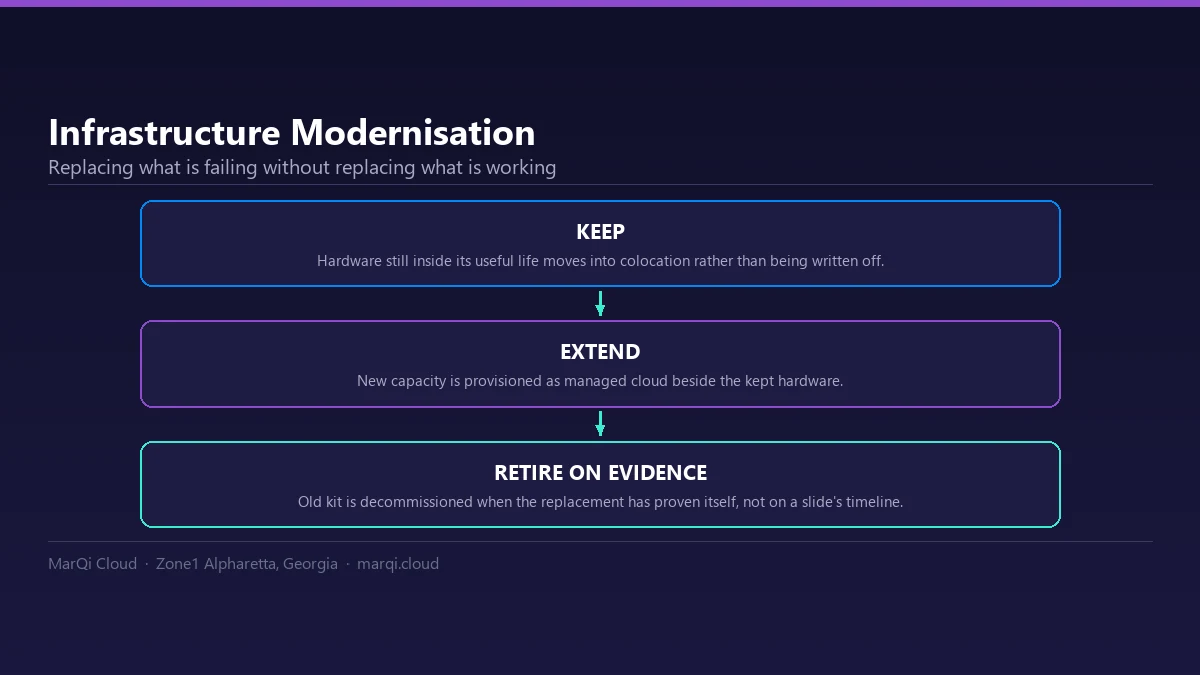
MarQi Cloud supports hybrid cloud deployment models, allowing organizations to choose the best combination of on-premises and cloud-based resources. This flexibility helps remote teams access data and applications securely and efficiently, regardless of where they are located.
3. Private and Secure Hosting Environments
Security is a primary concern for remote teams. MarQi Cloud offers private and secure hosting environments, ensuring that sensitive data is protected from unauthorized access. This not only fosters trust among team members but also complies with various regulatory requirements.
4. Scalable Compute and Storage Resources
As remote teams grow, so do their resource requirements. MarQi Cloud’s scalable compute and storage resources allow organizations to adjust their infrastructure as needed, ensuring that remote developers have the resources they require to meet project demands.
5. Performance-Driven Infrastructure Design
MarQi Cloud focuses on performance-driven infrastructure design, optimizing resources for speed and efficiency. This is particularly important for remote developer teams that rely on seamless access to applications and tools to collaborate effectively.
6. US-Based Infrastructure and Support
With US-based infrastructure and support, MarQi Cloud ensures that remote teams receive timely assistance when needed. This is crucial for maintaining productivity and addressing any technical issues that may arise.
7. Flexible Pricing Models
MarQi Cloud offers flexible pricing models that can accommodate the varying budgets of organizations. This is especially beneficial for startups and small companies that may have limited resources but still require robust cloud solutions to support their remote teams.
Best Practices for Managing Remote Developer Teams
While MarQi Cloud provides the necessary tools and infrastructure to support remote developer teams, organizations must also implement best practices to ensure success:
1. Establish Clear Communication Channels
Utilize communication tools such as Slack, Zoom, or Microsoft Teams to facilitate real-time communication. Establishing clear channels helps team members stay connected and reduces the likelihood of misunderstandings.
2. Set Clear Expectations and Goals
Define clear goals and expectations for each team member. This helps ensure that everyone is on the same page and working towards common objectives.
3. Foster Team Collaboration
Encourage collaboration through regular check-ins and team-building activities. This helps build rapport and strengthen relationships among team members.
4. Utilize Project Management Tools
Implement project management tools like Jira or Trello to track progress and manage tasks effectively. These tools help keep everyone organized and accountable.
5. Prioritize Work-Life Balance
Encourage team members to maintain a healthy work-life balance by respecting personal time and promoting flexible working hours that accommodate different time zones.
Conclusion
As remote work becomes increasingly prevalent, organizations must adapt to support their remote developer teams effectively. MarQi Cloud stands out with its enterprise-grade cloud infrastructure, hybrid cloud deployment models, and a focus on security and scalability. By leveraging these solutions, companies can overcome the challenges posed by time zone differences and ensure that their remote teams remain productive and collaborative.
FAQ
1. What is MarQi Cloud?
MarQi Cloud is a cloud service provider offering enterprise-grade cloud infrastructure, hybrid cloud deployment models, and secure hosting environments tailored for organizations of all sizes.
2. How does MarQi Cloud support remote teams?
MarQi Cloud provides scalable resources, secure hosting, and performance-driven infrastructure that enables remote teams to work effectively and collaborate seamlessly across time zones.
3. What are the benefits of hybrid cloud deployment?
Hybrid cloud deployment allows organizations to combine on-premises infrastructure with cloud resources, providing flexibility, scalability, and security based on specific business needs.
4. How does MarQi Cloud ensure data security?
MarQi Cloud offers private and secure hosting environments, employing advanced security protocols to protect sensitive data from unauthorized access.
5. Can MarQi Cloud accommodate growing teams?
Yes, MarQi Cloud provides scalable compute and storage resources, allowing organizations to adjust their infrastructure as their teams and projects grow.
6. What types of support does MarQi Cloud offer?
MarQi Cloud offers US-based support to assist organizations with technical issues and inquiries, ensuring timely assistance for remote teams.
7. Are there flexible pricing options available?
Yes, MarQi Cloud offers flexible pricing models that cater to different budgets, making it accessible for startups and small businesses.
8. How can organizations improve communication among remote teams?
Organizations can improve communication by utilizing tools such as Slack, Zoom, and project management software, along with establishing clear communication protocols.