How Cloud Hosting Supports Telemedicine Platforms with Low Latency and High Availability
August 25, 2026
The Complete Guide to Cloud Infrastructure for Digital Marketing Agency Client Hosting
August 26, 2026
Why Energy and Utilities Companies Need Hybrid Cloud for SCADA System Integration
In today’s rapidly evolving technological landscape, energy and utilities companies face significant pressure to modernize their operations. One of the most critical components of this modernization is the integration of Supervisory Control and Data Acquisition (SCADA) systems with hybrid cloud solutions. Hybrid cloud platforms offer unparalleled flexibility, scalability, and security, essential for managing the complex demands of SCADA systems. This article delves into the reasons why energy and utilities companies should adopt hybrid cloud for SCADA system integration, exploring its benefits, challenges, and practical implementation strategies.
Understanding SCADA Systems
SCADA systems are critical for monitoring and controlling industrial processes in various sectors, including energy and utilities. These systems collect real-time data from sensors and devices, enabling operators to make informed decisions. The architecture of SCADA typically consists of Remote Terminal Units (RTUs), Programmable Logic Controllers (PLCs), and a centralized control system that processes and displays data.
As the energy sector increasingly embraces digital transformation, the need for robust data management and real-time analytics becomes paramount. Traditional SCADA systems often rely on on-premises infrastructure, which can limit scalability and flexibility. This is where hybrid cloud solutions come into play, offering a more agile framework for integrating SCADA systems.
The Role of Hybrid Cloud in SCADA Integration
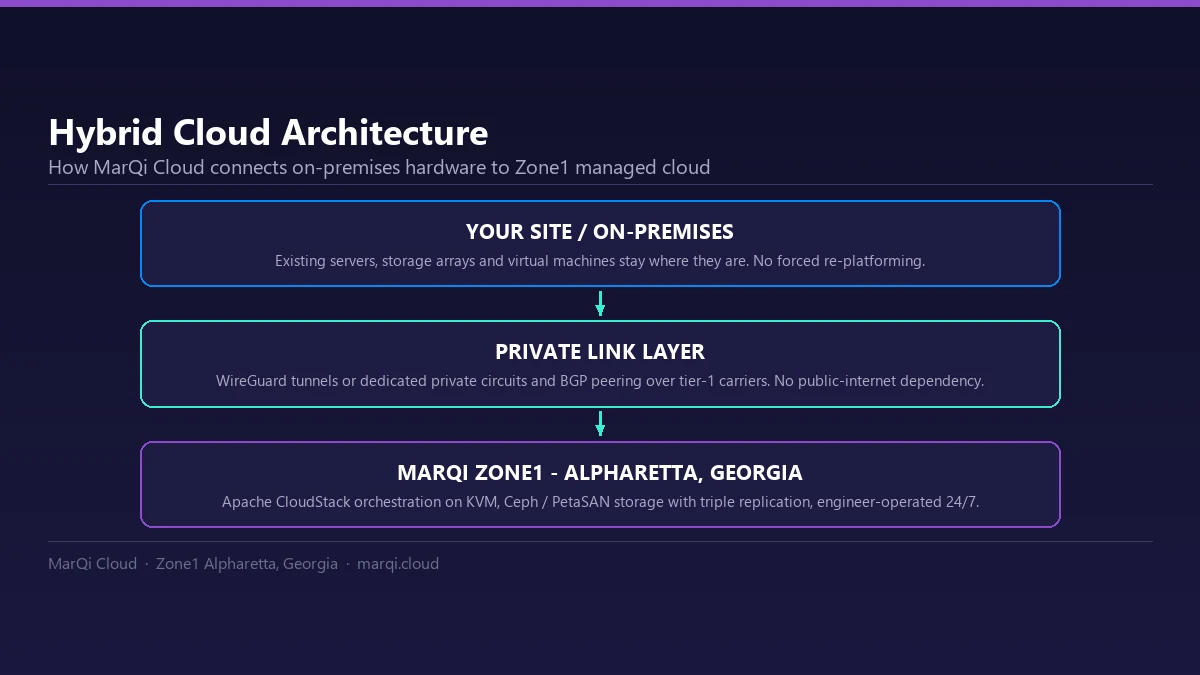
Hybrid cloud combines the advantages of both public and private cloud environments, allowing organizations to optimize their IT infrastructure. In the context of SCADA systems, hybrid cloud enables seamless integration of on-premises data with cloud-based resources, facilitating enhanced data processing and storage capabilities.
For instance, energy companies can leverage public cloud resources for data analytics while maintaining sensitive operational data in a private cloud environment. This ensures compliance with industry regulations while benefiting from the scalability and cost-effectiveness of cloud solutions. Furthermore, hybrid cloud architectures can support advanced technologies such as Internet of Things (IoT) devices, artificial intelligence (AI), and machine learning (ML), transforming the way SCADA systems operate.
Benefits of Hybrid Cloud for Energy and Utilities
The adoption of hybrid cloud solutions for SCADA system integration offers several advantages:
- Scalability: Hybrid cloud environments can easily scale resources up or down based on demand, accommodating fluctuations in data volume and processing needs.
- Cost Efficiency: By utilizing a mix of public and private cloud resources, energy companies can optimize their IT spend, reducing capital expenditures on hardware.
- Enhanced Data Security: Sensitive operational data can be stored in a secure private cloud while leveraging the public cloud for less critical data, ensuring compliance with regulatory standards.
- Improved Reliability: Hybrid cloud architectures can provide redundancy and failover capabilities, ensuring continuous operation of SCADA systems even during outages.
- Faster Deployment: Hybrid cloud solutions enable quicker implementation of new SCADA capabilities, allowing companies to adapt to changing market conditions rapidly.
Comparison of Traditional vs. Hybrid Cloud SCADA Systems
| Feature | Traditional SCADA | Hybrid Cloud SCADA |
|---|---|---|
| Scalability | Limited by on-premises hardware | Dynamic scaling based on demand |
| Cost | High capital expenses | Reduced operational costs |
| Data Security | Vulnerable to local breaches | Enhanced security with private cloud |
| Deployment Speed | Long setup times | Rapid deployment of new features |
| Reliability | Single point of failure | Redundant systems for high availability |
Challenges in SCADA System Integration
While the benefits of hybrid cloud are significant, energy and utilities companies may face several challenges when integrating SCADA systems with hybrid cloud solutions:
- Data Integration: Ensuring seamless data flow between on-premises SCADA systems and cloud environments can be complex and may require specialized integration tools.
- Regulatory Compliance: Energy companies must navigate stringent regulations regarding data security and privacy, which can complicate hybrid cloud adoption.
- Skill Gaps: The transition to hybrid cloud may necessitate new skills and expertise that current staff may not possess, leading to a need for training or hiring.
- Vendor Lock-in: Relying on a single cloud provider can lead to vendor lock-in, making it difficult to switch providers or adjust services in the future.
Implementation Strategies for Hybrid Cloud in SCADA
To successfully implement hybrid cloud for SCADA system integration, energy and utilities companies should consider the following strategies:
- Conduct a Needs Assessment: Evaluate current SCADA capabilities and identify areas where hybrid cloud can add value.
- Choose the Right Cloud Provider: Select a provider with experience in hybrid cloud solutions tailored for the energy sector.
- Develop a Migration Plan: Create a comprehensive plan for migrating data and applications to the hybrid cloud, ensuring minimal disruption to operations.
- Implement Security Measures: Establish robust security protocols to protect sensitive data during and after migration.
- Monitor and Optimize: Continuously monitor the performance of the hybrid cloud environment and optimize resources as needed.
Example Scenarios in Hybrid Cloud Integration
The scenarios below are illustrative examples of how organizations typically apply these practices; they do not describe specific MarQi Cloud customers or measured results.
Example Scenario 1: XYZ Energy
XYZ Energy transitioned its SCADA system to a hybrid cloud environment, resulting in a reduction in operational costs and improved data analytics capabilities. By leveraging public cloud resources for big data processing, the company was able to enhance its predictive maintenance strategies.
Example Scenario 2: ABC Utilities
ABC Utilities implemented a hybrid cloud solution to integrate its SCADA systems, which allowed for better disaster recovery and data redundancy. The company’s systems are now more resilient to outages, ensuring continuous service delivery to customers.
Conclusion
In conclusion, the integration of SCADA systems with hybrid cloud solutions presents a transformative opportunity for energy and utilities companies. The benefits of scalability, cost efficiency, enhanced security, and improved reliability make hybrid cloud an essential component of modern SCADA architectures. As the industry continues to evolve, embracing hybrid cloud technologies will enable organizations to stay competitive and meet the demands of a rapidly changing landscape.
For energy and utilities companies looking to explore hybrid cloud solutions, MarQi Cloud offers enterprise-grade infrastructure and secure hosting solutions tailored for SCADA system integration. Our expertise in hybrid cloud deployment models ensures that your organization can thrive in the digital age.
FAQs
1. What is SCADA?
SCADA stands for Supervisory Control and Data Acquisition, a system used to monitor and control industrial processes.
2. How does hybrid cloud improve SCADA systems?
Hybrid cloud enhances SCADA systems by providing scalability, cost efficiency, and improved data security.
3. What are the challenges of integrating SCADA with hybrid cloud?
Challenges include data integration complexities, regulatory compliance, and skill gaps among staff.
4. Can hybrid cloud support IoT in SCADA systems?
Yes, hybrid cloud can support IoT devices, enabling real-time data collection and analytics for SCADA systems.
5. What should companies consider when choosing a cloud provider?
Companies should evaluate the provider’s experience in the energy sector, compliance capabilities, and support services.
6. How can organizations ensure data security in hybrid cloud?
Organizations can implement robust security protocols, including encryption and access controls, to protect data.
7. What is the cost difference between traditional and hybrid cloud SCADA systems?
Hybrid cloud systems typically have lower operational costs due to reduced capital expenditures on hardware.
8. How can companies monitor their hybrid cloud SCADA performance?
Companies can use cloud management tools to monitor performance and optimize resource allocation in real-time.