KVM Virtualization Explained: A Practical Alternative to VMware
March 2, 2026
Private Circuits in the US: MPLS, DIA, and Dedicated Fiber—What to Choose
March 2, 2026
Hybrid Kubernetes on VMs and Bare Metal: A Comprehensive US Deployment Blueprint
In today’s fast-paced digital landscape, businesses are continuously seeking innovative solutions to enhance their operational efficiency and scalability. The emergence of Kubernetes has transformed the way organizations manage containerized applications, and when combined with hybrid cloud architectures, it offers unparalleled flexibility. This article will delve into the intricacies of deploying Hybrid Kubernetes on Virtual Machines (VMs) and Bare Metal servers, specifically within a US context.
Understanding Hybrid Kubernetes
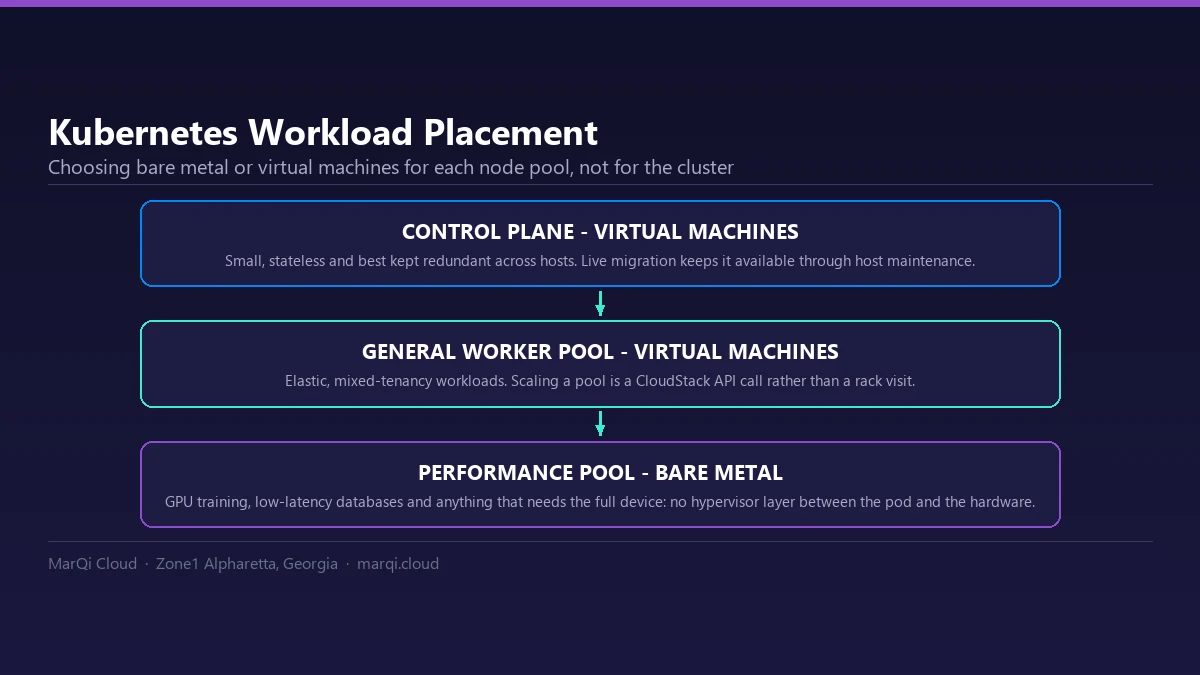
Hybrid Kubernetes combines the benefits of both virtualized environments and bare metal servers, allowing organizations to optimize their resources based on workload requirements. This deployment model enables companies to leverage the scalability of cloud resources while maintaining control over sensitive data and applications on-premises.
Benefits of Hybrid Kubernetes
- Flexibility: Hybrid Kubernetes allows businesses to choose the best environment for their specific workloads, whether it’s running on VMs in the cloud or bare metal servers on-premises.
- Cost Efficiency: By optimizing resource allocation, companies can significantly reduce operational costs while ensuring high performance.
- Scalability: Organizations can scale their applications seamlessly as demand fluctuates, leveraging the cloud’s elasticity without compromising on performance.
- Enhanced Security: Sensitive data can be kept on-premises while utilizing cloud resources for less sensitive workloads, improving overall security posture.
- Improved Performance: Bare metal servers can provide better performance for resource-intensive applications compared to VMs, making them ideal for specific workloads.
Key Components for Deployment
To successfully deploy Hybrid Kubernetes on VMs and Bare Metal, several key components must be considered:
1. Infrastructure Planning
Before initiating the deployment, it’s essential to assess the current infrastructure. This includes evaluating existing hardware, network capabilities, and storage solutions. Understanding these elements will help determine the best configuration for your hybrid environment.
2. Kubernetes Cluster Design
Designing a Kubernetes cluster that spans both VMs and bare metal requires careful planning. Considerations should include:
- Node Types: Define how many nodes will be bare metal versus VMs based on performance requirements.
- Networking: Ensure that the networking setup allows for seamless communication between nodes, regardless of their environment.
- Resource Allocation: Determine how resources (CPU, memory, and storage) will be allocated among different workloads.
3. Choosing the Right Kubernetes Distribution
There are several Kubernetes distributions available that can cater to hybrid environments. Popular options include:
- OpenShift: A robust enterprise Kubernetes platform that supports hybrid deployments.
- Rancher: An open-source platform that simplifies the management of Kubernetes clusters across different environments.
- VMware Tanzu: Designed for enterprises looking to modernize their applications and infrastructure.
Deployment Steps
Once the planning phase is complete, the next step is the actual deployment. Here’s a step-by-step guide:
Step 1: Provision Infrastructure
Provision the required infrastructure for both VMs and bare metal servers. Ensure that all hardware meets the necessary specifications for running Kubernetes.
Step 2: Install Kubernetes
Choose a Kubernetes distribution and follow the installation guidelines. For bare metal, tools like kubeadm can help streamline the setup process.
Step 3: Configure Networking
Set up networking to facilitate communication between VMs and bare metal nodes. Consider using a Container Network Interface (CNI) plugin that supports hybrid environments.
Step 4: Deploy Applications
With the cluster operational, begin deploying applications. Utilize Helm charts for efficient package management and deployment.
Step 5: Monitor and Optimize
Implement monitoring tools to track performance and resource utilization across both environments. Tools like Prometheus and Grafana can provide valuable insights into cluster health.
Challenges and Considerations
While deploying Hybrid Kubernetes can offer numerous advantages, it is not without its challenges. Businesses should be aware of the following:
1. Complexity of Management
Managing a hybrid environment can be complex, requiring skilled personnel who understand both VMs and bare metal configurations.
2. Security Concerns
While hybrid deployments can enhance security, they also introduce new vulnerabilities. Organizations must ensure that proper security protocols are in place.
3. Networking Issues
Ensuring seamless communication between different environments can be challenging, particularly if there are latency issues or network misconfigurations.
Best Practices for Hybrid Kubernetes Deployment
To maximize the benefits of a hybrid Kubernetes deployment, consider the following best practices:
1. Regularly Update Kubernetes
Keep your Kubernetes distribution up-to-date to benefit from the latest features and security patches.
2. Implement Robust Security Measures
Utilize firewalls, encryption, and access controls to protect your hybrid environment.
3. Automate Where Possible
Use automation tools to streamline deployments and reduce the risk of human error.
4. Train Your Team
Invest in training for your IT team to ensure they are equipped to manage a hybrid Kubernetes environment effectively.
Conclusion
Deploying Hybrid Kubernetes on VMs and Bare Metal within a US context provides organizations with the flexibility, scalability, and control necessary to thrive in today’s competitive landscape. By carefully planning the deployment, considering the unique challenges of hybrid environments, and adhering to best practices, businesses can unlock the full potential of their cloud infrastructure. As technology continues to evolve, staying informed and adaptable will be key to maintaining a robust and efficient hybrid cloud strategy.
Frequently Asked Questions (FAQ)
1. What is Hybrid Kubernetes?
Hybrid Kubernetes is a deployment model that combines virtual machines and bare metal servers, allowing organizations to run containerized applications in the most suitable environment.
2. What are the benefits of using Hybrid Kubernetes?
Benefits include flexibility, cost efficiency, scalability, enhanced security, and improved performance.
3. How do I choose the right Kubernetes distribution?
Consider factors such as your organization’s specific needs, existing infrastructure, and the level of support required.
4. What are the common challenges in Hybrid Kubernetes deployments?
Challenges include complexity of management, security concerns, and networking issues.
5. How can I secure my Hybrid Kubernetes environment?
Implement firewalls, encryption, access controls, and regular security audits to protect your environment.
6. What monitoring tools are recommended for Hybrid Kubernetes?
Popular monitoring tools include Prometheus and Grafana for tracking performance and resource utilization.
7. Is it necessary to have a dedicated team for managing Hybrid Kubernetes?
Having a dedicated and skilled team can significantly enhance the management and performance of your hybrid environment.
8. Can Hybrid Kubernetes help with disaster recovery?
Yes, Hybrid Kubernetes can enhance disaster recovery efforts by providing flexible resource allocation and redundancy across environments.
9. How can I ensure seamless communication between VMs and Bare Metal?
Utilize a robust networking setup and consider using a suitable Container Network Interface (CNI) plugin to facilitate communication.
10. What role does automation play in Hybrid Kubernetes?
Automation can streamline deployments, reduce errors, and improve operational efficiency in managing a hybrid environment.