Why SRE Practices on Cloud Infrastructure Enhance Service Reliability
August 17, 2026
The Complete Guide to Cloud Load Balancing Architectures for Enterprise Applications
August 18, 2026
Ultimate Guide to Optimize Cloud VPS Performance for High-Traffic Applications
As businesses expand their digital footprint, ensuring optimal performance for high-traffic web applications becomes paramount. A cloud Virtual Private Server (VPS) offers the scalability and flexibility needed to handle increasing user demands, but without proper optimization, these benefits can be diminished. In this comprehensive guide, we will delve into strategies to optimize cloud VPS performance specifically for high-traffic web applications. You will learn how to enhance speed, reliability, and security while leveraging MarQi Cloud’s enterprise-grade solutions. By the end of this article, you will have actionable insights to maximize your cloud VPS potential.
Understanding Cloud VPS
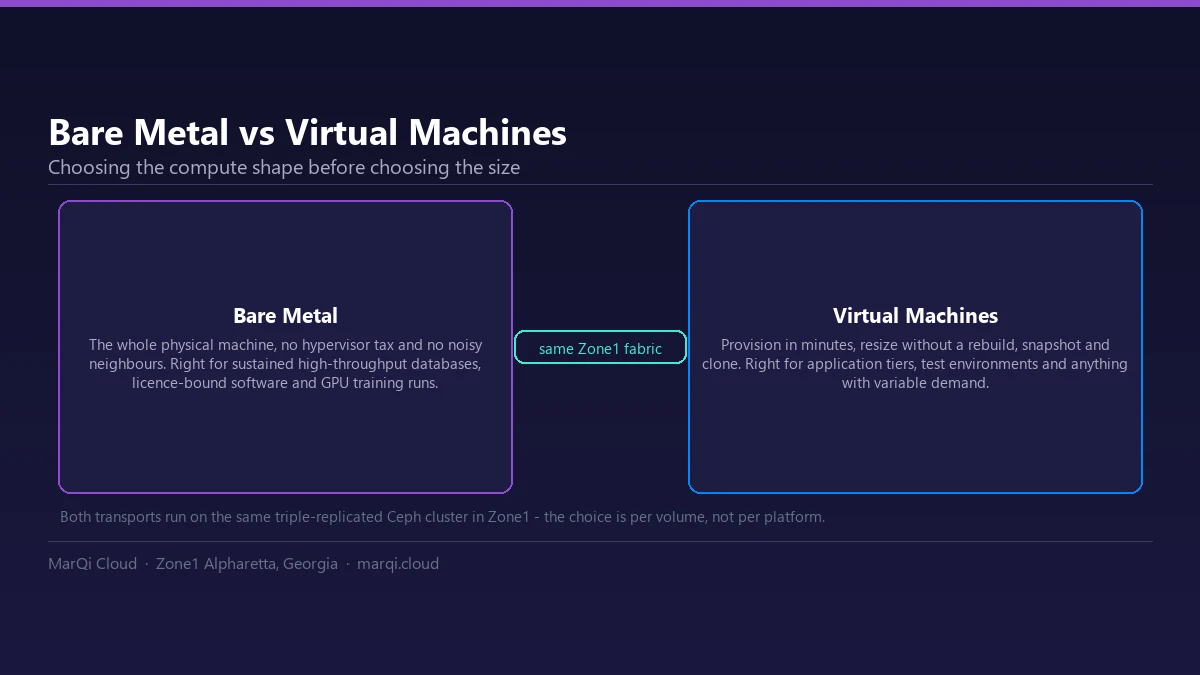
A Cloud VPS is a virtual server that mimics a dedicated server’s capabilities but operates in a cloud environment. Unlike traditional physical servers, cloud VPS solutions are built on a shared infrastructure, providing users with the benefits of cost efficiency, scalability, and flexibility. With resources spread across multiple servers, cloud VPS can dynamically allocate resources as demand fluctuates, making it ideal for high-traffic applications.
The Importance of Optimization
Optimizing your cloud VPS is crucial for several reasons:
- Performance: High-traffic applications require fast load times to enhance user experience. Slow response times can lead to increased bounce rates and lost revenue.
- Scalability: As your application grows, efficient resource management ensures that your VPS can handle traffic spikes without degradation in performance.
- Cost Efficiency: Proper optimization can help reduce unnecessary costs associated with over-provisioning resources or underperforming applications.
- Security: Optimized environments are typically more secure, as they follow best practices that protect against vulnerabilities.
Key Factors Affecting Cloud VPS Performance
To effectively optimize your cloud VPS, it’s essential to understand the key factors that influence its performance:
- Resource Allocation: The amount of CPU, RAM, and storage allocated to your VPS directly impacts its performance. Insufficient resources can bottleneck performance, especially during high traffic.
- Network Latency: The distance between your VPS and your users can affect load times. Choosing a data center closer to your user base can significantly reduce latency.
- Application Optimization: The way your application is coded and configured can influence its efficiency. Poorly optimized code can lead to slow loading times and increased server load.
- Server Configuration: Proper setup and configuration of your server settings can enhance performance. This includes web server settings, database optimization, and caching mechanisms.
- Traffic Management: High traffic can overwhelm a VPS if not managed properly. Implementing load balancing and traffic management strategies can improve performance.
Optimization Strategies for Cloud VPS
To optimize your cloud VPS for high-traffic applications, consider the following strategies:
1. Resource Scaling
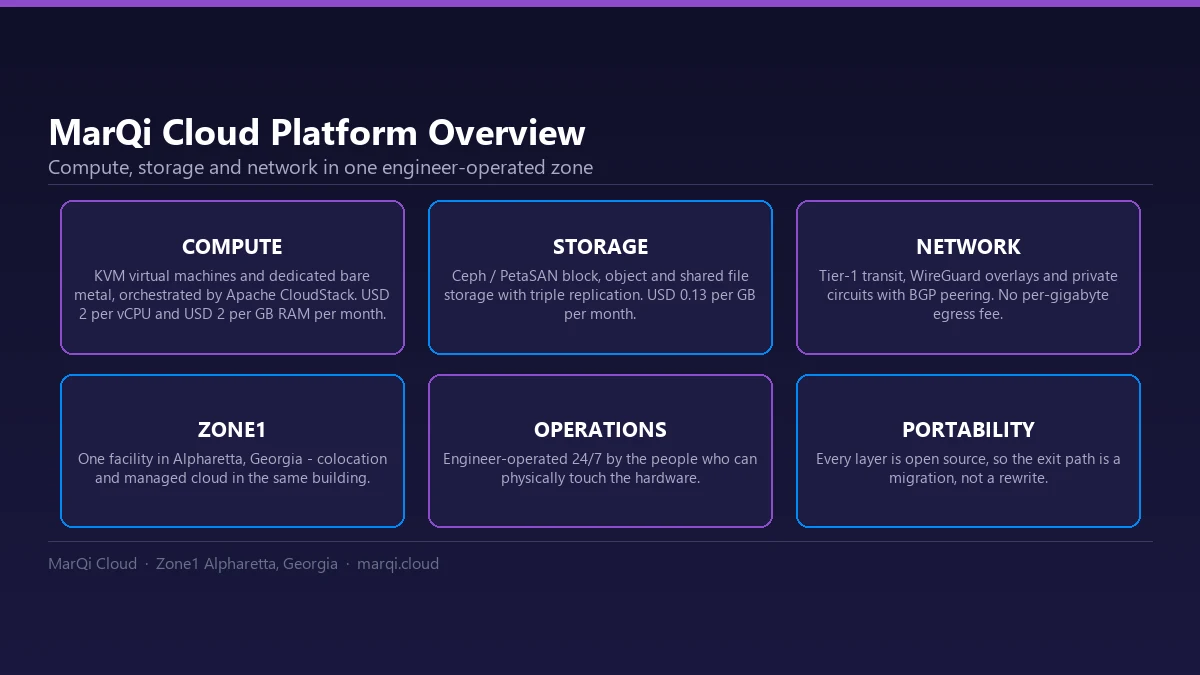
Ensure your cloud VPS plan allows for easy scaling of resources. MarQi Cloud offers scalable compute and storage resources that can be adjusted based on your needs. This flexibility ensures that during traffic spikes, your application remains responsive.
2. Load Balancing
Implement load balancing to distribute incoming traffic across multiple servers. This approach prevents any single server from becoming overloaded. Utilizing MarQi Cloud’s hybrid cloud solutions can help achieve efficient load balancing.
3. Optimize Your Application
Regularly review and optimize your application’s code. This includes:
- Minifying CSS and JavaScript files
- Optimizing images and media files
- Eliminating unnecessary plugins or features
4. Database Optimization
Optimize your database by regularly performing maintenance tasks such as indexing, cleaning up old data, and optimizing queries. This ensures faster data retrieval times, which is crucial for high-traffic applications.
5. Utilize Caching Mechanisms
Implement caching strategies to reduce server load and improve response times. Use in-memory caching solutions like Redis or Memcached to store frequently accessed data. Additionally, consider HTTP caching mechanisms to serve static content quickly.
6. Content Delivery Network (CDN)
Incorporate a CDN to distribute content globally and reduce load times for users regardless of their geographic location. CDNs cache content in multiple locations, providing faster access to your web application.
7. Choose the Right Data Center Location
Select a data center that is geographically close to your target audience to minimize latency. MarQi Cloud offers US-based infrastructure and support, ensuring faster response times for your users.
8. Monitor Performance Regularly
Utilize monitoring tools to keep track of your VPS performance metrics. Regular monitoring allows you to identify and address performance issues before they impact your users. Tools such as New Relic, Datadog, and Prometheus can help provide insights into your application’s performance.
9. Security Optimization
Ensure that your cloud VPS is secure to prevent malicious attacks that could degrade performance. Regularly update software, use firewalls, and implement intrusion detection systems. For more on security considerations, see our article on disaster recovery solutions.
10. Regular Backups
Implement a robust backup strategy to ensure data integrity. Regular backups can help recover quickly from any incidents that may disrupt your application’s performance.
Monitoring Performance
To maintain optimal performance, continuous monitoring is essential. Key performance indicators (KPIs) to monitor include:
- Server response time
- CPU and memory usage
- Disk I/O performance
- Network latency and throughput
- Application error rates
Using tools like Datadog and New Relic, you can gain insights into your application’s performance and make data-driven decisions to improve it further.
Security Considerations
Security is a crucial aspect of VPS performance optimization. A compromised server can lead to reduced performance and data breaches. Here are some security measures to consider:
- Regularly update your operating system and applications to patch vulnerabilities.
- Implement firewalls and intrusion detection systems to monitor and protect against threats.
- Utilize strong authentication mechanisms, such as two-factor authentication (2FA), to secure access to your VPS.
- Regularly audit your server configurations and permissions to ensure they follow best practices.
Frequently Asked Questions
What is a Cloud VPS?
A Cloud VPS is a virtual server that operates in a cloud environment, providing dedicated resources like CPU, RAM, and storage while being cost-effective and scalable.
How can I optimize my Cloud VPS performance?
Optimize your Cloud VPS by scaling resources, implementing load balancing, optimizing code, and utilizing caching mechanisms.
What are the benefits of using a CDN?
A CDN improves load times by caching content in multiple locations, reducing latency for users regardless of their geographic location.
How does monitoring impact performance?
Regular monitoring helps identify performance bottlenecks, allowing you to take proactive measures to address issues before they affect users.
What security practices should I follow for my Cloud VPS?
Regularly update software, implement firewalls, use strong authentication methods, and audit server configurations to enhance security.
How does MarQi Cloud support high-traffic applications?
MarQi Cloud provides scalable infrastructure, hybrid cloud solutions, and expert support to ensure optimal performance for high-traffic applications.
What is the role of database optimization?
Database optimization ensures faster data retrieval times, which is crucial for high-traffic applications, enhancing overall application performance.
Can I migrate my existing application to a Cloud VPS?
Yes, MarQi Cloud offers cloud migration services to make the transition seamless for non-technical teams.
Conclusion
Optimizing cloud VPS performance for high-traffic web applications is vital for ensuring a seamless user experience and maximizing business potential. By implementing the strategies outlined in this guide, you can enhance your application’s speed, reliability, and security. MarQi Cloud’s enterprise-grade solutions provide the infrastructure and support necessary to achieve these goals. For further assistance, contact us at info@marqi.cloud or call +1 770-369-9321.