
Stop the GPU Tax: Hybrid Cloud for Cost-Efficient AI/ML
October 18, 2025
Top 7 Qualities to Check in a Cloud-Native App Development Partner
October 30, 2025

Why Dedicated GPU Clusters Are Powering the Next Generation of AI Workloads
Introduction – The AI Revolution and the Need for High-Performance Computing
Artificial Intelligence is evolving faster than ever. From large language models and generative AI to self-driving cars and deep learning systems, today’s AI technologies need far more computing power than before.
But traditional CPUs can’t handle these advanced workloads efficiently. They’re great for everyday tasks, but they struggle with the heavy, multi-task processing required for training and running modern AI models.
This is why Dedicated GPU Clusters are becoming essential. They are built to manage large amounts of data, speed up AI training, and deliver the performance needed for complex AI applications. In many ways, they are now the backbone of the next generation of AI.
What Are Dedicated GPU Clusters?
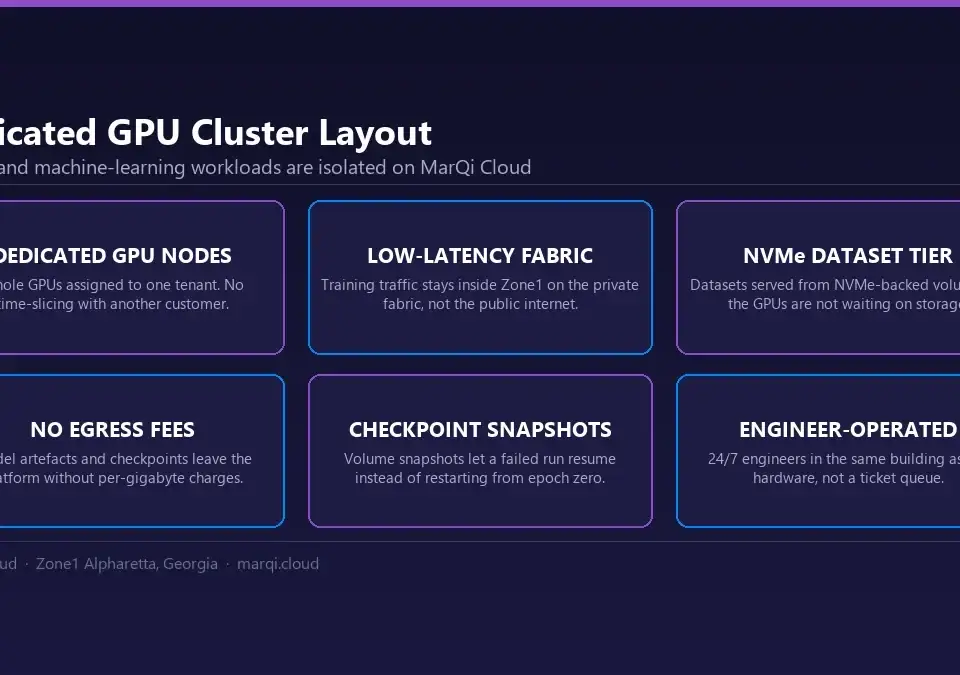
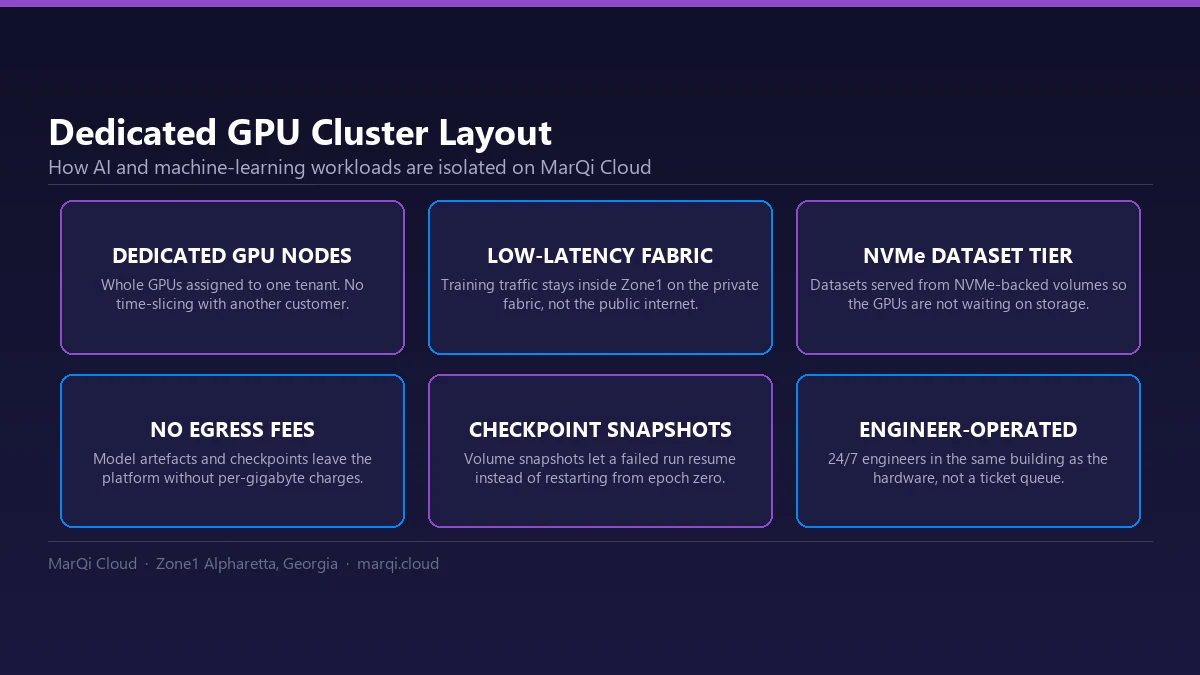
Dedicated GPU clusters are high-performance computing systems built specifically for tasks that require massive processing power, especially in artificial intelligence and machine learning. Unlike shared cloud servers, where multiple users access the same hardware, dedicated GPU clusters are reserved only for one organization or project. This means faster results, full control over resources, and better security.
Why Are They Important Today?
Modern AI technologies such as large language models (LLMs), generative AI, autonomous vehicles, and deep learning require thousands of computations per second and large amounts of data handling. Traditional CPU-based systems are too slow for these complex tasks.
Dedicated GPU clusters solve this problem by using many powerful GPUs working together to process data in parallel—making AI training and inference much faster and more efficient.
Key Advantages of Dedicated GPU Clusters
- Exclusive Use of Hardware
No shared performance. All GPU power is dedicated to your tasks, giving consistent speed and reliability. - Faster AI Training & Processing
GPUs are built for parallel computing, which makes them perfect for deep learning, neural networks, and high-volume data tasks. - Enhanced Security and Privacy
Since the system is not shared with others, your data, AI models, and research remain fully protected. - Scalable for Growing AI Needs
You can start small and add more GPU nodes as projects grow, especially helpful for LLM and multi-node training. - Reduces Distributed AI Training Cost
Efficient use of computing resources ensures faster training results, reducing time and overall cloud expenses.designed for parallel computing, making them ideal for tasks such as deep learning, neural networks, and high-volume data processing
What Makes Up a Dedicated GPU Cluster?
A typical GPU cluster includes:
- GPU Nodes: Powerful machines equipped with high-end GPUs, CPUs, RAM, and fast SSD storage.
- Head (Master) Node: Controls task distribution, job scheduling, and system management.
- High-Speed Network (InfiniBand / NVLink): Ensures rapid data transfer between GPU nodes during training.
- Shared Storage System: Stores datasets, AI models, and project files accessible across all nodes.
- Cluster Management Software: Tools like Kubernetes, Slurm, or open-source GPU cluster management systems to monitor usage, allocate resources, and automate tasks.
Why Businesses and AI Teams Prefer Them
- Ideal for GPU Cloud for LLM Training and enterprise AI tasks
- Reliable for long-term research and commercial AI product development
- Supports hybrid and multi-cloud AI setups effortlessly
- Enables fine control over environment, frameworks, and hyperparameters
Why Is Distributed AI Training Needed Now?
AI models today process billions of parameters and massive datasets. Training them on one GPU or server would take months or even years. Distributed training solves this by splitting the task across many GPU nodes, making the process faster and more efficient.
However, this speed comes with a price, this is where the distributed AI training cost becomes important. Companies need to plan their budget wisely to avoid overspending.
Main Factors That Affect Distributed AI Training Cost
- High-Performance Hardware
Most of the cost of distributed AI training comes from renting or purchasing powerful GPUs, TPUs, or multi-node servers that can handle parallel computing. - Cloud Resources and Scaling
Using cloud platforms like AWS, Azure, or Google Cloud can increase the distributed AI training cost because you pay for GPU hours, storage, network bandwidth, and scaling infrastructure. - Energy and Cooling
Running multiple GPUs continuously consumes a lot of electricity and requires cooling systems to prevent overheating. - Data Storage and Management
Storing large datasets, transferring them between nodes, and keeping data synchronized also adds to the expense. - Skilled Professionals and Engineering Time
AI engineers, machine learning specialists, and system administrators are needed to manage the setup, optimize performance, fix failures, and monitor workloads. Their salaries are a crucial part of the total cost.
Why It Matters for Businesses and AI Teams
Distributed AI training cost is becoming a major concern because as models grow larger, so do expenses. Companies must balance speed, accuracy, and budget. Those who plan their distributed AI training cost wisely can train better models, reduce cloud spending, and get faster results without wasting resources.
What Is Open Source GPU Cluster Management?
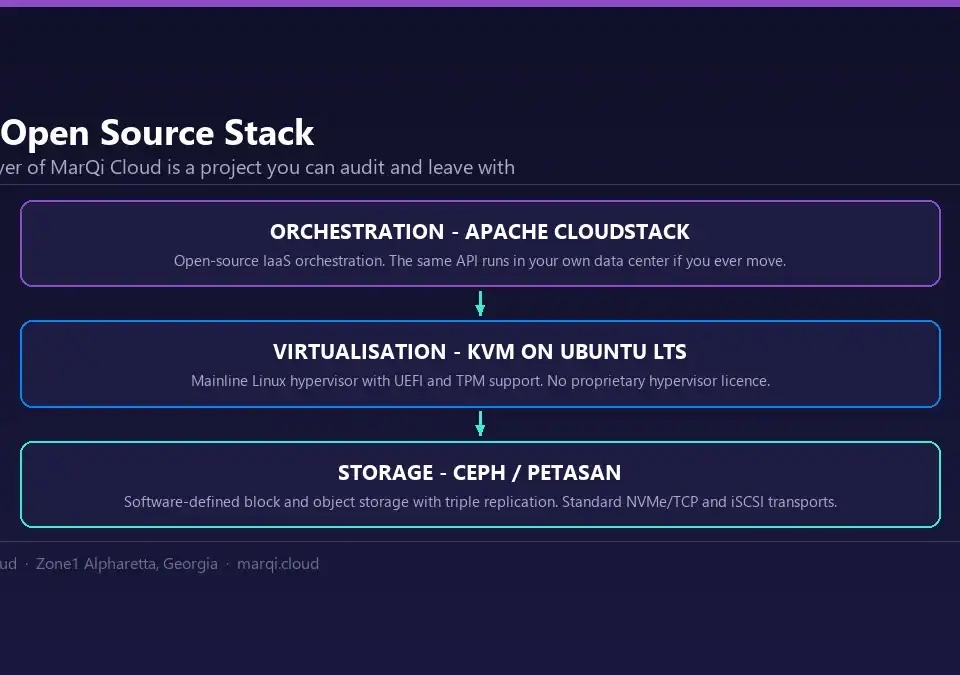
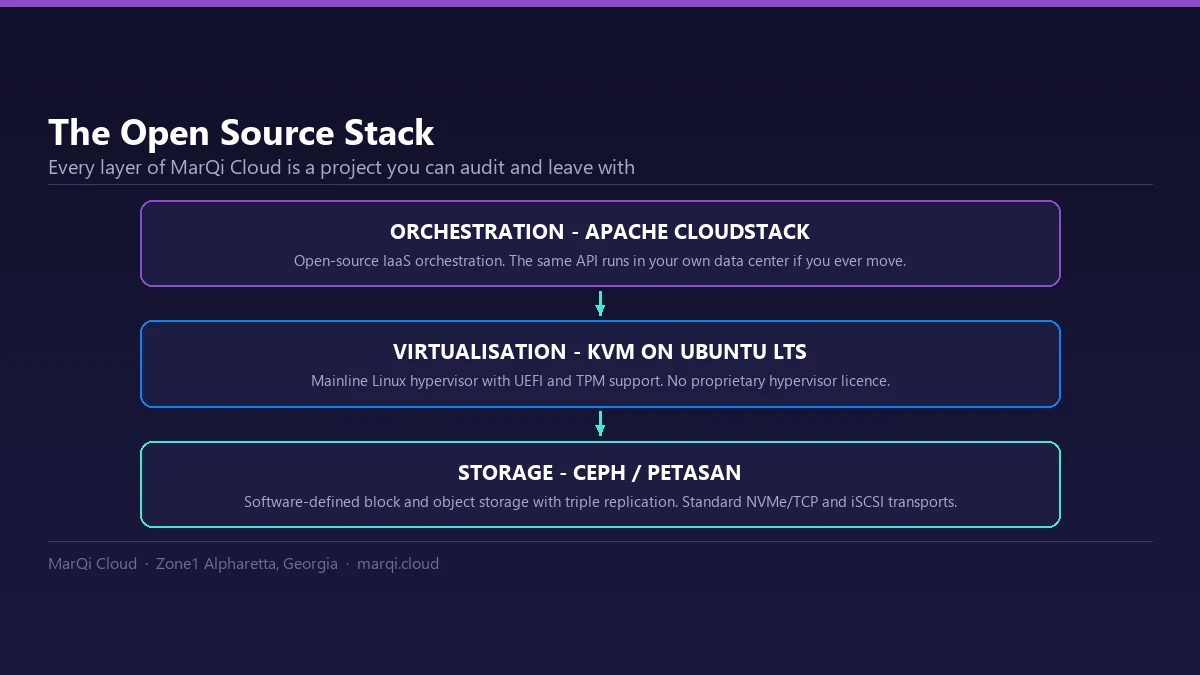
Open source GPU cluster management is the use of free, publicly available tools to organize, monitor, and run GPU-powered servers for AI and high-performance tasks. Instead of relying on expensive software or a single vendor, businesses and developers use open-source platforms to manage their systems the way they want, without restrictions or high licensing costs.
It is becoming popular because AI projects need powerful computing, and managing all those GPUs manually is not practical. Open source GPU cluster management makes that process easier, smarter, and more affordable.
Why Is It Useful?
People and companies choose open source GPU cluster management because:
- It’s cost-effective: No expensive software fees or long-term contracts.
- You stay in control: You can customize everything to fit your system or AI workload.
- No vendor lock-in: You are not stuck with one company’s tools or hardware.
- Strong community support: Developers around the world keep improving these tools and share solutions openly.
Popular Tools Used for GPU Cluster Management
Here are some commonly used open-source platforms:
Kubernetes (with GPU support)
- Great for managing containers and scheduling AI tasks across machines.
Slurm
- Widely used in universities, research labs, and supercomputing centers to schedule and manage computing jobs.
Ray, Kubeflow, and MLflow
- Ray helps scale AI workloads across multiple GPUs.
- Kubeflow is designed for machine learning pipelines on Kubernetes.
- MLflow helps track experiments, versions, and model deployments.
What is GPU Cloud for LLM Training?
GPU Cloud for LLM Training means using powerful online GPU servers to train large language models instead of buying your own hardware. It gives you access to strong computing power whenever you need it.
Why People Use GPU Cloud for LLM Training
- Training big AI models like GPT needs a lot of speed and power.
- With GPU Cloud for LLM Training, you don’t need to spend money on expensive machines.
- You only pay for what you use, just like renting.
Main Benefits
- Faster training: GPUs process many tasks at the same time, which reduces training time.
- Saves money: No need to buy and maintain your own GPU systems.
- Access to high-end GPUs: like a MarQi Cloud platforms offers advanced GPUs like NVIDIA A100 or H100.
- Easy to scale: Start small and increase power when your project grows.
- Flexible usage: Use it for testing or full-scale AI training without hardware limits.
Hybrid Cloud AI – The Smart Way to Run Modern AI
What is Hybrid Cloud AI?
Hybrid Cloud AI is a setup where businesses use both their own systems (like office servers or private data centers) and cloud platforms together.
It allows them to:
- Use the cloud for heavy AI tasks like training big models.
- Keep sensitive data safe in their private or on-site systems.
This mix gives the speed and power of the cloud, while still offering control and security.
Why is Hybrid Cloud AI a Popular Choice?
Some simple and practical benefits include:
- Flexible and Adjustable
You can choose where each AI task should run—cloud or on-site—depending on your needs. - Saves Money
No need to buy expensive hardware. You can rent cloud GPUs only when you need them. - Better Data Security
Important or private data stays in your own system, which helps with privacy laws and industry rules. - Handles Big AI Projects Easily
Combining on-premise GPU clusters with cloud GPUs gives the power needed for large AI models and heavy workloads. - Helps Teams Move Faster
You don’t have to build everything from scratch. You can train models in the cloud and deploy them locally without delays.
Where is Hybrid Cloud AI Used?
Businesses use Hybrid Cloud AI for many real-world AI tasks, such as:
- Training and fine-tuning Large Language Models (LLMs) like GPT
- Generative AI for images, videos, text, and 3D designs
- Self-driving cars and robotics
- Medical imaging and scientific research
- Financial forecasting and predictive analytics
MarQi Cloud – Making AI Smarter with Powerful GPU Clusters
- MarQi Cloud provides strong and reliable GPU cloud services for AI and machine learning.
- They focus on:
- Dedicated GPU Clusters
- GPU Cloud for training large language models (LLMs)
- Hybrid AI Cloud Solutions
- Affordable and scalable infrastructure for startups and big companies
- Their platform helps reduce the cost of distributed AI training while still giving high-speed performance.
Conclusion – AI’s Future Runs on Dedicated GPU Clusters
- Dedicated GPU clusters give better speed, flexibility, and lower costs for AI projects.
- Hybrid cloud systems and open-source tools make it easier to manage AI infrastructure.
- In simple words, successful AI starts with the right setup, and that is Dedicated GPU Clusters.
Frequently Asked Questions
What is a dedicated GPU cluster?
A dedicated GPU cluster is a high-performance computing system built for workloads that need massive processing power, above all in AI and machine learning. Unlike a shared cloud server, the hardware is reserved for a single organisation or project, which means faster results, full control over resources and better security.
What hardware makes up a GPU cluster?
A typical cluster has GPU nodes with high-end GPUs, CPUs, RAM and fast SSD storage; a head node that handles job scheduling and system management; a high-speed network such as InfiniBand or NVLink for rapid transfer between nodes; shared storage for datasets and models; and cluster management software such as Kubernetes or Slurm.
What is open source GPU cluster management?
It is the use of free, publicly available tools to organise, monitor and run GPU-powered servers instead of relying on expensive licensed software or a single vendor. It has become popular because AI projects need a lot of compute and managing those GPUs by hand is not practical.