
Ultimate Guide: How Managed Cloud Security Services Provide Enterprise Protection Without a Large Security Team
August 29, 2026
The Complete Guide to Managed Cloud Compliance Services for Regulated Industries
August 29, 2026
Why Managed Cloud Providers with Infrastructure Expertise Outperform Generic MSPs
In today’s rapidly evolving digital landscape, organizations are increasingly seeking reliable and efficient cloud solutions to support their business operations. The choice between managed cloud providers and generic managed service providers (MSPs) can significantly impact your IT strategy and overall business success. This article explores why managed cloud providers, particularly those with robust infrastructure expertise, consistently outperform generic MSPs. You will learn about the advantages of specialized knowledge, tailored solutions, and the critical role of infrastructure in cloud performance.
What Are Managed Cloud Providers?
Managed cloud providers (MCPs) offer specialized cloud services tailored to meet the unique needs of businesses. Unlike generic MSPs, which may provide a broader range of IT services without a specific cloud focus, managed cloud providers concentrate on optimizing cloud infrastructure, security, and performance. They deliver a comprehensive suite of services, including cloud migration, infrastructure management, and ongoing support, ensuring that businesses can leverage the full potential of cloud technology.
The Role of Infrastructure Expertise
Infrastructure expertise is vital for any organization looking to harness the power of cloud computing. Cloud infrastructure consists of the hardware, software, and network resources necessary to deliver cloud services. Managed cloud providers with infrastructure expertise understand these components deeply, enabling them to design, implement, and manage cloud solutions that are not only efficient but also scalable and secure. This expertise translates into a better understanding of how to optimize resources, manage workloads, and ensure high availability of services.
Why Infrastructure Expertise Matters
Having a strong infrastructure foundation is crucial for several reasons:
- Performance Optimization: Managed cloud providers with infrastructure expertise can fine-tune resources to deliver optimal performance, ensuring that applications run smoothly and efficiently. This includes selecting the right instance types, configuring load balancers, and managing network traffic effectively.
- Scalability: As businesses grow, their IT needs evolve. Infrastructure experts can design cloud solutions that scale seamlessly, accommodating increased workloads without compromising performance. This agility is particularly important for businesses experiencing rapid growth or seasonal fluctuations.
- Security and Compliance: With growing concerns around data security and regulatory compliance, having infrastructure expertise helps managed cloud providers implement robust security measures. This includes understanding compliance requirements such as HIPAA, PCI-DSS, and GDPR, and ensuring that cloud solutions meet these standards.
- Disaster Recovery: Effective disaster recovery planning is a key component of a solid infrastructure strategy. Managed cloud providers with infrastructure expertise can develop and implement comprehensive disaster recovery solutions, minimizing downtime and ensuring business continuity.
Managed Cloud vs. Generic MSPs
While both managed cloud providers and generic MSPs offer IT services, their approaches and capabilities differ significantly:
| Feature | Managed Cloud Providers | Generic MSPs |
|---|---|---|
| Focus | Specialized cloud services | Broad IT services |
| Infrastructure Expertise | Deep understanding of cloud architecture | General IT knowledge |
| Performance Optimization | Tailored solutions for cloud performance | Standardized solutions |
| Security Compliance | In-depth knowledge of cloud security | Basic security measures |
| Disaster Recovery | Comprehensive disaster recovery solutions | Basic backup services |
As illustrated in the comparison table, managed cloud providers excel in areas critical to cloud performance, security, and scalability. Their specialized focus allows them to deliver solutions that are better aligned with the unique challenges of cloud computing.
Benefits of Managed Cloud Providers
Choosing a managed cloud provider with infrastructure expertise offers numerous advantages for organizations:
- Customized Solutions: Managed cloud providers assess the specific needs of your business and deliver tailored solutions that align with your objectives. This personalized approach ensures that your cloud environment is optimized for your unique workloads.
- Expert Support: With dedicated infrastructure experts, managed cloud providers offer superior support compared to generic MSPs. Their teams are equipped to handle complex cloud challenges, ensuring that issues are resolved quickly and efficiently.
- Cost Efficiency: While it may seem counterintuitive, managed cloud providers can often deliver cost savings in the long run. By optimizing resource usage and eliminating unnecessary expenditures, they help businesses maximize their cloud investments.
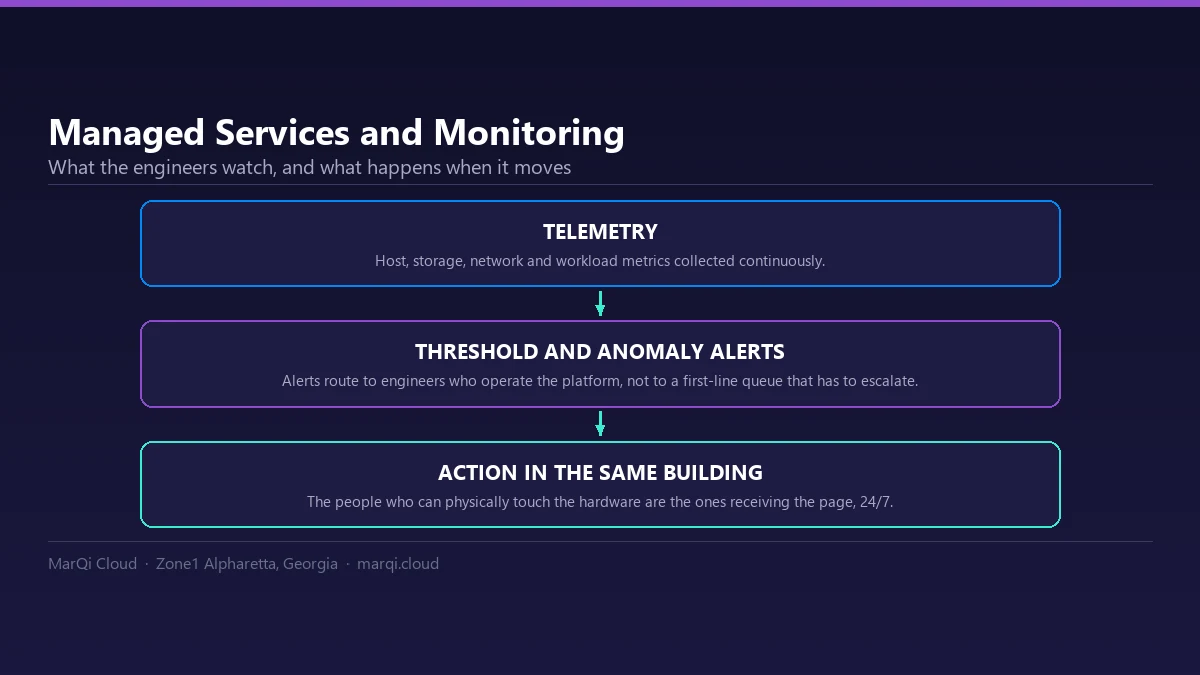
- Proactive Management: Managed cloud providers continuously monitor and manage your cloud environment, identifying potential issues before they escalate. This proactive approach minimizes downtime and enhances overall reliability.
- Enhanced Security Posture: With a deep understanding of cloud security, managed cloud providers implement robust security measures that protect your data and applications. This is especially crucial for industries with strict compliance requirements.
How to Choose a Managed Cloud Provider
Selecting the right managed cloud provider is critical for your organization’s success. Here are key factors to consider:
- Assess Expertise: Look for providers with a proven track record in cloud infrastructure management. Evaluate their certifications, case studies, and client testimonials.
- Evaluate Services: Ensure the provider offers a comprehensive range of services, including cloud migration, security, disaster recovery, and ongoing support.
- Consider Scalability: Choose a provider that can accommodate your future growth and evolving IT needs. Ask about their ability to scale resources as your business expands.
- Review Security Measures: Inquire about the provider’s security protocols and compliance certifications. Ensure they have robust measures in place to protect your data.
- Analyze Pricing Models: Understand the provider’s pricing structure and ensure it aligns with your budget. Look for flexible pricing options that allow you to scale costs as needed.
Expert Tips for Success with Managed Cloud Providers
To maximize the benefits of working with a managed cloud provider, consider these expert tips:
FAQ
What is a managed cloud provider?
A managed cloud provider is a company that specializes in offering cloud services, such as cloud migration, infrastructure management, and ongoing support, tailored to meet the unique needs of businesses.
How do managed cloud providers differ from generic MSPs?
Managed cloud providers focus specifically on cloud infrastructure and services, while generic MSPs provide a broader range of IT services without a specific emphasis on cloud technology.
Why is infrastructure expertise important for managed cloud providers?
Infrastructure expertise is crucial for optimizing cloud performance, scalability, security, and disaster recovery, ensuring that businesses can effectively leverage cloud technology.
What are the benefits of using a managed cloud provider?
Benefits include customized solutions, expert support, cost efficiency, proactive management, and enhanced security posture.
How can I choose the right managed cloud provider?
Consider factors such as expertise, services offered, scalability, security measures, and pricing models when selecting a managed cloud provider.
What industries benefit from managed cloud providers?
Industries such as healthcare, finance, e-commerce, and technology can greatly benefit from managed cloud providers due to their specific compliance and performance requirements.
How do managed cloud providers ensure data security?
Managed cloud providers implement robust security protocols, including encryption, access controls, and compliance with industry regulations, to protect client data.
Can managed cloud providers help with disaster recovery planning?
Yes, managed cloud providers can develop and implement comprehensive disaster recovery solutions, ensuring business continuity in the event of a disaster.