Why MarQi Cloud Is the Ultimate Choice for GPU-Intensive Deep Learning Projects
June 30, 2026
Ultimate Guide to Building a DevOps Pipeline on MarQi Cloud
June 30, 2026
MarQi Cloud Infrastructure vs. On-Premise Servers: The Best Choice for 2026
As businesses evolve, so do their infrastructure needs. In 2026, organizations face a pivotal decision: should they adopt MarQi Cloud Infrastructure or stick with traditional on-premise servers? This article will explore the advantages and disadvantages of both options, helping you make an informed choice for your enterprise. With the rapid advancements in technology and the increasing demand for flexibility and scalability, understanding the nuances of cloud infrastructure versus on-premise servers is crucial.
Understanding Cloud Infrastructure
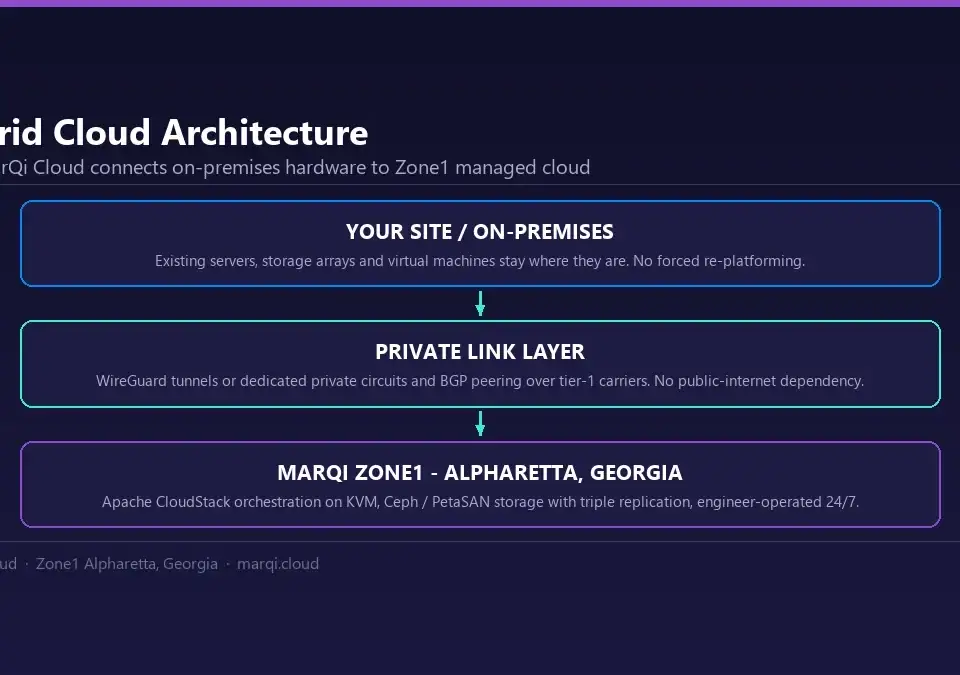
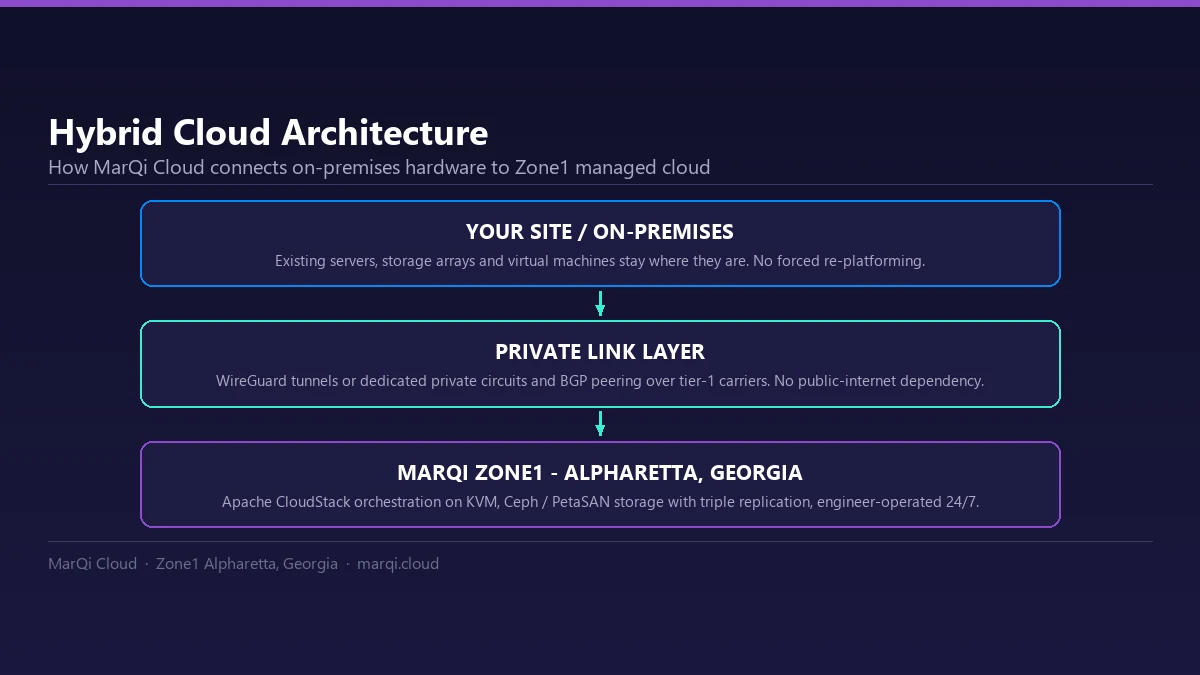
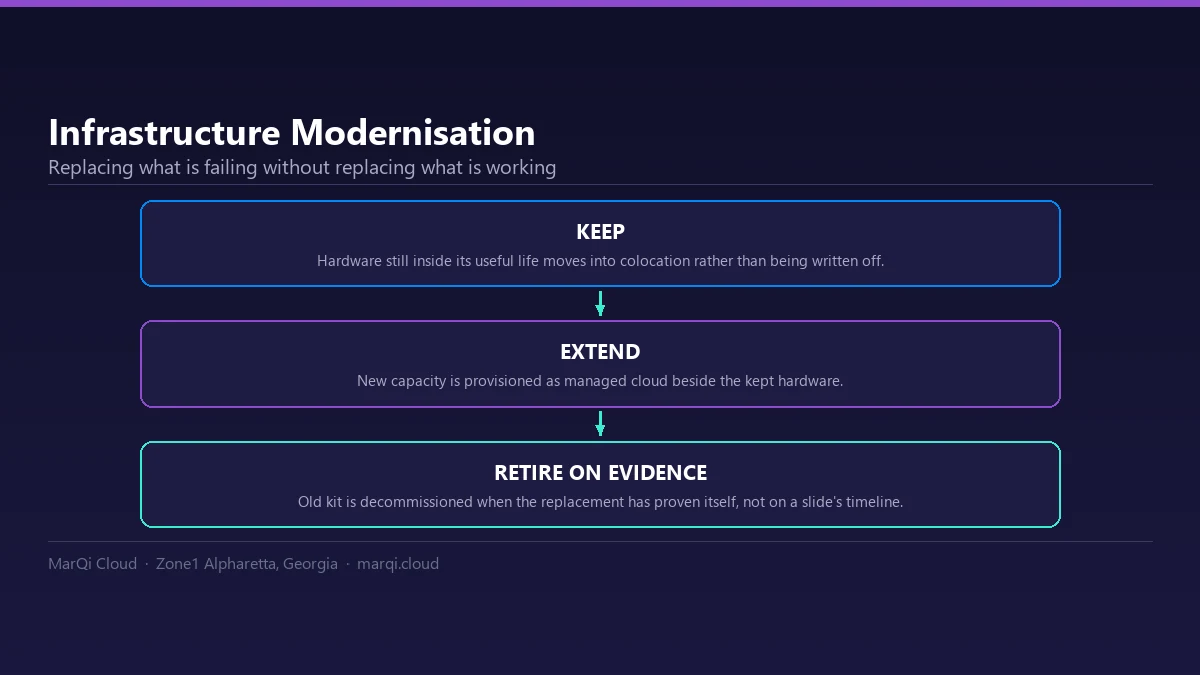
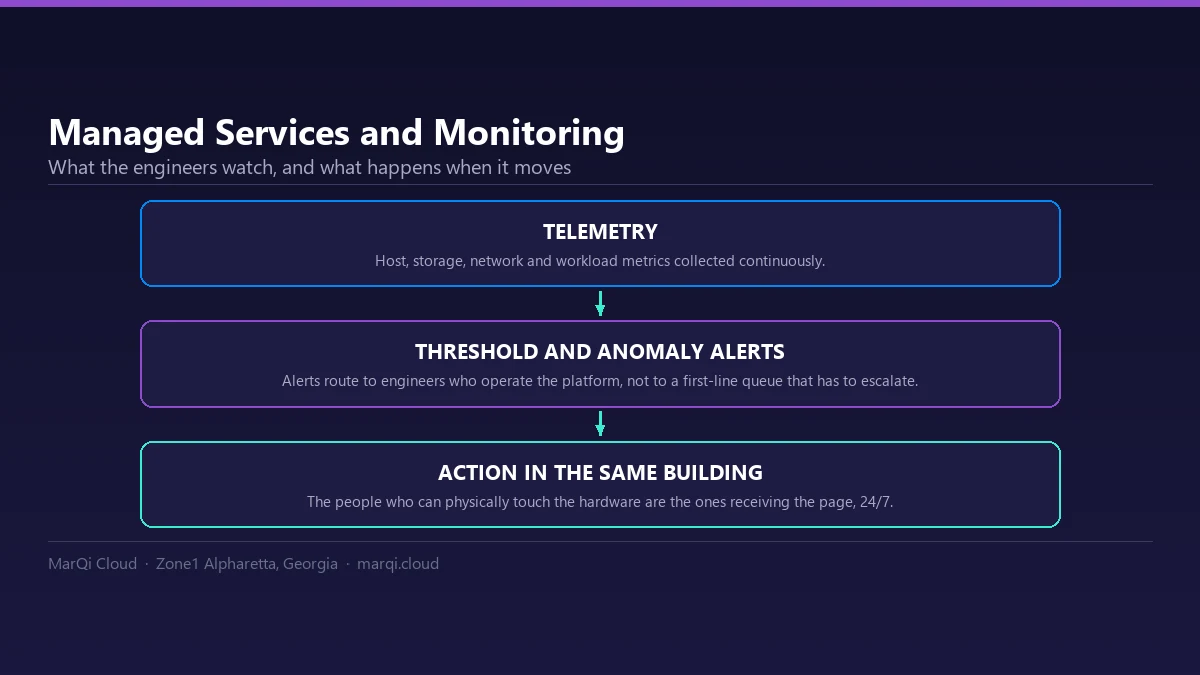
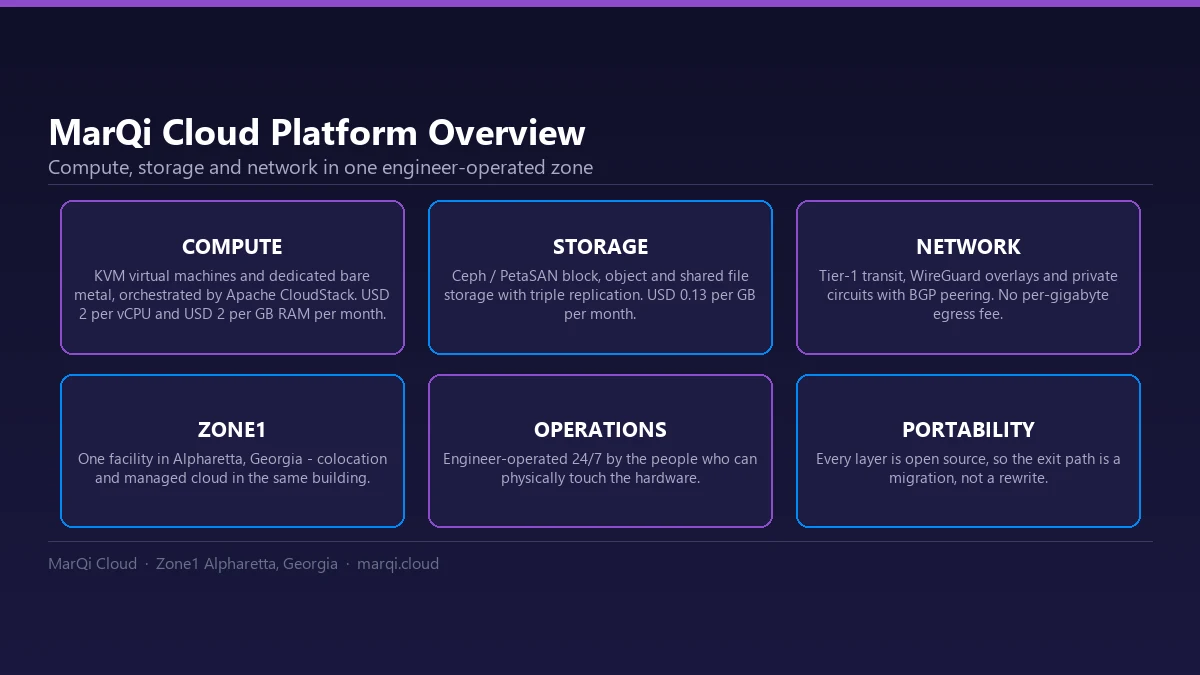
Cloud infrastructure refers to the virtualized resources that are delivered over the internet, enabling businesses to access and manage their IT resources without the need for physical hardware. MarQi Cloud offers enterprise-grade cloud infrastructure solutions, providing organizations with a range of services such as hybrid cloud deployment models, secure hosting environments, and scalable compute and storage resources.
Unlike traditional on-premise servers, which require significant upfront investment and ongoing maintenance, cloud infrastructure operates on a pay-as-you-go model. This flexibility allows businesses to scale their resources according to demand, providing a more efficient approach to resource management.
The Role of On-Premise Servers
On-premise servers involve having physical hardware located within an organization’s premises, managed and maintained by in-house IT teams. While this traditional model has been the backbone of enterprise IT for decades, it comes with its own set of challenges. Organizations must invest heavily in hardware, software, and ongoing maintenance. Additionally, on-premise servers can lead to inflexible resource allocation, often resulting in underutilization or overprovisioning.
However, some industries, particularly those with stringent regulatory requirements, may still prefer on-premise solutions due to the control they provide. For instance, healthcare organizations often need to comply with regulations like HIPAA, which may necessitate keeping sensitive data on-premises. Nevertheless, as technology evolves, cloud solutions are increasingly designed to meet these compliance standards.
Key Differences Between MarQi Cloud and On-Premise Solutions
To better understand the choices available, let’s compare MarQi Cloud Infrastructure and on-premise servers across several critical dimensions:
| Aspect | MarQi Cloud Infrastructure | On-Premise Servers |
|---|---|---|
| Cost | Pay-as-you-go, no upfront investment | High initial investment, ongoing maintenance costs |
| Scalability | Highly scalable based on demand | Limited by physical hardware capacity |
| Maintenance | Managed by the provider | Requires in-house IT team |
| Security | Advanced security protocols, compliance-focused | Control over security, but requires constant updates |
| Performance | Optimized for cloud workloads | Dependent on hardware capabilities |
Cost Analysis: Cloud vs. On-Premise
Cost is a significant factor in deciding between MarQi Cloud Infrastructure and on-premise servers. While on-premise solutions may seem cheaper in the long run, they come with hidden costs, including hardware upgrades, energy consumption, and IT personnel salaries.
MarQi Cloud’s flexible pricing models eliminate upfront costs and offer predictable monthly expenses, making budgeting easier. For example, businesses can adjust their cloud resources based on seasonal demand, resulting in cost savings during low-traffic periods. Companies can reduce IT costs by migrating to the cloud.
Scalability and Flexibility
Scalability is one of the most compelling reasons for organizations to consider cloud infrastructure. MarQi Cloud provides businesses with the ability to scale resources up or down as needed, ensuring that they only pay for what they use. This is particularly beneficial for companies experiencing rapid growth or those with fluctuating workloads.
In contrast, on-premise servers require businesses to anticipate their resource needs and invest accordingly. This often leads to overprovisioning, where organizations purchase more hardware than necessary, leading to wasted resources and higher costs.
Security and Compliance Considerations
Security is a top concern for businesses, especially those handling sensitive data. MarQi Cloud prioritizes security with advanced measures such as data encryption, access controls, and regular security audits. Additionally, MarQi Cloud’s infrastructure is designed to meet various compliance standards, making it a suitable choice for industries with strict regulatory requirements.
On-premise servers offer organizations complete control over their security protocols, which can be beneficial for compliance-focused industries. However, maintaining security in-house requires ongoing effort and investment in the latest security technologies. Moreover, the burden of compliance often falls entirely on the organization, which can be overwhelming for smaller teams.
Performance and Reliability
Performance is critical for any IT infrastructure, and cloud solutions like MarQi Cloud are optimized for high availability and reliability. With multiple data centers across the United States, MarQi Cloud can deliver low-latency connections and redundancy, ensuring that your applications remain online.
On-premise servers, while capable of providing high performance, are limited by their hardware. If a server fails, it can lead to downtime and lost revenue. Moreover, the responsibility of maintaining performance, including hardware upgrades and replacements, falls entirely on the organization.
Future-Proofing Your Infrastructure
As technology continues to evolve, businesses must ensure their infrastructure can adapt to future demands. MarQi Cloud’s infrastructure is built with the latest technologies, allowing organizations to leverage innovations like AI, machine learning, and big data analytics without the need for significant hardware investments.
In contrast, on-premise servers may struggle to keep pace with technological advancements. Regular hardware upgrades can be costly and time-consuming, hindering organizations’ ability to innovate. By choosing MarQi Cloud, businesses can future-proof their operations and stay competitive in an ever-changing landscape.
Conclusion
In 2026, the choice between MarQi Cloud Infrastructure and on-premise servers will depend on various factors, including cost, scalability, security, and future-proofing. While on-premise servers may still hold value for specific industries, the advantages of cloud infrastructure are becoming increasingly compelling. MarQi Cloud offers a flexible, secure, and scalable solution that can adapt to the needs of modern businesses.
To learn more about how MarQi Cloud can transform your organization’s infrastructure, visit our solutions page or contact us at info@marqi.cloud.
FAQs
1. What is the main difference between cloud infrastructure and on-premise servers?
The main difference lies in ownership and management. Cloud infrastructure is managed by a third-party provider and accessed over the internet, while on-premise servers are owned and managed by the organization.
2. Is cloud infrastructure more secure than on-premise servers?
Cloud infrastructure can be more secure due to advanced security measures implemented by providers. However, on-premise servers offer organizations complete control over their security protocols.
3. How can I determine if my business needs to move to the cloud?
Evaluate your current infrastructure costs, scalability needs, and security requirements. If you anticipate growth or require flexibility, cloud solutions may be beneficial.
4. What industries benefit most from cloud infrastructure?
Industries such as healthcare, finance, and technology can benefit significantly from cloud infrastructure due to its scalability, security, and compliance capabilities.
5. How does MarQi Cloud ensure compliance with regulations?
MarQi Cloud adheres to various compliance standards by implementing strict security measures and regularly auditing its infrastructure.
6. Can I migrate my existing applications to MarQi Cloud?
Yes, MarQi Cloud offers cloud migration services to help businesses transition their applications smoothly.
7. What are the cost implications of switching from on-premise to cloud?
Switching to the cloud can reduce overall IT costs by eliminating upfront hardware investments and allowing for flexible, pay-as-you-go pricing.
8. What is the future of cloud infrastructure?
The future of cloud infrastructure is expected to focus on further advancements in AI, machine learning, and edge computing, making it an integral part of IT strategy for businesses.