Dedicated GPU Hosting for Stable Diffusion in Georgia: The Ultimate Guide
March 14, 2026Why Local Data Centers Beat Hyperscalers for AI
March 14, 2026
Maximizing AI Performance: The Benefits of Model Fine-Tuning on Bare Metal Servers
In today’s fast-paced digital landscape, artificial intelligence (AI) is becoming a cornerstone for businesses looking to innovate and optimize their operations. One of the critical aspects of deploying AI effectively is model fine-tuning, which enhances machine learning models to perform better in specific tasks. This article explores the intricacies of AI model fine-tuning on bare metal servers, highlighting the advantages, challenges, and best practices for achieving optimal results.
Understanding AI Model Fine-Tuning
AI model fine-tuning is a process where a pre-trained machine learning model is adapted to a specific dataset or task. This approach allows businesses to leverage existing models, reducing the time and resources required for training from scratch. Fine-tuning enhances the model’s performance by adjusting its parameters, thereby improving accuracy and relevance in real-world applications.
The Importance of Fine-Tuning
Fine-tuning is essential for various reasons:
- Efficiency: Fine-tuning saves time and computational resources by building on existing models.
- Performance: Tailoring models to specific tasks leads to improved accuracy and effectiveness.
- Adaptability: Fine-tuning allows businesses to adapt models to changes in data and evolving requirements.
Why Choose Bare Metal Servers for AI Model Fine-Tuning?
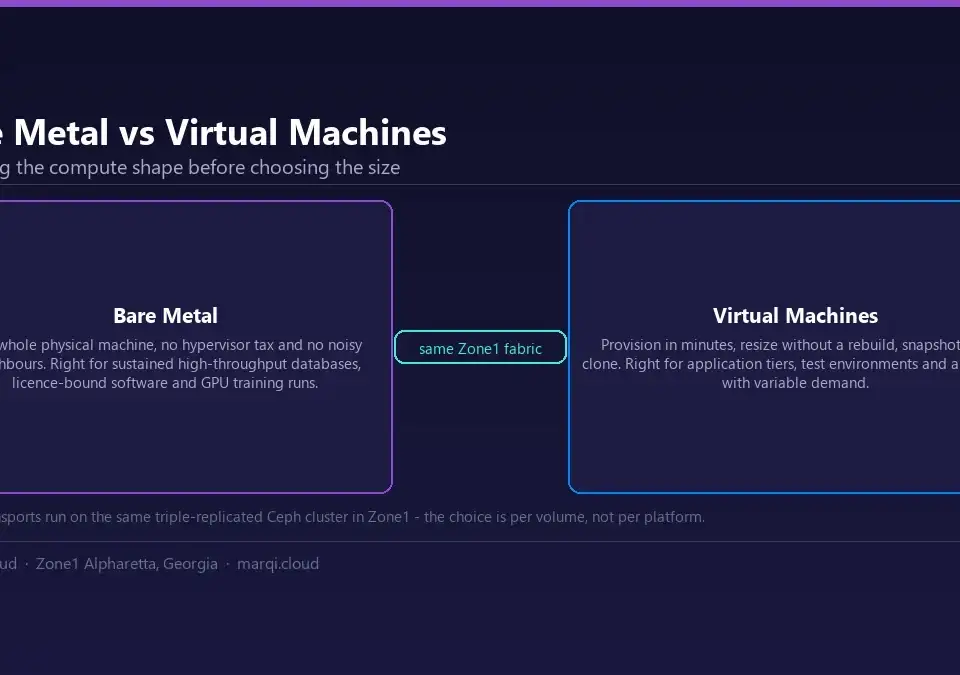
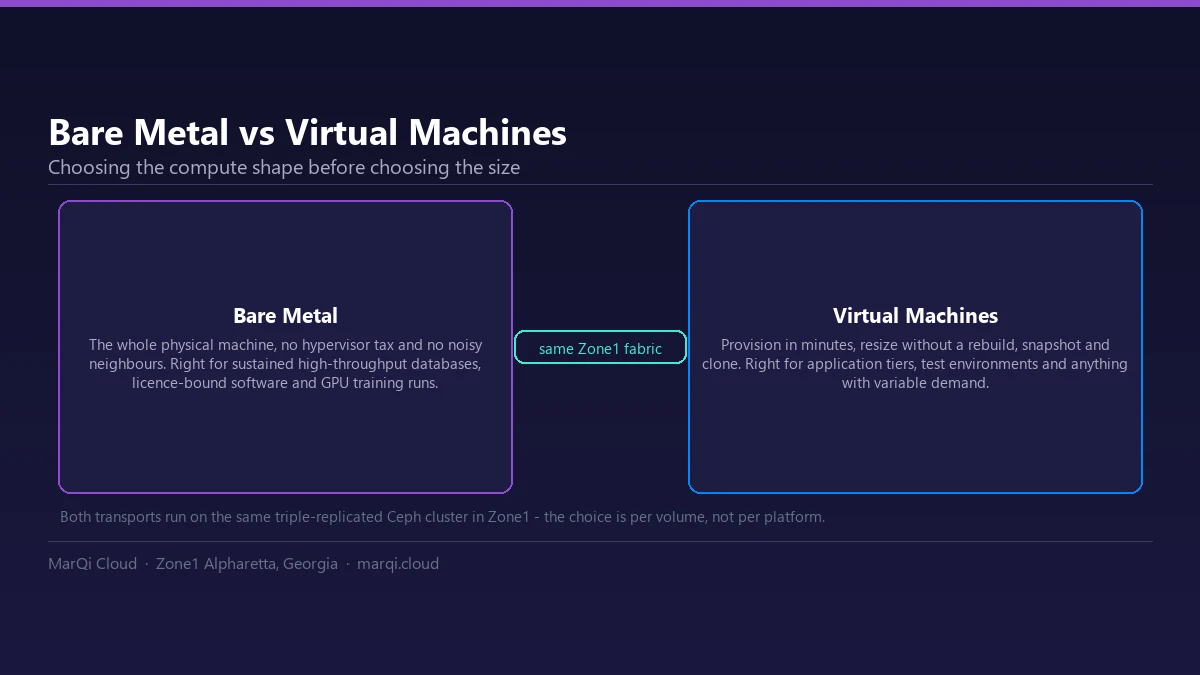
While various computing environments are available for AI model fine-tuning, bare metal servers present unique advantages. Bare metal servers are physical machines dedicated to a single user, providing full control over hardware and software resources.
Performance
One of the most significant advantages of using bare metal servers for AI is performance. These servers are optimized for high computational tasks, offering:
- Dedicated Resources: Unlike virtualized environments, bare metal servers do not share resources with other users, ensuring maximum performance.
- High Processing Power: With powerful CPUs and GPUs, bare metal servers can handle intensive computations required for training AI models.
Customizability
Bare metal servers allow for extensive customization, enabling organizations to configure hardware and software according to their specific needs. This flexibility is crucial for:
- Optimized Performance: Tailoring the server environment can lead to better performance tailored to the specific requirements of the AI model.
- Scalability: As the demands of AI workloads grow, organizations can upgrade their bare metal servers more easily compared to virtualized environments.
Security
Data security is paramount in AI applications. Bare metal servers provide enhanced security features:
- Isolation: With no other tenants on the server, organizations reduce the risk of data breaches.
- Control: Businesses can implement their security protocols and compliance measures more effectively on dedicated servers.
Best Practices for Fine-Tuning AI Models on Bare Metal Servers
To maximize the benefits of fine-tuning AI models on bare metal servers, organizations should consider the following best practices:
1. Select the Right Hardware
Choosing the appropriate hardware is critical. For AI workloads, prioritize powerful CPUs and GPUs, adequate RAM, and fast storage solutions. Consider the specifics of the AI models being used and their resource requirements.
2. Optimize Software Configuration
Ensure that the software stack is optimized for performance. This includes using the latest frameworks, libraries, and drivers that support AI workloads. Regular updates can also enhance speed and security.
3. Monitor Resource Utilization
Implement monitoring tools to track resource usage during the fine-tuning process. Identifying bottlenecks allows organizations to make necessary adjustments to optimize performance.
4. Implement Version Control
As models evolve, maintain version control to track changes. This practice helps in managing experiments and understanding the impacts of different fine-tuning approaches.
5. Conduct Regular Testing
Regularly test the fine-tuned models against validation datasets to ensure they meet performance expectations. This practice helps catch issues early and allows for iterative improvements.
Challenges of Fine-Tuning on Bare Metal Servers
While bare metal servers offer numerous advantages, there are challenges that organizations may face:
1. Initial Setup Costs
Investing in bare metal servers can be costly upfront. Organizations must weigh these costs against the long-term benefits of enhanced performance and security.
2. Maintenance and Management
Managing a bare metal server requires technical expertise. Businesses may need to invest in skilled personnel to ensure optimal server management.
3. Scalability Limits
While bare metal servers are scalable, they require manual intervention for upgrades or provisioning additional servers, which can slow down the process compared to cloud solutions.
Conclusion
AI model fine-tuning on bare metal servers presents a compelling solution for organizations seeking to leverage AI effectively. The performance, customizability, and security of bare metal environments make them ideal for intensive AI workloads. By following best practices and addressing the associated challenges, businesses can maximize the benefits of AI and ensure that their models perform at peak efficiency, driving innovation and growth.
FAQ
1. What is AI model fine-tuning?
AI model fine-tuning is the process of adapting a pre-trained machine learning model to a specific dataset or task, enhancing its performance and accuracy.
2. Why should I use bare metal servers for AI?
Bare metal servers provide dedicated resources, high processing power, customizability, and enhanced security, making them ideal for AI model fine-tuning.
3. What are the key advantages of fine-tuning an AI model?
Fine-tuning saves time, increases performance, and enhances adaptability to specific tasks or data changes.
4. How do I select the right hardware for AI workloads?
Choose powerful CPUs and GPUs, adequate RAM, and fast storage solutions tailored to the resource requirements of the specific AI models being used.
5. What software optimizations should I consider?
Use the latest AI frameworks, libraries, and drivers, and ensure regular updates for optimal performance and security.
6. How can I monitor resource utilization during fine-tuning?
Implement monitoring tools that track CPU, GPU, RAM, and storage usage to identify bottlenecks and optimize performance.
7. Why is version control important in AI model fine-tuning?
Version control helps manage experiments, track changes, and understand the impacts of different fine-tuning approaches on model performance.
8. What challenges might I face with bare metal servers?
Challenges include initial setup costs, the need for technical expertise for maintenance and management, and potential scalability limits compared to cloud solutions.