Maximizing AI Performance: The Benefits of Model Fine-Tuning on Bare Metal Servers
March 14, 2026
Atlanta-Based Cloud vs National Providers: Speed Test Results
March 14, 2026
Why Local Data Centers Beat Hyperscalers for AI
In recent years, artificial intelligence (AI) has emerged as a transformative technology, reshaping industries and driving innovation across the globe. As businesses increasingly turn to AI to gain a competitive edge, the demand for robust computing resources has surged. This has sparked a debate among organizations about the best infrastructure to support their AI initiatives: local data centers or hyperscale cloud providers. While hyperscalers like Amazon Web Services (AWS), Google Cloud Platform (GCP), and Microsoft Azure offer extensive resources and scalability, local data centers present unique advantages that can better serve specific AI needs.
The Rise of AI and the Need for Infrastructure
AI applications require substantial computational power, particularly for tasks like machine learning, deep learning, and real-time data processing. As businesses embark on their AI journeys, they face critical decisions regarding infrastructure. The choice between leveraging local data centers or opting for hyperscalers can significantly impact the performance, security, and cost-effectiveness of AI deployments.
Understanding Hyperscalers
Hyperscalers are massive cloud service providers that operate on a global scale. They offer vast pools of computing resources, enabling organizations to scale their operations quickly without investing heavily in physical infrastructure. However, while hyperscalers provide flexibility and extensive capabilities, they also come with certain limitations.
Advantages of Hyperscalers
- Scalability: Hyperscalers can quickly scale resources up or down based on demand, allowing businesses to handle fluctuating workloads.
- Global Reach: With data centers located around the world, hyperscalers enable businesses to deploy applications globally, reducing latency for end-users.
- Cost-Effectiveness: The pay-as-you-go pricing model allows organizations to access advanced technologies without significant upfront costs.
Disadvantages of Hyperscalers
- Data Privacy Concerns: Storing sensitive data on third-party servers may raise concerns regarding compliance and data protection.
- Latency Issues: While hyperscalers have global reach, latency can still be an issue for real-time AI applications that require immediate processing.
- Vendor Lock-In: Businesses may find it challenging to migrate away from a hyperscaler once they have heavily invested in their ecosystem.
The Case for Local Data Centers
Local data centers, in contrast, are facilities owned and operated by businesses or third-party providers that serve specific regions or local markets. These data centers can offer compelling advantages for organizations focused on AI.
1. Enhanced Data Security and Compliance
For many organizations, particularly those in regulated industries like healthcare and finance, data security and compliance are paramount. Local data centers provide businesses with greater control over their data, ensuring that sensitive information remains within their geographic jurisdiction. This can help organizations meet legal and regulatory requirements while minimizing the risk of data breaches.
2. Reduced Latency
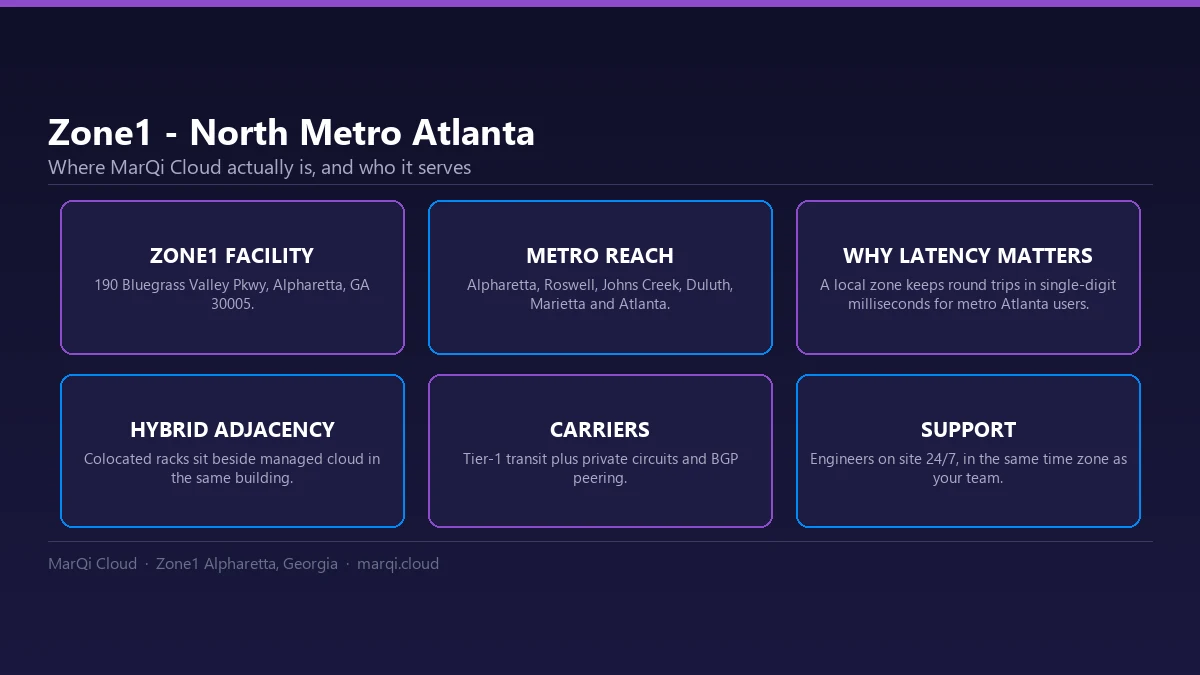
AI applications often require real-time processing capabilities to deliver optimal performance. Local data centers, situated closer to end-users, can significantly reduce latency, enabling faster data access and processing. This is particularly important for applications such as autonomous vehicles, real-time fraud detection, and smart manufacturing, where delays can lead to suboptimal outcomes.
3. Tailored Infrastructure Solutions
Local data centers can provide customized infrastructure solutions that align with specific business needs. Organizations can choose the hardware, software, and configurations that best support their AI workloads. This level of customization is often challenging to achieve with hyperscalers, where resources are standardized to accommodate a broad range of customers.
4. Predictable Pricing Models
Cost predictability is a significant advantage of local data centers. Unlike hyperscalers that charge based on usage, which can lead to unpredictable bills, local data centers typically offer fixed pricing models. This allows organizations to budget more effectively and avoid unexpected costs associated with fluctuating demand.
5. Business Continuity and Disaster Recovery
Local data centers can better support business continuity and disaster recovery initiatives. Organizations can implement tailored backup solutions and strategies that cater to their specific needs, ensuring that their AI applications remain operational even in the face of unforeseen disruptions. This is particularly crucial for businesses that rely heavily on AI for mission-critical operations.
6. US-Based Infrastructure and Support
For organizations operating in the United States, having US-based infrastructure and support can be a considerable advantage. Local data centers are often staffed with personnel who understand the regional market and can provide timely assistance. This localized support can enhance operational efficiency and responsiveness, enabling organizations to address issues as they arise.
Use Cases: When to Choose Local Data Centers for AI
While hyperscalers may be suitable for certain applications, there are specific use cases where local data centers excel:
1. Industries with Strict Compliance Requirements
Organizations in healthcare, finance, and government sectors often face stringent compliance regulations. Local data centers can provide the necessary security and control to meet these requirements effectively.
2. AI Applications Requiring Real-Time Processing
For applications such as autonomous driving, IoT device management, and real-time analytics, low latency is crucial. Local data centers can deliver the performance needed for these critical applications.
3. Businesses Seeking Custom Solutions
Companies with unique workloads or specialized applications may benefit from the tailored solutions offered by local data centers, allowing them to optimize their AI performance.
4. Organizations Focused on Cost Predictability
Businesses that prefer fixed pricing models to avoid the unpredictability of usage-based billing may find local data centers more appealing.
Conclusion
As AI continues to evolve and reshape industries, the choice of infrastructure becomes increasingly critical. While hyperscalers offer scalability and global reach, local data centers present compelling advantages that can better address specific AI needs. From enhanced data security and reduced latency to tailored solutions and predictable pricing, local data centers are positioned to support businesses in their AI endeavors effectively.
Frequently Asked Questions (FAQ)
1. What are hyperscalers?
Hyperscalers are large cloud service providers that offer vast computing resources and services globally, allowing businesses to scale operations quickly.
2. How do local data centers differ from hyperscalers?
Local data centers provide personalized infrastructure solutions, enhanced data security, and reduced latency, while hyperscalers offer extensive scalability and global reach.
3. Why is data security important for AI applications?
AI applications often handle sensitive data, making data security crucial for compliance and protecting against data breaches.
4. Can local data centers support AI applications effectively?
Yes, local data centers can provide the necessary infrastructure, security, and performance required for successful AI implementations.
5. What is latency, and why does it matter for AI?
Latency refers to the delay in data processing and transmission. In AI applications, low latency is vital for real-time decision-making and responsiveness.
6. How can organizations ensure business continuity with AI?
Organizations can implement tailored backup solutions and disaster recovery strategies within local data centers to ensure continuous operation of AI applications.
7. Are local data centers more cost-effective than hyperscalers?
While it depends on the specific use case, local data centers often offer predictable pricing models, which can be more cost-effective for certain businesses.
8. What industries benefit most from local data centers for AI?
Industries with strict compliance regulations, such as healthcare and finance, along with businesses requiring real-time processing, benefit significantly from local data centers.