AI Infrastructure for E-commerce in Georgia: Empowering Businesses for Success
March 22, 2026
Atlanta AI Compute Market Outlook 2027: Trends, Challenges, and Opportunities
March 22, 2026
Maximizing Performance: GPU Hosting for Blockchain AI Projects
In the ever-evolving landscape of technology, the convergence of blockchain and artificial intelligence (AI) presents exciting opportunities for innovation. As organizations seek to harness the power of these technologies, GPU hosting emerges as a critical component in ensuring optimal performance for blockchain AI projects. In this article, we will explore the benefits, considerations, and best practices of utilizing GPU hosting within this unique intersection of technologies.
Understanding GPU Hosting
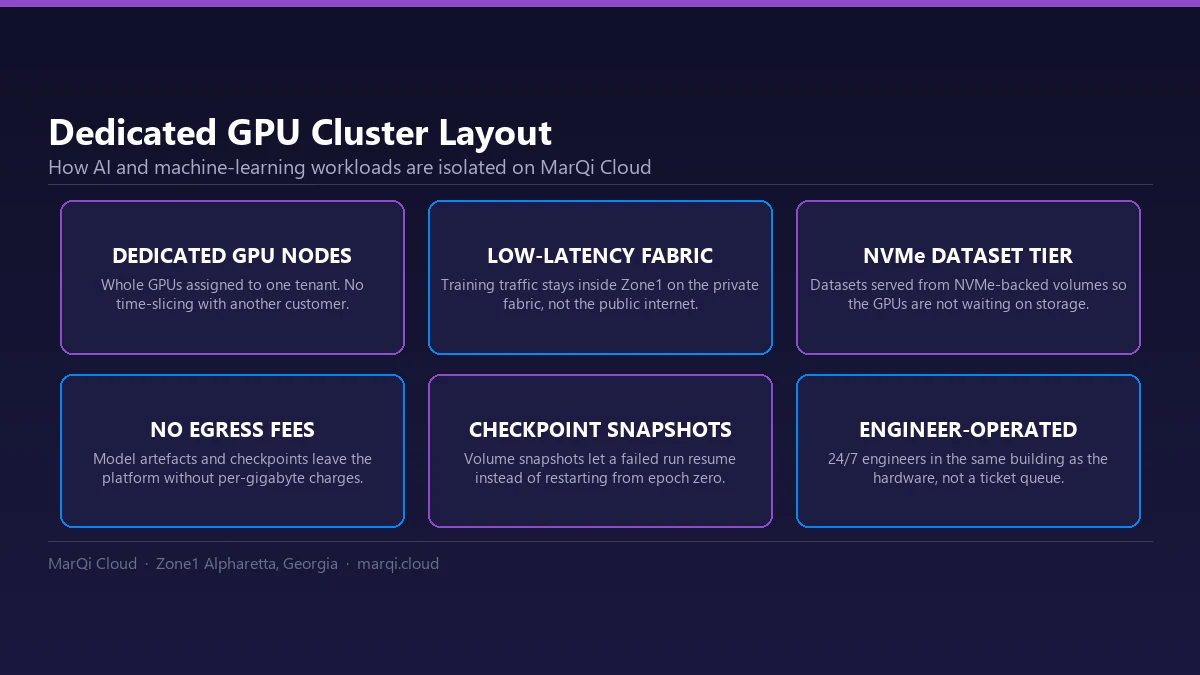
Graphics Processing Units (GPUs) are specialized hardware designed to accelerate the processing of complex calculations and rendering tasks. Unlike traditional Central Processing Units (CPUs), which are optimized for sequential processing, GPUs excel in parallel processing, making them ideal for tasks that require handling vast amounts of data simultaneously. In the context of blockchain AI projects, GPU hosting refers to the deployment of applications and workloads on servers equipped with powerful GPUs to enhance computational efficiency and speed.
The Role of GPU Hosting in Blockchain AI
Blockchain technology and AI are both data-intensive fields that require robust computational resources. Integrating these technologies can lead to advancements in various sectors, including finance, healthcare, and supply chain management. GPU hosting plays a pivotal role in this integration by providing the necessary power to process large datasets efficiently, execute complex algorithms, and enable real-time insights.
Benefits of GPU Hosting for Blockchain AI Projects
1. Enhanced Computational Power
GPU hosting offers significantly higher computational capabilities compared to traditional CPU-based hosting. This power is crucial for executing sophisticated AI algorithms, training machine learning models, and processing transactions on blockchain networks. With the ability to handle multiple operations simultaneously, GPUs can significantly reduce the time required for data processing and analysis.
2. Improved Performance for Machine Learning
Machine learning, a subset of AI, involves training models on large datasets to identify patterns and make predictions. GPU hosting accelerates this process, enabling faster training times and improved model accuracy. The ability to quickly iterate on model training is particularly beneficial in the dynamic environments of blockchain applications.
3. Scalability and Flexibility
As blockchain AI projects evolve, so do their computational needs. GPU hosting provides scalable solutions that can adapt to changing workloads. Organizations can easily upgrade their GPU resources to accommodate increased data processing demands without significant downtime or investment in physical infrastructure.
4. Cost-Effectiveness
While the initial investment in GPU hosting may seem high, the long-term cost savings can be substantial. By leveraging cloud-based GPU hosting solutions, organizations can avoid the expenses associated with purchasing and maintaining physical hardware. Flexible pricing models allow businesses to pay only for the resources they use, making GPU hosting a cost-effective choice.
5. Enhanced Security and Compliance
With data privacy and security being paramount in both blockchain and AI applications, GPU hosting providers often implement robust security measures. By choosing a reputable hosting provider, organizations can ensure that their data is protected, compliant with regulations, and hosted in a secure environment.
Choosing the Right GPU Hosting Provider
When selecting a GPU hosting provider for blockchain AI projects, several factors should be considered:
1. Infrastructure Quality
Look for providers that offer enterprise-grade cloud infrastructure with high-performance GPUs. The quality of the infrastructure can significantly impact the performance and reliability of your applications.
2. Support and Expertise
A knowledgeable support team can provide invaluable assistance when deploying and managing GPU resources. Ensure that the provider offers US-based support to address any issues promptly.
3. Customization Options
Every blockchain AI project is unique. Choose a provider that allows for customization in terms of GPU configurations, storage options, and other critical resources to tailor the hosting environment to your specific needs.
4. Business Continuity Solutions
Disaster recovery and business continuity are essential for maintaining operations in the event of unexpected disruptions. Ensure that your GPU hosting provider has robust solutions in place to safeguard your data and applications.
Best Practices for Deploying GPU Hosting in Blockchain AI Projects
1. Optimize Your Workloads
Before deploying your applications, analyze and optimize your workloads to ensure that they are designed to take full advantage of GPU capabilities. This may involve modifying algorithms, refactoring code, or employing specific libraries optimized for GPU processing.
2. Monitor Performance
Implement monitoring tools to track the performance of your GPU-hosted applications. This will help you identify bottlenecks, optimize resource allocation, and ensure that your projects are running efficiently.
3. Stay Updated with Technology Trends
The fields of blockchain and AI are rapidly evolving. Stay informed about the latest advancements in GPU technology, machine learning frameworks, and blockchain protocols to ensure that your projects remain competitive and efficient.
4. Collaborate with Experts
Consider partnering with professionals who have experience in both blockchain and AI technologies. Their expertise can provide valuable insights and guidance throughout the deployment and management of GPU hosting solutions.
Conclusion
GPU hosting is a powerful enabler for blockchain AI projects, providing the computational power, scalability, and flexibility needed to drive innovation. By understanding the benefits, choosing the right provider, and implementing best practices, organizations can maximize the performance of their projects and unlock new opportunities in this exciting technological landscape.
FAQs
1. What is GPU hosting?
GPU hosting refers to the deployment of applications on servers equipped with Graphics Processing Units (GPUs) to enhance computational efficiency, particularly for data-intensive tasks like AI and blockchain.
2. How does GPU hosting benefit AI projects?
GPU hosting accelerates machine learning model training, improves performance for complex calculations, and enables real-time data processing, making it ideal for AI projects.
3. Can GPU hosting be cost-effective?
Yes, while the initial investment may be high, GPU hosting can save costs in the long run by eliminating the need for physical hardware and providing flexible pricing models.
4. What should I look for in a GPU hosting provider?
Look for enterprise-grade infrastructure, knowledgeable support, customization options, and robust business continuity solutions when choosing a GPU hosting provider.
5. Is GPU hosting suitable for blockchain projects?
Yes. GPU hosting enhances the performance of blockchain applications through faster transaction processing and improved data analytics.
6. How does scalability work in GPU hosting?
GPU hosting allows organizations to easily scale their resources up or down based on workload demands without significant downtime or capital investment.
7. What security measures should I expect from a GPU hosting provider?
Reputable GPU hosting providers implement robust security protocols, including data encryption, access controls, and compliance with regulations to protect your data.
8. Can I customize my GPU hosting environment?
Yes, many GPU hosting providers offer customization options to tailor the hosting environment to meet the specific needs of your project.
9. How do I optimize my workloads for GPU hosting?
Optimize your workloads by analyzing performance, modifying algorithms, and using libraries designed for GPU processing to ensure efficient resource utilization.
10. How can I stay updated with advancements in GPU technology?
Follow industry news, attend conferences, and engage with online communities to stay informed about the latest trends and advancements in GPU technology for AI and blockchain.