How MarQi Cloud Resource Pools Let You Control Every Dollar of Cloud Spend
June 4, 2026
What Is a Cloud Resource Pool and Why MarQi Cloud’s Model Is Smarter
June 4, 2026

Multi-Cloud vs Hybrid Cloud: Key Differences Explained
As organizations continue modernizing their IT infrastructure, cloud adoption strategies have become more diverse. Two terms that are frequently mentioned—but often confused—are Multi-Cloud and Hybrid Cloud.
While both approaches involve using more than one environment, they serve different purposes and solve different business challenges. Understanding these differences is essential when planning cloud infrastructure, application deployment, disaster recovery, and long-term scalability.
In this guide, we’ll explain how Multi-Cloud and Hybrid Cloud environments work, their advantages and limitations, and how to determine which model best fits your organization’s needs.
What Is a Multi-Cloud Strategy?
A Multi-Cloud strategy involves using services from multiple cloud providers simultaneously.
For example, a company might use:
- AWS for compute workloads
- Microsoft Azure for identity management
- Google Cloud for analytics
- A specialized cloud provider for storage or AI workloads
The goal is to leverage the strengths of different providers while reducing dependency on a single vendor.
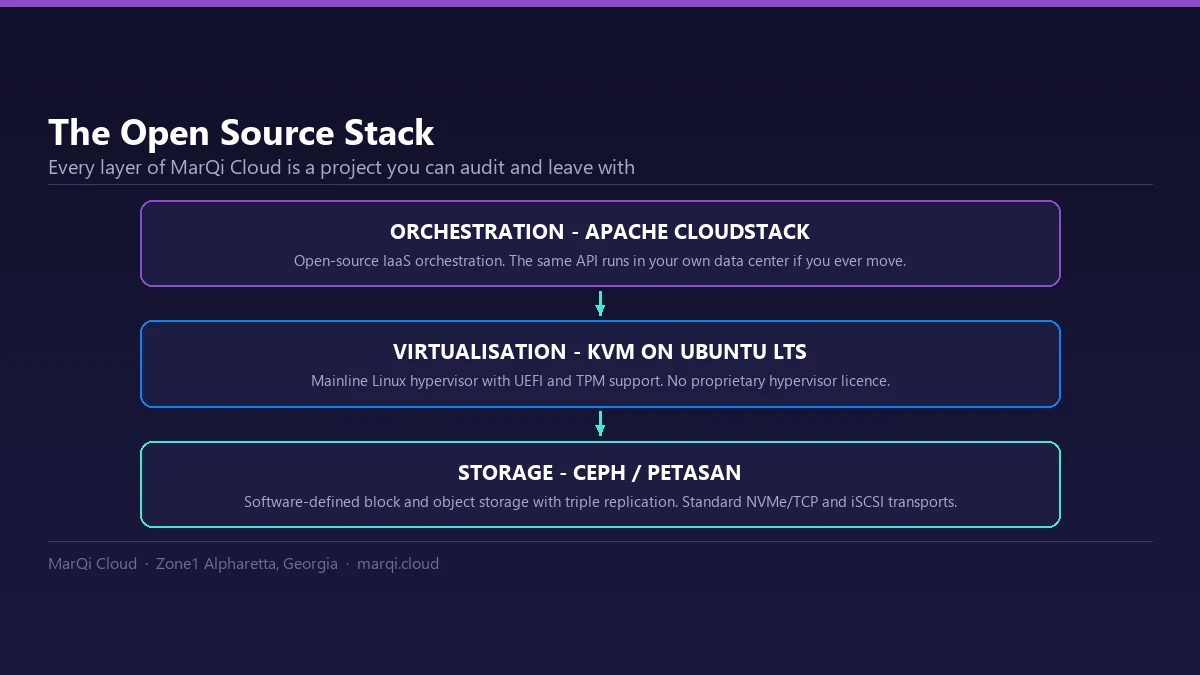
Organizations running modern applications often combine Multi-Cloud deployments with cloud-native application development services to create portable and scalable workloads.
What Is a Hybrid Cloud Strategy?
A Hybrid Cloud strategy combines private infrastructure with public cloud resources.
In a Hybrid Cloud environment, workloads can run across:
- Private cloud infrastructure
- On-premises systems
- Colocation facilities
- Public cloud platforms
This approach allows organizations to keep sensitive workloads in private environments while using public cloud resources when additional capacity is needed.
Many businesses choose hybrid cloud infrastructure solutions to balance flexibility, performance, compliance requirements, and cost management.
Multi-Cloud vs Hybrid Cloud: The Main Difference
The biggest distinction is simple:
Multi-Cloud
Uses multiple public cloud providers.
Example:
- AWS
- Azure
- Google Cloud
Hybrid Cloud
Combines private infrastructure and public cloud resources.
Example:
- Private cloud
- Dedicated infrastructure
- Public cloud platform
A Hybrid Cloud environment can also be Multi-Cloud if it includes multiple public cloud providers alongside private infrastructure.
Why Organizations Choose Multi-Cloud
Vendor Independence
Many organizations want to avoid becoming dependent on a single cloud provider.
Using multiple providers allows teams to:
- Reduce vendor lock-in
- Increase negotiating flexibility
- Select best-in-class services
Service Optimization
Different providers excel in different areas.
For example:
- One cloud may offer stronger AI services
- Another may provide better analytics tools
- Another may offer lower-cost storage
This allows businesses to select the most appropriate service for each workload.
Geographic Reach
Multi-Cloud environments can improve global availability by distributing workloads across multiple cloud regions and providers.
Why Organizations Choose Hybrid Cloud
Data Control
Some workloads require greater control due to:
- Regulatory requirements
- Compliance standards
- Security policies
- Data sovereignty rules
Hybrid Cloud enables organizations to keep sensitive workloads on private infrastructure.
Predictable Performance
Public cloud environments are shared resources.
Hybrid Cloud allows businesses to run critical applications on dedicated infrastructure while still leveraging cloud flexibility.
Organizations often deploy mission-critical workloads on cloud infrastructure solutions designed for consistent performance and resource allocation.
Cost Management
Hybrid Cloud helps organizations avoid paying public cloud premiums for every workload.
Applications with predictable resource usage often run more efficiently on dedicated infrastructure.
Architecture Comparison
Multi-Cloud Architecture
A typical Multi-Cloud architecture may include:
- AWS compute resources
- Azure identity services
- Google Cloud analytics
- Third-party storage services
Each platform operates independently while sharing data and workloads.
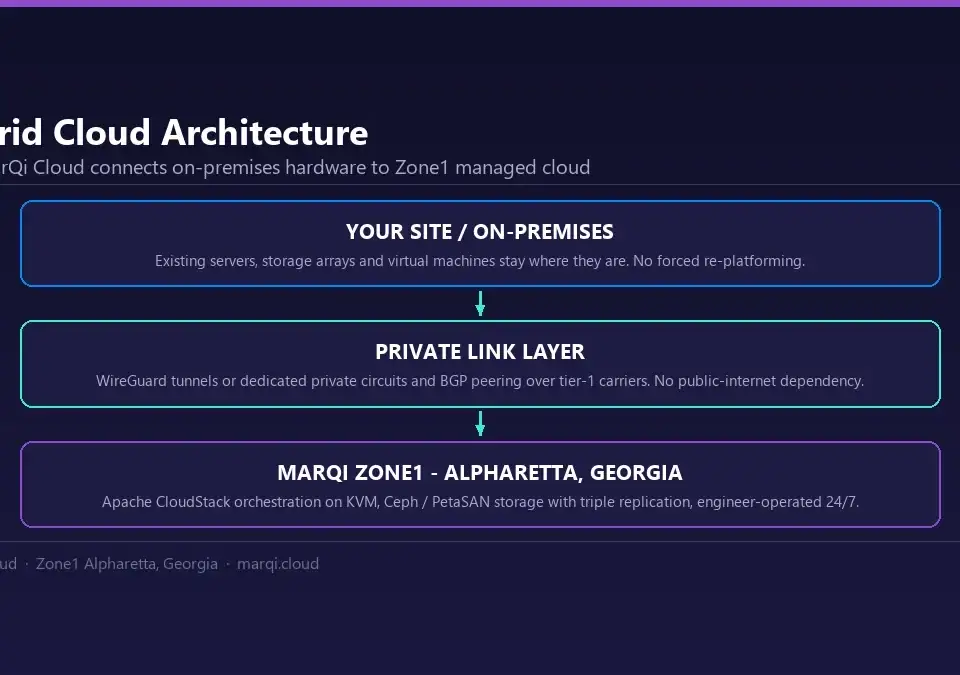
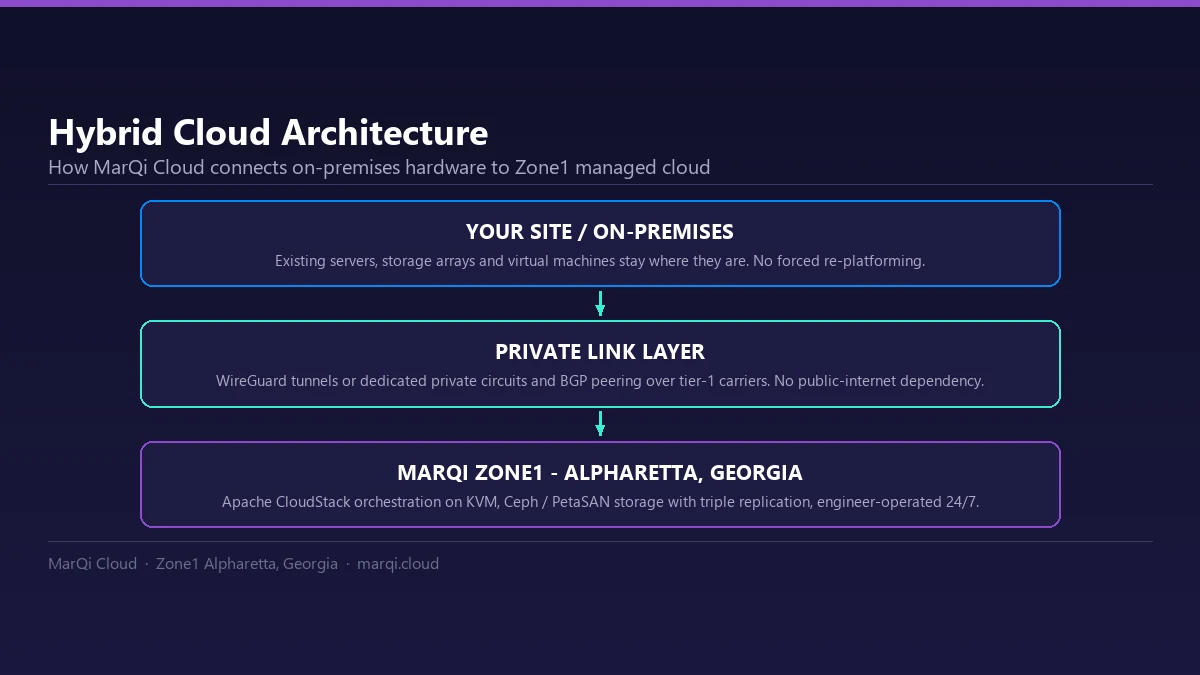
Hybrid Cloud Architecture
A Hybrid Cloud architecture may include:
- Private cloud environment
- Dedicated servers
- Colocation infrastructure
- Public cloud resources
These environments are integrated and often operate as a unified platform.
Organizations frequently rely on private circuits and peering connectivity to create low-latency communication between private and public cloud resources.
Security Considerations
Multi-Cloud Security
Security can become more complex because each cloud provider has:
- Different policies
- Different management tools
- Different security models
Teams must manage multiple environments consistently.
Hybrid Cloud Security
Hybrid Cloud allows organizations to maintain direct control over sensitive systems while extending less-sensitive workloads into public cloud environments.
This approach is often preferred by businesses operating in regulated industries.
Performance and Latency
Performance is a major consideration when selecting a cloud strategy.
Multi-Cloud
Because workloads are spread across multiple providers, data transfer between platforms can introduce:
- Additional latency
- Data movement costs
- Networking complexity
Hybrid Cloud
Hybrid Cloud environments can achieve lower latency when designed properly.
A strong enterprise network fabric architecture helps connect private infrastructure and cloud resources efficiently while maintaining predictable performance.
Storage Considerations
Storage requirements vary significantly depending on workload type.
Multi-Cloud Storage
Challenges include:
- Data synchronization
- Storage compatibility
- Cross-cloud transfers
Hybrid Cloud Storage
Hybrid environments often allow organizations to maintain centralized storage while extending compute resources to public clouds.
Many organizations implement an enterprise cloud storage architecture to support high-performance applications, backups, and disaster recovery strategies.
AI and Machine Learning Workloads
AI workloads often require:
- Large datasets
- High-performance storage
- Dedicated GPU resources
Multi-Cloud AI
Multi-Cloud environments may allow teams to utilize specialized AI services from different providers.
Hybrid Cloud AI
Hybrid Cloud provides greater control over infrastructure costs and performance.
Organizations training large models frequently deploy dedicated GPU infrastructure for AI and machine learning rather than relying entirely on public cloud resources.
Cost Comparison
Multi-Cloud Costs
Potential advantages:
- Access to competitive pricing
- Service optimization
Potential disadvantages:
- Data transfer fees
- Operational complexity
- Multiple billing systems
Hybrid Cloud Costs
Potential advantages:
- Better workload placement
- Lower long-term infrastructure costs
- Predictable resource allocation
Potential disadvantages:
- Infrastructure ownership costs
- Management requirements
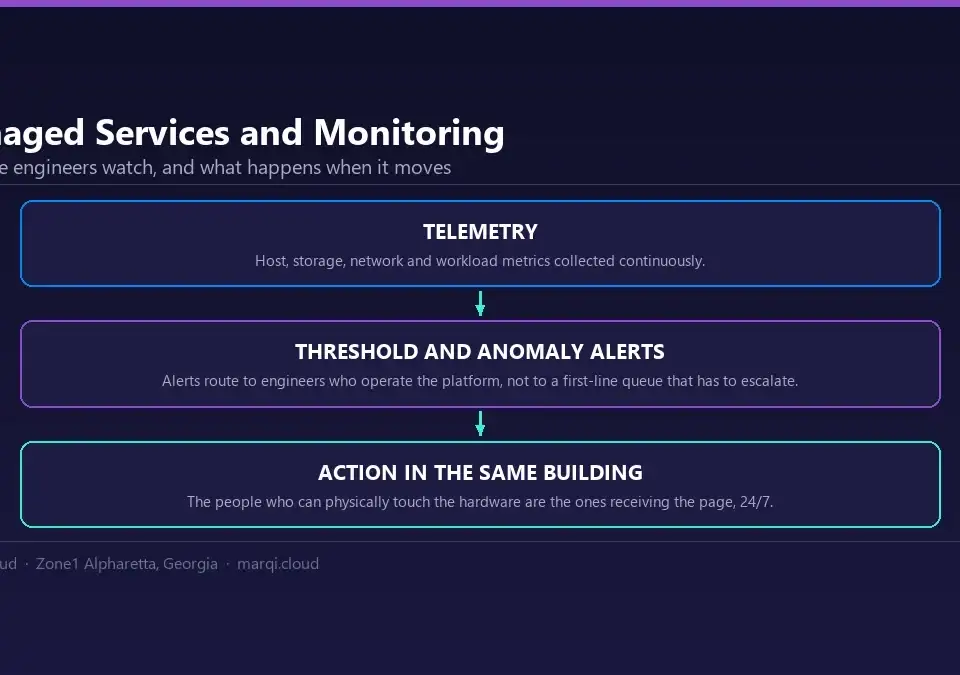
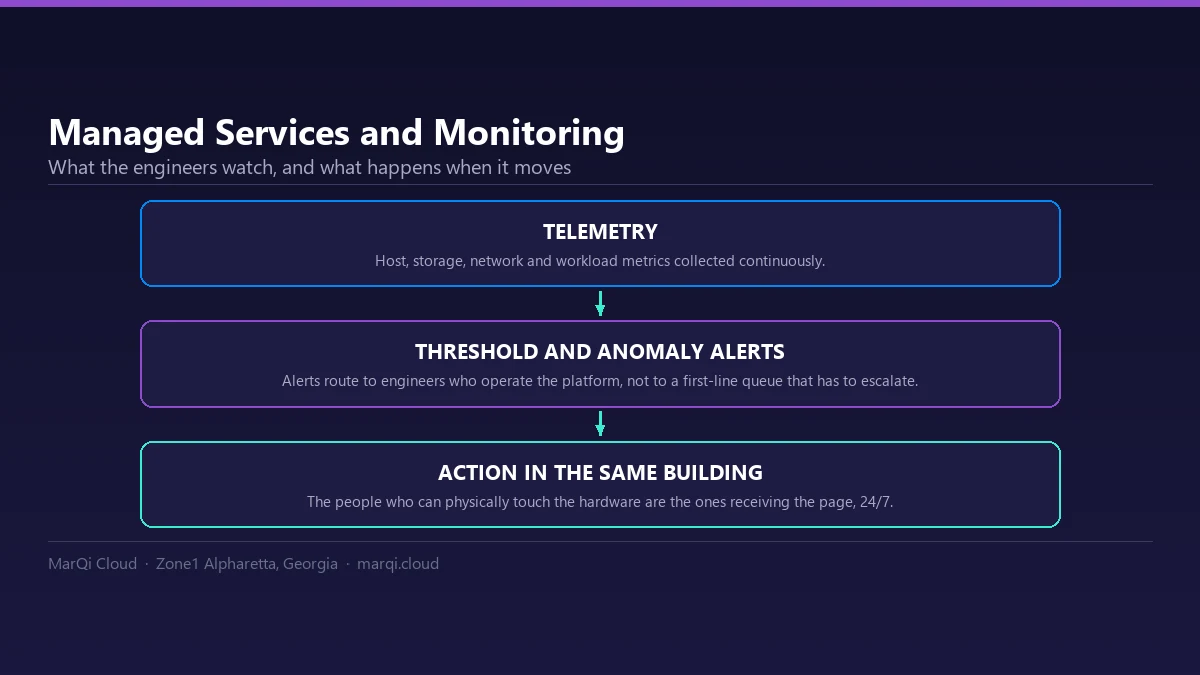
Many organizations use managed cloud services to simplify operations and reduce administrative overhead.
When Should You Choose Multi-Cloud?
Multi-Cloud may be a good fit if:
- You want to avoid vendor dependency.
- Different teams rely on different cloud services.
- You require global service distribution.
- You need specialized features from multiple providers.
When Should You Choose Hybrid Cloud?
Hybrid Cloud may be a better option if:
- You need greater control over data.
- You operate regulated workloads.
- Performance consistency is critical.
- You want to balance cloud flexibility with dedicated infrastructure.
- You have predictable long-term workloads.
Organizations frequently combine Hybrid Cloud environments with a cloud compute platform for enterprise workloads to maintain scalability without sacrificing control.
Can You Use Both?
Yes.
Many enterprises operate a Hybrid Multi-Cloud strategy.
For example:
- Private infrastructure hosts sensitive applications.
- AWS handles web workloads.
- Azure provides identity services.
- Google Cloud supports analytics.
This approach combines the advantages of both models while increasing architectural complexity.
FAQ
Is Multi-Cloud the same as Hybrid Cloud?
No. Multi-Cloud uses multiple cloud providers, while Hybrid Cloud combines private infrastructure with public cloud resources.
Which is more secure?
Neither is inherently more secure. Security depends on architecture, management practices, and workload requirements. Hybrid Cloud often provides greater control over sensitive data.
Which is more expensive?
Costs vary by workload. Multi-Cloud can increase management complexity, while Hybrid Cloud may require dedicated infrastructure investments.
Can a Hybrid Cloud environment also be Multi-Cloud?
Yes. Many organizations combine private infrastructure with multiple public cloud providers.
Which approach is better for AI workloads?
Organizations running large AI workloads often benefit from Hybrid Cloud environments that utilize dedicated GPU infrastructure while leveraging public cloud services when necessary.
Conclusion
Multi-Cloud and Hybrid Cloud strategies both offer flexibility, scalability, and business continuity benefits, but they address different operational requirements.
Multi-Cloud focuses on using multiple cloud providers to reduce vendor dependency and leverage specialized services. Hybrid Cloud combines private infrastructure with public cloud resources to provide greater control, predictable performance, and workload flexibility.
The right choice depends on your security requirements, workload characteristics, compliance needs, and long-term infrastructure goals.
MarQi Cloud provides cloud infrastructure, hybrid cloud solutions, enterprise networking, GPU resources, storage architecture, and managed services that help organizations build scalable cloud environments for modern workloads.