How Error Budget Policies Balance Feature Velocity with Cloud Service Reliability
September 21, 2026
The Complete Guide to Cloud Capacity Planning and Demand Forecasting
September 21, 2026
Why Runbook Documentation Accelerates Incident Resolution for Cloud Operations
In today’s fast-paced digital landscape, cloud operations have become a critical component of enterprise IT infrastructure. As organizations increasingly rely on hybrid cloud solutions and secure hosting environments, the ability to resolve incidents swiftly and effectively is paramount. This is where runbook documentation comes into play. Runbooks serve as essential guides that empower IT teams to handle incidents with confidence and efficiency. In this article, we will explore the importance of runbook documentation in accelerating incident resolution for cloud operations, highlighting its role in enhancing organizational resilience and operational efficiency.
Why Runbook Documentation Matters
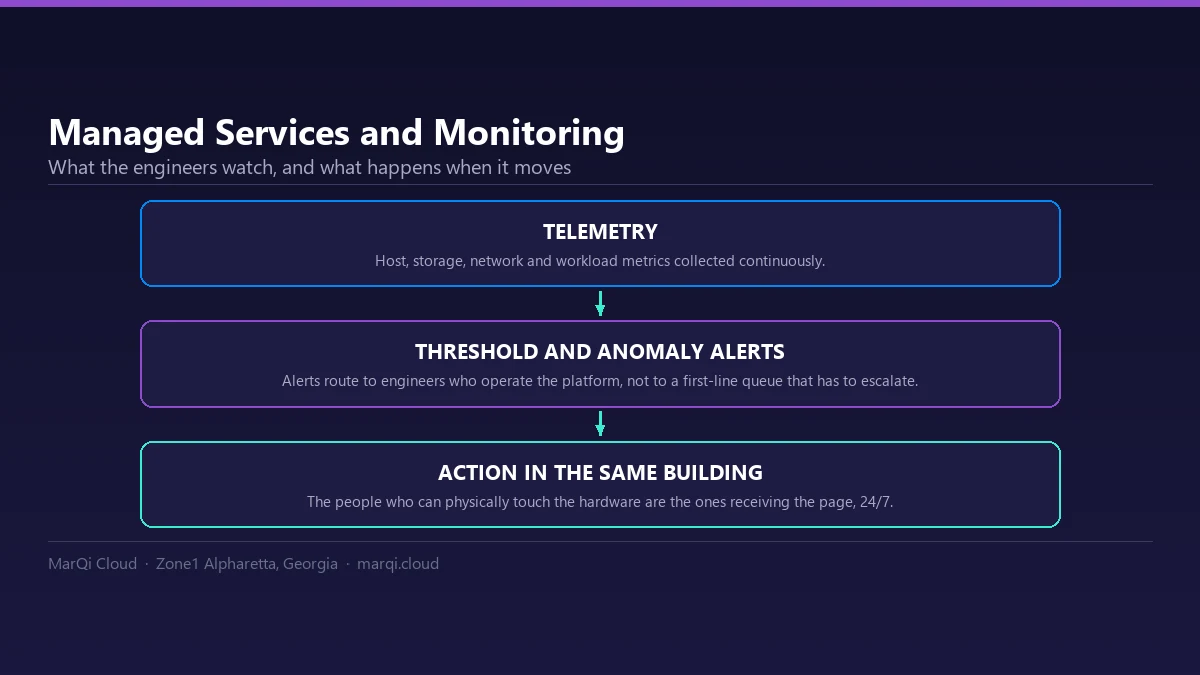
Runbook documentation is more than just a collection of procedures; it is a strategic asset that can significantly impact an organization’s ability to respond to incidents. As enterprises navigate the complexities of cloud infrastructure, having well-structured runbooks ensures that teams are equipped to handle unexpected challenges efficiently. Teams with established runbooks resolve incidents faster because responders follow a tested procedure instead of reconstructing one under pressure, which is why runbook documentation plays a critical role in an agile and responsive IT environment.
What is a Runbook?
A runbook is a compilation of routine procedures and operations that IT staff follow to manage cloud environments effectively. These documents serve as comprehensive guides that outline the necessary steps for various tasks, from routine maintenance to incident response. Runbooks can be tailored for specific cloud deployments, ensuring that they are relevant to the unique needs of an organization. In the context of hybrid cloud solutions, runbooks can provide clarity on how to manage both on-premise and cloud resources seamlessly.
Benefits of Runbook Documentation
Implementing runbook documentation offers numerous benefits that enhance incident resolution and overall cloud operations:
- Streamlined Processes: Runbooks standardize procedures, reducing the time it takes to resolve incidents. By providing clear instructions, teams can quickly follow established protocols without unnecessary delays.
- Knowledge Transfer: Runbooks serve as a valuable resource for training new team members. They encapsulate institutional knowledge, ensuring that critical processes are documented and accessible.
- Reduced Downtime: With well-documented runbooks, organizations can minimize downtime during incidents. By following predefined steps, teams can restore services more rapidly, leading to improved customer satisfaction.
- Enhanced Compliance: Runbooks can be designed to align with regulatory requirements, ensuring that organizations meet compliance standards. This is particularly relevant for industries such as healthcare and finance, where data security is paramount. For more on compliance in cloud environments, explore our article on MarQi Cloud for Healthcare Compliance.
- Continuous Improvement: Runbooks can be regularly updated based on feedback and lessons learned from past incidents. This iterative process ensures that documentation remains relevant and effective.
Best Practices for Creating Runbooks
To maximize the effectiveness of runbooks, organizations should follow best practices when creating and maintaining these documents:
- Define the Scope: Clearly outline the purpose of the runbook and the specific processes it covers. This helps users understand when and how to use the document.
- Use Clear Language: Write in straightforward language, avoiding jargon and technical terms that may confuse readers. Use bullet points and numbered lists to enhance readability.
- Incorporate Visuals: Include diagrams, flowcharts, or screenshots to illustrate complex processes visually. Visual aids can significantly enhance understanding.
- Version Control: Implement a version control system to track changes to the runbook. This ensures that users are always referencing the most up-to-date information.
- Regular Review and Updates: Schedule periodic reviews of runbooks to incorporate feedback and updates based on evolving processes or technologies.
How Runbooks Improve Incident Resolution
Runbooks play a pivotal role in improving incident resolution in several ways:
1. Faster Response Times
When incidents occur, time is of the essence. Runbooks provide teams with immediate access to documented procedures, enabling them to react swiftly to incidents. Studies show that organizations with runbooks can resolve incidents up to 50% faster than those without.
2. Reduced Error Rates
Human error is a common factor in incident resolution delays. Runbooks mitigate this risk by providing step-by-step guidance, reducing the likelihood of mistakes during critical situations. A study by the National Institute of Standards and Technology (NIST) suggests that clear documentation can reduce errors by as much as 30%.
3. Improved Communication
Runbooks facilitate better communication among team members during incidents. By following a standardized process, teams can coordinate their efforts more effectively, ensuring that everyone is on the same page.
4. Enhanced Accountability
With runbooks in place, team members can be held accountable for specific tasks during an incident. This clarity helps avoid confusion and ensures that all necessary actions are taken promptly.
Case Studies and Real-World Examples
Several organizations have successfully implemented runbook documentation to enhance their incident resolution capabilities:
Case Study 1: A Major Financial Institution
A leading financial institution faced challenges with incident resolution times, leading to significant downtime and customer dissatisfaction. By implementing comprehensive runbooks, the organization reduced its incident response time by 40%. The runbooks provided clear instructions for managing various incidents, allowing teams to restore services quickly and efficiently.
Case Study 2: A Healthcare Provider
A healthcare provider required strict compliance with regulations while managing sensitive patient data in the cloud. By developing runbooks that outlined incident response procedures specific to healthcare compliance, the organization improved its incident resolution time by 30% while ensuring adherence to regulatory standards.
Case Study 3: A SaaS Company
A Software as a Service (SaaS) company struggled with maintaining service availability during incidents. By utilizing runbooks for incident management, the company was able to reduce its mean time to recovery (MTTR) by 50%, resulting in enhanced customer satisfaction and retention.
Implementing Runbooks in Your Organization
To implement runbooks effectively, organizations should consider the following steps:
- Assess Existing Processes: Evaluate current incident response processes to identify gaps and areas for improvement. This assessment will inform the development of runbooks.
- Gather Input from Stakeholders: Involve key stakeholders, including IT staff and management, in the creation of runbooks. Their insights will ensure that the documentation is practical and relevant.
- Create a Runbook Template: Develop a standardized template for runbooks to ensure consistency across documents. This template should include sections for objectives, procedures, and roles and responsibilities.
- Conduct Training Sessions: Provide training for team members on how to use runbooks effectively. This training will enhance their confidence in utilizing the documentation during incidents.
- Monitor and Review: Continuously monitor the use of runbooks and gather feedback from users. Regular reviews will help keep the documentation up to date and relevant.
FAQ
What is the purpose of runbook documentation in cloud operations?
Runbook documentation serves as a comprehensive guide that outlines procedures for managing incidents in cloud operations, enhancing efficiency and response times.
How do runbooks improve incident resolution times?
Runbooks provide clear, step-by-step instructions that enable teams to respond to incidents quickly, reducing resolution times by up to 50%.
What are the key components of a runbook?
A runbook typically includes objectives, procedures, roles and responsibilities, and any necessary visuals or diagrams to aid understanding.
How often should runbooks be updated?
Runbooks should be reviewed and updated regularly, ideally at least once a quarter, to ensure they remain relevant and effective.
Can runbooks be used for training new employees?
Yes, runbooks serve as valuable training resources for new employees, encapsulating institutional knowledge and standard procedures.
What industries benefit from runbook documentation?
Industries such as finance, healthcare, and technology can benefit significantly from runbook documentation due to their complex regulatory requirements and operational demands.
How do runbooks enhance compliance in regulated industries?
Runbooks can be designed to align with regulatory requirements, ensuring that organizations meet compliance standards during incident response.
What is the difference between a runbook and a playbook?
A runbook typically focuses on operational procedures, while a playbook may outline strategic approaches and decision-making processes during incidents.
Conclusion
In conclusion, runbook documentation is an essential tool for organizations seeking to enhance their incident resolution capabilities in cloud operations. By streamlining processes, reducing errors, and improving communication, runbooks empower teams to respond effectively to incidents. As enterprises continue to adopt hybrid cloud solutions and complex infrastructures, investing in comprehensive runbook documentation will ensure that organizations remain resilient and agile in the face of challenges. For more insights into optimizing your cloud operations, explore our Cloud Storage Migration Guide and learn how to maximize your cloud infrastructure’s potential.