Unlocking Hidden Costs: A Comprehensive Guide to Cloud Storage Cost Analysis
September 14, 2026
The Complete Guide to Cloud Backup Storage Strategies for Enterprise Data Protection
September 14, 2026
Unlocking Cloud Performance: Understanding Storage I/O Patterns
In the rapidly evolving landscape of cloud computing, organizations are continually seeking ways to optimize their architecture for performance, cost-efficiency, and scalability. One often-overlooked aspect that plays a critical role in these optimizations is the understanding of storage I/O patterns. By grasping how data is accessed and manipulated, businesses can make informed architectural decisions that enhance application performance and lead to greater operational efficiency. In this article, we will explore the significance of storage I/O patterns, their impact on cloud architecture, and actionable strategies to leverage this knowledge for better outcomes.
What Are Storage I/O Patterns?
Storage I/O patterns refer to the ways in which data is read from and written to storage systems. This encompasses various factors such as the frequency of access, the size of data blocks, and the nature of the operations (read vs. write). Understanding these patterns is crucial for designing efficient cloud architectures that can handle the demands of modern applications.
The Importance of Understanding Storage I/O Patterns
Understanding storage I/O patterns is vital for several reasons:
- Performance Optimization: By analyzing how data is accessed, organizations can choose the right storage solutions that align with their performance needs. This can lead to faster application response times and improved user experiences.
- Cost Efficiency: Different storage types come with varying costs. By aligning storage solutions with specific I/O patterns, organizations can avoid over-provisioning and reduce costs.
- Scalability: Knowing I/O patterns helps in planning for future growth. Organizations can anticipate storage needs and implement scalable solutions that accommodate increased demand.
- Risk Mitigation: Understanding how data is accessed can help mitigate risks related to data loss and downtime. Properly architected storage solutions can ensure business continuity even in adverse situations.
Types of Storage I/O Patterns
There are several common types of storage I/O patterns that organizations may encounter:
1. Sequential I/O
Sequential I/O occurs when data is read or written in a continuous sequence. This pattern is common in applications that process large files, such as video streaming or data backups. It typically results in higher throughput and is well-suited for traditional hard disk drives (HDDs).
2. Random I/O
Random I/O involves accessing data in a non-sequential manner. This pattern is prevalent in transactional databases and applications that require quick access to small amounts of data. Solid-state drives (SSDs) are ideal for random I/O due to their low latency.
3. Mixed I/O
A mixed I/O pattern includes both sequential and random access. This is common in enterprise applications that have diverse workloads, requiring a combination of high throughput and low latency. Understanding how to balance these I/O types is essential for optimal performance.
| Storage Type | Best Suited For | Performance Characteristics |
|---|---|---|
| HDD | Sequential I/O | High throughput, low cost |
| SSD | Random I/O | Low latency, high IOPS |
| Hybrid | Mixed I/O | Balanced performance |
Impact on Cloud Architecture
The design of cloud architecture is significantly influenced by storage I/O patterns. Here are some key considerations:
1. Choosing the Right Storage Solutions
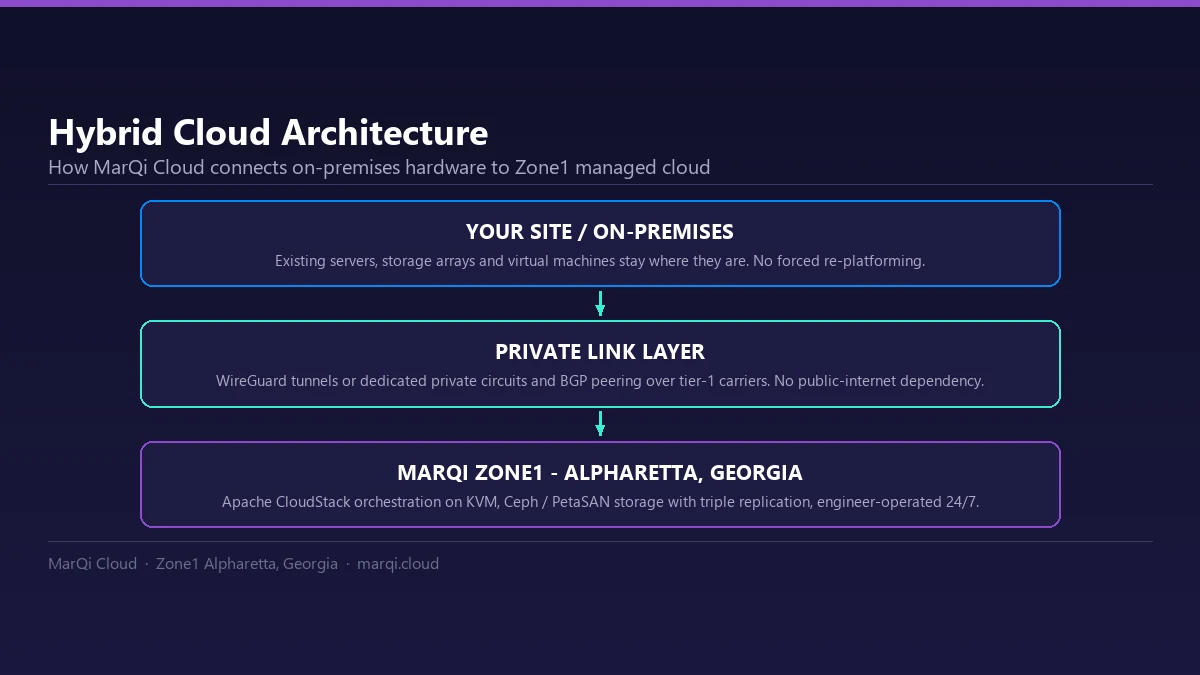
When planning cloud infrastructure, selecting the appropriate storage type based on expected I/O patterns is crucial. For instance, hybrid cloud solutions can combine the benefits of both HDDs and SSDs, allowing organizations to optimize for both cost and performance.
2. Implementing Caching Strategies
Understanding I/O patterns enables organizations to implement effective caching strategies. Caches can store frequently accessed data in faster storage media, significantly improving access times and reducing load on primary storage.
3. Data Tiering
Data tiering involves classifying data based on its access patterns and moving it between different types of storage. For example, infrequently accessed data can be moved to lower-cost storage options, while critical data remains on high-performance SSDs.
4. Disaster Recovery and Business Continuity
Cloud architectures need to incorporate robust disaster recovery solutions. Understanding I/O patterns allows organizations to design backup and recovery processes that minimize downtime and ensure data integrity. For instance, MarQi Cloud’s disaster recovery solutions focus on data access patterns to optimize recovery times.
Best Practices for Optimizing Storage I/O
To maximize the benefits of understanding storage I/O patterns, organizations should consider the following best practices:
- Conduct Regular I/O Analysis: Regularly analyze I/O patterns to adapt to changing workloads and optimize architecture accordingly.
- Choose the Right Storage Tier: Select storage solutions based on specific I/O requirements. Consider hybrid models for a balance of performance and cost.
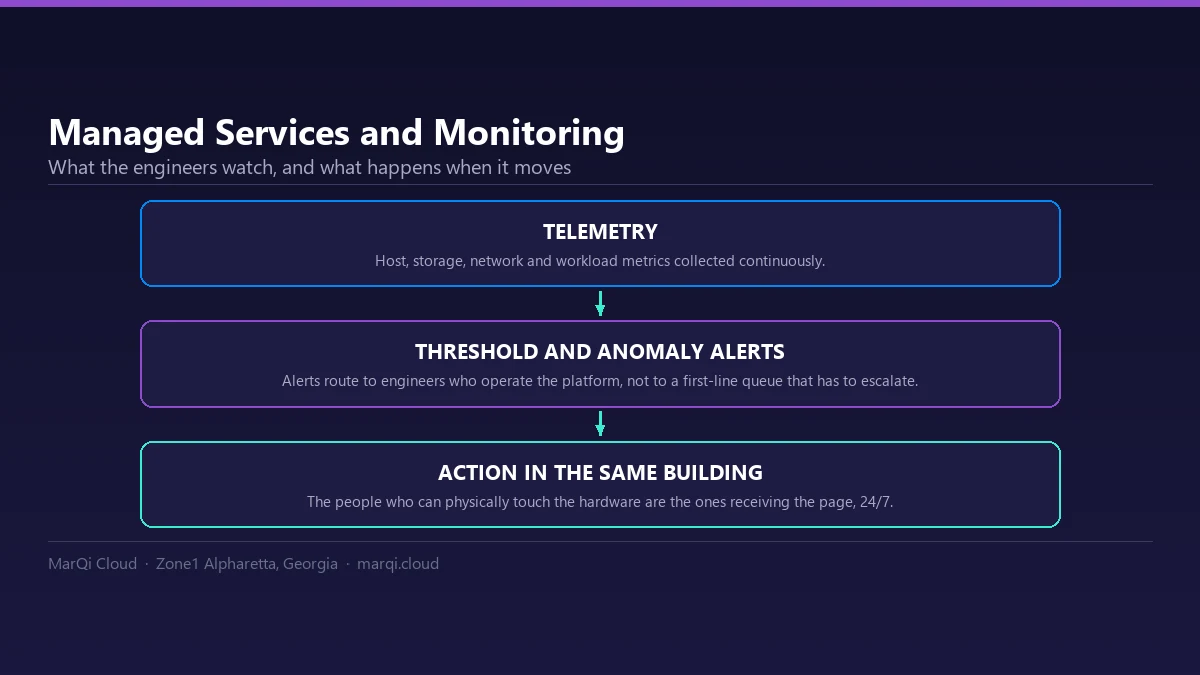
- Implement Monitoring Tools: Use monitoring tools to track performance metrics and identify bottlenecks in real-time.
- Plan for Future Growth: Design architectures with scalability in mind, considering potential increases in data volume and access frequency.
- Leverage Managed Services: Consider utilizing managed services that specialize in cloud infrastructure to ensure optimal performance and support.
Real-World Case Studies
To illustrate the impact of understanding storage I/O patterns, let’s look at a few real-world examples:
Case Study 1: E-Commerce Platform
An e-commerce platform noticed significant latency during peak shopping seasons. After analyzing their storage I/O patterns, they discovered that their database was experiencing random I/O spikes. By migrating to a hybrid cloud solution that utilized SSDs for their transactional database, they improved response times by over 40%.
Case Study 2: Media Streaming Service
A media streaming service leveraged sequential I/O for video delivery. By optimizing their storage architecture to include HDDs for bulk storage and SSDs for caching popular content, they reduced buffering times significantly, enhancing user satisfaction.
FAQ
What is storage I/O in cloud computing?
Storage I/O in cloud computing refers to the input/output operations performed on storage systems, including how data is read from and written to these systems.
Why are storage I/O patterns important?
Understanding storage I/O patterns is essential for optimizing cloud architecture, improving performance, reducing costs, and ensuring scalability.
What types of storage I/O patterns exist?
The primary types of storage I/O patterns are sequential I/O, random I/O, and mixed I/O.
How can I optimize storage I/O?
You can optimize storage I/O by conducting regular analyses, selecting appropriate storage types, implementing caching strategies, and planning for data tiering.
What role does caching play in storage I/O?
Caching improves access times by storing frequently accessed data in faster storage, reducing the load on primary storage systems.
What is data tiering?
Data tiering is the process of classifying data based on access patterns and moving it between different storage types to optimize performance and cost.
How does understanding I/O patterns help with disaster recovery?
Understanding I/O patterns allows organizations to design backup and recovery processes that minimize downtime and ensure data integrity.
What are the benefits of hybrid cloud solutions?
Hybrid cloud solutions offer a balance of performance and cost by combining the advantages of different storage types, allowing for optimized I/O handling.
Conclusion
Understanding storage I/O patterns is a pivotal aspect of designing effective cloud architectures. By leveraging this knowledge, organizations can optimize performance, reduce costs, and ensure scalability. As cloud technologies continue to evolve, a deep comprehension of I/O patterns will be essential for staying competitive. At MarQi Cloud, we are committed to providing enterprise-grade cloud solutions that empower businesses to make informed decisions and achieve optimal performance.