How to Migrate From AWS to MarQi Cloud Without Breaking Anything
June 8, 2026
10 Most Common Cloud Migration Mistakes (And How MarQi Cloud Prevents Them)
June 8, 2026
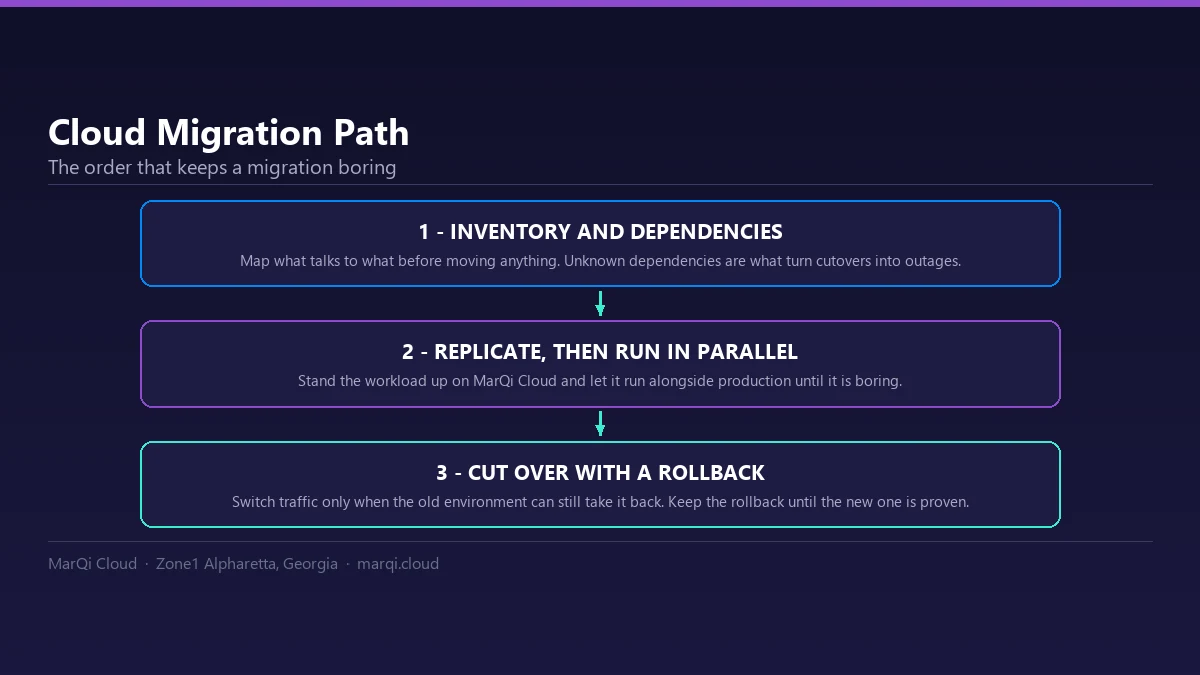
The Complete Cloud Migration Checklist Before Moving to MarQi Cloud
As businesses increasingly turn to cloud solutions to enhance their operations, the process of migrating to the cloud can seem daunting. It requires careful planning, organization, and execution to ensure a seamless transition. At MarQi Cloud, we understand the importance of a structured approach to cloud migration and are here to provide you with a comprehensive checklist that will guide you through the process.
Understanding Cloud Migration
Cloud migration refers to the process of moving data, applications, and other business elements from on-premises infrastructure to a cloud environment. This can involve transitioning to public, private, or hybrid cloud solutions. At MarQi Cloud, we specialize in enterprise-grade cloud infrastructure with secure hosting environments.
Benefits of Cloud Migration
- Cost Efficiency: By migrating to the cloud, businesses can reduce their IT costs significantly.
- Scalability: Cloud solutions offer scalable resources that can grow with your business.
- Improved Collaboration: Cloud platforms allow for better collaboration among team members across different locations.
- Business Continuity: Cloud migration can enhance disaster recovery efforts and ensure business continuity.
Preparing for Migration
Before diving into the migration process, it is essential to make specific preparations. This includes assessing your current infrastructure, understanding your needs, and planning the migration strategy.
1. Assess Your Current Infrastructure
Examine your existing systems, applications, and data. Understand what needs to be migrated and what can be left behind. Identify any dependencies that may affect the migration.
2. Identify Your Goals
Define clear objectives for the migration. Are you looking to enhance performance, reduce costs, or improve security? Having specific goals will help guide your decisions during the migration.
3. Choose the Right Cloud Model
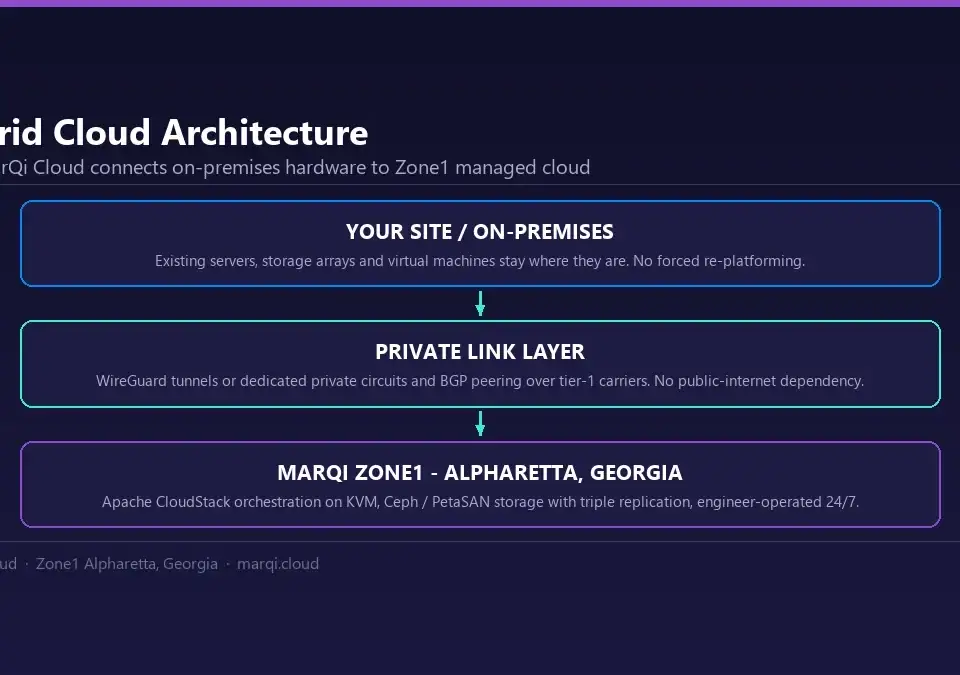
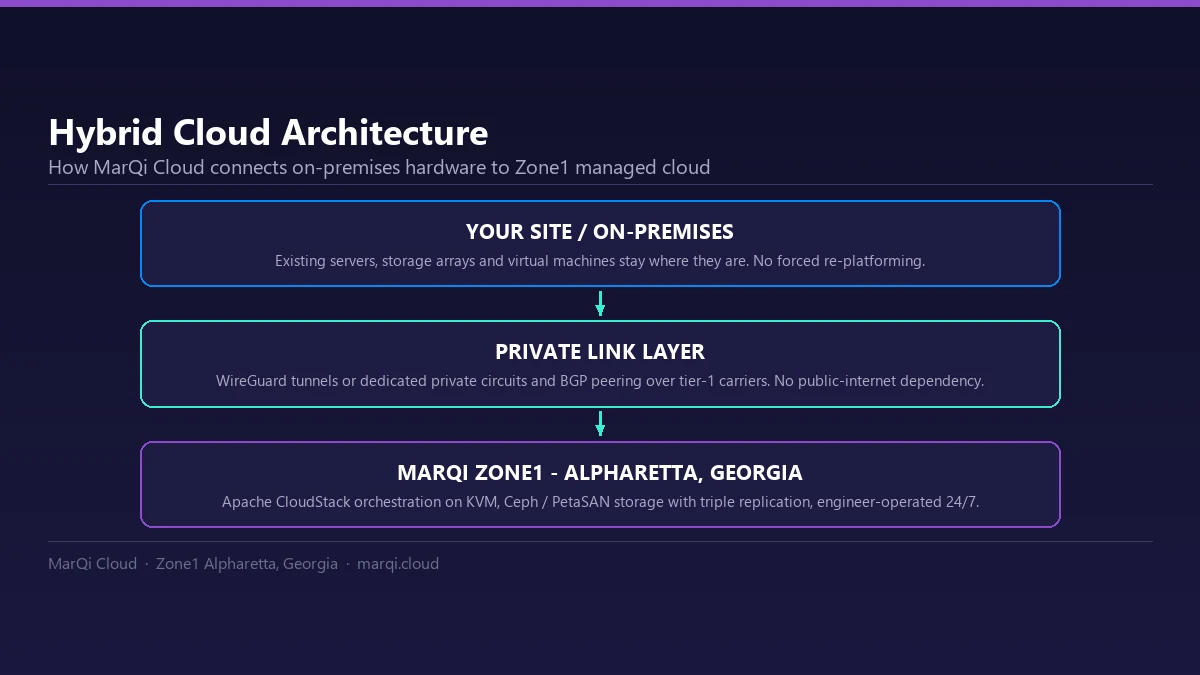
Select a cloud deployment model that best suits your business needs. MarQi Cloud offers hybrid cloud deployment models that combine the benefits of both public and private clouds.
The Migration Checklist
Once the initial preparations are complete, it’s time to move onto the migration checklist. This checklist will help ensure that no crucial steps are overlooked during the migration process.
1. Plan Your Migration Strategy
- Choose a Migration Method: Decide whether to use a lift-and-shift approach, re-platforming, or refactoring.
- Create a Timeline: Establish a detailed timeline for the migration process.
2. Prepare Your Data
- Data Cleanup: Remove unnecessary data to streamline the migration.
- Data Backup: Ensure that you have complete backups of all data before migration.
3. Test Your Applications
Before migrating applications, perform tests to ensure they function correctly in the new environment. This will help identify any potential issues.
4. Secure Your Migration
- Encryption: Encrypt sensitive data during transit and at rest.
- Access Control: Implement strict access controls to safeguard your data.
5. Execute the Migration
With everything in place, execute the migration according to your plan. Monitor the process closely to address any issues that arise.
6. Validate the Migration
Once the migration is complete, validate that all data and applications have been successfully migrated and are functioning as expected.
7. Optimize Performance
After migration, continuously monitor and optimize your cloud environment for performance and cost-efficiency.
Post-Migration Considerations
After successfully migrating to MarQi Cloud, there are several key considerations to keep in mind to ensure ongoing success.
1. Training and Support
Provide training for your team to adapt to the new cloud environment. MarQi Cloud offers US-based infrastructure and support to assist your team post-migration.
2. Monitor and Manage
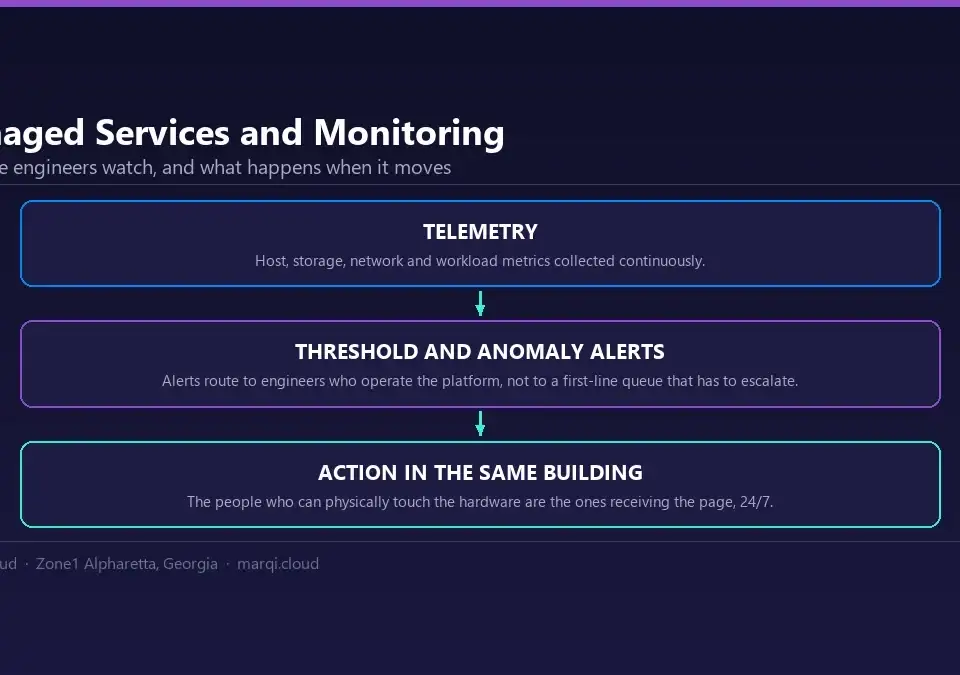
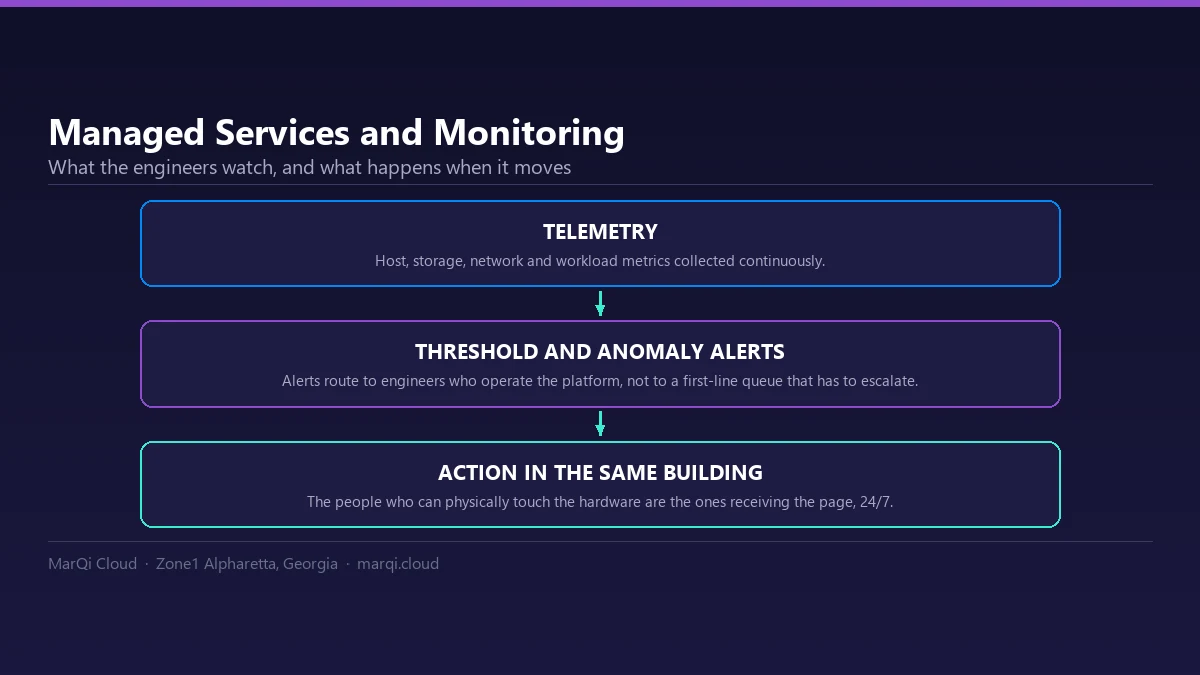
Implement monitoring tools to keep track of your cloud performance and costs. Regularly review and adjust your cloud resources as needed.
3. Evaluate Your Cloud Strategy
Continuously evaluate your cloud strategy to ensure it aligns with your business goals and adapts to changing needs.
Conclusion
Cloud migration is a critical step for businesses looking to leverage the benefits of cloud technology. By following this comprehensive checklist, you can ensure a smooth and effective transition to MarQi Cloud. Our enterprise-grade cloud infrastructure, hybrid cloud deployment models, and performance-driven design are tailored to meet your business needs.
Frequently Asked Questions (FAQ)
1. What is cloud migration?
Cloud migration is the process of moving data, applications, and other business elements from on-premises infrastructure to a cloud environment.
2. Why should I migrate to the cloud?
Cloud migration offers benefits such as cost efficiency, scalability, improved collaboration, and enhanced business continuity.
3. What are the different cloud deployment models?
The main cloud deployment models include public, private, and hybrid clouds.
4. How do I assess my current infrastructure?
Examine your existing systems and applications to identify what needs to be migrated and what can be left behind.
5. What is the best migration strategy?
The best migration strategy depends on your specific needs and goals. Common methods include lift-and-shift, re-platforming, and refactoring.
6. How can I secure my migration?
Implement encryption, access controls, and other security measures to protect your data during migration.
7. What should I do after migration?
Post-migration, provide training, monitor performance, and continuously evaluate your cloud strategy.
8. How does MarQi Cloud support businesses during migration?
MarQi Cloud offers enterprise-grade infrastructure, hybrid cloud models, and US-based support to assist businesses throughout the migration process.