The Essential Guide to Pre-Migration Performance Baselining for Success
July 15, 2026
The Ultimate Guide to Migrating Windows Server Workloads to Cloud Infrastructure
July 15, 2026
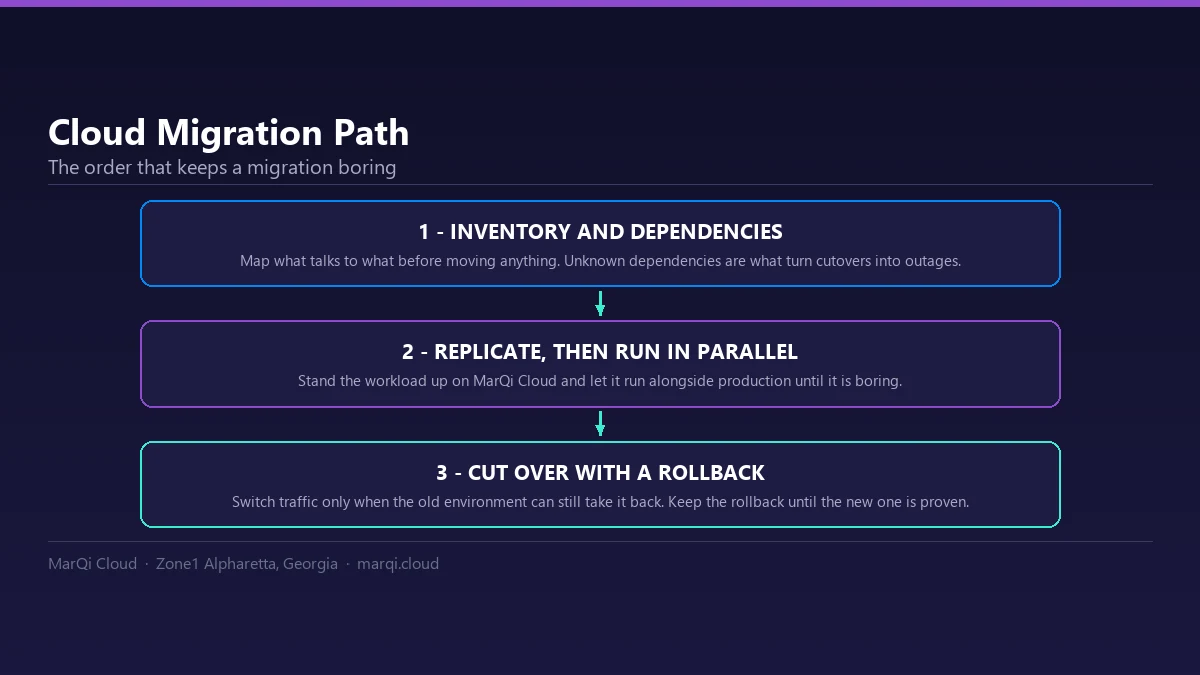
The Complete Guide to Database Migration Strategies for Cloud Environments
As businesses increasingly migrate their operations to the cloud, the importance of effective database migration strategies cannot be overstated. Whether you are transitioning from on-premises systems to cloud databases or moving between cloud service providers, understanding the various migration strategies is essential for ensuring data integrity, minimizing downtime, and optimizing performance. In this comprehensive guide, we will explore the different database migration strategies tailored for cloud environments, how to choose the right one for your organization, and best practices to ensure a smooth migration process.
Understanding Database Migration
Database migration refers to the process of transferring data from one database to another. This may involve moving data between different database management systems (DBMS), such as from Oracle to MySQL, or from on-premises databases to cloud databases like Amazon RDS or Google Cloud SQL. The need for database migration can arise from various factors, including:
- Upgrading Technology: Organizations may need to migrate to modern databases that offer enhanced performance, scalability, and support for new technologies.
- Cost Optimization: Moving to cloud-based databases can reduce hardware and maintenance costs associated with on-premises databases.
- Improved Accessibility: Cloud databases enable remote access and collaboration, making it easier for teams to work together regardless of location.
- Compliance and Security: Some organizations may migrate to meet regulatory compliance requirements or to enhance data security.
Types of Database Migration Strategies
There are several database migration strategies that organizations can adopt based on their specific needs and circumstances. Each strategy has its advantages and disadvantages, and understanding them is crucial for making an informed decision.
1. Lift and Shift
The lift-and-shift approach, also known as rehosting, involves moving an existing database to the cloud with minimal changes. This strategy is often the quickest and simplest way to migrate data, making it ideal for organizations looking to transition rapidly.
Advantages:
- Quick implementation with minimal investment in new technology.
- Maintains the existing architecture, reducing the learning curve for staff.
Disadvantages:
- May not fully leverage cloud-native features and optimizations.
- Can lead to higher operational costs if the existing architecture is not optimized for the cloud.
2. Replatforming
Replatforming involves making some optimizations to the database during migration, such as changing the database engine or adjusting configurations to better suit the cloud environment. This strategy aims to take advantage of cloud benefits while minimizing the need for extensive changes.
Advantages:
- Better performance and scalability compared to lift-and-shift.
- Allows for the integration of cloud-native services.
Disadvantages:
- Requires more planning and execution time.
- May necessitate training for staff on new technologies.
3. Refactoring
Refactoring, or re-architecting, involves redesigning the database to fully leverage cloud capabilities. This strategy is suitable for organizations seeking to modernize their databases and applications.
Advantages:
- Maximizes the benefits of cloud infrastructure.
- Improves performance, scalability, and flexibility.
Disadvantages:
- Requires significant resources and time for planning and execution.
- Higher initial costs due to extensive changes.
4. Repurchasing
In some cases, organizations may choose to repurchase applications that include cloud-native databases. This strategy involves replacing existing systems with software as a service (SaaS) solutions.
Advantages:
- Access to the latest features and updates without the need for internal maintenance.
- Reduced operational burden on IT teams.
Disadvantages:
- Can be costly depending on licensing and subscription models.
- May require significant changes to business processes.
5. Retiring
Sometimes, organizations may find that certain applications or databases are no longer needed and can be retired during the migration process. This strategy can streamline operations and reduce costs.
Advantages:
- Eliminates unnecessary costs associated with outdated systems.
- Allows for a focus on more valuable applications.
Disadvantages:
- Requires careful assessment to avoid losing critical data.
- May create challenges if data is needed for compliance or reporting.
Comparison Table of Database Migration Strategies
| Strategy | Advantages | Disadvantages |
|---|---|---|
| Lift and Shift | Quick implementation, Minimal investment | Higher operational costs, Less optimization |
| Replatforming | Better performance, Integration of cloud services | More planning required, Staff training needed |
| Refactoring | Maximized cloud benefits, Improved scalability | Resource-intensive, Higher initial costs |
| Repurchasing | Access to latest features, Reduced IT burden | Costly licensing, Process changes needed |
| Retiring | Eliminates costs, Focus on valuable apps | Risk of data loss, Compliance challenges |
Choosing the Right Database Migration Strategy
Choosing the right database migration strategy depends on several factors, including:
1. Business Objectives
Define your organization’s goals for the migration. Are you looking for cost savings, improved performance, or enhanced security? Understanding your objectives will help guide your choice of strategy.
2. Existing Infrastructure
Evaluate your current database architecture. Is it outdated or capable of supporting modern applications? This assessment will influence whether you should lift and shift, replatform, or refactor.
3. Budget Constraints
Consider your budget for the migration process. Some strategies, like refactoring, may require a more significant investment upfront, while others, like lift and shift, may be more cost-effective initially.
4. Compliance Requirements
Ensure that the chosen strategy aligns with any regulatory compliance requirements your organization must adhere to, particularly in industries like healthcare or finance.
5. Timeline
Assess the urgency of your migration. If time is of the essence, a lift and shift may be the most suitable option. However, if you have more flexibility, consider a strategy that optimizes your database for the cloud.
Best Practices for Database Migration
Implementing best practices during database migration can significantly enhance the success of your project. Here are some expert tips:
1. Conduct a Thorough Assessment
Before migrating, perform a comprehensive assessment of your existing databases, applications, and infrastructure. Identify dependencies, data types, and performance requirements to inform your migration strategy.
2. Develop a Migration Plan
Create a detailed migration plan that outlines the steps, timelines, and resources required for the migration. Include contingency plans to address potential issues that may arise.
3. Test the Migration Process
Conduct a pilot migration to identify any challenges and validate your approach. Testing allows you to refine your strategy and ensure that data integrity is maintained throughout the process.
4. Monitor Performance Post-Migration
Once the migration is complete, closely monitor the performance of your new database environment. Use monitoring tools to identify any performance bottlenecks and optimize configurations as needed.
5. Provide Training and Support
Offer training and support for your staff to ensure they are comfortable with the new database environment. This investment in human capital will pay dividends in the long run.
Common Challenges and How to Overcome Them
Database migration can present several challenges. Here are some common issues and strategies for overcoming them:
1. Data Loss
One of the most significant risks during migration is data loss. To mitigate this risk, ensure that you have robust backup and recovery procedures in place.
2. Downtime
Minimizing downtime is critical for maintaining business continuity. Consider using techniques such as blue-green deployments or rolling upgrades to reduce disruption during migration.
3. Compatibility Issues
Compatibility between old and new database systems can lead to issues during migration. Thoroughly test data mapping and transformations to identify and resolve compatibility problems before the actual migration.
4. Performance Degradation
Post-migration performance issues can arise if the new environment is not optimized. Regularly monitor performance metrics and make necessary adjustments to ensure optimal performance.
Example Scenarios
The scenarios below are illustrative examples of how organizations typically apply these practices; they do not describe specific MarQi Cloud customers or measured results.
Example Scenario 1: Retail Company Transitioning to Cloud
A leading retail company decided to migrate its on-premises database to Amazon RDS to improve scalability and reduce costs. They opted for the lift-and-shift strategy, which allowed for a rapid migration with minimal changes. Post-migration, the company saw a reduction in operational costs and improved performance during peak shopping seasons.
Example Scenario 2: Healthcare Provider Upgrading Systems
A healthcare provider needed to migrate its legacy database to a cloud-native solution to comply with HIPAA regulations. They chose a refactoring strategy, redesigning their database architecture to leverage cloud capabilities fully. This resulted in enhanced security, improved patient data access, and better compliance with regulatory standards.
Example Scenario 3: Financial Institution Moving to SaaS
A financial institution transitioned to a SaaS-based CRM with an integrated cloud database. They employed a repurchasing strategy, which provided them with advanced features and reduced the burden on their IT staff. This strategic move improved customer service and operational efficiency.
FAQ
What is database migration?
Database migration refers to the process of transferring data from one database to another, which may involve moving between different database management systems or transitioning from on-premises to cloud databases.
Why is database migration important?
Database migration is essential for organizations looking to upgrade technology, reduce costs, improve accessibility, and ensure compliance with regulatory requirements.
What are the different types of database migration strategies?
The main types of database migration strategies include lift and shift, replatforming, refactoring, repurchasing, and retiring.
How do I choose the right migration strategy?
Choosing the right migration strategy depends on your business objectives, existing infrastructure, budget constraints, compliance requirements, and migration timeline.
What are some best practices for database migration?
Best practices include conducting a thorough assessment, developing a migration plan, testing the migration process, monitoring post-migration performance, and providing training and support for staff.
What challenges can arise during database migration?
Common challenges include data loss, downtime, compatibility issues, and performance degradation. Proper planning and testing can help mitigate these risks.
How can I ensure data integrity during migration?
To ensure data integrity, implement robust backup and recovery procedures, conduct thorough testing, and monitor performance throughout the migration process.
What role does cloud hosting play in database migration?
Cloud hosting offers scalable and cost-effective solutions for database migration, enabling organizations to leverage advanced features and enhanced accessibility.