How to Build a Cloud Disaster Recovery Plan That Meets Enterprise RTO and RPO
July 19, 2026
Why Traditional Backup Is No Longer Sufficient for Modern Business Continuity
July 19, 2026
The Complete Guide to Disaster Recovery as a Service for Enterprise Organizations
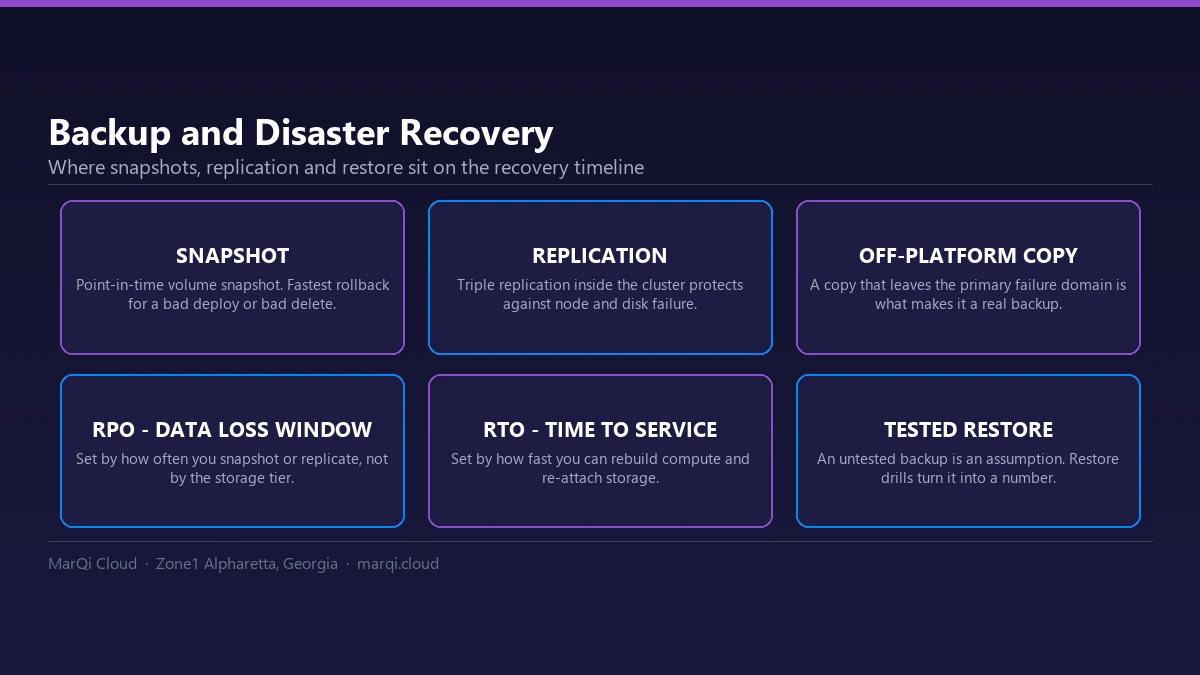
In today’s digital landscape, the threat of data loss due to unexpected disasters can be a daunting reality for enterprise organizations. As businesses increasingly rely on cloud services and digital infrastructures, having a robust disaster recovery plan becomes paramount. This is where Disaster Recovery as a Service (DRaaS) comes into play. In this comprehensive guide, we will explore the intricacies of DRaaS, its significance for enterprises, and how organizations can effectively implement it to safeguard their critical data and applications.
What is Disaster Recovery as a Service (DRaaS)?
Disaster Recovery as a Service (DRaaS) is a cloud computing service model that enables organizations to back up their critical data and IT infrastructure off-site and recover it in the event of a disaster. This service is crucial for enterprises that cannot afford prolonged downtime or data loss, which can result in significant financial and reputational damage. DRaaS solutions typically offer automated recovery processes, ensuring that businesses can resume operations swiftly after a disaster.
Why is DRaaS Important for Enterprises?
The importance of Disaster Recovery as a Service for enterprise organizations cannot be overstated. Here are several key reasons why DRaaS is essential:
- Minimizes Downtime: DRaaS solutions ensure rapid recovery of critical applications and data, significantly reducing downtime and its associated costs.
- Cost-Effectiveness: Instead of investing heavily in physical infrastructure for disaster recovery, enterprises can leverage DRaaS to minimize capital expenditures.
- Scalability: As businesses grow, their data and application requirements evolve. DRaaS offers flexible solutions that can scale with the organization’s needs.
- Security and Compliance: DRaaS providers prioritize security measures and compliance with industry regulations, ensuring that sensitive data is protected.
- Testing and Validation: Regular testing of disaster recovery plans is vital. DRaaS solutions often include automated testing features to validate recovery processes.
Key Components of a DRaaS Solution
When evaluating a Disaster Recovery as a Service solution, it is crucial to understand its key components. Here are the primary elements that make up a robust DRaaS offering:
- Data Backup: DRaaS solutions should provide comprehensive data backup options that include full, incremental, and differential backups.
- Replication: Continuous data replication ensures that the most recent data is always available for recovery.
- Failover and Failback: Automated failover processes enable seamless transition to the backup environment, while failback processes ensure a smooth return to the primary environment.
- Monitoring and Reporting: Real-time monitoring and reporting capabilities allow organizations to track the status of their DRaaS solution and respond to any issues promptly.
- Support and Maintenance: Reliable technical support and maintenance services are crucial for ensuring that the DRaaS solution operates effectively.
How Does DRaaS Work?
Understanding how DRaaS operates is essential for enterprise organizations looking to implement this service. Here’s a step-by-step breakdown of how DRaaS works:
- Assessment: The first step involves assessing the organization’s current infrastructure, applications, and data requirements.
- Planning: A comprehensive disaster recovery plan is developed, detailing recovery objectives, strategies, and processes.
- Deployment: The DRaaS solution is deployed, including necessary configurations and integrations with existing infrastructure.
- Backup and Replication: Critical data and applications are backed up and replicated to the DRaaS provider’s infrastructure.
- Testing: Regular testing of the disaster recovery plan is conducted to ensure its effectiveness and identify areas for improvement.
- Activation: In the event of a disaster, the failover process is activated, allowing the organization to access its data and applications in the DRaaS environment.
- Failback: Once the primary environment is restored, failback processes are initiated to transfer data and applications back to the original infrastructure.
Implementing DRaaS in Your Organization
Implementing Disaster Recovery as a Service requires careful planning and execution. Here are the steps to successfully implement DRaaS in your organization:
- Identify Recovery Objectives: Determine Recovery Time Objectives (RTO) and Recovery Point Objectives (RPO) for your critical applications and data.
- Choose the Right DRaaS Provider: Evaluate potential DRaaS providers based on their offerings, reputation, support services, and compliance with industry standards.
- Develop a Comprehensive DR Plan: Create a detailed disaster recovery plan that outlines processes, roles, and responsibilities during a disaster.
- Integrate with Existing Infrastructure: Ensure that the DRaaS solution integrates seamlessly with your current IT infrastructure and workflows.
- Conduct Regular Testing: Test the DRaaS solution regularly to validate recovery processes and make necessary adjustments based on test results.
- Train Staff: Provide training for employees involved in the disaster recovery process to ensure they understand their roles and responsibilities.
Common Mistakes in DRaaS Implementation
While implementing DRaaS can significantly enhance an organization’s resilience, there are common mistakes that enterprises should avoid:
- Neglecting to Test: Failing to conduct regular testing can lead to unpreparedness during an actual disaster.
- Inadequate Planning: Rushing through the planning phase can result in an ineffective disaster recovery strategy.
- Ignoring Compliance Requirements: Not considering industry compliance requirements can lead to legal issues.
- Overlooking Employee Training: Employees must be adequately trained to ensure a smooth response during a disaster.
- Underestimating Costs: Failing to account for all costs associated with DRaaS can strain budgets.
Comparison of DRaaS Providers
Choosing the right DRaaS provider is critical for the success of your disaster recovery strategy. The following table compares key features of several leading DRaaS providers:
| Provider | Key Features | Pricing Model | Support Level |
|---|---|---|---|
| MarQi Cloud | Comprehensive backup, automated failover, and dedicated support | Flexible pricing models | 24/7 support |
| AWS | Scalable storage, global infrastructure, and compliance support | Pay-as-you-go | Standard support |
| Acronis | AI-based threat detection, hybrid cloud support | Subscription-based | Standard and premium options |
| IBM | Advanced analytics, multi-cloud support | Custom pricing | 24/7 support |
Frequently Asked Questions
What is the difference between DRaaS and traditional backup?
DRaaS provides comprehensive disaster recovery solutions, including application failover and data replication, while traditional backup focuses primarily on data storage.
How can DRaaS improve business continuity?
DRaaS ensures that critical applications and data are quickly recoverable, minimizing downtime and enabling businesses to continue operations during and after a disaster.
What should I consider when choosing a DRaaS provider?
Evaluate the provider’s features, support services, compliance with regulations, pricing model, and reputation within the industry.
Is DRaaS suitable for all types of businesses?
While DRaaS is beneficial for most businesses, it is especially critical for organizations with stringent uptime requirements, such as healthcare and finance.
How often should I test my DRaaS solution?
Regular testing is essential; organizations should aim to test their DRaaS solution at least once every six months.
Can I customize my DRaaS plan?
Yes, most DRaaS providers offer customizable plans that can be tailored to meet specific organizational needs and compliance requirements.
What is the typical recovery time for DRaaS?
Recovery times vary based on the provider and the complexity of the environment, but DRaaS solutions generally aim for RTOs of less than 4 hours.
How does DRaaS support compliance with data regulations?
DRaaS providers implement security measures and maintain compliance with data regulations, ensuring that sensitive data is protected during recovery processes.
Conclusion
In conclusion, Disaster Recovery as a Service is an invaluable solution for enterprise organizations seeking to protect their critical data and maintain business continuity. By understanding the key components of DRaaS, implementing best practices, and avoiding common pitfalls, organizations can effectively safeguard their operations against unforeseen disasters. Investing in a reliable DRaaS solution like MarQi Cloud not only enhances resilience but also fosters trust among clients and stakeholders by ensuring data integrity and availability.