The Complete Guide to Disaster Recovery as a Service for Enterprise Organizations
July 19, 2026
How Automated Failover Protects Your Business from Unplanned Cloud Outages
July 19, 2026
Why Traditional Backup Is No Longer Sufficient for Modern Business Continuity
In today’s fast-paced digital landscape, businesses are increasingly reliant on technology for their operations. As such, the need for robust data protection and business continuity strategies has never been more critical. Traditional backup methods, which often involve manual processes and periodic snapshots, are no longer adequate to meet the demands of modern enterprises. This article delves into why businesses must evolve their backup strategies and adopt comprehensive solutions that ensure uninterrupted service delivery and data integrity.
The Evolution of Data Management
Data management has transitioned significantly over the past few decades. Initially, businesses relied on physical storage mediums like tapes and disks for data backup. These methods, while revolutionary at the time, brought with them numerous challenges, including limited storage capacity, slow recovery times, and high operational costs.
As businesses grew and data volumes expanded, the limitations of traditional backup became evident. The emergence of cloud computing and virtualization technologies has since transformed how organizations approach data protection and business continuity. Today, companies must consider not only how to back up their data but also how to ensure continuous access and operational resilience.
Limitations of Traditional Backup
Despite its historical significance, traditional backup methods present several limitations that can hinder business continuity:
- Infrequent Backups: Many organizations perform backups on a weekly or monthly basis. This infrequency can lead to significant data loss in the event of a disaster. For instance, if a company backs up its data every Sunday and a server failure occurs on a Tuesday, any data created or modified between those dates is lost.
- Slow Recovery Times: Traditional backups typically require manual intervention for recovery, leading to prolonged downtime. According to a report by the Disaster Recovery Preparedness Council, 60% of businesses that experience a data loss event shut down within six months.
- Inadequate Disaster Recovery: Traditional methods often lack comprehensive disaster recovery plans. In the face of a cyberattack or natural disaster, businesses may find themselves ill-equipped to maintain operations.
- Security Vulnerabilities: Physical backups can be stolen, damaged, or compromised. Without proper encryption and security measures, sensitive data is at risk.
For a deeper understanding of how traditional backup compares to modern solutions, consider exploring our article on cloud disaster recovery versus traditional backup.
The Importance of Modern Business Continuity
Modern business continuity is about more than just data backup; it encompasses a holistic approach to ensuring that an organization can continue to operate in the face of disruptions. Key components of modern business continuity include:
- Real-Time Data Protection: Advanced solutions enable continuous data protection (CDP), allowing businesses to capture changes to data as they occur, minimizing potential data loss.
- Automated Recovery Processes: Automation reduces the risk of human error during recovery, allowing businesses to restore operations quickly and efficiently.
- Multi-Location Redundancy: With hybrid cloud solutions, businesses can store data across multiple geographic locations, ensuring redundancy and resilience against localized disasters.
- Compliance and Security: Modern solutions often include built-in security measures and compliance features, ensuring that sensitive data is protected in accordance with regulatory requirements.
Advanced Backup Solutions
To address the limitations of traditional backup, organizations are increasingly turning to advanced solutions. These include:
1. Cloud Backup
Cloud backup provides a flexible and scalable solution for storing data off-site. By leveraging cloud infrastructure, businesses can ensure that their data is secure and accessible from anywhere. Key benefits include:
- Scalability: Organizations can easily adjust their storage needs as their data grows.
- Cost-Effectiveness: Many cloud providers offer flexible pricing models, eliminating the need for significant upfront capital investments.
- Automatic Backups: Cloud solutions often include automated backup schedules, reducing the risk of human error.
2. Hybrid Cloud Solutions
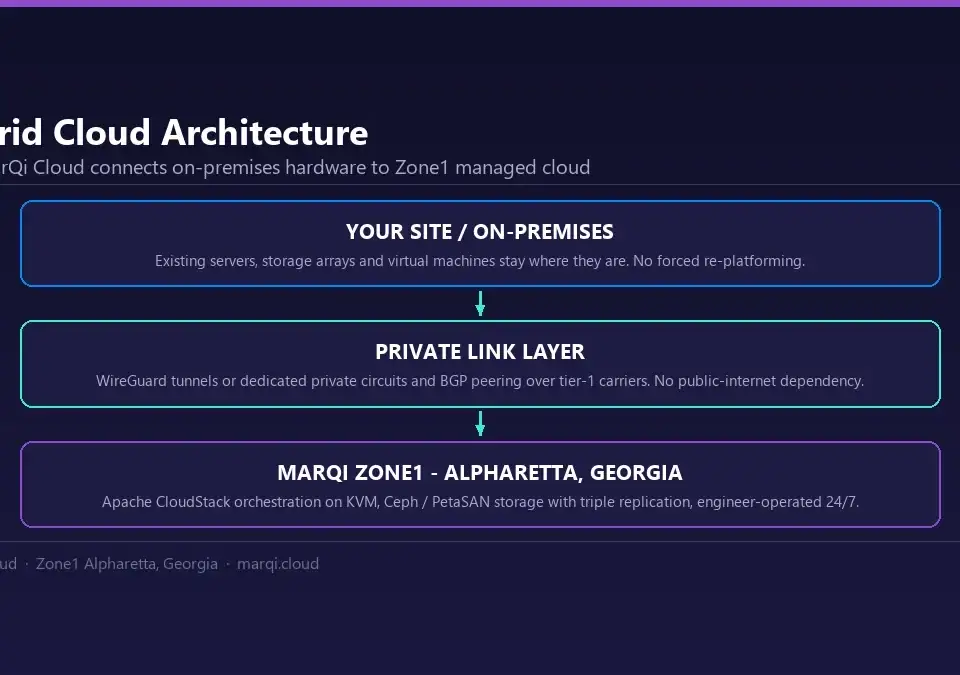
Hybrid cloud solutions combine on-premises infrastructure with cloud resources, allowing organizations to maintain control over sensitive data while leveraging the scalability of the cloud. This approach is particularly beneficial for businesses in regulated industries. For more on hybrid solutions, check out our insights on hybrid cloud and its advantages.
3. Continuous Data Protection (CDP)
CDP solutions continuously capture data changes, enabling near-instantaneous recovery. This is crucial for businesses that cannot afford to lose any data, such as financial institutions or healthcare providers.
4. Disaster Recovery as a Service (DRaaS)
DRaaS provides comprehensive disaster recovery solutions hosted in the cloud. This service allows businesses to quickly restore operations after a disaster without the need for extensive on-premises infrastructure.
| Backup Method | Pros | Cons |
|---|---|---|
| Traditional Backup | Simple, low-cost | Infrequent, slow recovery, high risk of data loss |
| Cloud Backup | Scalable, cost-effective, automated | Dependent on internet connectivity |
| Hybrid Cloud | Flexible, control over data, redundancy | Complex management, potential integration issues |
| CDP | Near-instant recovery, minimal data loss | Higher costs, complexity |
| DRaaS | Comprehensive recovery, minimal downtime | Ongoing subscription costs |
Implementing a Modern Backup Strategy
Transitioning to a modern backup strategy requires careful planning and execution. Here are key steps to consider:
- Assess Your Needs: Evaluate your current data management practices and identify gaps in your backup strategy.
- Choose the Right Solutions: Select a combination of backup methods that align with your business requirements. Consider factors such as data volume, recovery time objectives (RTO), and compliance needs.
- Develop an Incident Response Plan: Create a comprehensive incident response plan that outlines procedures for data recovery and business continuity.
- Test Your Backup Systems: Regularly test your backup and recovery processes to ensure they function as intended and meet your business continuity objectives.
- Educate Your Team: Provide training and resources to ensure your team understands the importance of data protection and the procedures for recovery.
Best Practices for Business Continuity
To maximize the effectiveness of your business continuity strategy, consider implementing the following best practices:
- Regularly Update Your Backup Solutions: Technology evolves quickly; ensure your backup solutions remain current with industry standards.
- Implement Encryption: Protect sensitive data with encryption both in transit and at rest to mitigate security risks.
- Monitor and Audit: Continuously monitor your backup systems and conduct regular audits to identify vulnerabilities.
- Engage with Experts: Consult with cloud infrastructure specialists for tailored solutions that meet your specific business needs. MarQi Cloud offers enterprise-grade cloud infrastructure and expert consulting to help you navigate these challenges.
FAQ
1. What is the difference between traditional backup and modern backup solutions?
Traditional backup typically involves periodic snapshots of data, while modern solutions offer continuous data protection, automated recovery, and cloud-based storage options.
2. Why is data recovery time important?
Data recovery time is crucial because prolonged downtime can lead to significant financial losses and reputational damage for businesses.
3. How often should businesses back up their data?
Businesses should adopt a backup strategy that aligns with their operational needs, often opting for continuous data protection for critical systems.
4. What are the benefits of using cloud backup?
Cloud backup offers scalability, cost-effectiveness, and automated backup processes, ensuring data is secure and accessible from anywhere.
5. What is Disaster Recovery as a Service (DRaaS)?
DRaaS is a cloud-based service that provides comprehensive disaster recovery solutions, allowing businesses to quickly restore operations after a disaster.
6. How can businesses ensure compliance with data protection regulations?
Businesses can ensure compliance by implementing security measures, conducting regular audits, and staying informed about relevant regulations.
7. What role does encryption play in data protection?
Encryption protects sensitive data from unauthorized access, reducing the risk of data breaches and ensuring compliance with data protection laws.
8. How can I assess my current backup strategy?
Start by evaluating your existing processes, identifying gaps in data protection, and determining your recovery time objectives.