MarQi Cloud Explained: What It Is, What It Does, and Why It Matters in 2026
March 30, 2026
How MarQi Cloud Is Winning Customers Who Swore They’d Never Leave AWS
March 30, 2026
The Lazy Developer’s Guide to Getting Started on MarQi Cloud
In the fast-paced world of software development, the need for efficient and scalable cloud solutions is paramount. As a developer, you might be looking for a way to simplify your workflow while maximizing productivity. MarQi Cloud offers an enterprise-grade cloud infrastructure that caters specifically to developers seeking a hybrid cloud deployment model. In this guide, we will explore how to get started on MarQi Cloud, focusing on its features, benefits, and practical steps to set up your development environment.
Understanding MarQi Cloud
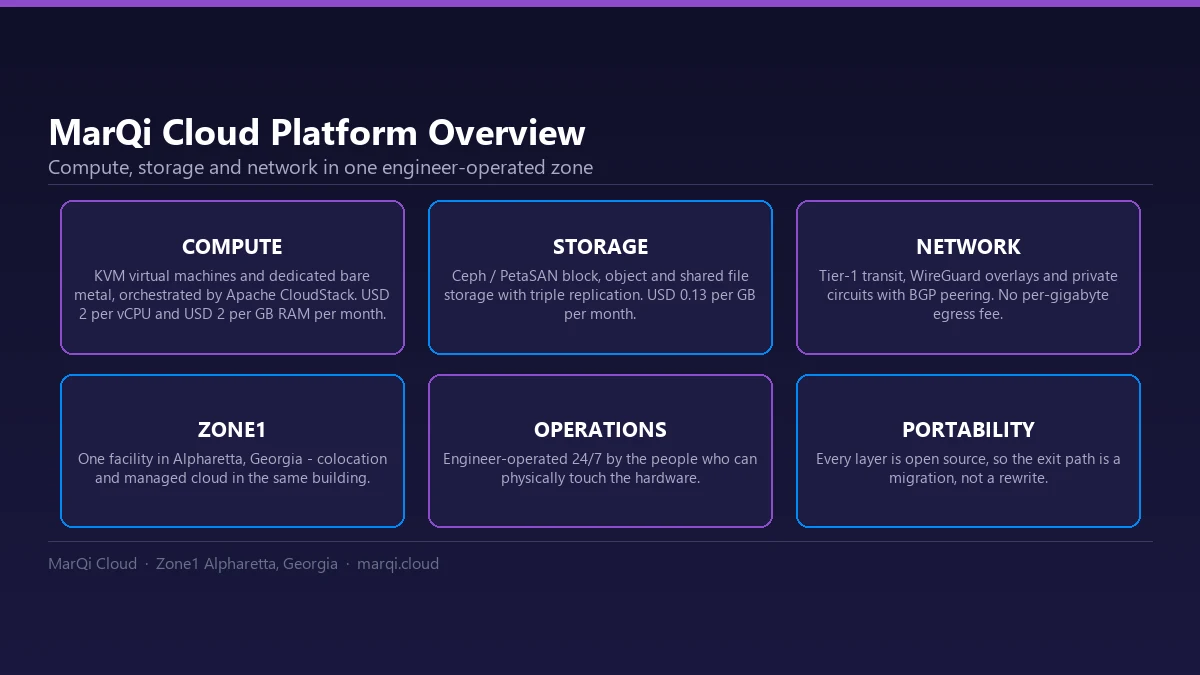
MarQi Cloud is designed for developers who prioritize performance, security, and flexibility. The platform provides a range of services that enable you to create, manage, and deploy applications with ease. Key features include:
- Enterprise-grade cloud infrastructure
- Hybrid cloud deployment models
- Private and secure hosting environments
- Scalable compute and storage resources
- Business continuity and disaster recovery solutions
- Performance-driven infrastructure design
- US-based infrastructure and support
- Flexible pricing models
Why Choose MarQi Cloud?
As a lazy developer, you want solutions that require minimal effort while delivering maximum results. Here are several reasons why MarQi Cloud stands out:
1. Ease of Use
MarQi Cloud is designed with user-friendliness in mind. The dashboard is intuitive, allowing you to navigate through your projects effortlessly. Creating and managing resources is a straightforward process, enabling you to focus on coding rather than infrastructure management.
2. Scalability
With MarQi Cloud, you can scale your applications seamlessly. Whether you need to increase compute power or storage, MarQi Cloud allows you to adjust resources according to your project’s needs without any downtime.
3. Security
Your applications’ security is crucial. MarQi Cloud offers private and secure hosting environments, ensuring that your data is protected against breaches and vulnerabilities. This peace of mind allows you to focus on development without worrying about security threats.
4. Hybrid Cloud Capabilities
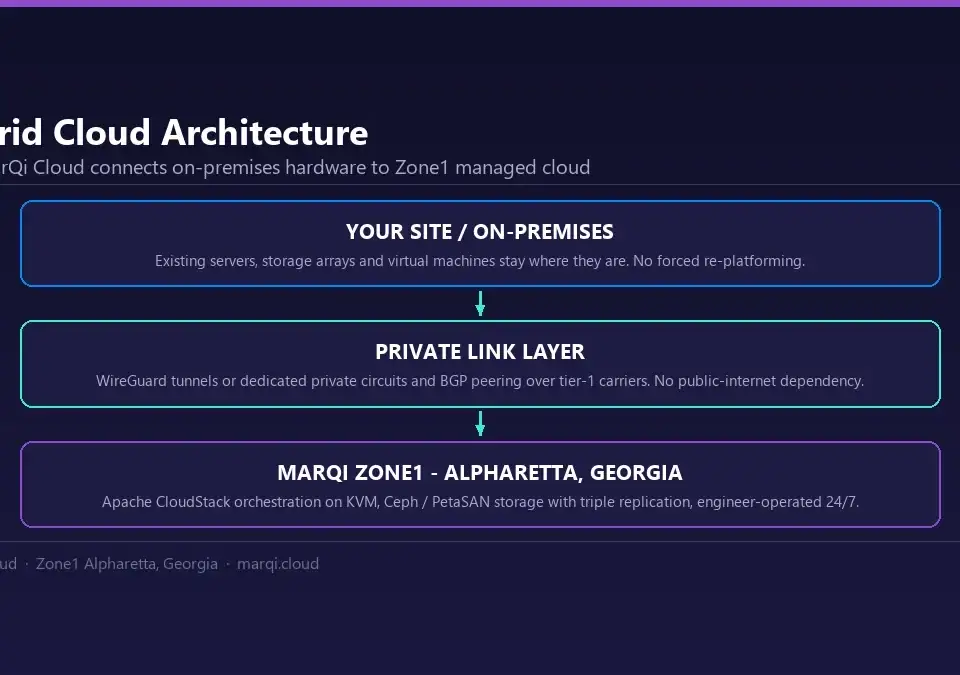
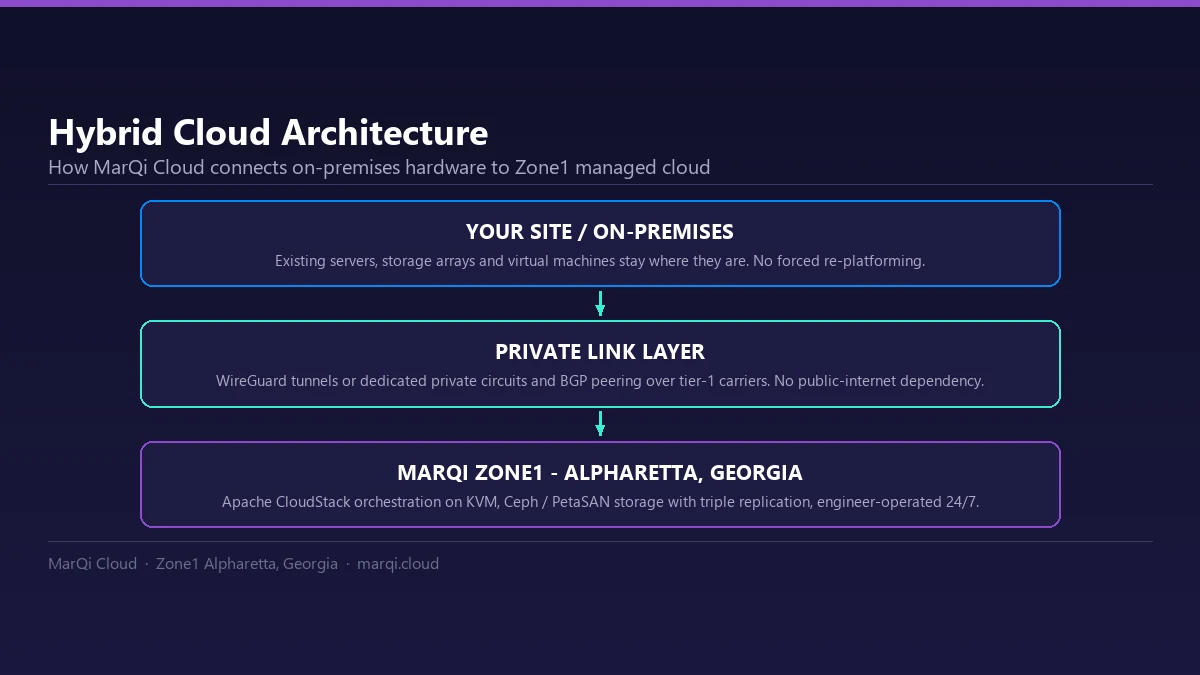
MarQi Cloud supports hybrid cloud deployment models, allowing you to combine on-premises and cloud resources. This flexibility is ideal for developers looking to optimize performance while maintaining control over their data.
Getting Started with MarQi Cloud
Now that you understand the advantages of MarQi Cloud, let’s dive into the steps to get started:
Step 1: Sign Up for an Account
The first step is to create an account on the MarQi Cloud platform. Visit the MarQi Cloud website and click on the sign-up button. Fill in your details, and once verified, you’ll gain access to the dashboard.
Step 2: Explore the Dashboard
Once you’ve logged in, take some time to explore the dashboard. Familiarize yourself with the layout, including the resource management section, billing information, and documentation. Understanding where everything is located will save you time later.
Step 3: Choose Your Deployment Model
Decide whether you want to use a hybrid cloud model, a private cloud, or public cloud resources based on your project requirements. MarQi Cloud provides templates and guidance to help you make the right choice.
Step 4: Create Your First Instance
To create your first instance, navigate to the compute section in the dashboard. Select the type of instance you need, configure the settings (such as CPU, RAM, and storage), and launch your instance. MarQi Cloud’s user-friendly interface makes this process quick and straightforward.
Step 5: Set Up Networking
Networking is a crucial aspect of cloud deployment. Configure your Virtual Private Cloud (VPC), subnets, and security groups to ensure your instance can communicate effectively while being protected from external threats.
Step 6: Deploy Your Application
With your instance up and running, it’s time to deploy your application. Use the integrated development tools provided by MarQi Cloud to streamline the deployment process. You can also use CI/CD pipelines to automate deployments, making it even easier.
Step 7: Monitor Performance
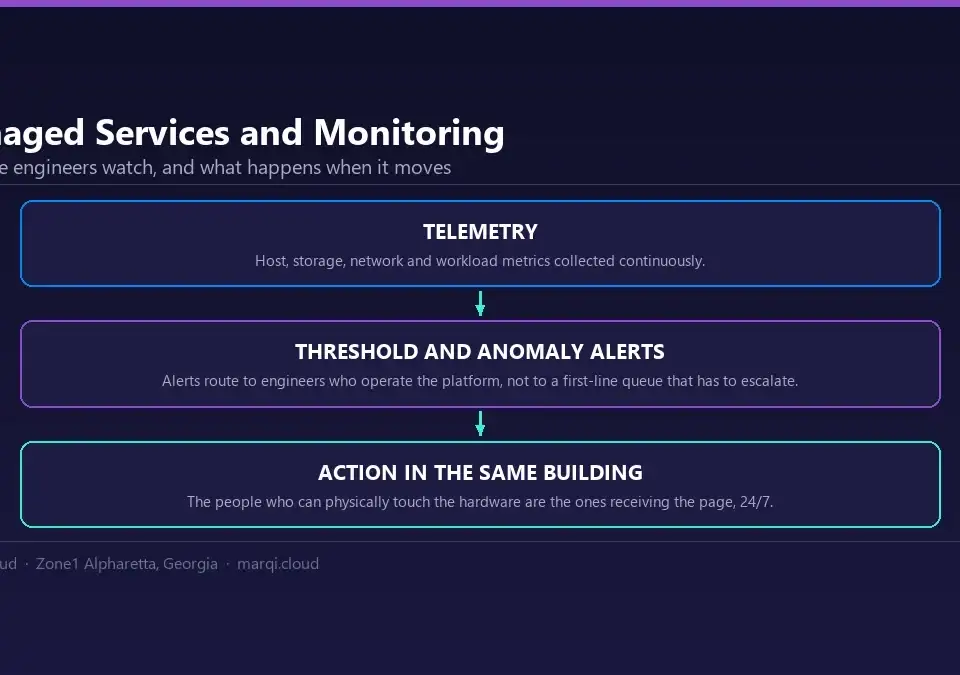
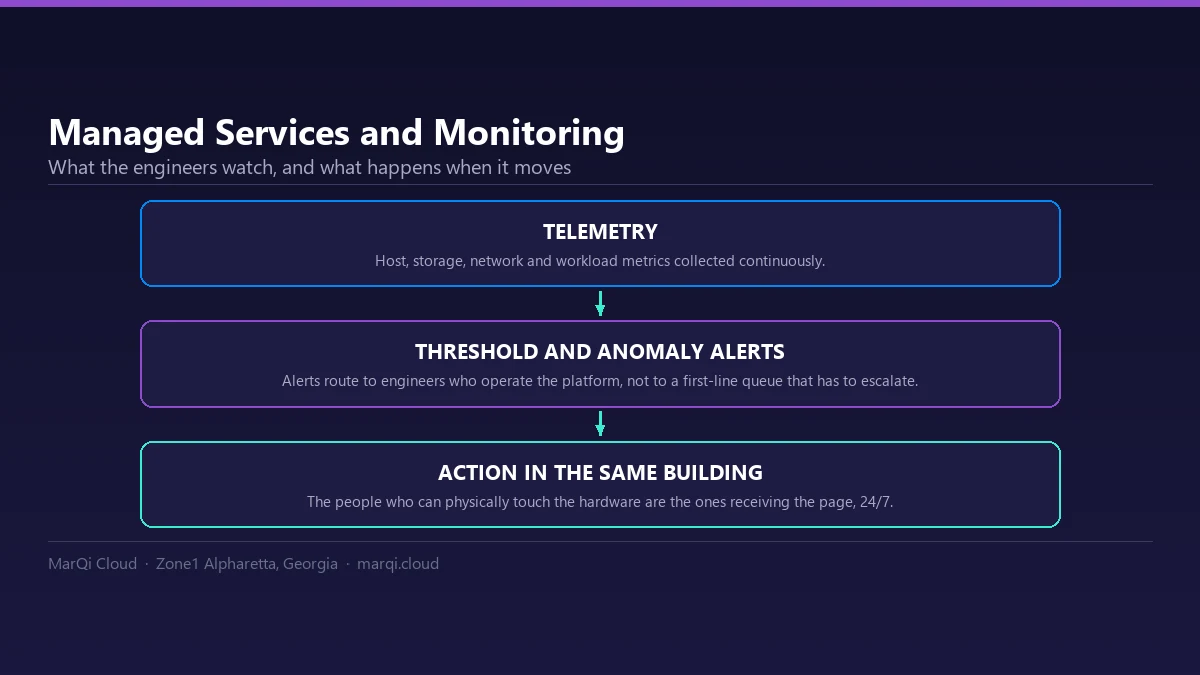
After deployment, monitoring your application’s performance is essential. MarQi Cloud offers robust monitoring tools that allow you to track metrics such as CPU usage, memory consumption, and network traffic. Use these insights to optimize your application further.
Best Practices for Using MarQi Cloud
To make the most of MarQi Cloud, consider the following best practices:
1. Leverage Automation
Utilize automation tools to streamline repetitive tasks. This can include setting up automated backups, scaling resources during peak times, and deploying updates without manual intervention.
2. Regularly Review Billing
Keep an eye on your billing to avoid unexpected charges. MarQi Cloud offers flexible pricing models, so ensure you’re on the right plan for your usage.
3. Stay Updated
Cloud technology is constantly evolving. Stay informed about new features and updates from MarQi Cloud to ensure you’re making the most of the platform.
4. Engage with Community Support
If you encounter issues or have questions, don’t hesitate to reach out to MarQi Cloud’s support team or engage with the developer community. Collaboration can lead to solutions faster than going it alone.
Conclusion
Getting started with MarQi Cloud as a developer doesn’t have to be a daunting task. With its user-friendly interface and robust features, MarQi Cloud provides the tools you need to develop applications efficiently. By following the steps outlined in this guide, you can set up your environment quickly and start focusing on what you do best: coding.
FAQs
1. What is MarQi Cloud?
MarQi Cloud is an enterprise-grade cloud infrastructure designed for developers, offering hybrid cloud deployment models and secure hosting environments.
2. How do I sign up for MarQi Cloud?
You can sign up for MarQi Cloud by visiting their website and creating an account.
3. What types of deployment models does MarQi Cloud offer?
MarQi Cloud supports hybrid cloud, private cloud, and public cloud deployment models.
4. Is MarQi Cloud secure?
Yes, MarQi Cloud provides private and secure hosting environments to protect your data.
5. Can I scale my resources on MarQi Cloud?
Yes. MarQi Cloud allows you to scale your compute and storage resources as needed.
6. What support options are available?
MarQi Cloud offers US-based infrastructure and support, ensuring assistance when you need it.
7. Are there flexible pricing models available?
Yes, MarQi Cloud provides flexible pricing models to fit various budgets and usage requirements.
8. How can I monitor my application’s performance on MarQi Cloud?
MarQi Cloud offers robust monitoring tools to help you track your application’s performance metrics.
9. What should I do if I encounter issues?
If you encounter issues, you can reach out to MarQi Cloud’s support team or engage with the developer community for assistance.
10. Are there resources available for learning more about MarQi Cloud?
Yes, MarQi Cloud provides comprehensive documentation and tutorials on their website to help you get started and utilize all features effectively.