How to Build a Serverless Architecture on MarQi Cloud Without Vendor Lock-In
April 26, 2026
How to Set Up Automated Failover on MarQi Cloud in Under an Hour
April 26, 2026
The MarQi Cloud Networking Guide: VLANs, Subnets, and Private Networking Explained
In the world of cloud computing, networking plays a pivotal role in ensuring that resources are efficiently allocated, securely accessed, and smoothly communicated. For businesses leveraging cloud infrastructure, understanding key networking concepts is essential for optimizing their operations. This guide will delve into virtual local area networks (VLANs), subnets, and private networking, providing you with the knowledge to navigate the complexities of cloud networking effectively.
Understanding VLANs
Virtual Local Area Networks (VLANs) are a critical component in managing network traffic and improving security within cloud environments. A VLAN allows network administrators to create logically segmented networks within a single physical network infrastructure. This segmentation helps in managing traffic, enhancing security, and improving performance.
What is a VLAN?
A VLAN is essentially a group of devices on a network that are configured to communicate as if they are on the same physical network, even if they are not. This is achieved by tagging Ethernet frames with a VLAN ID, which helps network switches identify which frames belong to which VLAN.
Benefits of VLANs
- Segmentation: VLANs help in segmenting network traffic, reducing congestion, and improving performance.
- Enhanced Security: By isolating sensitive data, VLANs can limit access to authorized users only.
- Simplified Management: VLANs enable easier management of network resources and policies.
Exploring Subnets
Subnets, or sub-networks, are another fundamental concept in cloud networking. They allow for the division of larger networks into smaller, more manageable segments. This is particularly useful in large organizations where different departments may require distinct network configurations.
What is a Subnet?
A subnet is a logically visible subdivision of an IP network. It allows network administrators to create multiple networks within a larger network and manage them more efficiently. Each subnet is identified by a unique subnet mask, which determines the range of IP addresses within that subnet.
Benefits of Subnets
- Improved Performance: Subnetting reduces broadcast domains, improving overall network performance.
- Enhanced Security: Subnets can be secured individually, adding another layer of security to the network.
- Efficient IP Address Management: Subnets allow for more efficient use of IP addresses, reducing waste.
Private Networking in the Cloud
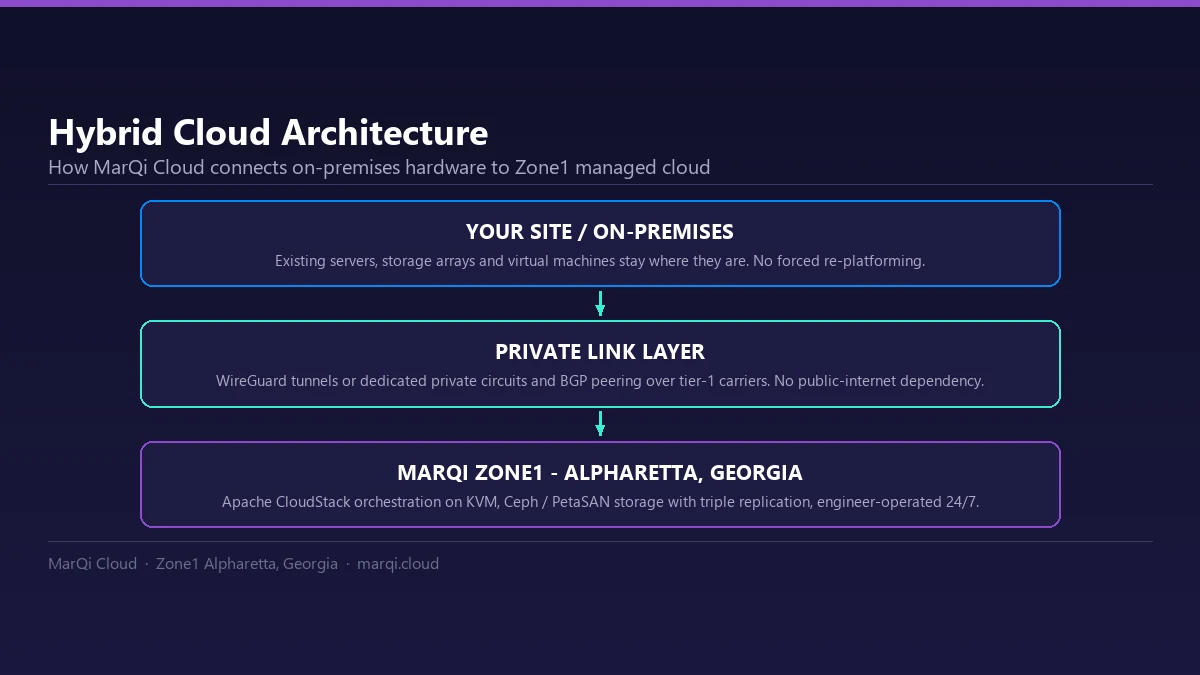
Private networking is a crucial aspect of security in cloud environments. It allows organizations to create isolated networks that are not accessible from the public internet, ensuring that sensitive data remains secure.
What is Private Networking?
Private networking refers to the creation of a dedicated network that is exclusive to a specific organization or group of users. This network can be set up in various ways, including through the use of virtual private networks (VPNs), direct connections, or dedicated leased lines.
Benefits of Private Networking
- Enhanced Security: Private networks significantly reduce the risk of unauthorized access and data breaches.
- Improved Performance: By limiting the number of users and devices on the network, performance can be optimized.
- Greater Control: Organizations have full control over their private networks, allowing for tailored configurations and policies.
Integrating VLANs, Subnets, and Private Networking
For organizations utilizing MarQi Cloud’s enterprise-grade cloud infrastructure, integrating VLANs, subnets, and private networking can lead to enhanced performance, security, and manageability. Here are some strategies for effective integration:
1. Plan Your Network Architecture
Before implementing VLANs and subnets, it’s essential to plan your network architecture carefully. Assess your organization’s needs and determine how to segment your network effectively.
2. Use VLANs for Logical Segmentation
Utilize VLANs to create logical groups of users and devices that need to communicate. This can help improve security and reduce network congestion.
3. Implement Subnets for Efficient IP Management
Plan your subnets according to your organization’s structure. Ensure that each department or functional area has its own subnet to optimize IP address management and enhance performance.
4. Establish Private Networking for Security
Implement private networking solutions to ensure that sensitive data is transmitted securely. This may include setting up VPNs or dedicated lines to safeguard communications.
Conclusion
Understanding VLANs, subnets, and private networking is crucial for organizations leveraging cloud infrastructure like MarQi Cloud. By effectively managing these components, businesses can enhance their network performance, improve security, and optimize resource allocation. As cloud technology continues to evolve, staying informed about these networking concepts will empower organizations to make the most of their cloud deployments.
FAQ
1. What is a VLAN?
A VLAN is a virtual local area network that segments network traffic and enhances security within a single physical network infrastructure.
2. How do VLANs improve network performance?
VLANs reduce congestion by segmenting traffic, allowing for more efficient data flow within the network.
3. What is the purpose of subnetting?
Subnetting divides larger networks into smaller, manageable segments for improved performance and security.
4. How does private networking enhance security?
Private networking restricts access to a dedicated network, reducing the risk of unauthorized access and data breaches.
5. What are the benefits of using subnets?
Subnets improve performance, enhance security, and allow for efficient IP address management.
6. Can VLANs and subnets be used together?
Yes, VLANs and subnets can be used together to create a more organized and secure network architecture.
7. What is the difference between a public and private network?
A public network is accessible to anyone, while a private network is restricted to specific users or organizations.
8. How can I implement a private network in the cloud?
You can implement a private network in the cloud by using VPNs, direct connections, or dedicated leased lines for secure communication.
9. What role does MarQi Cloud play in networking?
MarQi Cloud offers enterprise-grade cloud infrastructure with robust networking solutions, including VLANs, subnets, and private networking options.
10. Why is it important to understand cloud networking concepts?
Understanding cloud networking concepts helps organizations optimize their cloud deployments, enhance security, and improve resource management.