Atlanta AI Compute Market Outlook 2027: Trends, Challenges, and Opportunities
March 22, 2026
Dedicated Bare Metal Hosting in Georgia – Complete Guide
March 23, 2026
The Ultimate Guide to Hybrid Cloud AI Architecture
Introduction
In the rapidly evolving world of technology, artificial intelligence (AI) has emerged as a transformative force across various industries. The integration of AI with cloud computing has given rise to hybrid cloud AI architecture, allowing organizations to leverage the best of both public and private cloud environments. In this comprehensive guide, we will explore the fundamentals of hybrid cloud AI architecture, its benefits, components, and best practices for implementation.
What is Hybrid Cloud AI Architecture?
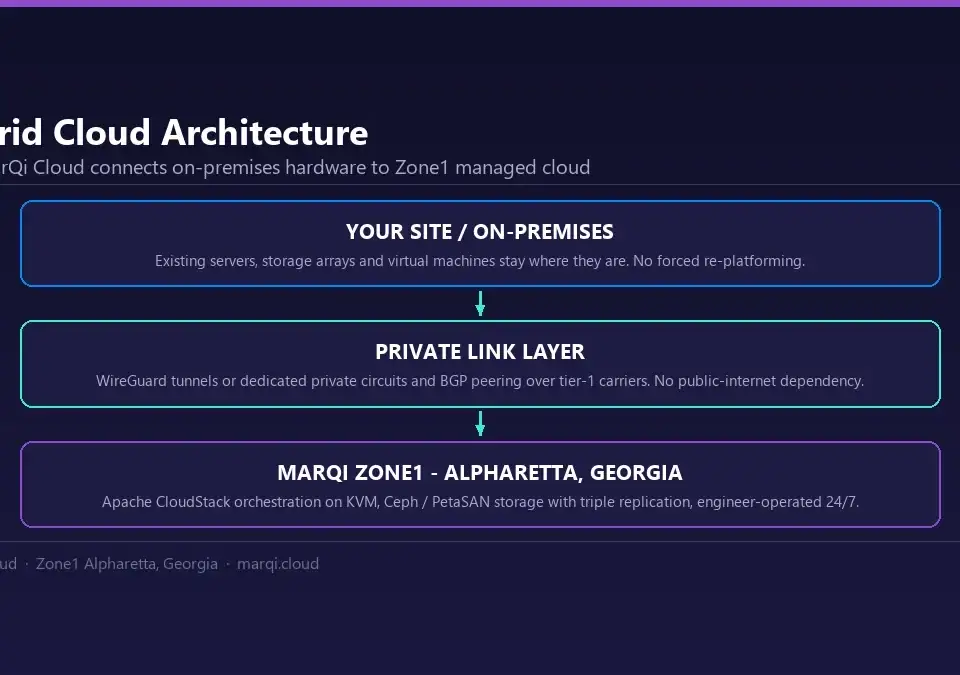
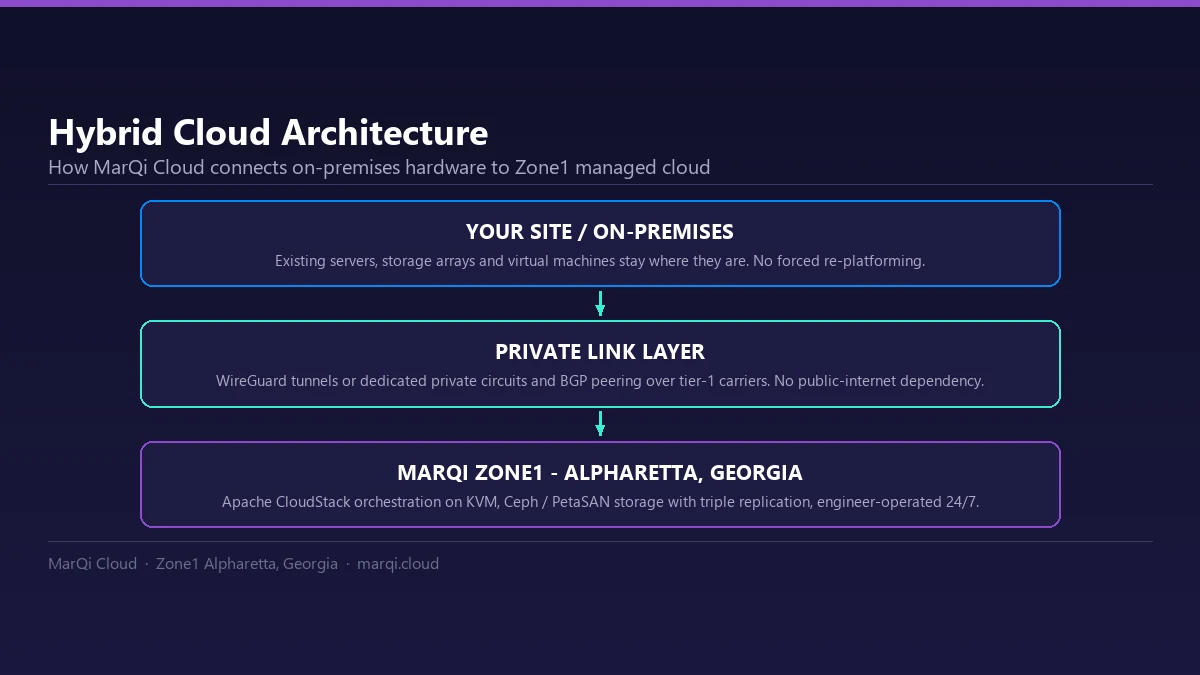
Hybrid cloud AI architecture refers to a computing environment that combines both on-premises private cloud infrastructure and third-party public cloud services. This setup enables organizations to process and analyze large volumes of data while maintaining flexibility, scalability, and security. By utilizing a hybrid approach, businesses can deploy AI applications and workloads in a manner that optimizes performance and cost-efficiency.
Benefits of Hybrid Cloud AI Architecture
1. Flexibility and Scalability
One of the primary advantages of hybrid cloud AI architecture is its inherent flexibility. Organizations can choose where to run their AI workloads based on changing business needs. The scalable nature of cloud resources allows businesses to easily expand or contract their computing and storage capabilities, ensuring they meet demand without overspending.
2. Enhanced Security
Security is a top concern for any organization, especially when dealing with sensitive data. Hybrid cloud AI architecture allows businesses to keep critical data on-premises or in a private cloud environment while leveraging public cloud resources for less sensitive operations. This approach provides a balanced solution that safeguards data while still benefiting from cloud computing efficiencies.
3. Cost Efficiency
By utilizing a hybrid cloud model, organizations can optimize their costs. They can take advantage of the pay-as-you-go pricing model of public cloud services while minimizing the expenses associated with maintaining a full private cloud infrastructure. This leads to improved budget management and resource allocation.
4. Improved Performance
Hybrid cloud AI architecture can enhance performance by allowing businesses to run AI workloads closer to where the data resides. By processing data locally and leveraging the power of the public cloud for additional resources when needed, organizations can achieve faster response times and better overall performance.
Key Components of Hybrid Cloud AI Architecture
1. Cloud Providers
Selecting the right cloud providers is critical for the success of a hybrid cloud AI architecture. Organizations must carefully evaluate the offerings of major public cloud providers, such as Amazon Web Services (AWS), Microsoft Azure, and Google Cloud Platform, as well as consider private cloud solutions that align with their specific needs.
2. Data Management Tools
Effective data management is essential for AI applications. Organizations should invest in data management tools that facilitate seamless data integration, storage, and processing across both private and public cloud environments. This ensures that data is readily accessible for AI model training and execution.
3. AI Tools and Frameworks
To develop and deploy AI applications, organizations must utilize various AI tools and frameworks. Popular options include TensorFlow, PyTorch, and Apache Spark. These frameworks can help streamline the AI development process and ensure compatibility with hybrid cloud environments.
4. Networking Solutions
Robust networking solutions are crucial for enabling communication between on-premises infrastructure and the public cloud. Organizations should consider implementing Virtual Private Networks (VPNs), direct connections, or other networking technologies to ensure secure and reliable data transfer.
Best Practices for Implementing Hybrid Cloud AI Architecture
1. Assess Your Needs
Before embarking on a hybrid cloud AI architecture journey, organizations should conduct a thorough assessment of their current infrastructure, data requirements, and business goals. This evaluation will help identify the right balance between public and private cloud resources.
2. Develop a Clear Strategy
Having a well-defined strategy is crucial for successful implementation. Organizations should outline how they plan to manage workloads, data flows, and security protocols. A clear strategy will guide decision-making and help mitigate risks associated with hybrid cloud deployments.
3. Ensure Compliance
Data compliance is essential, especially for organizations operating in regulated industries. It’s important to ensure that the hybrid cloud architecture adheres to relevant regulations and standards, such as GDPR or HIPAA. This may involve implementing additional security measures and data governance policies.
4. Monitor Performance
Continuous monitoring of performance is vital for maintaining optimal operation in a hybrid cloud AI architecture. Organizations should implement performance monitoring tools that provide insights into workload efficiency, resource utilization, and system health.
Real-World Applications of Hybrid Cloud AI Architecture
1. Healthcare
In the healthcare sector, hybrid cloud AI architecture can be used to analyze patient data, improve diagnostics, and enhance personalized treatment plans. By keeping sensitive patient information secure in a private cloud while utilizing public cloud resources for AI processing, healthcare organizations can harness the power of AI without compromising data security.
2. Finance
Financial institutions can benefit from hybrid cloud AI by improving fraud detection, risk assessment, and customer service. The ability to analyze large datasets in real-time allows these organizations to make better-informed decisions while ensuring that sensitive financial data remains protected.
3. Retail
Retail businesses are increasingly leveraging hybrid cloud AI architecture to enhance customer experiences, optimize supply chain management, and personalize marketing efforts. By integrating data from various sources and utilizing AI algorithms, retailers can gain valuable insights into consumer behavior.
Challenges in Hybrid Cloud AI Architecture
1. Complexity
Implementing a hybrid cloud AI architecture can introduce complexity due to the need to manage multiple environments. Organizations must ensure that their teams are equipped with the necessary skills and knowledge to navigate this complexity effectively.
2. Data Security
While hybrid cloud offers enhanced security, it also presents new challenges. Organizations must implement robust security measures to protect data during transfers between public and private clouds and ensure compliance with relevant regulations.
3. Vendor Lock-In
Organizations should be cautious of vendor lock-in when selecting cloud providers. It’s essential to choose solutions that allow for interoperability and flexibility to avoid being tied to a single provider’s ecosystem.
Conclusion
Hybrid cloud AI architecture represents a powerful solution for organizations looking to harness the benefits of AI while maintaining control over their data and infrastructure. By understanding the components, benefits, and best practices associated with this architecture, businesses can position themselves for success in an increasingly digital world. As organizations continue to explore the potential of AI, hybrid cloud solutions will play a crucial role in driving innovation and performance.
FAQ
1. What is hybrid cloud AI architecture?
Hybrid cloud AI architecture combines private and public cloud resources to optimize the deployment and management of AI workloads.
2. What are the benefits of using hybrid cloud for AI?
Benefits include flexibility, scalability, enhanced security, and cost efficiency.
3. How does hybrid cloud AI architecture improve performance?
It allows organizations to process data closer to where it resides, resulting in faster response times and improved performance.
4. What components are essential for hybrid cloud AI architecture?
Key components include cloud providers, data management tools, AI frameworks, and networking solutions.
5. What challenges might organizations face with hybrid cloud AI?
Challenges include complexity, data security concerns, and the risk of vendor lock-in.
6. How can organizations ensure compliance in hybrid cloud environments?
Organizations should implement security measures and governance policies that adhere to relevant regulations.
7. What industries can benefit from hybrid cloud AI architecture?
Industries such as healthcare, finance, and retail can benefit significantly from hybrid cloud AI.
8. What best practices should organizations follow when implementing hybrid cloud AI?
Organizations should assess their needs, develop a clear strategy, ensure compliance, and monitor performance continuously.