How Service Level Indicators Define Reliability for Cloud-Hosted Applications
September 20, 2026
The Complete Guide to On-Call Rotation Best Practices for Cloud Operations Teams
September 21, 2026
Why Toil Elimination Is the Core Mission of SRE Teams on Cloud Infrastructure
In the rapidly evolving landscape of cloud infrastructure, the role of Site Reliability Engineering (SRE) teams has become increasingly pivotal. One of the fundamental missions of SRE teams is the elimination of toil, defined as the repetitive, manual work that does not add lasting value to the product or service. As enterprises continue to adopt cloud solutions, such as those offered by MarQi Cloud, understanding the importance of toil elimination becomes essential for enhancing operational efficiency and achieving business objectives. In this article, we will delve into the significance of toil elimination in the context of SRE, explore effective strategies for achieving this goal, and examine how MarQi Cloud supports enterprises in their journey towards a more streamlined and efficient cloud infrastructure.
Understanding Toil in SRE
Toil, as stated in the SRE book by Google, refers to the manual work that is often tedious and repetitive, which detracts from the core responsibilities of SRE teams. This work typically includes tasks like manual deployments, responding to alerts, and maintaining documentation. Eliminating toil is essential not just for enhancing efficiency but also for fostering a culture of innovation among SRE teams. By focusing on toil elimination, SRE teams can redirect their efforts towards more impactful activities such as improving system reliability and enhancing user experience.
The Impact of Toil on Cloud Operations
The presence of toil in cloud operations can have several detrimental effects:
- Reduced Efficiency: Teams bogged down by repetitive tasks are less productive and can experience burnout, leading to higher turnover rates.
- Increased Risk of Errors: Manual processes are prone to human error, which can result in outages or degraded service quality.
- Stifled Innovation: When teams spend too much time on toil, they have less time to innovate and implement new features that can drive business growth.
- Higher Operational Costs: The more time spent on toil, the higher the operational costs as resources are not utilized effectively.
According to a study by the DevOps Institute, organizations that successfully eliminate toil can see productivity increases of up to 30%. This statistic underscores the importance of prioritizing toil elimination in cloud operations.
Strategies for Toil Elimination
To effectively eliminate toil, SRE teams can adopt several strategies:
1. Automate Repetitive Tasks
Automation is the cornerstone of toil elimination. By automating routine tasks such as deployments, monitoring, and incident responses, SRE teams can significantly reduce the manual workload. Tools like Jenkins for CI/CD, Terraform for infrastructure as code, and Prometheus for monitoring can play a crucial role in this process.
2. Implement Self-Service Capabilities
Providing self-service capabilities allows development teams to manage their own deployments and infrastructure needs without direct SRE intervention. This not only reduces the burden on SRE teams but also empowers developers, leading to faster delivery cycles.
3. Establish Clear SLAs and SLOs
Defining Service Level Agreements (SLAs) and Service Level Objectives (SLOs) helps teams focus on high-impact tasks. By setting clear performance metrics, SRE teams can prioritize their efforts on areas that drive reliability and performance.
4. Conduct Regular Toil Audits
Regular audits of existing processes can help identify areas of toil. By assessing which tasks are repetitive and time-consuming, teams can develop targeted strategies for automation and improvement.
5. Foster a Culture of Continuous Improvement
Encouraging a culture where team members are motivated to propose improvements can lead to innovative solutions for toil reduction. This includes regular retrospectives to discuss what worked well and what could be improved.
Tools and Automation for SRE Teams
To effectively eliminate toil, SRE teams should leverage a variety of tools and automation technologies. Here’s a comparison table illustrating some of the most commonly used tools in the industry:
| Tool | Purpose | Benefits |
|---|---|---|
| Jenkins | Continuous Integration and Continuous Deployment (CI/CD) | Automates the build and deployment process, reducing manual effort. |
| Terraform | Infrastructure as Code | Enables automation of infrastructure provisioning, minimizing human error. |
| Prometheus | Monitoring and Alerting | Provides real-time monitoring and alerting, allowing for quick incident response. |
| Kubernetes | Container Orchestration | Automates deployment, scaling, and management of containerized applications. |
| PagerDuty | Incident Management | Automates incident response processes, reducing downtime. |
By utilizing these tools, SRE teams can streamline their workflows, minimize manual tasks, and focus on high-value activities that enhance service reliability.
The Role of MarQi Cloud in Supporting SRE Teams
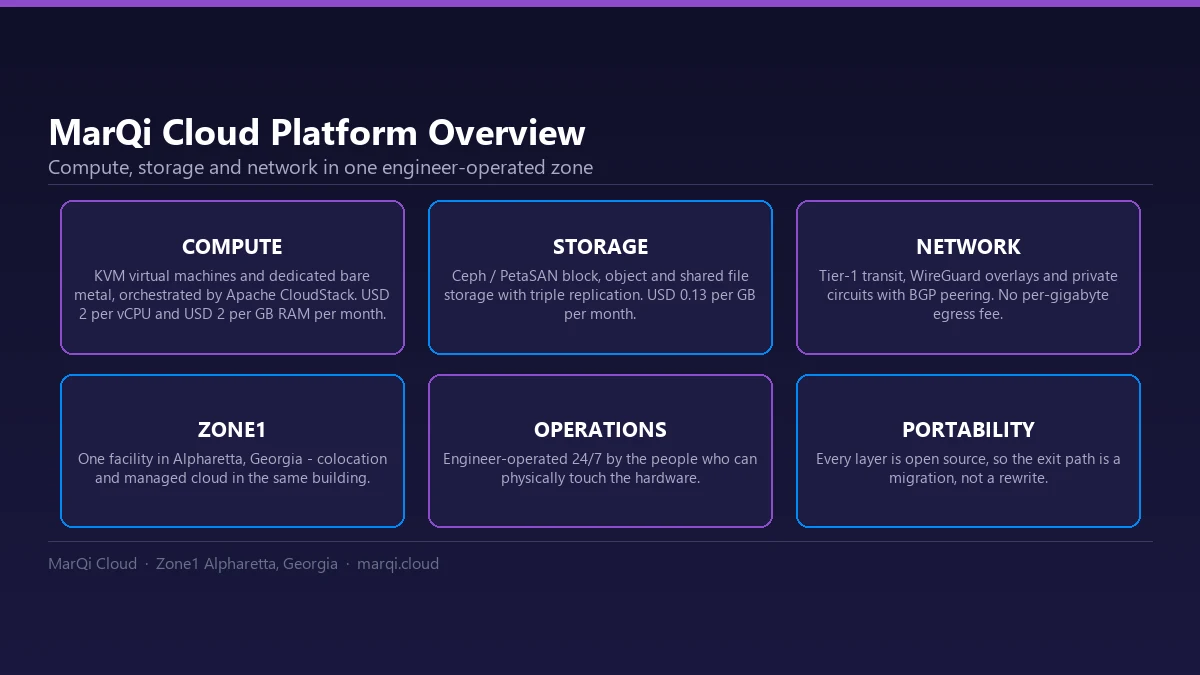
MarQi Cloud is committed to providing enterprise-grade cloud infrastructure that supports SRE teams in their mission to eliminate toil. With features such as hybrid cloud deployment models, private and secure hosting environments, and scalable compute and storage resources, MarQi Cloud enables organizations to automate and optimize their operations effectively.
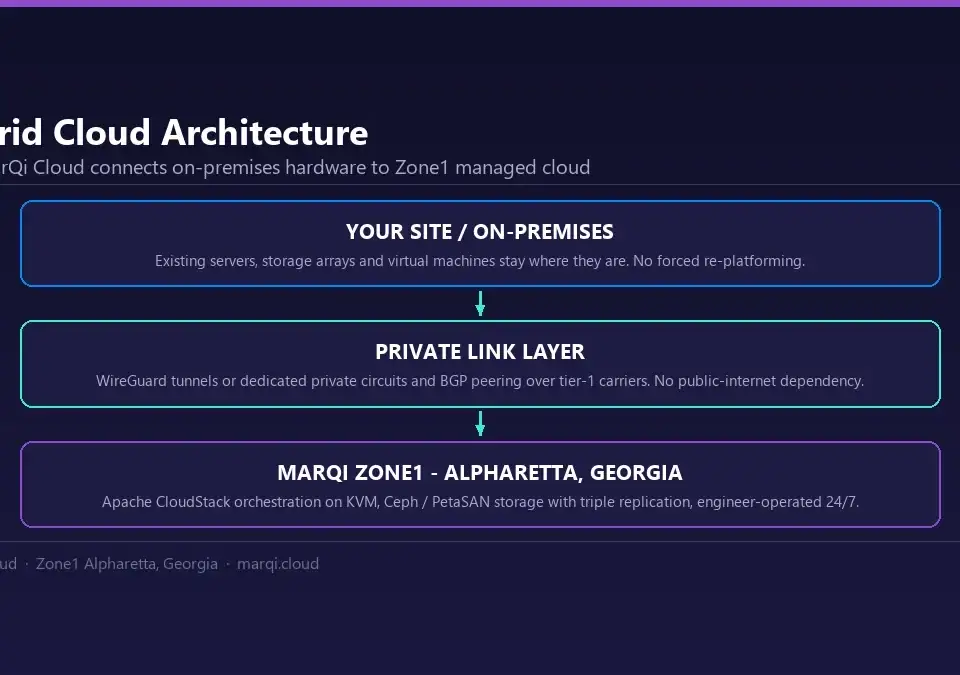
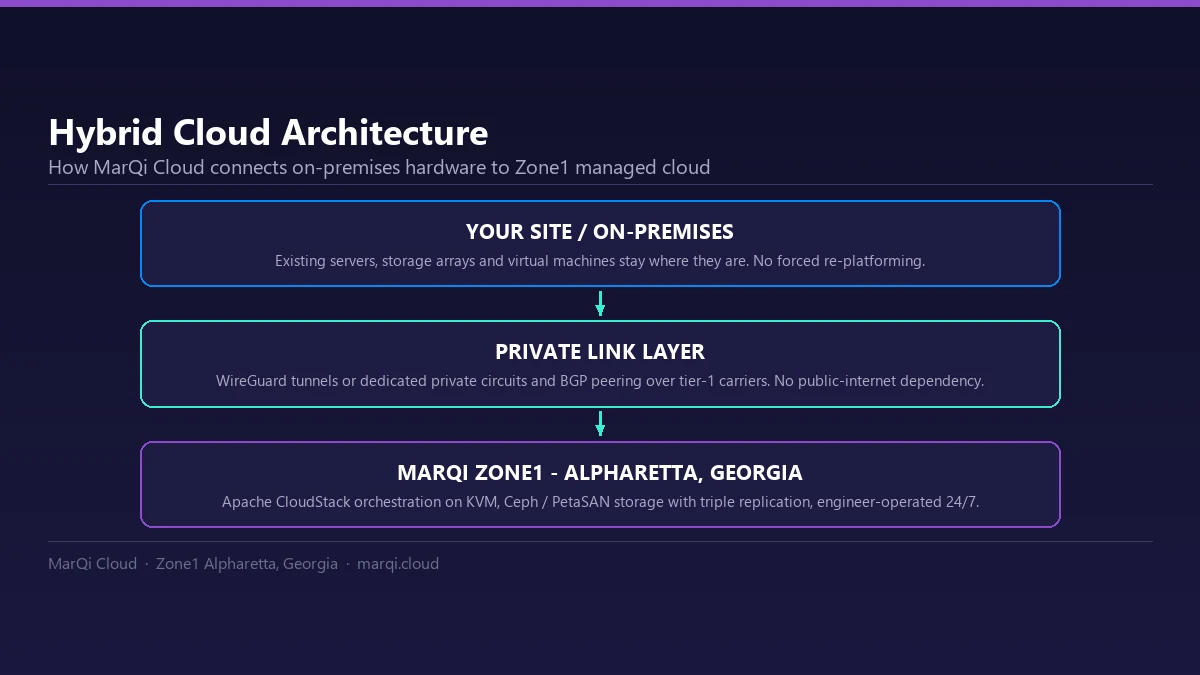
For instance, with MarQi Cloud’s hybrid cloud solutions, organizations can seamlessly integrate on-premise systems with cloud resources, allowing for greater flexibility and reducing the need for manual intervention. Additionally, MarQi Cloud’s focus on white-glove managed services ensures that SRE teams have access to expert support, allowing them to focus on strategic initiatives rather than operational toil.
Case Studies: Successful Toil Elimination
To illustrate the impact of toil elimination, let’s look at a few case studies of organizations that have successfully implemented these strategies:
Case Study 1: A Financial Services Company
A leading financial services company faced significant challenges due to high levels of operational toil, resulting in prolonged incident resolution times and decreased system reliability. By adopting a comprehensive automation strategy using tools like Terraform and Jenkins, they were able to reduce toil by 40%. This shift not only improved system uptime but also allowed their SRE team to focus on innovation, leading to the development of new customer-facing features.
Case Study 2: A Healthcare Provider
A healthcare provider struggled with manual deployments and compliance requirements, which consumed valuable SRE resources. By implementing self-service capabilities and establishing clear SLOs, they successfully reduced toil by 50%. This allowed their SRE team to enhance their monitoring capabilities and ensure compliance with healthcare regulations.
These case studies demonstrate that eliminating toil is not merely an operational goal; it is a strategic imperative that can drive significant business outcomes.
Frequently Asked Questions
What is toil in SRE?
Toil refers to the manual, repetitive work that does not add lasting value and can be automated to improve efficiency.
Why is toil elimination important for SRE teams?
Eliminating toil allows SRE teams to focus on high-impact tasks, innovate more effectively, and reduce operational costs.
How can automation help reduce toil?
Automation can handle repetitive tasks such as deployments and monitoring, freeing up SRE resources for strategic initiatives.
What tools are essential for SRE teams to eliminate toil?
Key tools include Jenkins, Terraform, Prometheus, Kubernetes, and PagerDuty, all of which help automate various aspects of cloud operations.
How does MarQi Cloud support SRE teams?
MarQi Cloud offers enterprise-grade infrastructure, hybrid cloud solutions, and managed services that facilitate toil elimination.
What are some common challenges in eliminating toil?
Common challenges include resistance to change, lack of automation tools, and insufficient training for teams.
How can organizations measure the success of toil elimination?
Success can be measured through metrics like reduced incident response times, improved system uptime, and increased team productivity.
What is the future of SRE and toil elimination?
The future of SRE will increasingly focus on automation and self-service capabilities, further reducing toil and enhancing operational efficiency.