MarQi Cloud Year in Review 2026: Innovations and Future Outlook
July 2, 2026How to Choose the Right VPS Plan on MarQi Cloud for Your Business Needs
July 3, 2026
Top Cloud Infrastructure Trends for 2027 and How MarQi Cloud Is Ready
The landscape of cloud infrastructure is evolving rapidly, and as we approach 2027, it’s crucial for organizations to stay ahead of the curve. With the rise of hybrid cloud solutions, increased focus on security, and the integration of AI and machine learning, understanding these trends is vital for enterprise success. In this article, we will explore the top cloud infrastructure trends for 2027 and illustrate how MarQi Cloud is uniquely positioned to meet these demands, ensuring that your organization can leverage the best of cloud technology.
1. The Rise of Hybrid Cloud Solutions
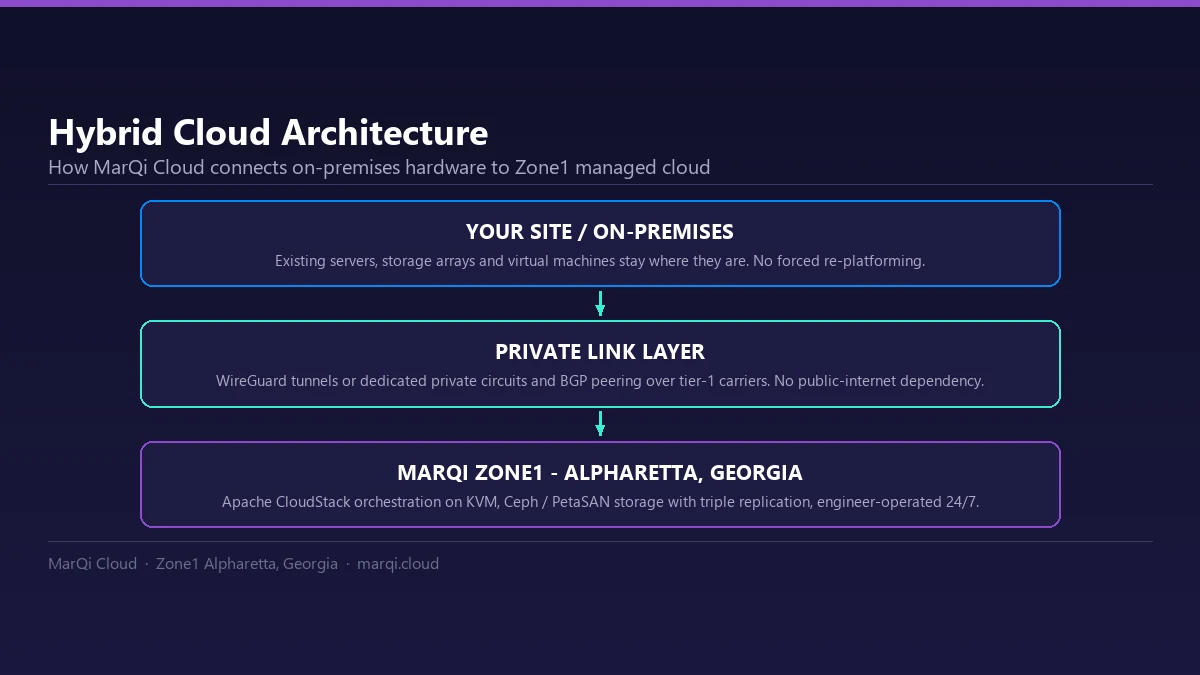
Hybrid cloud solutions are becoming increasingly popular as organizations seek to combine the best of both public and private cloud environments. This trend allows businesses to optimize their cloud strategy by balancing flexibility and control. Hybrid cloud has become a mainstream model rather than an exception. This shift is driven by the need for businesses to scale operations, enhance data security, and maintain compliance with regulatory requirements.
Benefits of Hybrid Cloud Solutions
- Flexibility: Organizations can choose between public and private cloud resources based on their specific needs.
- Cost Efficiency: By optimizing workloads, businesses can reduce costs associated with cloud infrastructure.
- Enhanced Security: Sensitive data can be kept on private clouds while leveraging public cloud resources for less critical operations.
MarQi Cloud’s hybrid cloud solutions offer enterprise-grade infrastructure that is scalable and secure, making it an ideal choice for businesses looking to implement this trend.
2. Enhanced Security Measures
As cyber threats continue to evolve, enhanced security measures are paramount for cloud infrastructure. Businesses are increasingly investing in advanced security protocols to protect their data and applications. The Cybersecurity and Infrastructure Security Agency (CISA) emphasizes that organizations must adopt a proactive approach to cybersecurity, including regular assessments and updates to their security posture.
Key Security Trends to Watch
- Zero Trust Architecture: This model requires strict verification for every person and device attempting to access resources.
- Data Encryption: Encrypting data both in transit and at rest is becoming a standard practice to safeguard sensitive information.
- Continuous Monitoring: Organizations are implementing real-time monitoring solutions to detect and respond to threats quickly.
MarQi Cloud provides managed cloud infrastructure with built-in security features to ensure your enterprise data remains protected.
3. Increased Adoption of AI and Machine Learning
Artificial intelligence (AI) and machine learning (ML) are transforming the way businesses operate. By 2027, it is anticipated that AI will play a pivotal role in automating processes and enhancing decision-making. AI adoption is expected to have a substantial economic impact worldwide.
AI Use Cases in Cloud Infrastructure
- Predictive Analytics: AI can analyze data patterns to forecast trends and drive business strategies.
- Automated Support: AI-driven chatbots and virtual assistants can enhance customer service.
- Resource Optimization: AI can optimize resource allocation within cloud environments, improving efficiency.
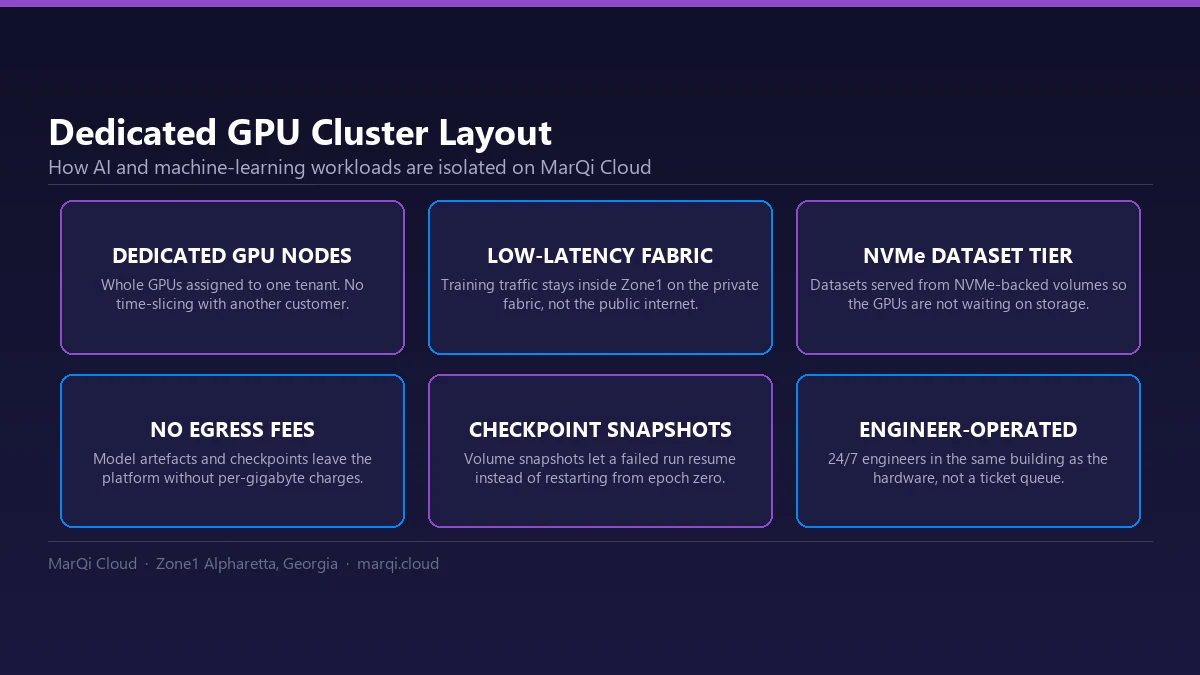
MarQi Cloud’s infrastructure is designed to support AI workloads, providing GPU resources that enable businesses to leverage AI technologies effectively.
4. Focus on Sustainability and Energy Efficiency
As environmental concerns grow, organizations are increasingly focusing on sustainability and energy efficiency in their cloud infrastructure. Data centers are significant energy consumers, which is driving a push for greener technologies.
Strategies for Sustainable Cloud Infrastructure
- Renewable Energy Sources: Many cloud providers are transitioning to renewable energy to power their data centers.
- Efficient Cooling Solutions: Advanced cooling technologies can significantly reduce energy consumption.
- Carbon Offsetting: Companies are investing in carbon offset programs to mitigate their environmental impact.
MarQi Cloud is committed to sustainability, ensuring that our infrastructure minimizes energy consumption and utilizes eco-friendly practices.
5. The Importance of Edge Computing
As the Internet of Things (IoT) continues to expand, edge computing is becoming increasingly essential for cloud infrastructure. By processing data closer to the source, businesses can achieve lower latency and improved performance.
Benefits of Edge Computing
- Reduced Latency: Processing data at the edge minimizes delays, enhancing user experience.
- Bandwidth Savings: Edge computing reduces the amount of data transmitted to the cloud, saving bandwidth costs.
- Real-Time Data Processing: Organizations can analyze data in real time, enabling quicker decision-making.
MarQi Cloud’s network fabric is designed to support edge computing, ensuring that businesses can leverage this trend effectively.
6. Improved Disaster Recovery Solutions
Disaster recovery is a critical aspect of cloud infrastructure, and organizations are increasingly investing in robust solutions to ensure business continuity. The annual IBM Cost of a Data Breach Report tracks how expensive and disruptive breaches remain, which highlights the need for effective disaster recovery strategies.
Key Elements of Effective Disaster Recovery
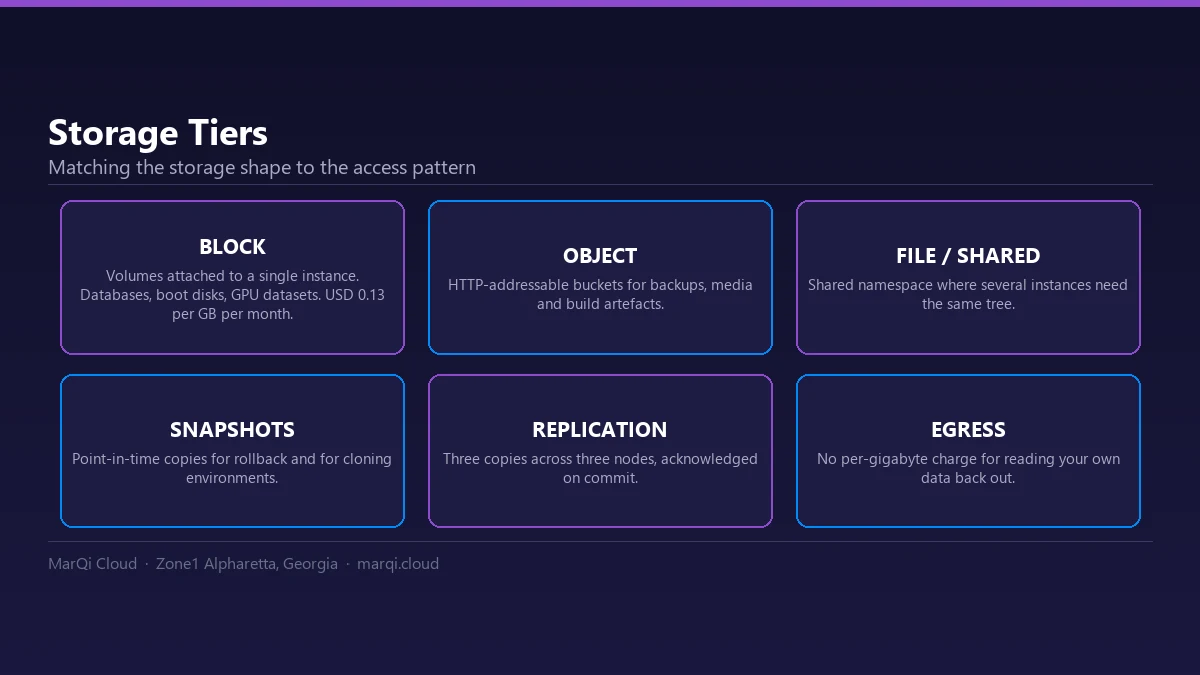
- Regular Backups: Organizations should implement automated backup solutions to ensure data is consistently backed up.
- Testing Recovery Plans: Regularly testing disaster recovery plans is essential for identifying weaknesses.
- Geographic Redundancy: Storing data across multiple locations enhances resilience against outages.
MarQi Cloud offers disaster recovery solutions that are designed to protect your data without breaking the bank.
7. Growing Demand for Multi-Cloud Strategies
Multi-cloud strategies are gaining traction as organizations seek to avoid vendor lock-in and enhance their flexibility. Many enterprises have adopted a multi-cloud strategy to improve resilience and performance.
Advantages of Multi-Cloud Strategies
- Vendor Flexibility: Organizations can choose the best services from multiple providers.
- Increased Redundancy: Using multiple cloud providers enhances reliability and minimizes downtime.
- Cost Optimization: Businesses can leverage competitive pricing across different platforms.
MarQi Cloud is uniquely equipped to support multi-cloud strategies, allowing organizations to seamlessly integrate their on-premises infrastructure with our private circuits and peering services.
How MarQi Cloud Is Ready for 2027
As we look toward 2027, MarQi Cloud is committed to staying at the forefront of these emerging trends. Our enterprise cloud infrastructure is designed to adapt to the evolving needs of businesses, providing secure, scalable, and efficient solutions. Here’s how we are ready:
1. Advanced Hybrid Cloud Solutions
Our hybrid cloud solutions allow businesses to leverage the best of both public and private clouds, ensuring flexibility and control.
2. Robust Security Features
With a focus on security, MarQi Cloud implements advanced security measures, including encryption and zero trust architecture, to protect your data.
3. Support for AI and ML Workloads
Our infrastructure is optimized for AI and ML applications, providing the necessary resources to drive innovation.
4. Commitment to Sustainability
MarQi Cloud is dedicated to sustainability, utilizing renewable energy sources and efficient practices to minimize our environmental impact.
5. Enhanced Disaster Recovery Options
Our comprehensive disaster recovery solutions ensure that your business can recover quickly from any unforeseen events.
6. Multi-Cloud Integration
We offer seamless integration with multiple cloud providers, allowing businesses to implement effective multi-cloud strategies without the risk of vendor lock-in.
FAQ Section
What are the key cloud infrastructure trends for 2027?
The key trends include the rise of hybrid cloud solutions, enhanced security measures, increased adoption of AI and machine learning, focus on sustainability, edge computing, improved disaster recovery, and growing demand for multi-cloud strategies.
Why is hybrid cloud becoming more popular?
Hybrid cloud solutions offer flexibility, cost efficiency, and enhanced security by allowing organizations to optimize their cloud resources based on specific needs.
How does MarQi Cloud ensure data security?
MarQi Cloud implements advanced security measures such as zero trust architecture, data encryption, and continuous monitoring to protect enterprise data.
What role does AI play in cloud infrastructure?
AI enhances cloud infrastructure by automating processes, optimizing resource allocation, and enabling predictive analytics for better decision-making.
Why is sustainability important in cloud computing?
Sustainability is crucial as data centers consume significant energy. Companies are adopting greener practices to minimize their environmental impact.
What is edge computing?
Edge computing processes data closer to the source, reducing latency and improving performance, especially for IoT applications.
How can organizations improve their disaster recovery plans?
Organizations can improve disaster recovery by implementing regular backups, testing recovery plans, and ensuring geographic redundancy.
What are the benefits of multi-cloud strategies?
Multi-cloud strategies provide vendor flexibility, increased redundancy, and cost optimization by allowing organizations to leverage services from multiple providers.