Unlocking the Future: AI Infrastructure for FinTech in Atlanta
March 27, 2026
Why Enterprises Use Private Circuits and Peering Services
March 27, 2026

Why Enterprises Are Moving to Hybrid Cloud Services
Introduction
Hybrid cloud services are becoming a popular choice for businesses because they offer a simple and flexible way to manage data and applications. A hybrid cloud combines private cloud, public cloud, and on-premise systems, allowing companies to use them together in one setup.
Many businesses are moving away from traditional IT systems because they are costly and hard to scale. This is why the demand for a reliable hybrid cloud services provider is growing.
The main benefit of hybrid cloud is balance. It gives businesses flexibility, better control over data, and the ability to grow easily when needed.
Role of a Hybrid Cloud Services Provider
A hybrid cloud services provider helps businesses bring together their private cloud, public cloud, and on-premise systems into one simple and connected setup. This makes it easier to manage data, run applications, and move workloads without any hassle.
Key Features of a Hybrid Cloud Services Provider
- Connects different cloud environments so everything works smoothly
- Allows businesses to move workloads where they fit best
- Provides one system to manage all cloud and on-premise resources
Key Benefits
- Offers flexibility to grow and scale when needed
- Keeps important data safe and secure
- Helps reduce costs by using resources wisely
Overall, a hybrid cloud services provider makes it easier for businesses to stay flexible, secure, and efficient in their daily operations.
Hybrid Cloud Infrastructure Services
Hybrid cloud infrastructure services let businesses connect their on-premise data centers, private clouds, and public clouds into one simple and flexible system. With these services, companies can easily share data and run applications across different environments.
Key Features
- Integration: Connect private systems with public clouds for smooth operations
- Workload Portability: Move applications between environments based on needs
- Flexibility & Scalability: Use public cloud for high-demand tasks and private cloud for sensitive data
- Unified Management: Manage all cloud and on-premise resources from one platform
Common Uses
- Cloud Bursting: Handle extra workloads with public cloud resources during busy times
- Data Security & Compliance: Keep sensitive data safe while meeting regulations
- Backup & Disaster Recovery: Store backups and ensure business continuity
- App Development: Build applications that run across different environments
Benefits
- Faster Operations: Deploy apps quickly across multiple environments
- Cost Savings: Use the right infrastructure for each workload
- Better Security: Protect important data while still using the cloud for flexibility
Using hybrid cloud infrastructure services helps businesses stay flexible, save costs, and keep their data secure while growing in a fast-changing digital world.
Why Enterprise Hybrid Cloud Services Are Key for Modern Businesses
Enterprise hybrid cloud services allow businesses to combine their on-premise private infrastructure with public cloud platforms like AWS or Azure into one smooth and managed environment. This approach lets companies keep sensitive data secure while taking advantage of the flexibility, scalability, and cost savings of the public cloud.
Key Features
- Integrated Architecture: Connect private data centers and public clouds for seamless operations
- Unified Management: Control all resources, automation, and security from a single platform
- Flexibility & Portability: Easily move applications and data between private and public environments
- Modern Tools: Use virtualization, containerization (like Kubernetes), and robust networking for efficiency
Common Uses
- Application Development & Testing: Flexible environments for developers
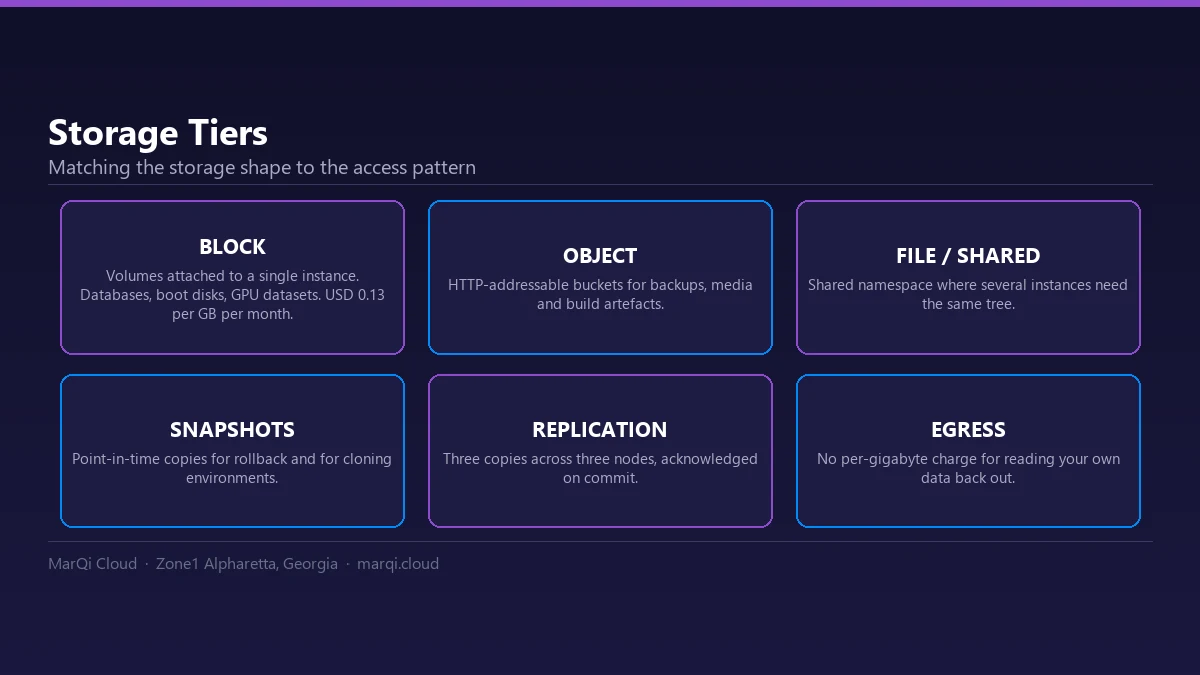
- Data Storage & Backup: Scalable and reliable storage solutions
- Remote Workforce Enablement: Secure access for employees from anywhere
Benefits
- Better Security & Compliance: Keep sensitive workloads on-premises while using public clouds for other tasks
- Scalability: Quickly handle high-demand workloads with public cloud resources
- Smooth Modernization: Update legacy applications gradually without risks
- Cost Efficiency: Save money with on-demand public cloud usage
In short, enterprise hybrid cloud services provide businesses with the right balance of security, flexibility, and efficiency. Partnering with a trusted enterprise hybrid cloud services provider makes it easy to manage workloads, scale operations, and modernize IT systems confidently.
Hybrid Cloud Networking Solutions
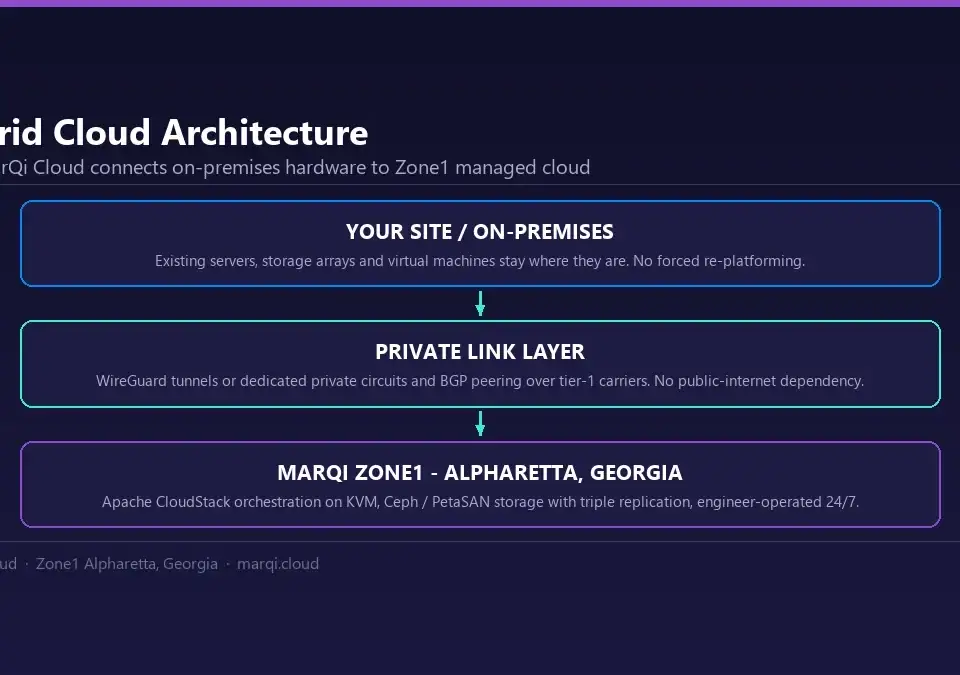
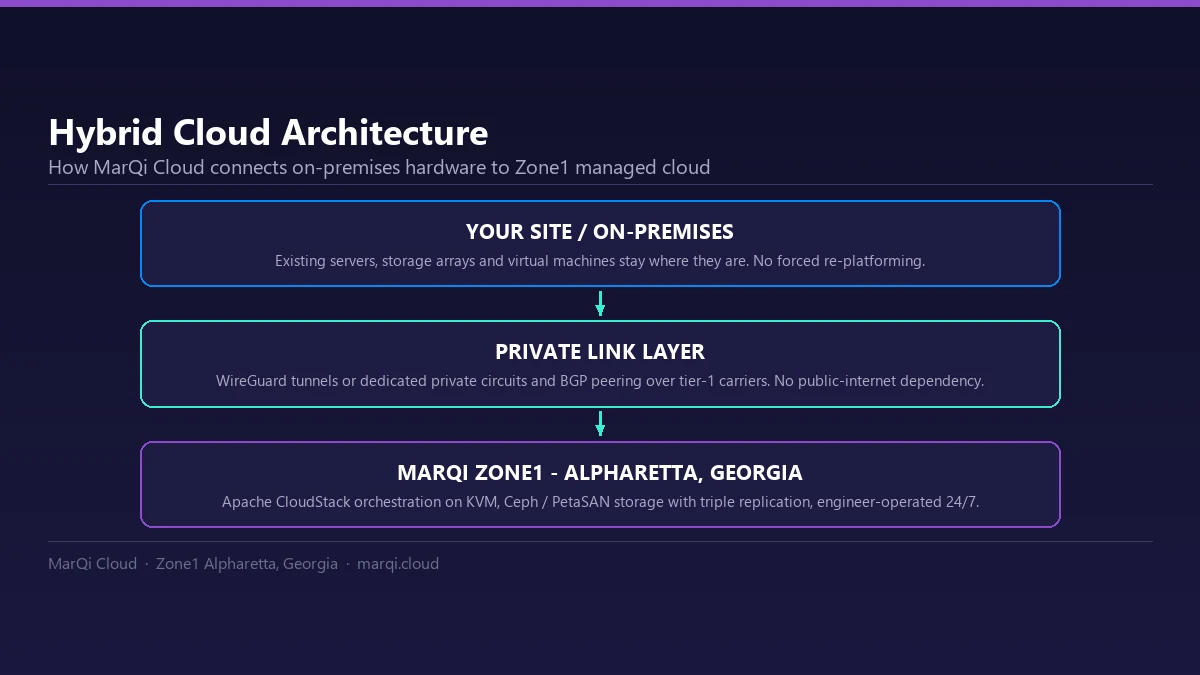
Hybrid cloud networking solutions help businesses connect their on-premises data centers, private clouds, and public clouds like AWS or Azure into one seamless network. These solutions make it easy to move data and workloads securely between environments, giving companies flexibility, scalability, and better disaster recovery.
Key Components
- Secure Connectivity: Use VPNs or private connections for safe and reliable networking
- Network Integration: SD-WAN, SDN, and cloud gateways unify the network across all environments
- Data & Application Management: APIs enable smooth communication between public and private systems
Benefits
- Flexibility & Security: Keep sensitive data on-premises while using the cloud for other workloads
- Cost Efficiency: Pay only for cloud resources when needed
- Improved Performance: Combine local processing with cloud resources
- Network Redundancy: Prevent downtime and ensure smooth operations
Overall, hybrid cloud networking solutions are essential for businesses that want secure, fast, and reliable connections between all their cloud environments. The right hybrid cloud networking solutions help companies scale efficiently and keep their systems running smoothly.
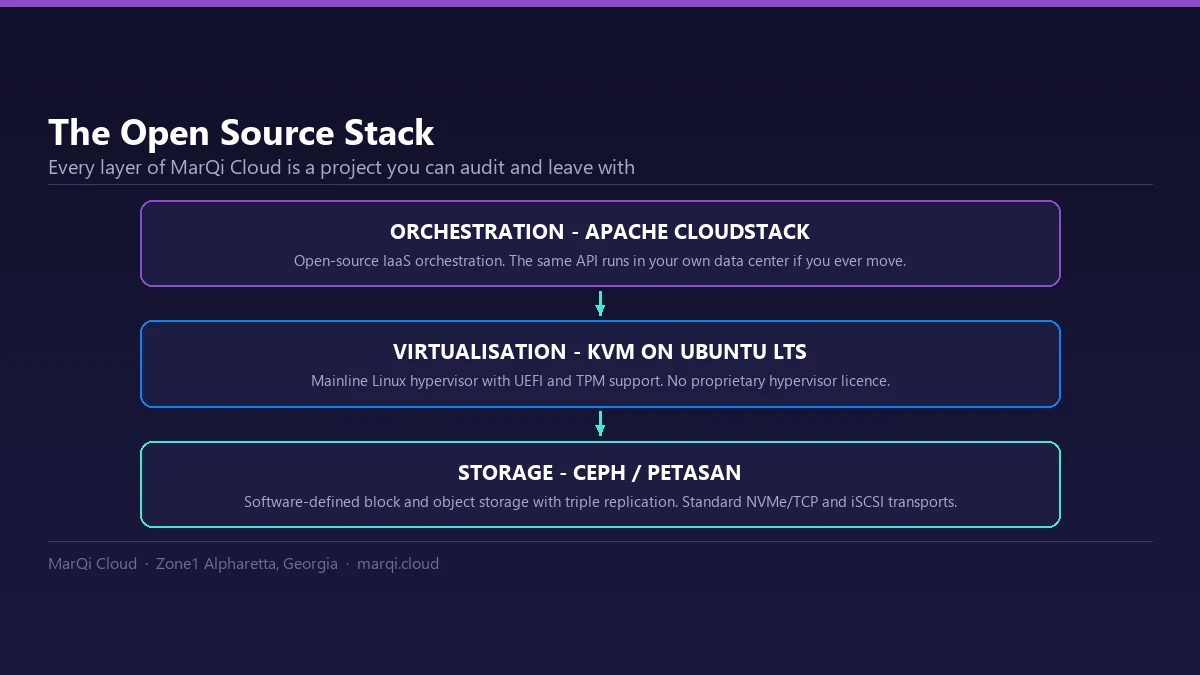
MarQi Cloud is a reliable and one of the best hybrid cloud service providers that helps businesses run their IT systems efficiently and securely. Here’s what makes MarQi Cloud stand out:
- Independent Data Center: Operates its own storage cluster for secure and reliable data management
- Redundant Network Fabric: Ensures high availability and reduces the risk of downtime
- Reliable & Scalable Infrastructure: Offers hybrid cloud infrastructure services that grow with your business needs
- Performance & Security Focus: Prioritizes fast, safe, and consistent operations
- Expert Management: Helps businesses balance workloads between private and public clouds seamlessly
Conclusion
Enterprises are moving to hybrid cloud because it provides flexibility, security, and cost efficiency. Choosing the right provider, like MarQi Cloud, ensures smooth operations and long-term growth. Investing in advanced hybrid cloud networking solutions helps businesses scale effectively, protect sensitive data, and maintain high performance across all environments.