The Complete Guide to BYO Hardware Colocation With MarQi Cloud
June 3, 2026
How MarQi Cloud Colocation Beats Standard Data Center Providers in 2026
June 3, 2026
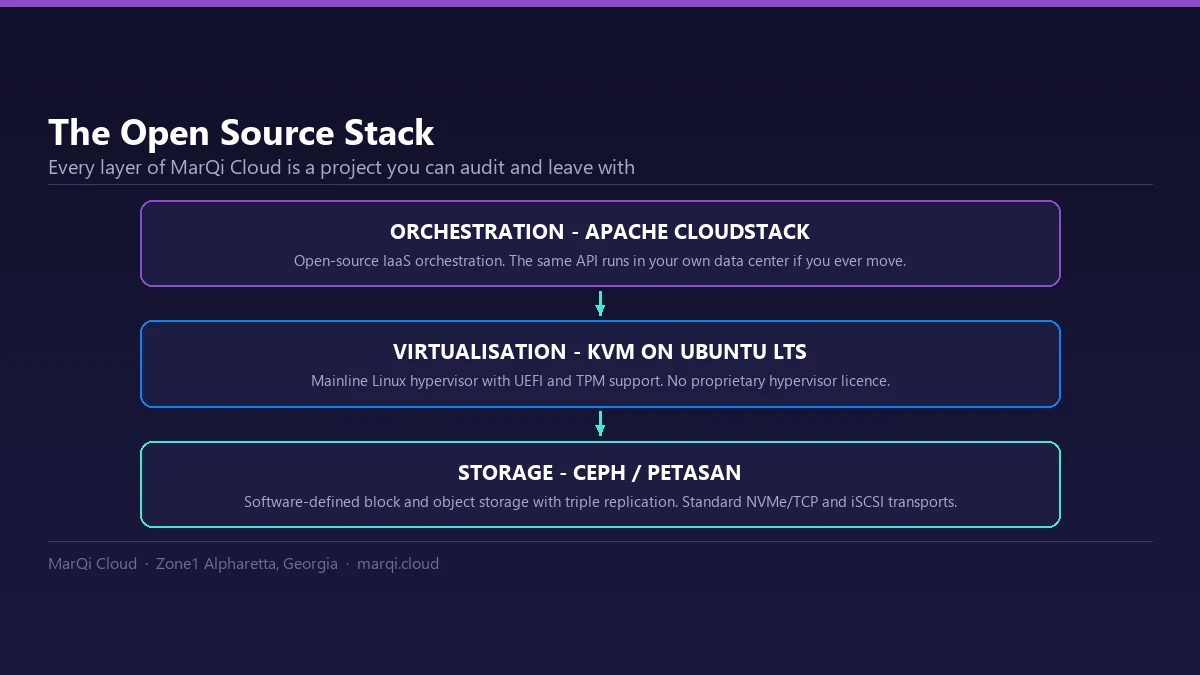
Why Smart Businesses Are Moving Their Servers to MarQi Cloud Facilities
In today’s fast-paced digital landscape, businesses are constantly seeking ways to improve their operational efficiency, reduce costs, and enhance their overall performance. One significant trend that has emerged in recent years is the migration of servers to cloud facilities. Among the numerous cloud service providers available, MarQi Cloud stands out as a top choice for businesses looking to leverage enterprise-grade cloud infrastructure. In this article, we will explore the reasons why smart businesses are moving their servers to MarQi Cloud facilities and the benefits they can expect from this transition.
Understanding Cloud Infrastructure
Before delving into the specifics of MarQi Cloud, it’s essential to understand what cloud infrastructure entails. Cloud infrastructure refers to the collection of hardware and software components that are needed for cloud computing, including servers, storage systems, and networking equipment. It allows businesses to store and access their data and applications over the internet rather than relying on local servers.
The Shift to Cloud Computing
As businesses strive to remain competitive in an increasingly digital world, the shift to cloud computing has become a vital strategy. Cloud computing offers numerous advantages, including scalability, flexibility, and cost savings. Companies that embrace this technology can respond to market demands more swiftly and efficiently.
Why Choose MarQi Cloud?
MarQi Cloud offers a unique set of features and benefits that cater to businesses of all sizes. Here are some compelling reasons why smart businesses are making the switch:
1. Enterprise-Grade Cloud Infrastructure
MarQi Cloud provides enterprise-grade cloud infrastructure that is designed to meet the demands of modern businesses. This level of infrastructure ensures high performance, reliability, and security for mission-critical applications.
2. Hybrid Cloud Deployment Models
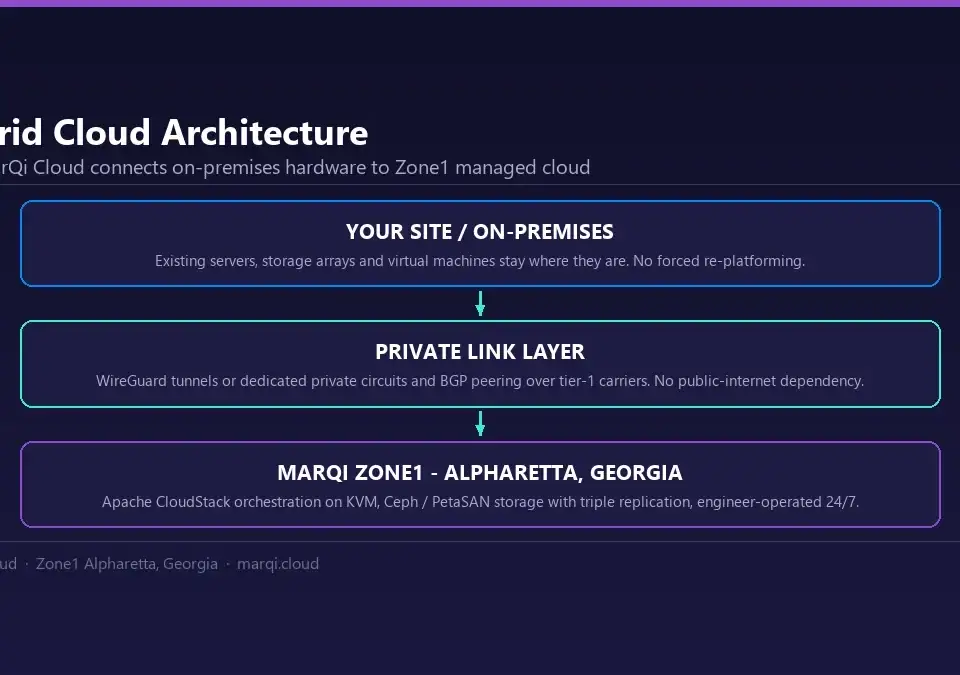
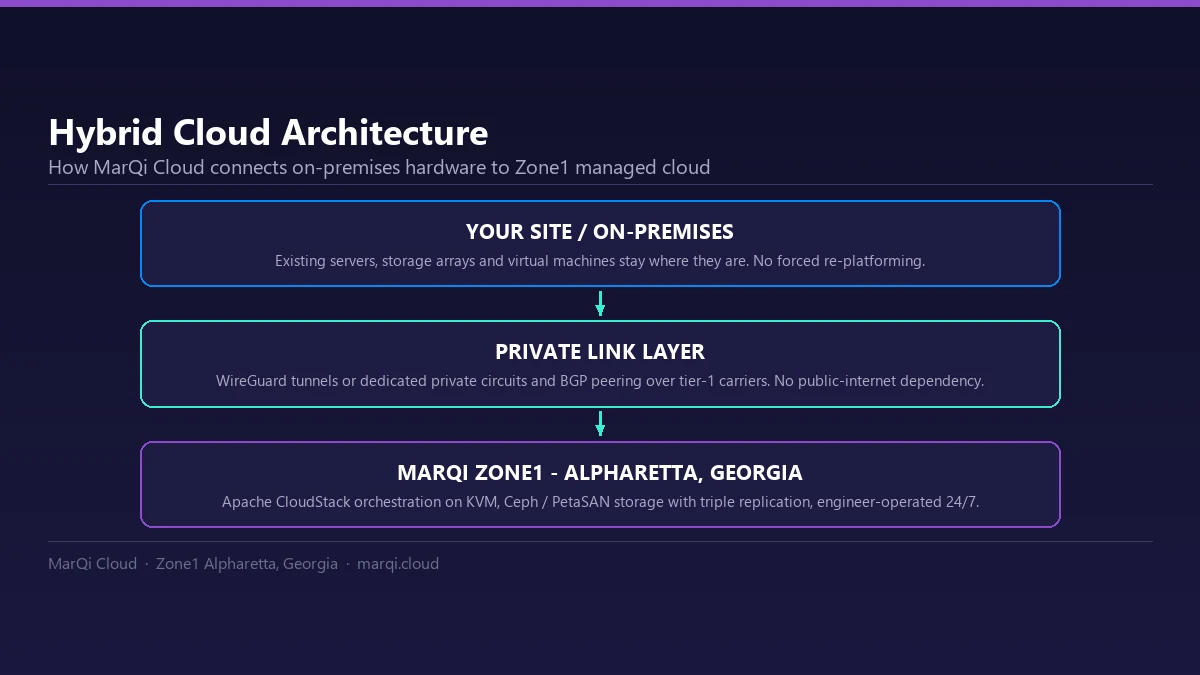
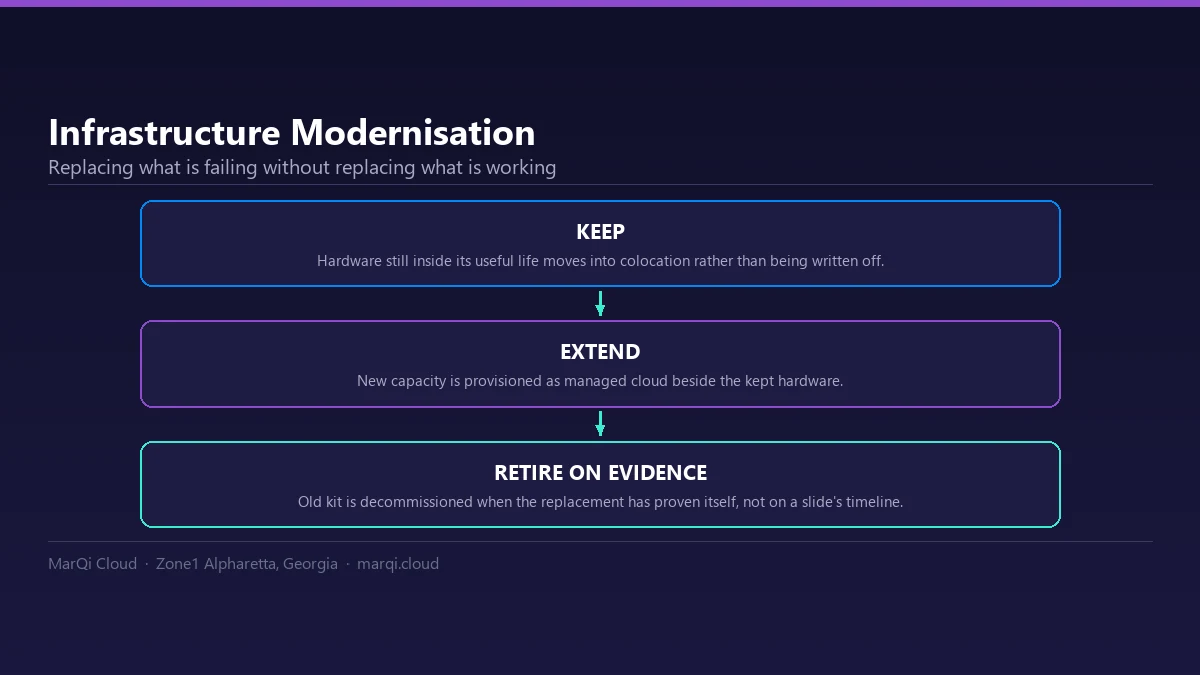
One of the standout features of MarQi Cloud is its flexible hybrid cloud deployment models. Businesses can choose to operate a combination of on-premises and cloud-based resources, enabling them to optimize their IT environments according to their specific needs.
3. Private and Secure Hosting Environments
Security is a top priority for any business, especially when handling sensitive data. MarQi Cloud offers private and secure hosting environments, ensuring that data remains protected from unauthorized access and potential breaches.
4. Scalable Compute and Storage Resources
As businesses grow, so do their computing and storage needs. MarQi Cloud’s scalable resources allow businesses to easily expand their capabilities without the need for significant upfront investments in hardware.
5. Business Continuity and Disaster Recovery Solutions
Business continuity is crucial for any organization. MarQi Cloud provides robust disaster recovery solutions that ensure data integrity and availability in the event of a disaster, minimizing downtime and protecting business operations.
6. Performance-Driven Infrastructure Design
MarQi Cloud’s infrastructure is designed with performance in mind. This focus on performance ensures that businesses can run their applications smoothly and efficiently, ultimately enhancing productivity.
7. US-Based Infrastructure and Support
For many businesses, having US-based infrastructure and support is a significant advantage. MarQi Cloud’s commitment to providing localized support means that businesses can receive assistance quickly and effectively.
8. Flexible Pricing Models
Understanding that every business has unique financial constraints, MarQi Cloud offers flexible pricing models. This adaptability allows businesses to choose a plan that best aligns with their budget and operational needs.
Real-World Examples of Success
Many businesses have already experienced the benefits of migrating their servers to MarQi Cloud facilities. Companies across various industries have reported improved performance, reduced costs, and enhanced security after making the switch.
Conclusion
In conclusion, the trend of moving servers to MarQi Cloud facilities is rapidly gaining traction among smart businesses. With enterprise-grade cloud infrastructure, hybrid deployment models, and a commitment to security, MarQi Cloud is well-positioned to support businesses in their digital transformation journeys. By embracing this cloud solution, companies can ensure they are equipped to meet the challenges of the modern business landscape.
Frequently Asked Questions (FAQ)
1. What are the main benefits of using MarQi Cloud?
MarQi Cloud offers enterprise-grade infrastructure, flexible deployment models, enhanced security, scalability, disaster recovery solutions, and localized support.
2. How does hybrid cloud deployment work?
Hybrid cloud deployment allows businesses to use a combination of on-premises and cloud resources, optimizing their IT environment according to specific needs.
3. Is my data secure in MarQi Cloud facilities?
Yes, MarQi Cloud provides private and secure hosting environments to protect your data from unauthorized access.
4. Can I scale my resources with MarQi Cloud?
Yes. MarQi Cloud offers scalable compute and storage resources to accommodate your business’s growth.
5. What disaster recovery solutions does MarQi Cloud provide?
MarQi Cloud offers robust disaster recovery solutions to ensure data integrity and availability in case of a disaster.
6. Where is MarQi Cloud’s infrastructure based?
MarQi Cloud provides US-based infrastructure and support for all its services.
7. What pricing models does MarQi Cloud offer?
MarQi Cloud offers flexible pricing models tailored to fit different business budgets and operational needs.
8. What types of businesses can benefit from MarQi Cloud?
Businesses of all sizes and industries can benefit from MarQi Cloud’s services, especially those looking to enhance performance, security, and scalability.