Colocation in Alpharetta/Atlanta: Your 30-Day Checklist for Moving Racks
February 18, 2026
GPU Cloud for AI/ML: Training vs Inference—How to Choose the Right Cluster
February 19, 2026
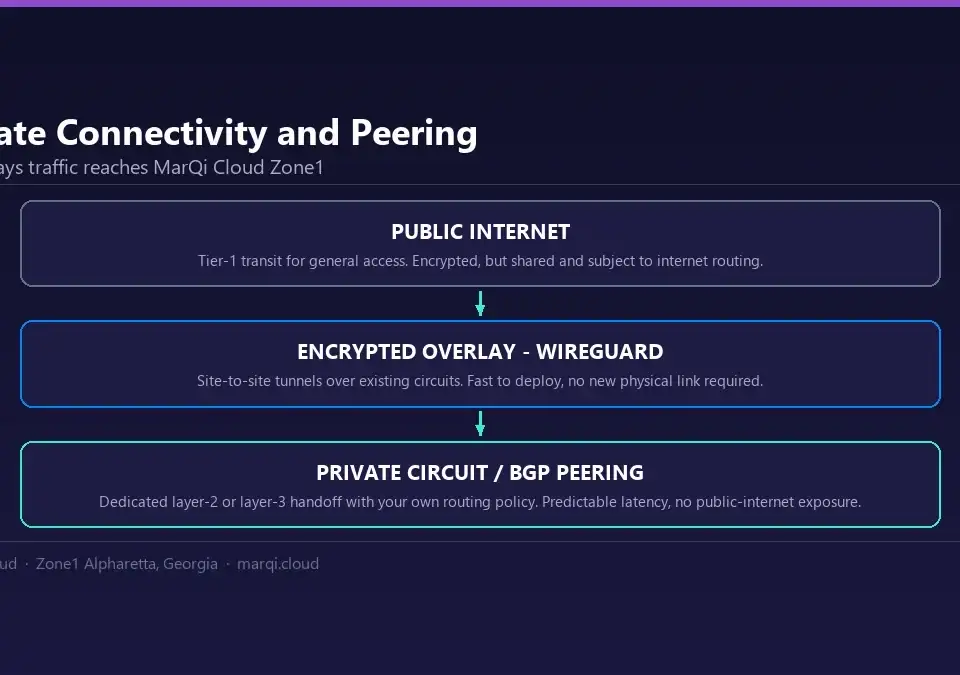
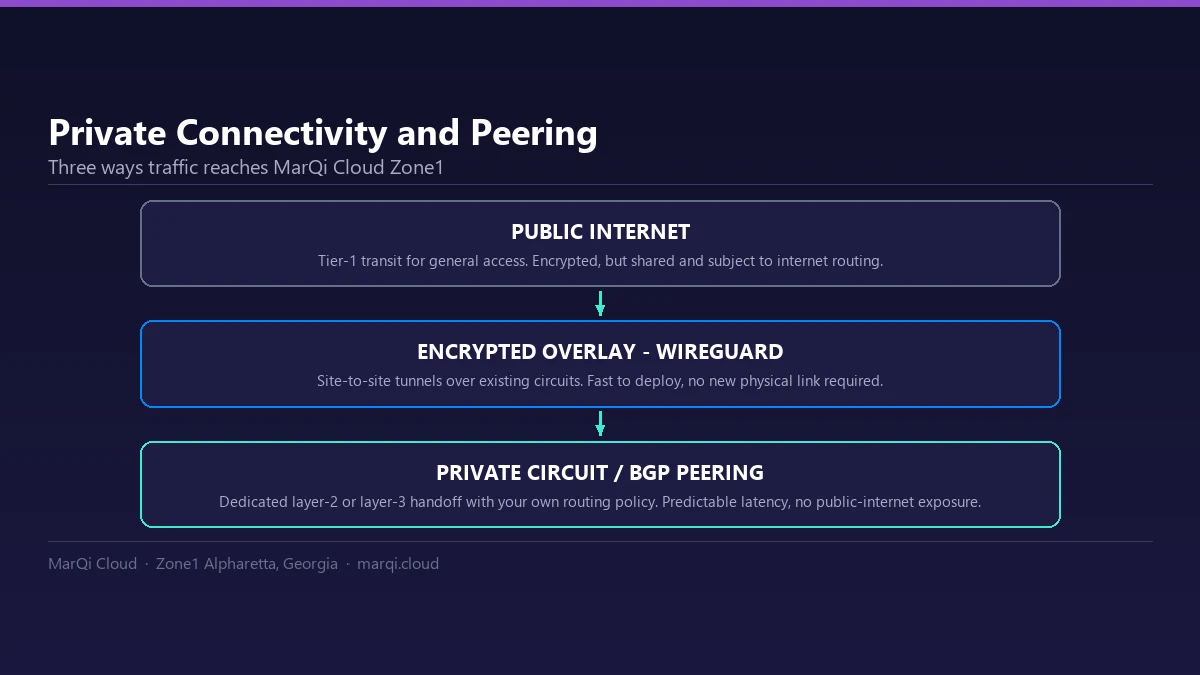
Private Circuits & Peering: How to Connect Your Data Center to Your Cloud (Without the Internet)
In today’s digital landscape, businesses are increasingly reliant on cloud services to power their operations. While the internet is a common method for connecting data centers to cloud environments, it is not always the most secure or reliable option. This is where private circuits and peering come into play. In this article, we will explore the concept of private circuits and peering, their benefits, and how they can enhance your data center connectivity to the cloud.
Understanding Private Circuits
Private circuits are dedicated, point-to-point connections that allow businesses to transmit data securely and efficiently between their data centers and cloud services. Unlike traditional internet connections, private circuits do not traverse the public internet, making them less susceptible to latency, packet loss, and security threats.
Types of Private Circuits
There are several types of private circuits that businesses can leverage:
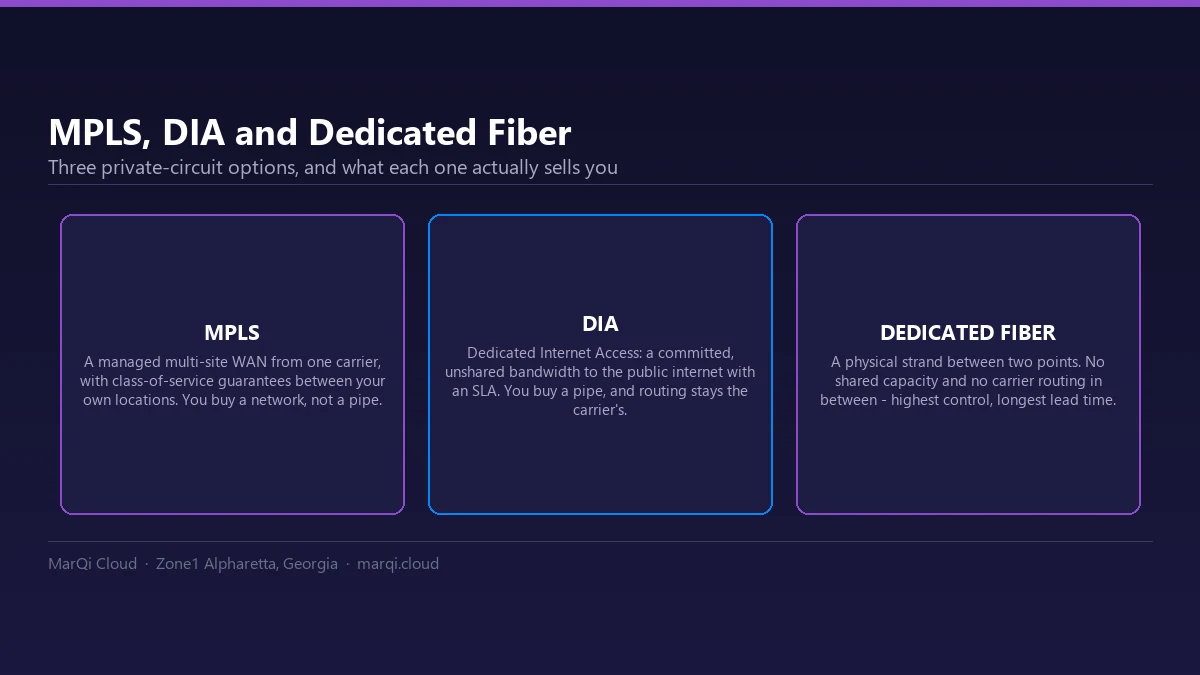
- Dedicated Leased Lines: These are permanent, private connections provided by telecom carriers. They offer high speeds and consistent performance.
- Dark Fiber: This involves leasing unlit fiber optic cables from a provider, allowing organizations to set up their own private networks.
- MPLS (Multiprotocol Label Switching): A technique used to direct data from one node to another based on short path labels rather than long network addresses.
What is Peering?
Peering is the process of directly connecting two networks, allowing them to exchange traffic without going through a third-party network. This can significantly improve performance and reduce latency by shortening the distance data has to travel.
Benefits of Peering
Peering offers numerous advantages, including:
- Lower Latency: Direct connections minimize the distance data must travel, resulting in faster communication.
- Increased Reliability: Peering eliminates reliance on the public internet, reducing points of failure.
- Cost Efficiency: By reducing the amount of data traveling through third-party networks, businesses can lower bandwidth costs.
Connecting Your Data Center to the Cloud
To successfully connect your data center to a cloud service using private circuits and peering, consider the following steps:
1. Assess Your Business Needs
Understanding your organization’s specific requirements is crucial. Consider factors such as data volume, compliance requirements, and the need for redundancy.
2. Choose the Right Provider
Select a cloud provider that offers private connectivity options, such as AWS Direct Connect, Microsoft Azure ExpressRoute, or Google Cloud Interconnect. Evaluate their offerings based on performance, reliability, and support.
3. Evaluate Connectivity Options
Explore the various private circuit options available, such as leased lines or MPLS, and determine which best aligns with your needs and budget.
4. Implement Peering Connections
Establish peering connections with your cloud provider to enhance performance and reliability. This may involve setting up a direct connection at a peering exchange or utilizing the cloud provider’s network.
5. Monitor and Maintain
Once your connection is established, continuously monitor performance and make adjustments as necessary. Implementing a robust monitoring solution can help you identify and resolve issues proactively.
Benefits of Using Private Circuits and Peering
Integrating private circuits and peering into your data center connectivity strategy offers several compelling benefits:
Enhanced Security
Since private circuits do not use the public internet, they are inherently more secure. This is particularly important for businesses that handle sensitive data or are subject to regulatory compliance.
Improved Performance
With reduced latency and increased bandwidth, businesses can enhance the performance of their applications, leading to better user experiences.
Scalability
Private circuits and peering allow for scalable solutions that can grow with your business. As your data needs increase, you can easily adjust your connectivity options.
Business Continuity
Having a dedicated connection between your data center and cloud services ensures that your operations can continue uninterrupted, even in the face of outages or disruptions.
Conclusion
Connecting your data center to the cloud using private circuits and peering can significantly enhance your organization’s connectivity, security, and performance. By taking the time to assess your needs and choose the right options, you can create a robust infrastructure that supports your business’s growth and success.
Frequently Asked Questions (FAQ)
1. What are private circuits?
Private circuits are dedicated, point-to-point connections that enable secure data transmission between data centers and cloud services without using the public internet.
2. How do private circuits improve security?
Private circuits are not exposed to the public internet, reducing the risk of unauthorized access and cyber threats.
3. What is peering?
Peering is the direct connection between two networks, allowing them to exchange traffic without using third-party networks.
4. What are the benefits of using peering?
Benefits of peering include lower latency, increased reliability, and cost savings on bandwidth.
5. How can I assess my business needs for cloud connectivity?
Consider factors such as data volume, compliance requirements, and the need for redundancy when assessing your cloud connectivity needs.
6. What are the different types of private circuits?
Types of private circuits include dedicated leased lines, dark fiber, and MPLS connections.
7. How do I choose the right cloud provider for private connectivity?
Evaluate cloud providers based on their performance, reliability, support, and available private connectivity options.
8. Can I scale my private circuit as my business grows?
Yes, private circuits are designed to be scalable, allowing businesses to adjust their connectivity options as their data needs increase.
9. How do I monitor the performance of my private circuit?
Implementing a robust monitoring solution can help you track performance metrics and identify potential issues proactively.
10. What should I do if I experience connectivity issues?
If you experience connectivity issues, contact your service provider for support and investigate potential solutions to resolve the problem.