KVM Virtualization for Enterprises: Why It’s Still a Power Move
February 19, 2026
Why Open Source Hybrid Cloud Providers Fit Regulated Industries
February 19, 2026

How Enterprises Modernize Legacy Systems with Cloud Native Apps
Introduction:
Many enterprises still rely on old systems that were built years ago. While these systems once worked well, they often become slow, hard to manage, and expensive to maintain over time. They can also make it difficult for businesses to grow or adopt new technologies.
To solve this problem, companies are modernizing their legacy systems with cloud native apps. These applications are designed to run smoothly in cloud environments, making them more flexible, faster, and easier to scale. With cloud native apps, enterprises can improve performance, reduce costs, and quickly adjust to changing business needs.
How Enterprises Upgrade Legacy Systems with Cloud Native Apps
Many enterprises still rely on older software that struggles with performance, scalability, and frequent maintenance issues. To overcome these challenges, businesses are increasingly turning to cloud native app development. This modern approach builds applications specifically for cloud environments, making them more flexible, scalable, and efficient.
Why Choose Cloud Native App Development?
Cloud native app development helps businesses modernize their systems by creating apps that can easily adapt to growth and changing demands. These apps work reliably across public, private, or hybrid clouds and offer faster performance compared to traditional software.
Benefits for Businesses
1. Faster Development and Deployment
- Supports agile development practices for quick innovation.
- Continuous delivery allows frequent updates without downtime.
- Speeds up product launches and feature releases.
2. Easy Scalability and Reliable Performance
- Automatically adjusts resources based on traffic needs.
- Handles sudden spikes without slowing down.
- Ensures high availability and consistent performance.
3. Cost Efficiency
- Pay-as-you-go cloud pricing saves on unnecessary costs.
- Reduces infrastructure and maintenance expenses.
- Optimizes computing resources effectively.
Key Components of Cloud Native Apps
Cloud native app development relies on modern technologies that make applications more manageable, reliable, and fast.
Microservices Architecture
- Breaks applications into smaller, independent services.
- Each service can be updated or scaled separately.
- Simplifies maintenance and speeds up development.
Containers
- Ensure apps run the same in every environment.
- Make deployment easier and portable.
- Reduce compatibility and dependency issues.
Automation and Modern Practices
- Automates deployment, scaling, and monitoring.
- Improves performance and reduces errors.
- Accelerates development cycles.
By adopting cloud native app development, enterprises can transform their legacy systems into modern, scalable, and efficient applications that meet the demands of today’s fast-changing business environment.
Cloud Native App Development Services
Cloud native app development services allow businesses to build, deploy, and manage applications designed specifically for the cloud. These apps work on public, private, or hybrid clouds and are flexible, reliable, and easy to scale as business needs grow.
By using modern tools like microservices, containers, Kubernetes, and CI/CD pipelines, these apps can be updated quickly and run smoothly across any platform.
Core Features of Cloud Native Apps
- Microservices: Divide applications into small, independent parts so updates or scaling won’t affect the entire system.
- Containers: Package apps with everything they need to run consistently everywhere.
- CI/CD Automation: Streamlines testing and deployment for faster, smoother updates.
- Serverless Computing: Run code without managing servers, letting developers focus on features.
- Managed Cloud Tools: Cloud databases and services reduce extra work for teams.
Benefits for Businesses
- Flexible Design: Easily make changes without disrupting other parts of the app.
- Scalable Systems: Handle growth without expensive hardware.
- Platform Independence: Containers allow apps to run on any device or platform.
Real-World Examples
- Netflix: Handles massive streaming traffic using microservices and containers.
- Spotify: Scales services independently with a modular architecture.
- Airbnb: Supports millions of live user interactions.
- Uber: Runs a distributed ride-sharing platform.
- Pinterest: Deploys and scales applications quickly with cloud native technology.
Why Enterprises Choose Cloud Native App Development Services
- Scalable: Adjust resources automatically to meet demand.
- Reliable: Distributed design keeps applications running even if part fails.
- Fast Updates: Automated pipelines allow quick feature releases.
- Cost-Efficient: Pay only for what you use, reducing unnecessary expenses.
How Hybrid Cloud App Development Helps Modern Businesses
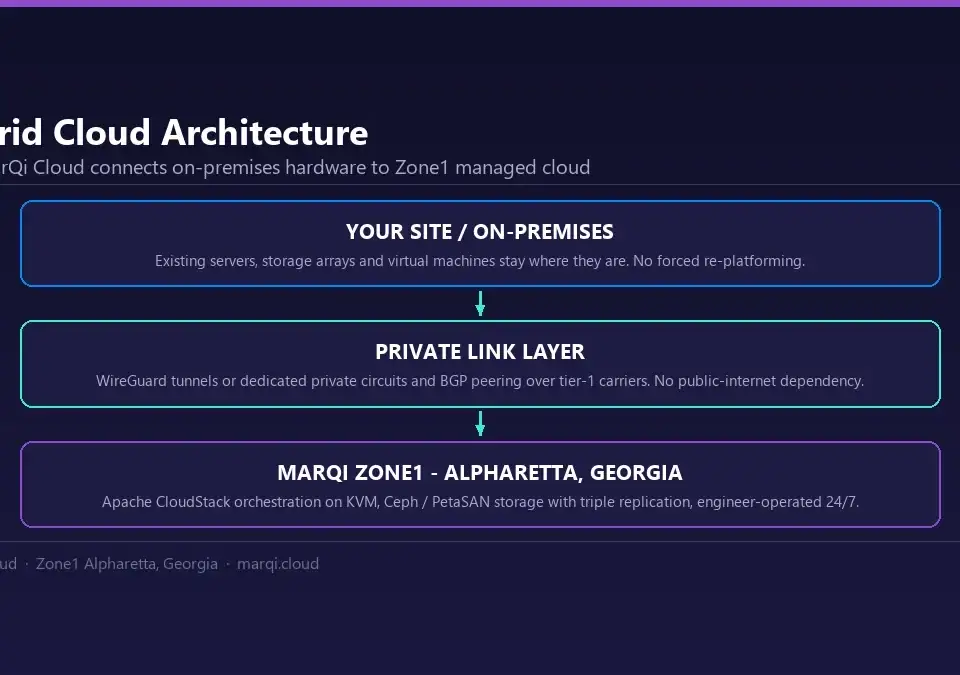
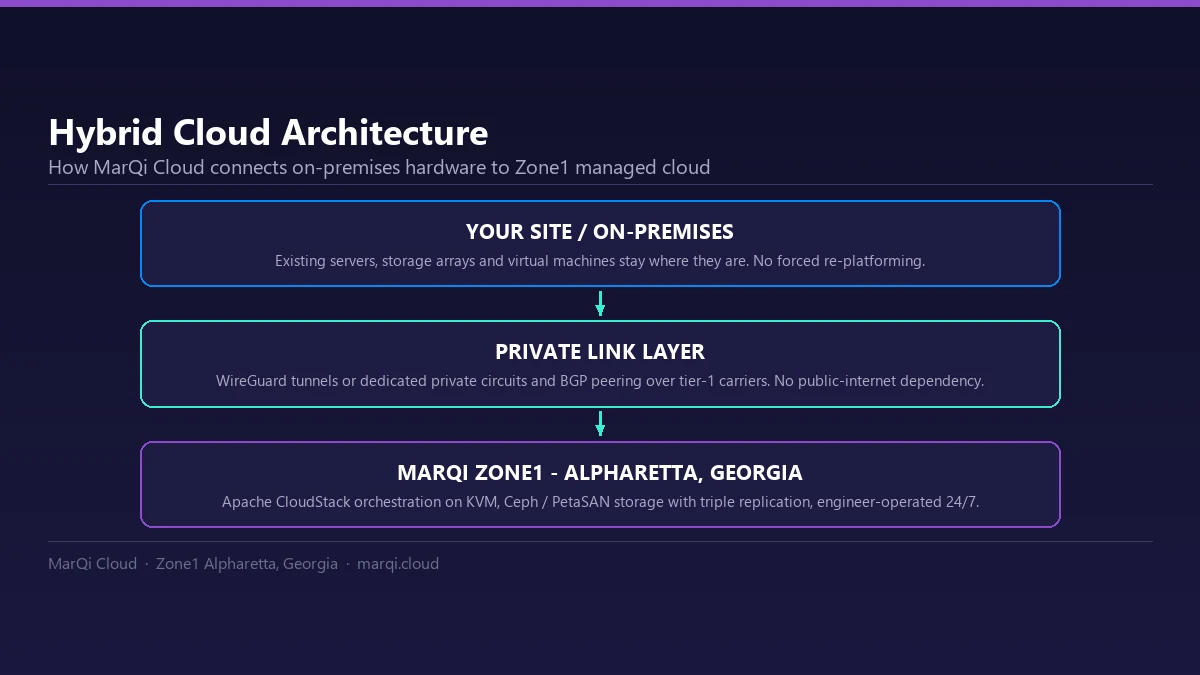
Hybrid cloud app development involves creating applications that can run across private clouds, public clouds (like AWS or Azure), and on-premises systems. This approach allows companies to keep sensitive data secure while taking advantage of the cloud for flexibility, scalability, and better performance.
Main Features of Hybrid Cloud Applications
- Easy Migration: Apps can move seamlessly between private and public clouds.
- Flexible Setup: Keep older applications on-premises while running new or high-demand apps in the cloud.
- Modern Technology: Containers, Kubernetes, and automation simplify deployment and management.
- Scalable Resources: Add or reduce computing power as needed.
Benefits for Organizations
- Operational Agility: Run workloads in the environment that works best.
- Save Costs: Pay only for the resources you actually use.
- High Reliability: Backup and failover across clouds minimize downtime.
- Faster Performance: Low-latency systems deliver better response times.
- Innovation Ready: Quickly use AI, analytics, and other advanced cloud tools.
Hybrid Cloud vs Multi-Cloud
- Hybrid Cloud: Combines private and public clouds for the same application, keeping sensitive data secure while scaling using the cloud.
- Multi-Cloud: Uses several public clouds for different purposes, helping companies choose the best service and avoid dependence on a single provider.
- Key Difference: Hybrid cloud blends different cloud types for one app, while multi-cloud distributes workloads across multiple providers.
Hybrid cloud app development lets businesses modernize legacy systems while maintaining security, improving performance, and scaling efficiently for future growth.
The Importance of Scalable Cloud Services for Growing Applications
Scalable cloud services allow businesses to increase or decrease resources like storage, computing power, and network capacity according to their needs. This flexibility keeps applications running smoothly during peak periods, saves money during low demand, and enables businesses to grow without interruptions.
Types of Scalable Cloud Services
1. Vertical Scaling
- Adds more resources (CPU, memory, storage) to a single server.
- Easy to implement and ideal for smaller or legacy applications.
- Limited by server capacity; eventually, horizontal scaling is needed.
2. Horizontal Scaling
- Adds additional servers or virtual machines to share the load.
- Handles high traffic, large workloads, and ensures high availability.
- Requires load balancing and coordination for best results.
3. Hybrid Scaling
- Combines vertical and horizontal scaling methods.
- Allows gradual, adaptable growth.
- Cost-effective and improves reliability for changing workloads.
Benefits of Scalable Cloud Services
- Cost-Effective: Use only the resources you need and avoid extra expenses.
- Improved Performance: Applications remain fast and responsive during traffic spikes.
- Flexibility: Quickly adjust resources to meet business changes or seasonal demand.
- High Availability: Load balancing and redundancy keep services online even if a server fails.
- Better Disaster Recovery: Resources can scale in other locations during outages, reducing downtime.
With scalable cloud services, businesses can maintain performance, control costs, and grow efficiently without worrying about infrastructure limits.
Key Highlights of MarQi Cloud
About the Platform
- Has its own data center and storage.
- Backup network keeps services running.
- Designed for scalable cloud services.
App Development Support
- Stable platform for cloud native apps.
- Can build apps that run on both public and private clouds.
- Works well for growing workloads with scalable cloud services.
Why Choose MarQi Cloud
- Keeps apps running smoothly.
- Speeds up app development and updates.
- Easily adjusts resources when needed.
Conclusion
Cloud native app development gives businesses flexibility, scalability, and room to grow. With a reliable partner like MarQi Cloud, companies can run high-performance apps confidently, support smooth operations, and focus on innovation instead of infrastructure.