From Bare Metal to Hybrid: A 90-Day Modernization Roadmap
February 24, 2026
Understanding Hybrid Cloud Storage Architecture: Triple Replication vs Erasure Coding
February 25, 2026
Private Circuit Procurement Guide: What Your ISP Needs from the Data Center
In the ever-evolving landscape of technology, ensuring reliable and high-speed connectivity is paramount for Internet Service Providers (ISPs). One of the most effective ways to achieve this is through private circuit procurement. This guide delves into the essential requirements ISPs need from data centers to facilitate seamless private circuit procurement, ensuring optimized performance and reliability.
Understanding Private Circuits
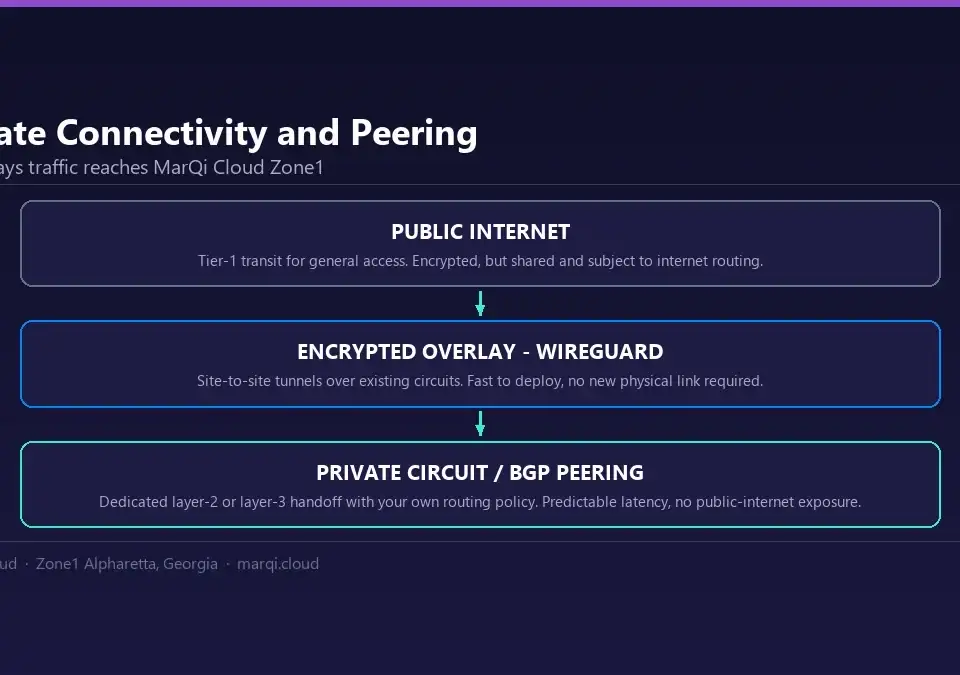
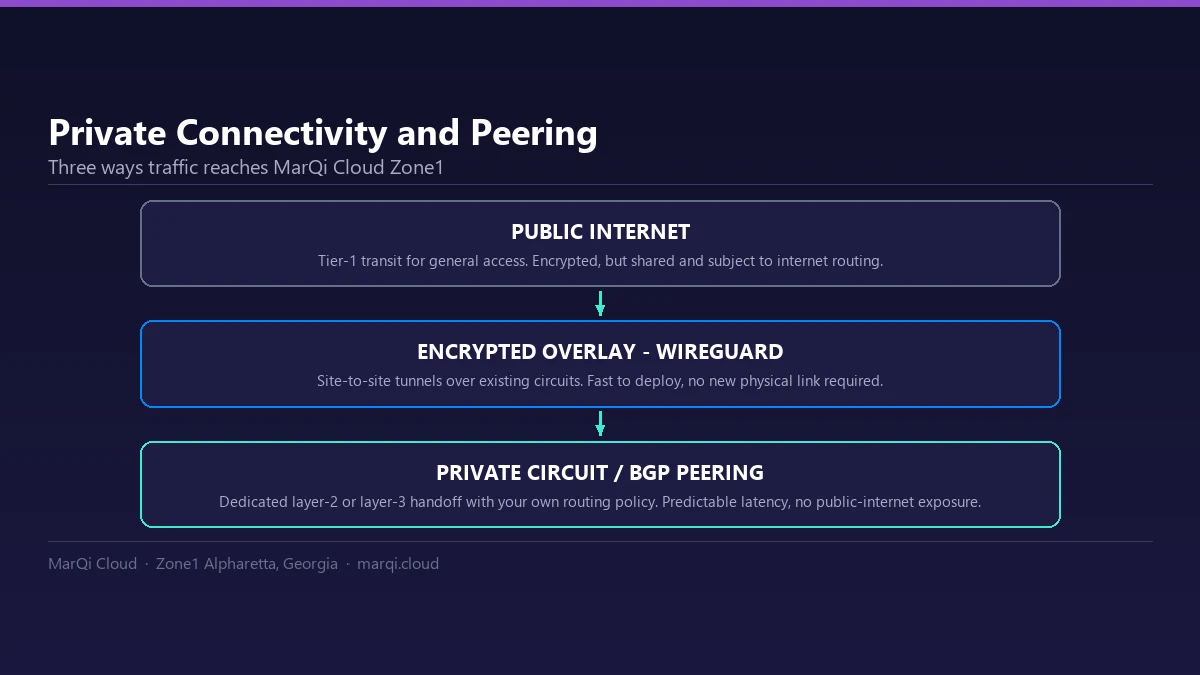
Private circuits refer to dedicated communication lines that connect two or more locations. Unlike traditional internet connections, private circuits offer exclusive bandwidth, enhanced security, and improved performance. These attributes make them ideal for businesses and ISPs seeking to provide high-quality services.
Key Considerations for ISPs in Private Circuit Procurement
1. Bandwidth Requirements
The demand for bandwidth continues to rise as businesses increasingly rely on data-intensive applications. ISPs must assess their bandwidth requirements based on customer needs, existing infrastructure, and future growth projections. Understanding the peak usage times and average bandwidth consumption can help in selecting the appropriate circuit capacity.
2. Latency and Performance
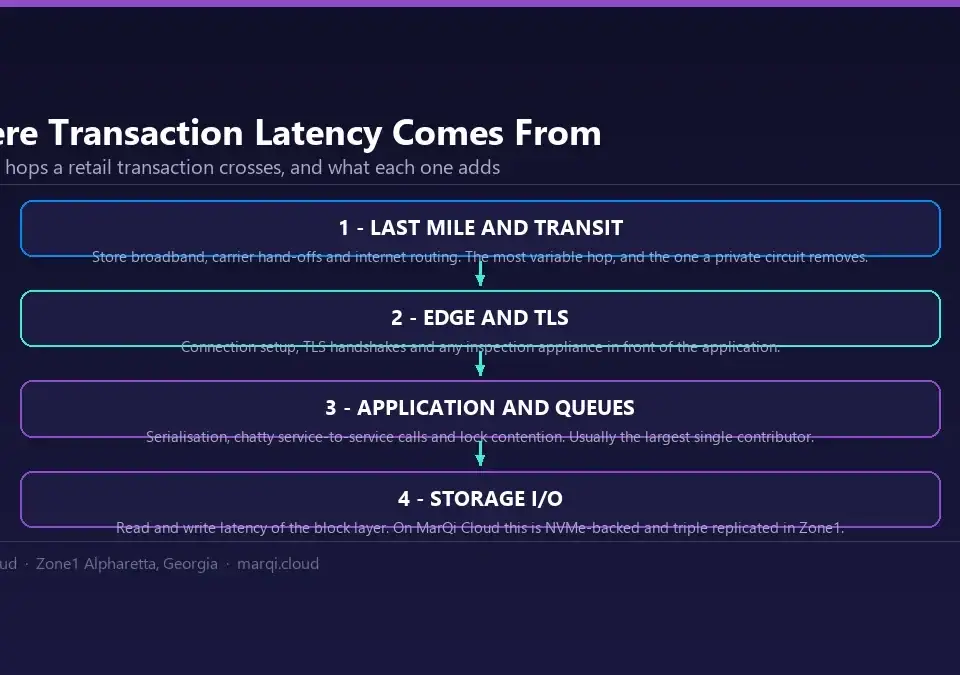
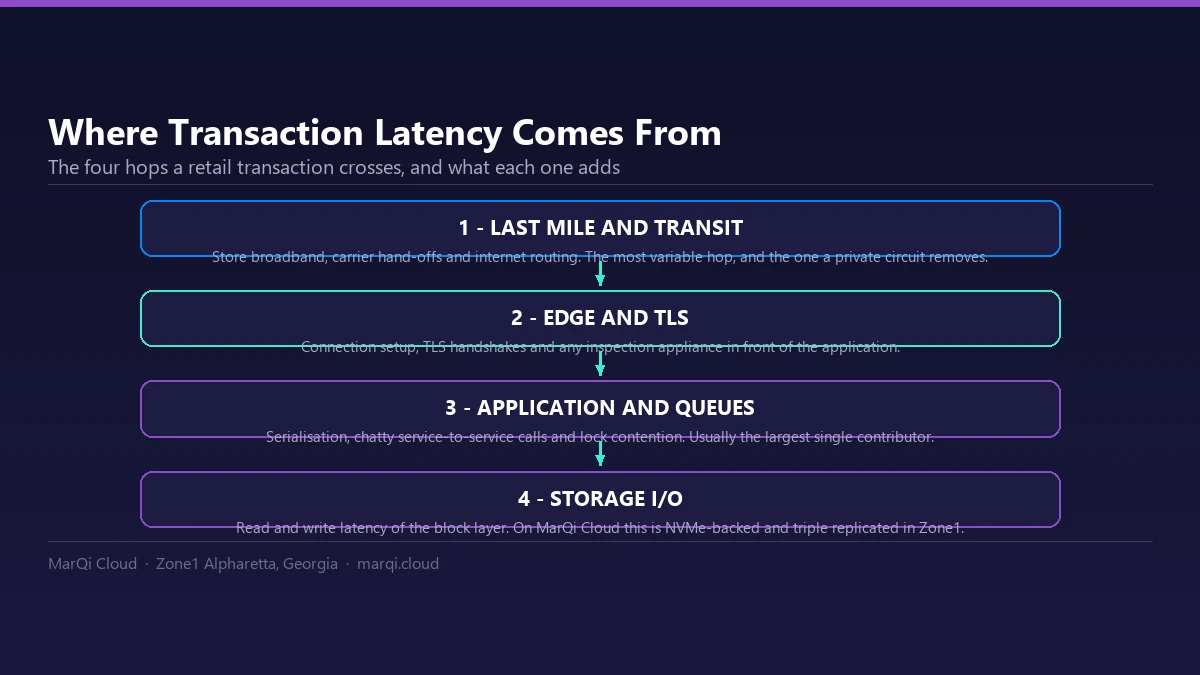
Low latency is crucial for applications like VoIP and video conferencing. ISPs should prioritize data centers with optimized routing and minimal hop counts to ensure reduced latency. Performance metrics, including throughput and jitter, should also be evaluated to ensure high-quality service delivery.
3. Scalability
As businesses grow, their connectivity needs will evolve. It’s essential for ISPs to choose data centers that offer scalable solutions, enabling them to easily increase bandwidth or add new circuits without significant downtime or infrastructure changes.
4. Security and Compliance
Data breaches and cyber threats are on the rise, making security a top priority. ISPs must ensure that the data center follows industry standards for security and compliance, including physical security measures, network security protocols, and adherence to regulatory requirements such as GDPR or HIPAA.
5. Reliability and Uptime
ISPs must consider the reliability of the data center. This includes examining the facility’s uptime history, redundancy measures (such as backup power and internet connections), and maintenance protocols. A data center with a strong Service Level Agreement (SLA) can provide assurance of high availability.
6. Geographical Location
The physical location of the data center can significantly impact latency and performance. ISPs should consider proximity to their customer base, as well as the potential for natural disasters or other risks associated with specific regions. Choosing a strategically located data center can enhance service delivery.
7. Support and Service
Prompt and effective customer support is essential for ISPs. Evaluate the technical support services provided by the data center, including response times, availability of support staff, and the expertise of the technical team. A responsive support system can drastically reduce downtime and improve customer satisfaction.
8. Cost and Pricing Models
Budget constraints play a significant role in procurement decisions. ISPs should evaluate the pricing models offered by data centers, including monthly fees, setup costs, and any additional charges for exceeding bandwidth limits. Flexible pricing options that accommodate varying budgets can be advantageous.
Steps to Procure Private Circuits
1. Assess Your Network Needs
Start by conducting a thorough assessment of your current network infrastructure and future requirements. Identify the types of circuits needed, expected traffic loads, and specific performance goals.
2. Research Data Center Options
Create a shortlist of potential data centers that meet your criteria. Look for providers with a proven track record in delivering reliable private circuits and positive customer feedback.
3. Request Proposals
Contact the shortlisted data centers to request detailed proposals. Ensure you include your specific requirements in the request to obtain accurate quotes and service descriptions.
4. Evaluate Proposals
Review the proposals carefully, comparing factors such as pricing, service quality, scalability, and security. Engage your technical team in this process to ensure all technical specifications are met.
5. Conduct Site Visits
If possible, conduct site visits to the data centers. This allows you to assess the facility’s infrastructure, security measures, and support capabilities firsthand.
6. Negotiate Contracts
Once you’ve selected a provider, negotiate the contract terms to ensure favorable conditions, including pricing, service level agreements, and termination clauses.
7. Implement and Test
After contract finalization, work with the data center to implement the private circuits. Conduct thorough testing to ensure that the setup meets your performance expectations.
Conclusion
Private circuit procurement is a vital aspect of ensuring that ISPs can deliver high-quality services to their customers. By focusing on the critical requirements outlined in this guide, ISPs can build robust, reliable, and scalable connectivity solutions that cater to their client’s needs. Investing time and resources into selecting the right data center will pay dividends in enhanced performance, security, and customer satisfaction.
Frequently Asked Questions (FAQs)
1. What is a private circuit?
A private circuit is a dedicated communication line that connects two or more locations, offering exclusive bandwidth and enhanced security compared to traditional internet connections.
2. Why do ISPs need private circuits?
ISPs need private circuits for improved performance, security, and reliability, especially for data-intensive applications used by their customers.
3. How do I determine the bandwidth requirements for my ISP?
Assess current and future customer needs, peak usage times, and average bandwidth consumption to determine appropriate bandwidth requirements.
4. What factors should I consider when selecting a data center for private circuits?
Consider bandwidth requirements, latency, scalability, security, reliability, geographical location, support services, and pricing models.
5. How can I ensure low latency in private circuits?
Select data centers with optimized routing and minimal hop counts to ensure reduced latency for applications requiring high performance.
6. What is the importance of a Service Level Agreement (SLA)?
An SLA outlines the expected service levels, including uptime guarantees and response times, providing assurance of reliability and accountability.
7. Can private circuits be scaled easily?
Yes, choosing data centers that offer scalable solutions allows ISPs to increase bandwidth or add new circuits as their needs change.
8. What are common pricing models for private circuits?
Pricing models can vary but typically include monthly fees, setup costs, and charges for exceeding bandwidth limits. Flexible pricing options are often available.
9. How do I evaluate the security measures of a data center?
Examine the data center’s physical security protocols, network security measures, and compliance with industry regulations to assess security.
10. What are the risks associated with private circuit procurement?
Risks include potential service outages, inadequate performance, and security vulnerabilities. Conducting thorough research can mitigate these risks.