Building a Private Database Layer: HA Options for Cloud-Native Apps
February 24, 2026
Private Circuit Procurement Guide: What Your ISP Needs from the Data Center
February 25, 2026
From Bare Metal to Hybrid: A 90-Day Modernization Roadmap
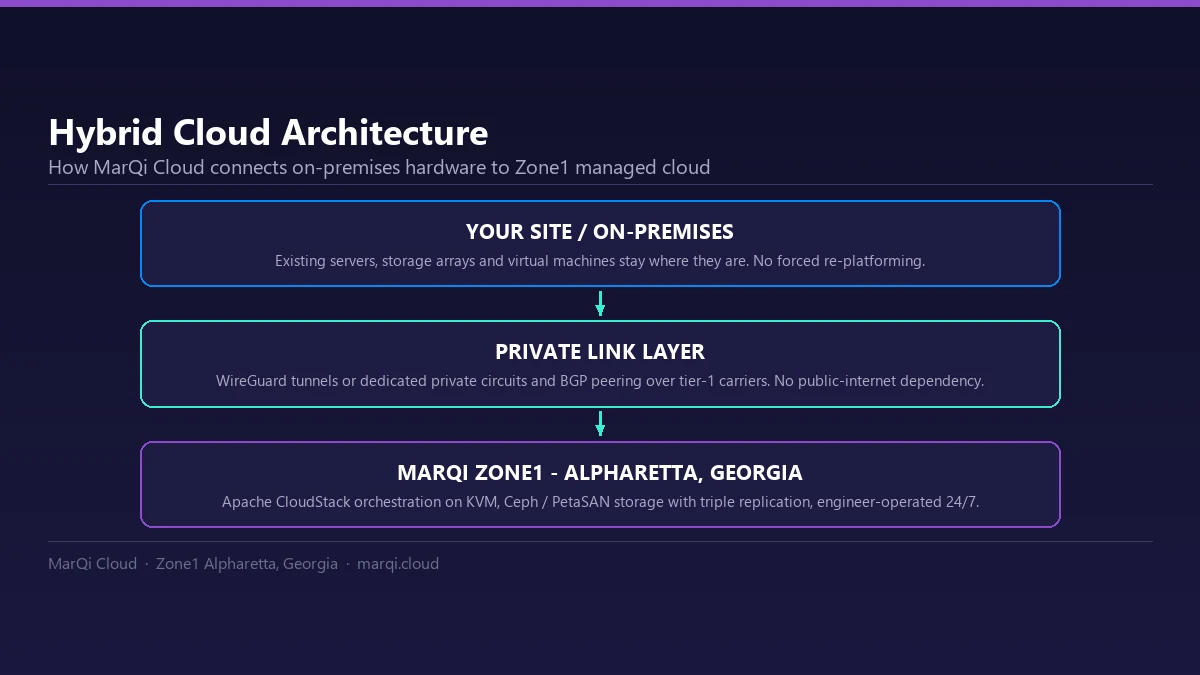
The journey from bare metal servers to a hybrid cloud architecture is not just a technological shift; it’s a strategic transformation that can drive your business forward. In today’s fast-paced digital landscape, organizations are increasingly realizing the need for agility, scalability, and resilience. A hybrid cloud model offers the best of both worlds by integrating on-premise infrastructure with cloud resources. This article outlines a comprehensive 90-day roadmap to help you modernize your infrastructure effectively.
Understanding Hybrid Cloud
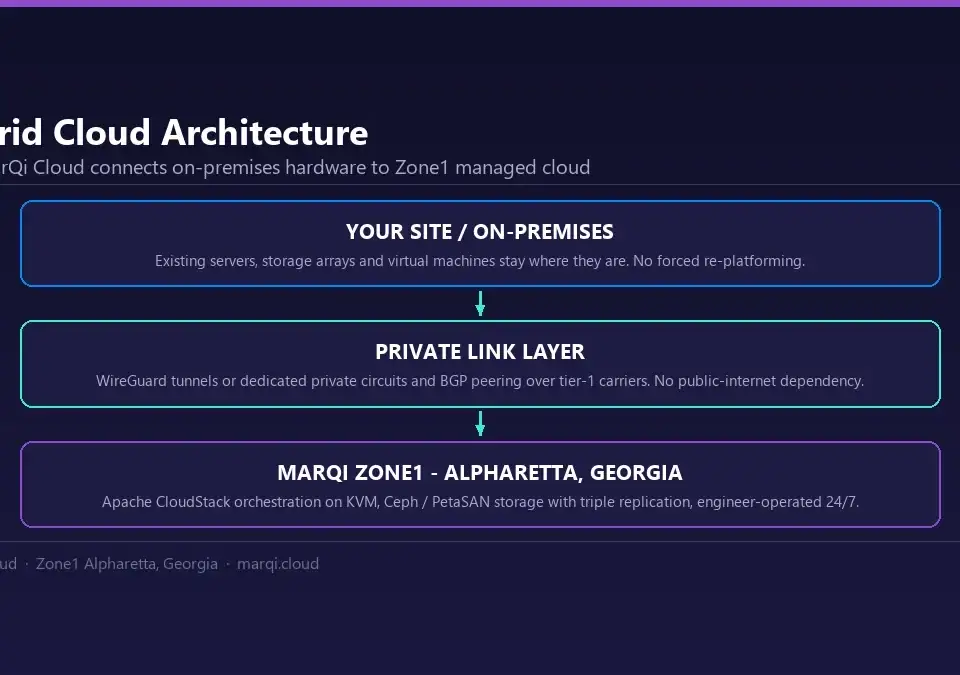
Before diving into the roadmap, it’s essential to understand what hybrid cloud is. A hybrid cloud combines private and public cloud environments, allowing data and applications to be shared between them. This architecture provides flexibility, as businesses can choose where to run their workloads based on specific requirements.
Benefits of Hybrid Cloud
- Scalability: Easily scale your resources up or down based on demand.
- Cost-effectiveness: Optimize costs by utilizing public cloud resources for non-sensitive workloads.
- Security: Keep sensitive data within a private cloud while leveraging public cloud for less critical workloads.
- Business Continuity: Implement disaster recovery solutions that span both environments.
The 90-Day Modernization Roadmap
The following roadmap breaks down the modernization journey into three distinct phases: Assessment, Planning, and Execution. Each phase is critical to ensure a smooth transition to a hybrid cloud model.
Phase 1: Assessment (Days 1-30)
1. Evaluate Current Infrastructure
Begin by assessing your existing bare metal infrastructure. Identify workloads that are suitable for migration and those that should remain on-premises. Consider factors such as performance requirements, security concerns, and compliance regulations.
2. Identify Business Objectives
Clearly outline your organization’s objectives for moving to a hybrid cloud. Are you looking to improve efficiency, reduce costs, enhance security, or support business continuity? Understanding these goals will guide your decision-making throughout the process.
3. Analyze Costs
Conduct a cost analysis to understand the financial implications of moving to a hybrid cloud. This analysis should include the costs of cloud services, potential savings from reduced on-premise infrastructure, and long-term operational costs.
Phase 2: Planning (Days 31-60)
1. Develop a Migration Strategy
Create a detailed migration strategy that includes timelines, budgets, and resource allocation. Determine which workloads will be migrated first and establish a phased approach to minimize disruption.
2. Select the Right Cloud Provider
Choosing the right cloud provider is crucial. Look for a provider that offers enterprise-grade infrastructure, a robust hybrid cloud model, and excellent support. At MarQi Cloud, we offer scalable compute and storage resources, ensuring that your business needs are met.
3. Establish Security Protocols
Security should be a top priority when planning your hybrid cloud environment. Define security protocols for data protection, access control, and compliance. Ensure that your chosen cloud provider meets industry standards for security.
Phase 3: Execution (Days 61-90)
1. Implement Migration
Start the migration process based on the strategy developed. It’s often best to begin with less critical workloads to allow your team to gain experience with the new environment.
2. Monitor Performance
As workloads are migrated, continuously monitor their performance. Use analytics tools to assess how well they are functioning in the hybrid cloud environment and make adjustments as necessary.
3. Optimize and Scale
After successful migration, focus on optimizing your infrastructure for performance and cost. Take advantage of scalable resources to ensure your business can adapt to changing demands.
Challenges and Solutions
While transitioning to a hybrid cloud architecture offers numerous benefits, it can also present challenges. Here are some common issues organizations face and how to overcome them:
1. Integration Issues
Integrating on-premise and cloud systems can be complex. Ensure that your team is well-versed in integration technologies and consider leveraging middleware solutions to facilitate communication between environments.
2. Data Security Concerns
Data security is paramount in a hybrid cloud model. Implement robust encryption methods and access controls to protect sensitive information. Regularly audit your security measures to identify and rectify vulnerabilities.
3. Compliance Challenges
Compliance with regulations such as GDPR or HIPAA can be daunting. Work with legal and compliance experts to ensure that your hybrid cloud strategy aligns with relevant regulations.
Conclusion
Transitioning from bare metal to a hybrid cloud model is a significant step for any organization. With a well-structured 90-day roadmap, you can modernize your infrastructure while minimizing risks and maximizing benefits. At MarQi Cloud, we provide the enterprise-grade cloud infrastructure and support you need to succeed in your hybrid cloud journey. Contact us today at +1 770-369-9321 to learn more about our services and how we can help your organization thrive in the cloud.
FAQs
1. What is a hybrid cloud model?
A hybrid cloud model combines both public and private cloud environments, allowing for greater flexibility and resource optimization.
2. Why should I consider moving to a hybrid cloud?
The hybrid cloud offers scalability, cost savings, improved security, and enhanced business continuity solutions.
3. How long does the migration process typically take?
The migration process can vary based on the complexity of your infrastructure, but a well-planned roadmap can facilitate a smoother transition within 90 days.
4. What are the security measures to consider in a hybrid cloud?
Implementing encryption, access controls, and regular security audits are critical measures to ensure data protection in a hybrid cloud environment.
5. Can I maintain some workloads on-premises?
Yes, a hybrid cloud model allows you to keep sensitive workloads on-premises while leveraging cloud resources for less critical applications.
6. What should I look for in a cloud provider?
When choosing a cloud provider, consider their infrastructure quality, support services, security measures, and scalability options.
7. How can I ensure compliance in a hybrid cloud?
Work with compliance experts to ensure your hybrid cloud strategy aligns with relevant regulations and standards.
8. What are the costs associated with hybrid cloud deployment?
Costs can vary significantly based on your specific needs, but a thorough cost analysis can help you understand the financial implications of transitioning.