Why Enterprises Are Moving to Hybrid Cloud Services
March 27, 2026
How to Future-Proof Your AI Hosting: A Comprehensive Guide
March 27, 2026

Why Enterprises Use Private Circuits and Peering Services
Introduction
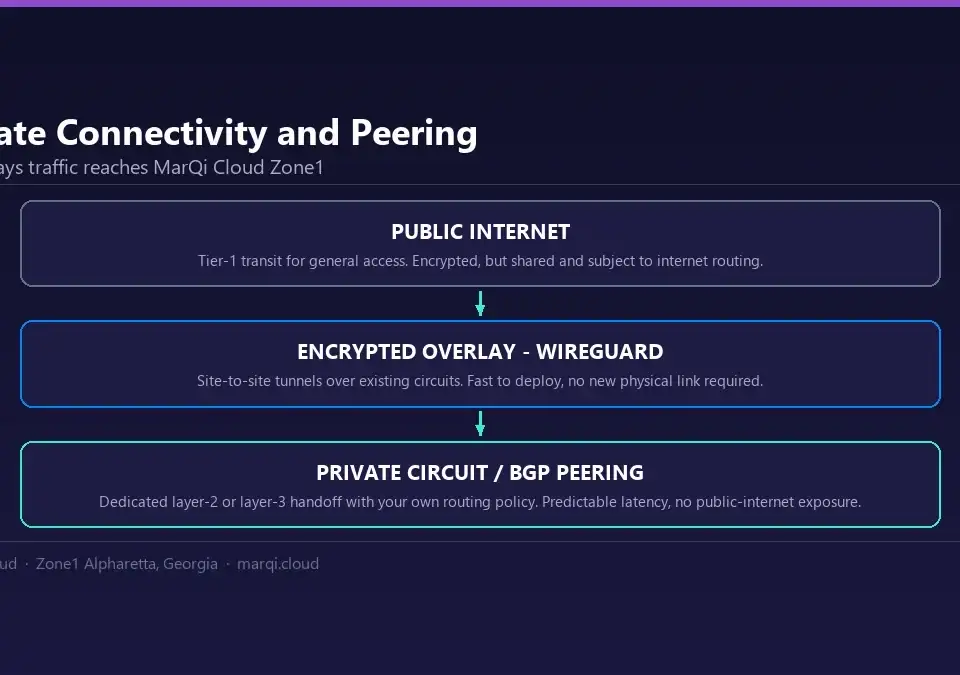
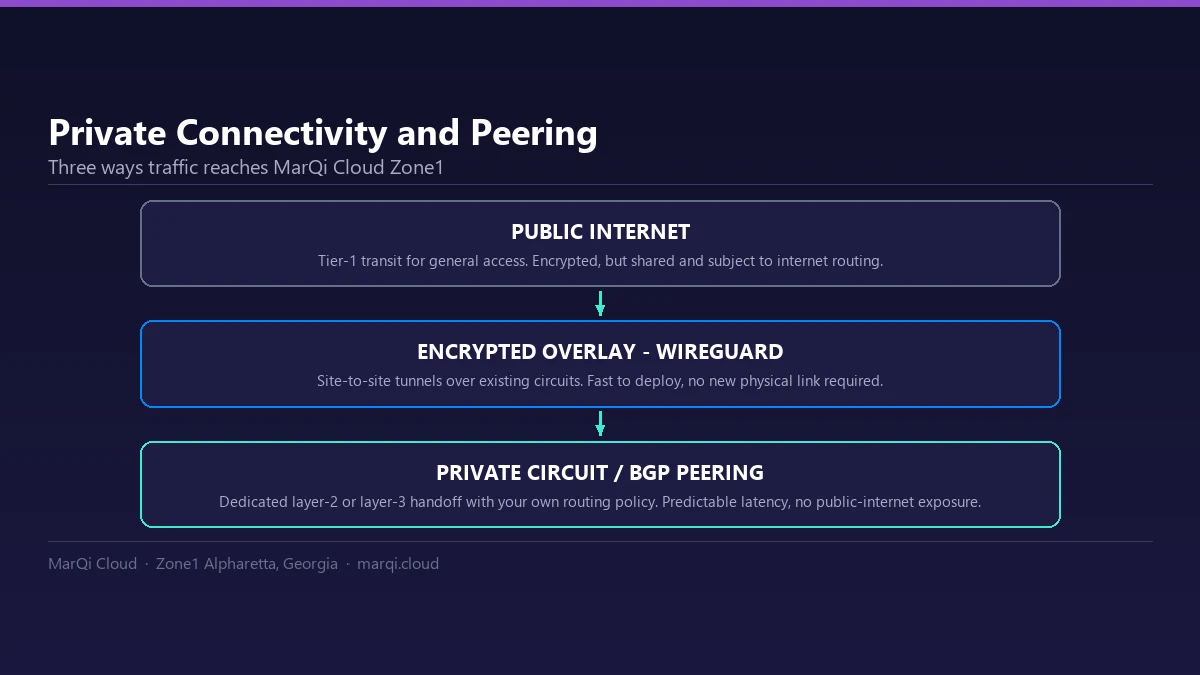
Today, businesses need fast and reliable internet to run smoothly. This is where private circuits and peering service solutions help. Private circuits provide dedicated connections that are not shared with the public internet, while peering services allow networks to connect directly and share data more quickly.
As more companies adopt cloud services and online tools, the need for secure, high-speed connectivity is growing. Public internet is not always enough, especially for businesses handling important data.
That’s why many companies choose a trusted private network circuits provider or peering services provider. These solutions help improve speed, keep data safe, and ensure everything works without problems.
Private Circuits and Peering Services
Private circuits and peering services help businesses build fast, secure, and reliable connections without depending on the public internet. These solutions are especially useful for companies that need smooth data flow between offices, data centers, and cloud platforms.
Private Circuits
- Dedicated connections between two locations
- Not shared with public internet traffic
- Offer stable speed and consistent performance
- Managed by a private network circuits provider
- Often used to connect offices, data centers, or cloud systems
Peering Services
- Allow networks to connect directly and exchange data
- Reduce the need for third-party internet providers
- Offered by a peering services provider
- Help improve speed and reduce network delays
Types of Peering
- Private peering (PNI): Direct connection between two networks inside a data center
- Public peering: Connects multiple networks through exchange points
Benefits of Private Circuits and Peering Services
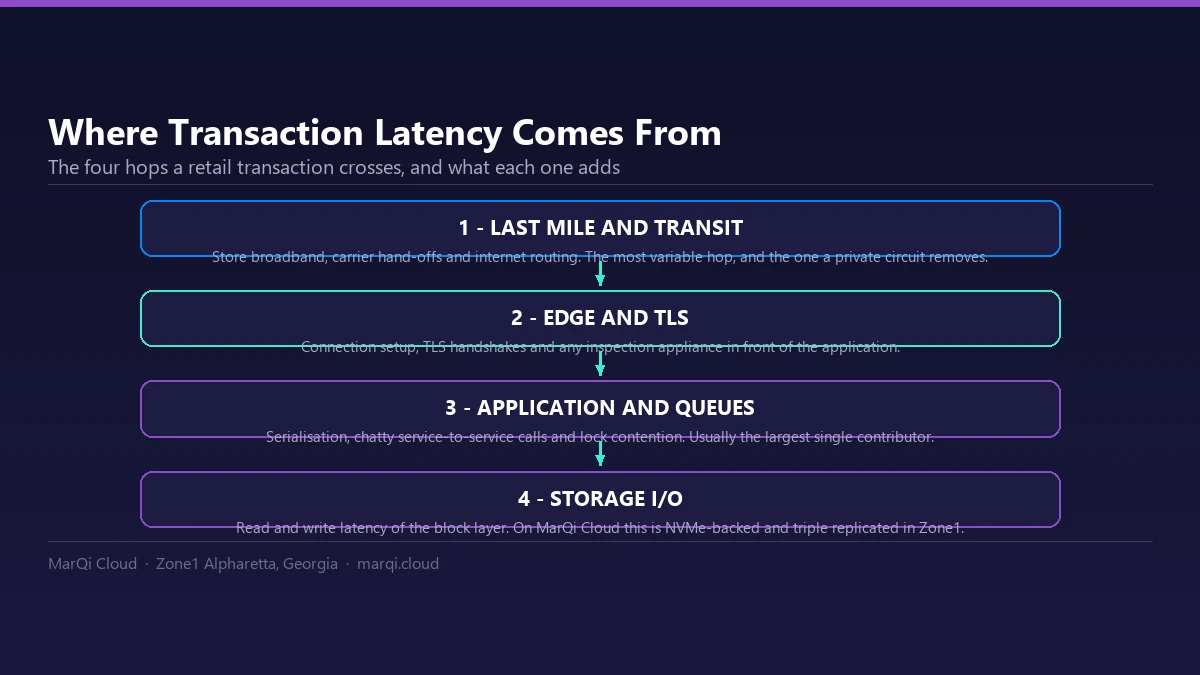
- Faster data transfer with lower latency
- Stronger security since data stays off the public internet
- Reliable connections with less downtime
- Cost-effective for handling large amounts of data
How They Work Together
Private circuits provide a dedicated path for data, while peering services make it possible for networks to share that data directly. Together, private circuits and peering services give businesses a more secure, faster, and efficient way to manage their network.
What Is a Private Network Circuits Provider?
A private network circuits provider is a company that offers dedicated and secure connections between business locations. These connections do not use the public internet, which helps businesses get faster speeds, better security, and more reliable performance. Many companies depend on a private network circuit provider to connect their offices, data centers, and cloud systems without interruptions.
Main Features
- Dedicated bandwidth: No sharing, so performance stays consistent
- Strong security: Data remains on private networks
- Direct connections: Links specific locations easily
- High reliability: Backed by service guarantees and monitoring
Types of Private Circuits
- IPLC: Used for secure international connections
- DPLC: Best for connections within a country or city
- EPL: Fast, direct connection between two sites
- MPLS: Connects multiple locations in one network
Benefits for Businesses
- Faster data transfer with low delays
- Better protection for sensitive data
- Stable and always-on connectivity
- Consistent network performance
Why Businesses Choose a Private Network Circuits Provider
- Easy to scale: Grow the network as needed
- Flexible setup: Solutions based on business needs
- More control: Better monitoring and management
- Data compliance: Helps meet security standards
Peering Services Provider: Boosting Business Network Performance
A peering services provider is a company, often an ISP or an Internet Exchange Point (IXP), that helps networks connect directly to each other. Instead of sending data over the public internet, businesses can use a peering services provider to exchange traffic faster, safer, and more efficiently. This results in lower latency, better performance, and reduced costs.
Benefits of Network Peering Services
- Faster access to cloud and SaaS applications: Direct connections make cloud services smoother and more responsive
- Lower latency for global operations: Optimized routes improve performance across regions
- Improved traffic management: Helps balance network loads and prevent congestion
Choosing the Right Peering Services Provider
- Network coverage: Global or regional availability,
- depending on your needs
- Reliable infrastructure: Redundant systems and guaranteed uptime
- Support and SLAs: 24/7 technical support and clear performance guarantees
A reliable peering services provider ensures businesses have faster, safer, and more dependable network connections. By connecting directly through the best provider, companies can maintain smooth operations and improve overall network performance.
Network Peering Services: How They Help Businesses
Network peering services allow different internet networks to connect directly, instead of sending data over the public internet or through third-party providers. This direct connection makes networks faster, more reliable, and often more cost-effective for ISPs, cloud providers, and other businesses that handle large amounts of traffic.
Types of Network Peering Services
- Public Peering: Networks connect at a neutral Internet Exchange Point (IXP) to share traffic
- Private Peering: A dedicated link between two networks, ideal for high-volume data transfer
- Paid Peering: One network pays another for direct, high-capacity access
Benefits for Businesses
- Faster access to cloud and SaaS applications: Direct routing improves performance and user experience
- Lower latency: Data travels the shortest path, reducing delays
- Better traffic management: Balances network loads and prevents congestion
- Cost efficiency: Reduces dependence on expensive transit providers
Who Benefits the Most
- Financial services: Secure and real-time transactions
- Healthcare organizations: Safe handling of sensitive data
- E-commerce and retail: Faster, more reliable customer experiences
- Cloud-driven enterprises: Smooth integration with cloud platforms
Using network peering services helps businesses get faster, safer, and more efficient network connections, making them essential for modern operations.
MarQi Cloud
MarQi Cloud is a reliable provider for businesses that need secure, fast, and scalable network solutions. Its key features include:
- Independent data center: Houses its own storage cluster for secure and reliable data management
- Redundant network fabric: Ensures high availability and continuous operations
- Private circuits and peering services: Provides direct, secure, and high-performance connections
- Scalable connectivity: Supports growing enterprises and multi-location operations
- Best partner for businesses: Delivers dependable and efficient network solutions
Conclusion
Private circuits and peering services are essential for modern enterprises, offering businesses enhanced security, faster performance, and reliable connectivity for critical operations. By partnering with a reliable private network circuits provider and the right peering services provider, companies can ensure smooth, uninterrupted network performance while reducing latency and optimizing data flow. With solutions like those offered by MarQi Cloud, enterprises gain access to secure, scalable, and high-performance networking that supports both daily operations and long-term growth.