How MarQi Cloud Achieves Sub-5ms Latency for Real-Time Application Workloads
April 19, 2026
The MarQi Cloud Glossary: Every Term You Need to Know Before Buying Cloud
April 20, 2026
Why MarQi Cloud’s Network Fabric Beats Traditional CDN Setups for Speed
In the digital age, speed is of the essence. Businesses rely on quick access to information and seamless user experiences. When it comes to content delivery, the traditional Content Delivery Network (CDN) setups have long been the go-to solution. However, as the demand for performance and efficiency has evolved, MarQi Cloud’s Network Fabric has emerged as a superior alternative. In this article, we will explore the reasons why MarQi Cloud’s Network Fabric outperforms traditional CDN setups, particularly in terms of speed.
Understanding CDN and Network Fabric
Before delving into the specifics of why MarQi Cloud’s Network Fabric excels, it’s essential to understand what a CDN is and how it operates.
What is a CDN?
A Content Delivery Network is a system of distributed servers that deliver web content to users based on their geographic location. The goal of a CDN is to reduce latency and improve load times by caching content closer to the end-user. While traditional CDNs have been effective in many scenarios, they can also present limitations.
What is Network Fabric?
MarQi Cloud’s Network Fabric is an advanced infrastructure solution that integrates various networking technologies to enhance data transmission speed and reliability. Unlike traditional CDNs that rely on a series of edge servers to cache and deliver content, Network Fabric utilizes a more dynamic approach, facilitating direct connections between users and resources.
Key Advantages of MarQi Cloud’s Network Fabric
1. Enhanced Speed and Performance
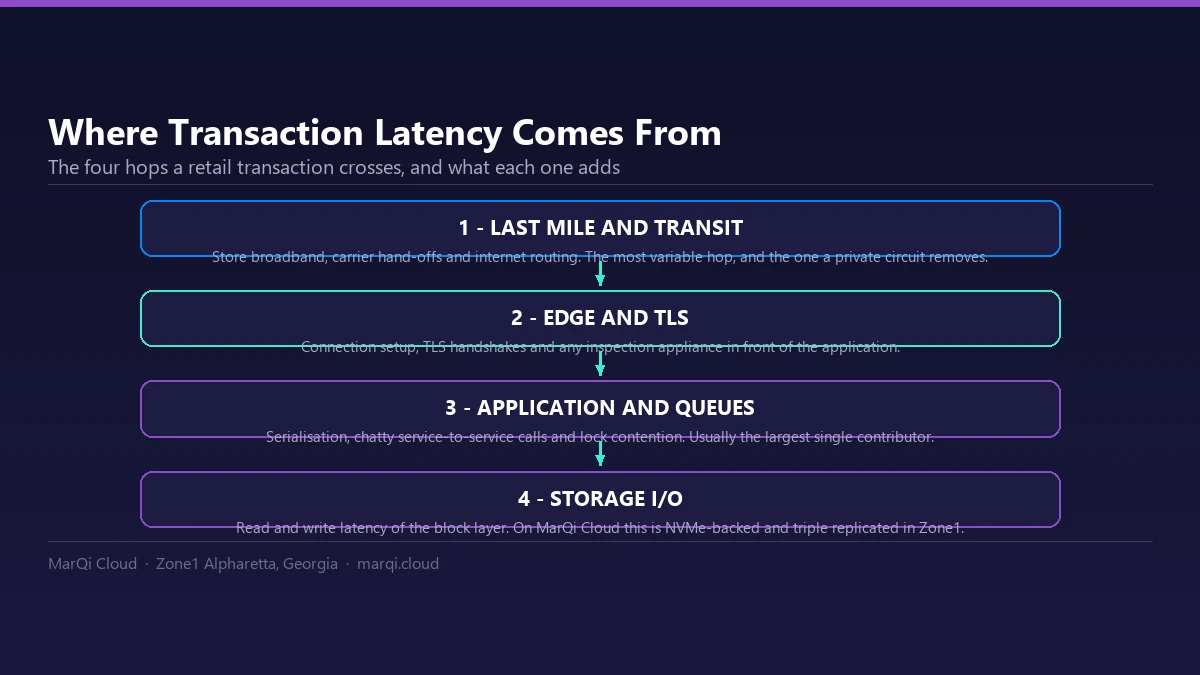
One of the primary reasons MarQi Cloud’s Network Fabric outperforms traditional CDN setups is its ability to deliver content with reduced latency. By leveraging a network of interconnected resources, MarQi Cloud provides direct pathways for data transfer, significantly speeding up the delivery process. This is especially beneficial for applications requiring real-time data processing.
2. Reduced Bottlenecks
Traditional CDNs often face challenges related to bottlenecks, particularly during peak traffic times. MarQi Cloud’s Network Fabric minimizes these bottlenecks by distributing traffic dynamically across its infrastructure, ensuring that no single point becomes overwhelmed. This dynamic load balancing translates into a smoother user experience and faster loading times.
3. Optimized Routing
MarQi Cloud’s Network Fabric employs intelligent routing algorithms that determine the most efficient path for data transmission. This optimization ensures that data packets travel the shortest possible distance to reach their destination, enhancing speed. Traditional CDNs, in contrast, may route data through multiple hops, which can increase latency and reduce overall performance.
4. Scalability
As businesses grow, so do their content delivery needs. MarQi Cloud’s Network Fabric is designed to scale seamlessly, accommodating increased traffic without compromising speed. Traditional CDNs often require manual intervention and additional configurations to handle surges in demand, which can lead to delays and service interruptions.
5. Secure Transmission
Security is a paramount concern in today’s digital landscape. MarQi Cloud’s Network Fabric incorporates robust security features that ensure data is transmitted securely and efficiently. This level of security, combined with speed, provides businesses with peace of mind when delivering sensitive information. Traditional CDNs may not offer the same level of integrated security, leading to potential vulnerabilities.
6. Flexible Deployment Options
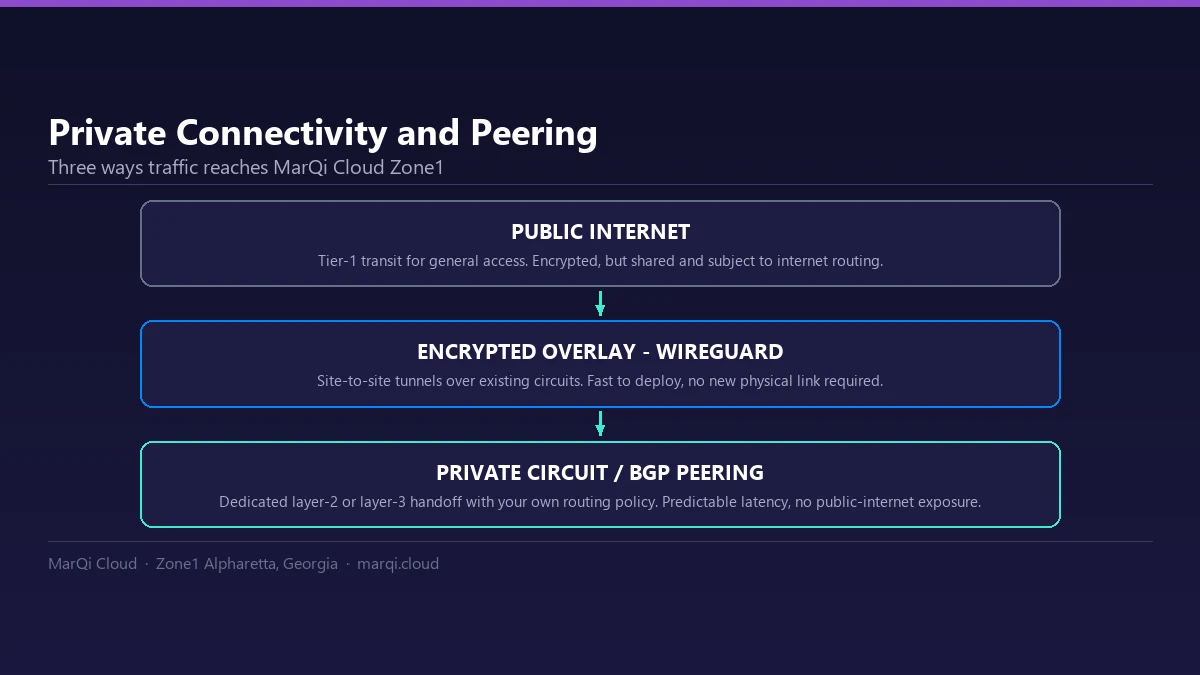
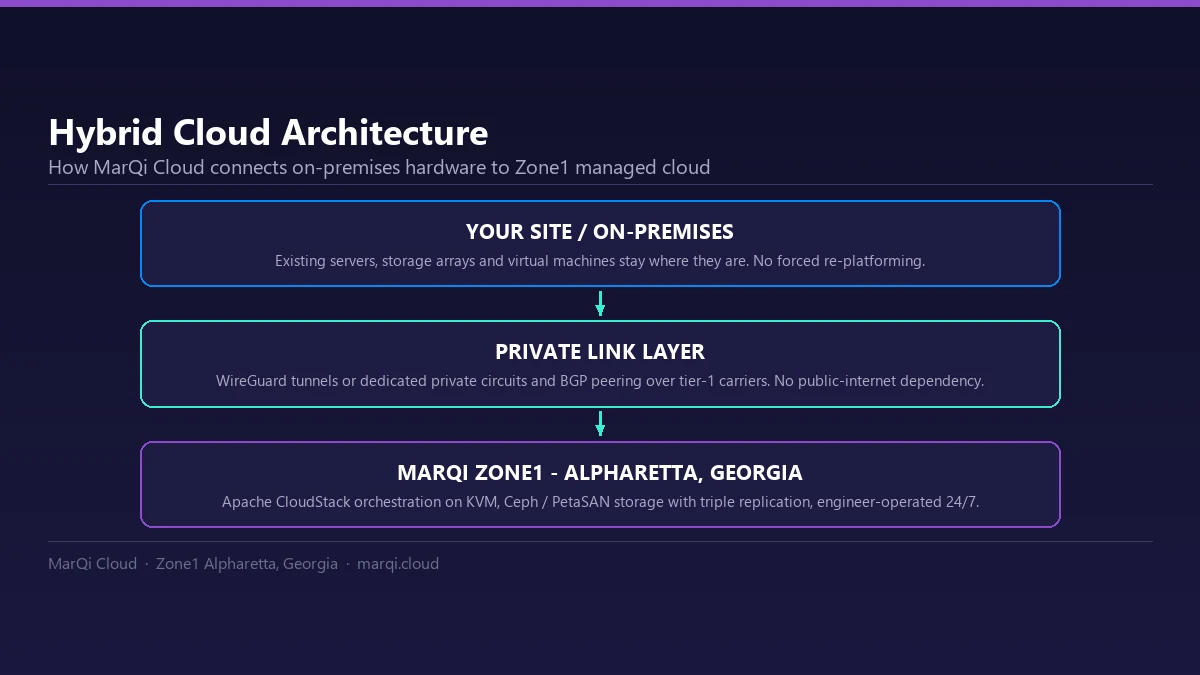
MarQi Cloud offers various deployment models, including hybrid and private cloud options, allowing businesses to customize their infrastructure according to specific needs. This flexibility is crucial for organizations that require tailored solutions to meet their unique performance and speed requirements. Traditional CDNs often lack this level of customization, which can hinder performance.
7. Performance-Driven Infrastructure Design
The design of MarQi Cloud’s infrastructure is centered around performance. With enterprise-grade cloud infrastructure, businesses benefit from high availability and low latency, ensuring that their content is delivered quickly and reliably. Traditional CDNs may not have the same focus on performance-driven design, which can affect speed and user satisfaction.
8. US-Based Infrastructure and Support
MarQi Cloud’s US-based infrastructure ensures that businesses receive localized support and faster response times. This proximity can contribute to improved performance and speed, particularly for organizations operating primarily in the US market. Traditional CDNs may have a more global reach but can suffer from slower response times due to geographical distance.
Conclusion
In conclusion, while traditional CDNs have served their purpose in the content delivery landscape, MarQi Cloud’s Network Fabric has redefined the standards for speed and performance. With its enhanced routing capabilities, reduced bottlenecks, scalability, security, and performance-driven design, MarQi Cloud provides businesses with a superior solution for their content delivery needs. As the demand for speed continues to rise, organizations must consider adopting innovative technologies like MarQi Cloud’s Network Fabric to stay ahead of the competition.
Frequently Asked Questions (FAQ)
1. What is the main difference between a CDN and MarQi Cloud’s Network Fabric?
The main difference lies in the approach to content delivery. Traditional CDNs rely on a network of edge servers, while MarQi Cloud’s Network Fabric utilizes a more dynamic infrastructure that optimizes routing and minimizes latency.
2. How does MarQi Cloud ensure speed during peak traffic times?
MarQi Cloud employs dynamic load balancing and intelligent routing algorithms to distribute traffic efficiently, preventing bottlenecks and ensuring consistent speed, even during peak times.
3. Is MarQi Cloud’s Network Fabric secure?
Yes, MarQi Cloud incorporates robust security features within its Network Fabric, ensuring secure data transmission and protection against potential vulnerabilities.
4. Can MarQi Cloud’s Network Fabric scale with my business?
Absolutely. MarQi Cloud is designed to scale seamlessly, accommodating increased traffic without compromising performance or speed.
5. What deployment options does MarQi Cloud offer?
MarQi Cloud provides flexible deployment options, including hybrid and private cloud models, allowing businesses to customize their infrastructure according to specific needs.
6. How does MarQi Cloud enhance routing for speed?
MarQi Cloud uses intelligent routing algorithms to determine the most efficient path for data transmission, ensuring that data packets travel the shortest possible distance to reach their destination.
7. What support does MarQi Cloud provide for its Network Fabric?
MarQi Cloud offers US-based infrastructure and support, ensuring localized assistance and faster response times for businesses relying on its services.
8. How can I get started with MarQi Cloud’s Network Fabric?
You can get in touch with MarQi Cloud by calling +1 770-369-9321 to discuss your needs and explore the best solutions for your business.