Hosting LLMs Privately: Security and Cost Benefits for US Companies
March 8, 2026
On-Prem to Hybrid: A 90-Day Modernization Roadmap for US IT Teams
March 8, 2026
What is AI inference latency?
AI inference latency is the time taken by an AI model to process input data and produce an output.
AI Inference Latency: How US Apps Can Keep Response Times Low
In recent years, artificial intelligence (AI) has become a cornerstone of modern applications, enabling businesses to enhance user experiences, automate processes, and derive insights from vast amounts of data. However, as AI becomes increasingly integrated into applications, one critical factor that developers and organizations must address is inference latency. In this article, we’ll delve into what AI inference latency is, why it matters, and how US-based applications can maintain low response times to deliver optimal user experiences.
Understanding AI Inference Latency
AI inference latency refers to the time it takes for an AI model to process input data and produce an output or response. This can include anything from predicting user behaviors based on historical data to generating responses in natural language processing applications. Latency is crucial because it directly affects the responsiveness of an application, and in turn, user satisfaction.
Factors Affecting AI Inference Latency
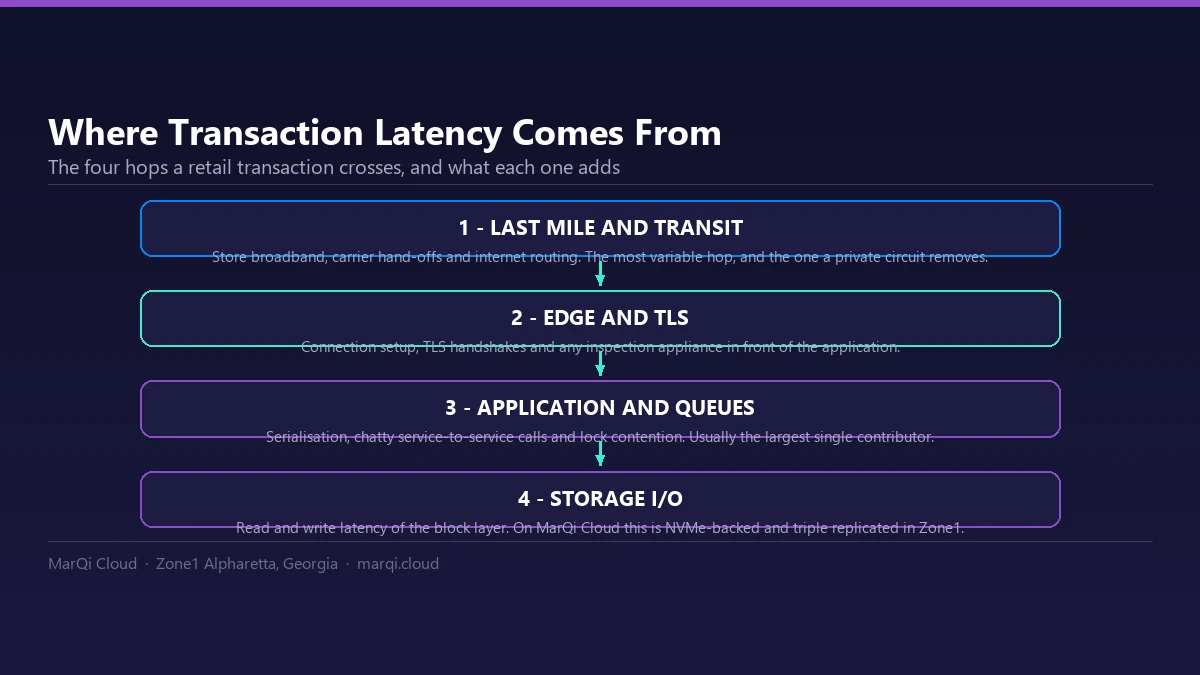
Several factors contribute to AI inference latency, including:
- Model Complexity: More complex models, such as deep learning architectures, often require more computation time, leading to increased latency.
- Data Transfer Times: The time taken to transfer data between the client and the server can significantly impact latency, especially in cloud-based applications.
- Server Performance: The hardware and infrastructure used for hosting AI models play a crucial role. Insufficient resources can lead to bottlenecks.
- Network Latency: Delays in data transmission due to network congestion or distance can contribute to longer response times.
- Optimization Techniques: The use of techniques like model pruning, quantization, and caching can help reduce latency but require careful implementation.
Why Low Inference Latency Matters
Maintaining low inference latency is essential for several reasons:
- User Experience: Users expect immediate responses from applications. High latency can lead to frustration and abandonment.
- Competitive Advantage: In a crowded market, applications that respond faster can stand out, attracting and retaining users.
- Real-Time Applications: For applications in sectors like finance, healthcare, and autonomous vehicles, low latency is critical to ensure safety and effectiveness.
Strategies for Maintaining Low AI Inference Latency in US Applications
To ensure that AI-driven applications maintain low inference latency, organizations can implement several strategies:
1. Optimize Model Architecture
Choosing the right model architecture can significantly influence latency. Lightweight models, such as MobileNets or SqueezeNet, are designed to be efficient and can be deployed in environments where low latency is vital.
2. Leverage Edge Computing
Edge computing allows data processing nearer to the data source rather than relying solely on a centralized cloud server. This approach minimizes data transfer times and can drastically reduce latency. For example, deploying AI inference on devices like smartphones or IoT devices can enhance responsiveness.
3. Utilize US-Based Infrastructure
For applications serving US customers, leveraging US-based cloud infrastructure can reduce network latency. MarQi Cloud provides enterprise-grade cloud solutions with US-based infrastructure, ensuring that applications can respond quickly to user requests.
4. Implementing Caching Mechanisms
Caching frequently requested data and results can significantly speed up response times. By storing previous outputs, applications can serve users without recomputing results, thus reducing inference latency.
5. Optimize Data Transfer
Minimizing the size of data being transferred can help reduce latency. Techniques such as data compression and efficient serialization formats can enhance performance.
6. Continuous Monitoring and Performance Tuning
Regularly monitoring application performance allows teams to identify latency issues quickly. Tools for performance monitoring can provide insights into where bottlenecks occur, enabling timely optimizations.
7. Choose the Right Deployment Model
Hybrid cloud deployment models can offer flexibility and scalability while maintaining control over sensitive data. By strategically placing workloads in the cloud or on-premises, organizations can optimize for performance and cost.
Conclusion
AI inference latency is a critical factor that can make or break an application’s success. By understanding the factors that contribute to latency and implementing strategies to minimize it, US-based applications can ensure quick response times and deliver exceptional user experiences. Leveraging enterprise-grade cloud infrastructure, like that offered by MarQi Cloud, can further enhance performance by providing scalable and reliable hosting solutions tailored to the needs of businesses.
FAQ
1. What is AI inference latency?
AI inference latency is the time taken by an AI model to process input data and produce an output.
2. Why is inference latency important?
Low inference latency is crucial for user experience and is essential for real-time applications.
3. How can model complexity affect latency?
More complex models require more computation time, which can increase latency.
4. What role does network latency play?
Network latency refers to delays in data transmission, which can contribute to longer response times.
5. How can edge computing reduce latency?
Edge computing processes data closer to the source, minimizing data transfer times and enhancing responsiveness.
6. What are some optimization techniques for AI models?
Techniques include model pruning, quantization, and caching.
7. Why should organizations use US-based infrastructure?
US-based infrastructure can reduce network latency for applications serving US customers.
8. What is the benefit of using a hybrid cloud deployment model?
A hybrid cloud model offers flexibility and scalability while maintaining control over sensitive data.
9. How can continuous monitoring help with latency issues?
Monitoring performance regularly can help identify and resolve latency bottlenecks promptly.
10. What is MarQi Cloud’s role in maintaining low latency?
MarQi Cloud provides enterprise-grade cloud infrastructure with US-based support to ensure optimal application performance.