AI Inference Latency: How US Apps Can Keep Response Times Low
March 8, 2026
Manufacturing in the US: Leveraging Hybrid Cloud for Effective OT/IT Integration
March 9, 2026
On-Prem to Hybrid: A 90-Day Modernization Roadmap for US IT Teams
In today’s fast-paced digital landscape, organizations are increasingly seeking to modernize their IT infrastructure to remain competitive and agile. The transition from on-premises systems to hybrid cloud environments is a significant step for many U.S. IT teams. This article outlines a comprehensive 90-day roadmap for successfully executing this modernization journey.
Understanding Hybrid Cloud Environments
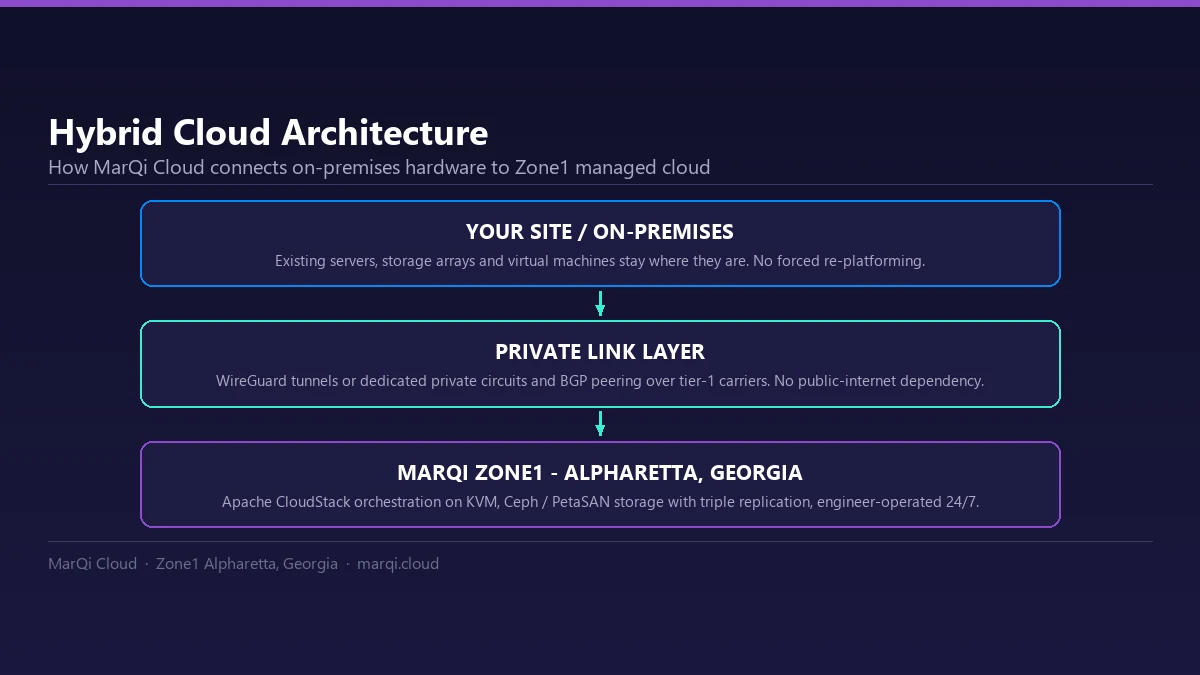
Before diving into the roadmap, it is essential to understand what hybrid cloud environments entail. A hybrid cloud combines on-premises infrastructure with cloud services, allowing organizations to leverage the best of both worlds. This deployment model provides flexibility, scalability, and enhanced resource management, making it an attractive option for businesses looking to modernize their IT frameworks.
The Benefits of Hybrid Cloud Deployment
- Scalability: Hybrid cloud solutions can easily scale to meet fluctuating business demands.
- Cost-Effectiveness: Organizations can optimize their spending by utilizing cloud resources only when needed.
- Enhanced Security: Sensitive data can remain on-premises while less critical workloads can be transferred to the cloud.
- Improved Business Continuity: Hybrid models facilitate better disaster recovery strategies.
90-Day Roadmap for Transitioning to Hybrid Cloud
Transitioning to a hybrid cloud environment is a complex process that requires careful planning and execution. This 90-day roadmap is broken down into three phases: Assessment, Planning, and Implementation.
Phase 1: Assessment (Days 1-30)
The first phase focuses on assessing the current on-premises environment and determining the organization’s readiness for a hybrid cloud model.
Step 1: Evaluate Current Infrastructure
Conduct a thorough evaluation of existing IT infrastructure, including hardware, software, and network capabilities. Identify any bottlenecks or limitations that may affect the transition.
Step 2: Identify Business Needs
Engage with stakeholders to understand the organization’s business objectives, compliance requirements, and application dependencies. This will help in determining which workloads are suitable for the cloud.
Step 3: Analyze Cloud Providers
Research potential cloud service providers and their offerings. Consider factors such as performance, security, compliance, and support options.
Phase 2: Planning (Days 31-60)
Once the assessment is complete, the next phase involves strategic planning for the hybrid cloud deployment.
Step 1: Develop a Hybrid Cloud Strategy
Create a comprehensive hybrid cloud strategy that outlines specific goals, timelines, and resource allocations. Ensure that the strategy aligns with the overall business objectives.
Step 2: Choose the Right Hybrid Model
Select the most suitable hybrid cloud model based on the organization’s needs. Common models include public cloud, private cloud, and managed hybrid cloud solutions.
Step 3: Establish Governance and Compliance Frameworks
Implement governance structures to manage cloud resources effectively. Establish compliance frameworks to ensure all regulations and standards are met.
Phase 3: Implementation (Days 61-90)
The final phase focuses on executing the hybrid cloud strategy and migrating workloads.
Step 1: Pilot Migration
Begin with a pilot migration of non-critical workloads to test the hybrid environment. Monitor performance and gather feedback from users.
Step 2: Full Migration
Once the pilot is successful, proceed with the full migration. Prioritize workloads based on business impact and complexity.
Step 3: Train and Support Teams
Provide training for IT teams on the new hybrid cloud environment. Ensure that support structures are in place to address any issues that may arise during and after the migration.
Best Practices for a Successful Transition
While the roadmap provides a structured approach to transitioning to a hybrid cloud, several best practices can enhance the success of this initiative.
1. Foster Collaboration
Encourage collaboration between IT teams, stakeholders, and cloud service providers to ensure everyone is aligned with the migration goals.
2. Prioritize Security
Implement robust security measures throughout the transition process. Regularly assess vulnerabilities and ensure compliance with industry standards.
3. Monitor and Optimize
Continuously monitor the performance of the hybrid cloud environment and optimize resources as needed. Utilize analytics tools to gain insights into usage patterns and resource allocation.
Conclusion
The shift from on-premises to hybrid cloud environments is a vital modernization strategy for U.S. IT teams. By following this 90-day roadmap, organizations can effectively navigate the complexities of this transition and enjoy the benefits of a flexible, scalable, and secure IT infrastructure.
Frequently Asked Questions (FAQs)
1. What is a hybrid cloud?
A hybrid cloud is a computing environment that combines on-premises infrastructure with public and/or private cloud services, allowing for greater flexibility and scalability.
2. What are the benefits of transitioning to a hybrid cloud?
Benefits include scalability, cost-effectiveness, enhanced security, and improved business continuity.
3. How long does it take to transition to a hybrid cloud?
The transition can vary based on the organization’s size and complexity, but a structured approach like the 90-day roadmap can facilitate a smoother transition.
4. What are the risks associated with hybrid cloud deployment?
Risks include security vulnerabilities, compliance challenges, and potential performance issues if not managed properly.
5. How can organizations ensure security during the transition?
Implement robust security measures, conduct regular assessments, and ensure compliance with industry standards throughout the transition process.
6. What types of workloads are best suited for the cloud?
Non-critical workloads, development and testing environments, and applications that require scalability are often ideal candidates for the cloud.
7. How do I choose the right cloud service provider?
Evaluate providers based on performance, security, compliance, customer support, and cost-effectiveness.
8. What should be included in a hybrid cloud strategy?
A hybrid cloud strategy should detail specific goals, timelines, resource allocation, governance frameworks, and compliance measures to ensure a successful transition.