On-Prem to Hybrid: A 90-Day Modernization Roadmap for US IT Teams
March 8, 2026
Logistics & Warehousing: Hybrid Cloud Patterns for Real-Time Systems
March 9, 2026
Manufacturing in the US: Leveraging Hybrid Cloud for Effective OT/IT Integration
The manufacturing industry in the United States has undergone a significant transformation over the past decade, driven by technological advancements and the increasing need for operational efficiency. One of the most pivotal changes has been the integration of Operational Technology (OT) and Information Technology (IT). The hybrid cloud model has emerged as a formidable solution, enabling manufacturers to enhance their processes, ensure data security, and maintain a competitive edge. In this article, we explore how hybrid cloud solutions can facilitate OT/IT integration in the manufacturing sector.
Understanding OT and IT in Manufacturing
Before delving into the hybrid cloud’s role, it is essential to understand the distinction between OT and IT.
What is Operational Technology (OT)?
Operational Technology refers to the hardware and software that detects or causes changes through direct monitoring and control of physical devices, processes, and events in the manufacturing environment. Examples include:
- Industrial control systems (ICS)
- Supervisory control and data acquisition (SCADA) systems
- Programmable logic controllers (PLC)
What is Information Technology (IT)?
Information Technology encompasses the systems and software used for managing data, communication, and information processing. This includes:
- Enterprise Resource Planning (ERP) systems
- Customer Relationship Management (CRM) software
- Data analytics and business intelligence tools
The Need for OT/IT Integration in Manufacturing
Integrating OT and IT is crucial for manufacturers looking to optimize their operations. Here are several key benefits:
1. Improved Operational Efficiency
By integrating OT and IT, manufacturers can streamline workflows, reduce downtime, and eliminate bottlenecks. This leads to enhanced productivity and reduced operational costs.
2. Enhanced Data Visibility and Analytics
When OT and IT systems communicate seamlessly, data from shop floor operations can be analyzed in real-time, providing valuable insights for decision-making and strategy formulation.
3. Increased Agility and Responsiveness
The manufacturing landscape is constantly changing. Integrated systems allow companies to respond quickly to market demands and adapt their operations accordingly.
4. Improved Security Posture
With a unified approach to OT and IT, manufacturers can implement comprehensive security measures to protect sensitive data and critical infrastructure from cyber threats.
Hybrid Cloud as a Solution for OT/IT Integration
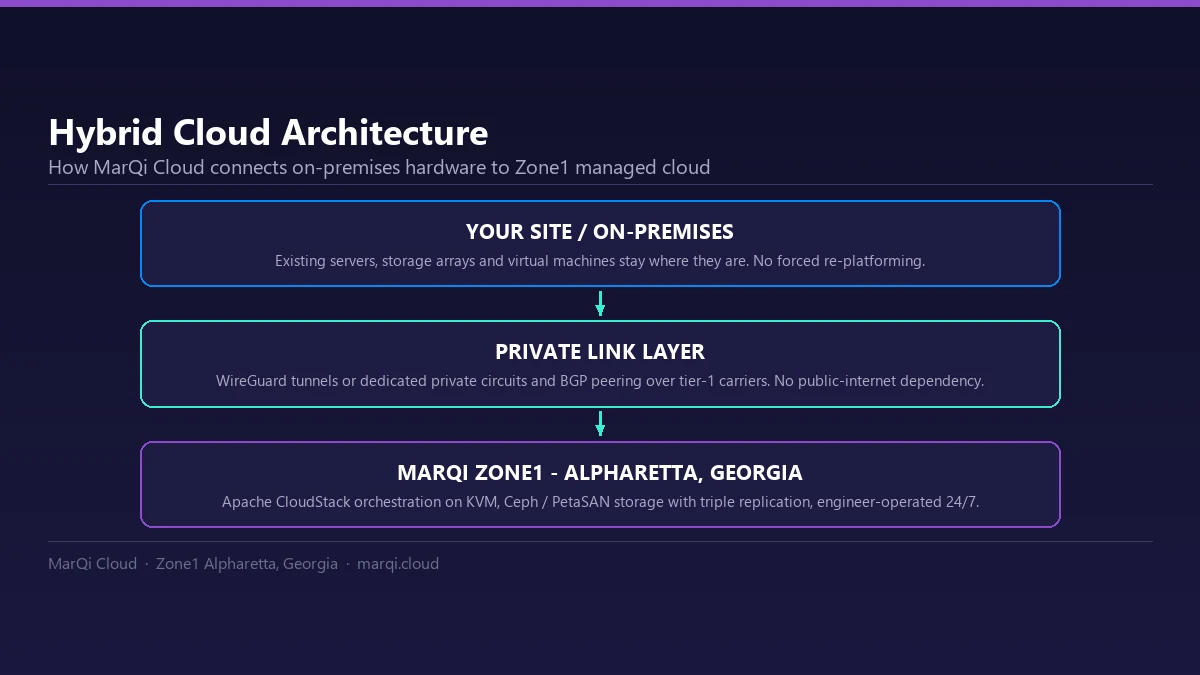
The hybrid cloud model combines on-premises infrastructure with cloud services, offering a flexible and scalable solution for manufacturers. Here’s how it supports OT/IT integration:
1. Flexibility and Scalability
The hybrid cloud allows manufacturers to scale their IT infrastructure according to their needs. This means they can expand their capabilities without investing heavily in on-premises resources.
2. Enhanced Data Management
With hybrid cloud solutions, manufacturers can efficiently manage and analyze vast amounts of data generated from both OT and IT systems. This leads to better decision-making and improved operational outcomes.
3. Cost-Effective Solutions
Hybrid cloud models offer flexible pricing options, allowing manufacturers to choose resources that fit their budget. This cost-effectiveness makes it easier for companies to invest in advanced technologies.
4. Business Continuity and Disaster Recovery
Hybrid cloud solutions provide robust business continuity and disaster recovery capabilities, ensuring that manufacturing operations can quickly recover from disruptions.
5. Secure Hosting Environments
With enterprise-grade security measures, hybrid cloud platforms ensure that sensitive manufacturing data is protected from unauthorized access and cyber threats.
Example Scenarios: OT/IT Integration Using Hybrid Cloud
The scenarios below are illustrative examples of how organizations typically apply these practices; they do not describe specific MarQi Cloud customers or measured results.
Example Scenario 1: Automotive Manufacturer
An automotive manufacturer implemented a hybrid cloud solution to integrate their production line with their IT systems. By doing so, they were able to reduce downtime and increase throughput. Real-time data analytics enabled them to make informed decisions, resulting in a significant boost in productivity.
Example Scenario 2: Food Processing Company
A food processing company utilized hybrid cloud technology to unify their supply chain and production data. This integration allowed them to monitor inventory levels and production efficiency in real-time, reducing waste and ensuring compliance with safety regulations.
Challenges in OT/IT Integration and How to Overcome Them
While the benefits of OT/IT integration are clear, manufacturers often face challenges in implementation. Here are some common obstacles and potential solutions:
1. Cultural Resistance
Employees may resist changes in workflows and processes. To overcome this, involve teams in the planning stages and provide adequate training to ease the transition.
2. Data Silos
Separate systems can create data silos, hindering integration. Implementing a hybrid cloud can help centralize data management and improve accessibility.
3. Security Concerns
Security is a top concern for manufacturers. Opt for hybrid cloud solutions that provide robust security measures, including encryption and multi-factor authentication.
Future Trends in Manufacturing and Hybrid Cloud
As the manufacturing industry continues to evolve, several trends are expected to shape the future of OT/IT integration:
1. Increased Adoption of IoT
The Internet of Things (IoT) will play a crucial role in connecting devices and systems, providing invaluable data for analysis and decision-making.
2. AI and Machine Learning
Artificial intelligence and machine learning will enhance data analytics capabilities, enabling predictive maintenance and smarter manufacturing processes.
3. Greater Focus on Sustainability
Manufacturers will increasingly leverage hybrid cloud solutions to optimize energy consumption and reduce their carbon footprint.
Conclusion
In conclusion, the hybrid cloud model presents a powerful solution for manufacturers looking to integrate their OT and IT systems effectively. By leveraging enterprise-grade cloud infrastructure, manufacturers can achieve improved operational efficiency, enhanced data visibility, and robust security measures. As the manufacturing landscape continues to evolve, embracing hybrid cloud solutions will be essential for staying competitive in the industry.
FAQ
1. What is hybrid cloud?
Hybrid cloud is a computing environment that combines on-premises infrastructure with public and/or private cloud services, allowing for greater flexibility and scalability.
2. How does hybrid cloud support OT/IT integration?
Hybrid cloud enables seamless data management, improved operational efficiency, and enhanced security, facilitating the integration of OT and IT systems.
3. What are the benefits of integrating OT and IT?
Benefits include improved operational efficiency, enhanced data visibility, increased agility, and a stronger security posture.
4. What challenges do manufacturers face in OT/IT integration?
Common challenges include cultural resistance, data silos, and security concerns.
5. How can manufacturers overcome cultural resistance?
Involve employees in the planning process and provide adequate training to ease the transition.
6. What role does IoT play in manufacturing?
The IoT connects devices and systems, providing valuable data for analysis and enhancing operational efficiency.
7. How can hybrid cloud solutions be cost-effective?
Hybrid cloud offers flexible pricing models, allowing manufacturers to choose resources that fit their budget.
8. What is the future of manufacturing with hybrid cloud?
The future will likely see increased adoption of IoT, AI, and a focus on sustainability, all supported by hybrid cloud solutions.