Backup Strategy for Hybrid Infrastructure: RPO/RTO Without Guesswork
February 23, 2026
Essential Colocation Security Checklist: Access Controls, Audit Trails, and Remote Hands
February 23, 2026
Atlanta Hybrid Cloud for SaaS: Designing for Low Latency and Fast Deployments
In today’s fast-paced digital landscape, software-as-a-service (SaaS) solutions demand an infrastructure that is not only reliable but also optimized for performance. The rise of hybrid cloud deployments has revolutionized how SaaS providers can deliver their services, particularly in bustling tech hubs like Atlanta. This article delves into the intricacies of designing a hybrid cloud environment tailored for low latency and rapid deployments, making it a perfect fit for SaaS applications.
Understanding Hybrid Cloud Architecture
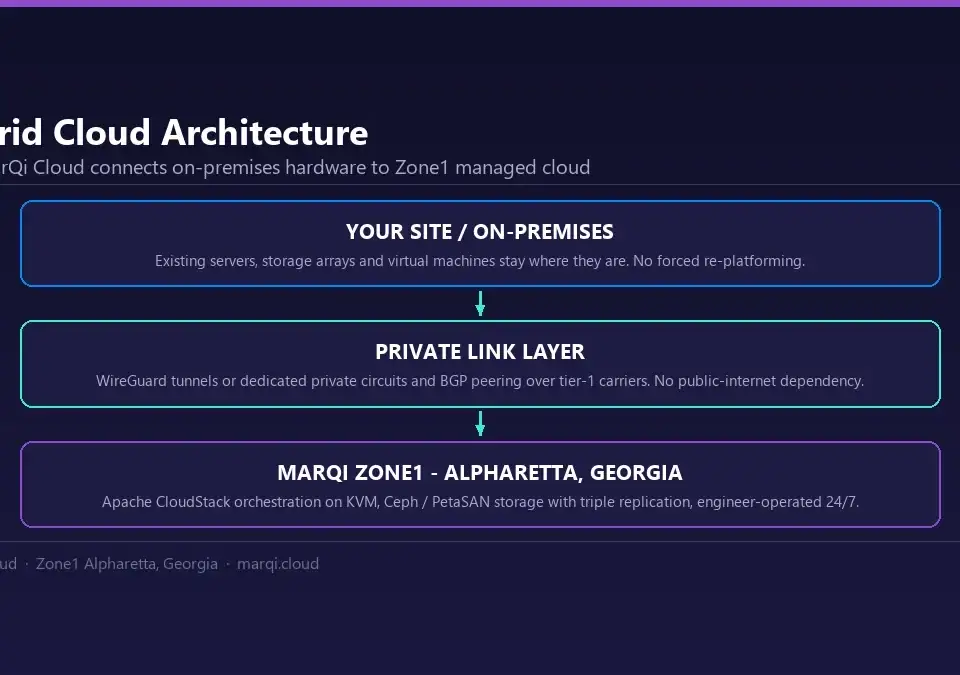
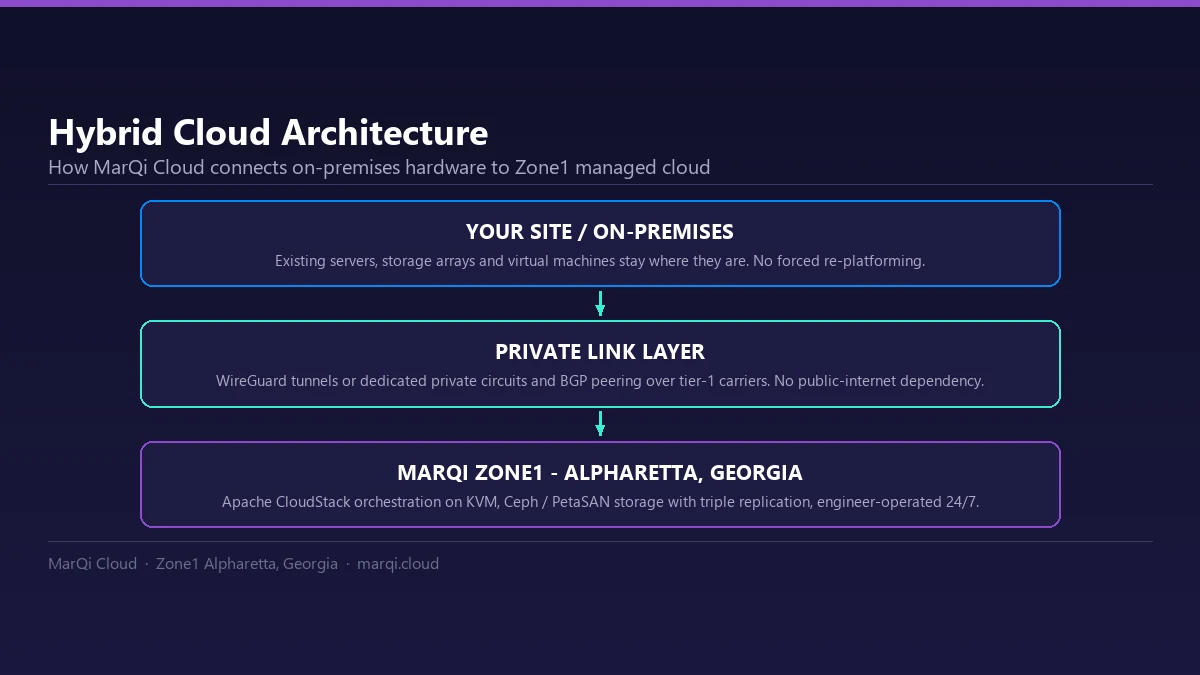
Hybrid cloud architecture combines public and private cloud resources, allowing organizations to benefit from both environments. This model offers flexibility, scalability, and increased control over sensitive data. For SaaS providers, a hybrid cloud can optimize application performance, reduce latency, and enhance user experience.
Key Components of Hybrid Cloud
- Public Cloud: Provides scalable resources and services that can be accessed over the internet. It is ideal for non-sensitive data and workloads that require high availability.
- Private Cloud: Offers dedicated resources and enhanced security, making it suitable for sensitive data and compliance requirements.
- Interconnectivity: Ensures seamless data transfer and communication between public and private clouds, crucial for maintaining low latency.
Benefits of Hybrid Cloud for SaaS Providers
The hybrid cloud model provides several advantages tailored to the needs of SaaS providers:
1. Scalability
SaaS applications often experience varying workloads. A hybrid cloud architecture allows for dynamic resource allocation, enabling providers to scale up or down based on demand without compromising performance.
2. Cost Efficiency
By leveraging a mix of public and private cloud resources, SaaS providers can optimize costs. They can keep sensitive data in a private cloud while utilizing the public cloud for less critical applications, reducing overall expenditure.
3. Enhanced Security
Security is paramount for SaaS applications, especially those handling sensitive customer data. A hybrid cloud can provide robust security measures, including data encryption, access controls, and compliance with regulations.
4. Improved Performance
With strategically located data centers, hybrid cloud environments can minimize latency, ensuring faster data retrieval and improved application performance.
Designing for Low Latency
When designing a hybrid cloud for SaaS applications, achieving low latency is crucial. Here are some strategies to consider:
1. Optimize Data Center Locations
Choosing data centers that are geographically close to your target audience can drastically reduce latency. In Atlanta, several data centers provide enterprise-grade infrastructure that can support your hybrid cloud deployment.
2. Implement Content Delivery Networks (CDNs)
CDNs can cache content and deliver it from the nearest edge location, ensuring fast loading times for users. By integrating a CDN with your hybrid cloud, you can enhance the performance of your SaaS application.
3. Use Load Balancing
Load balancing distributes incoming traffic across multiple servers, ensuring no single server becomes overwhelmed. This helps maintain optimal performance and low latency during peak usage times.
4. Optimize Network Performance
Utilizing software-defined networking (SDN) can enhance network performance by adjusting bandwidth allocation based on real-time demand. This ensures that your SaaS applications remain responsive, even during traffic spikes.
Fast Deployments in a Hybrid Cloud Environment
Fast deployment is essential for SaaS providers to stay competitive. Here are some best practices to achieve rapid deployment in a hybrid cloud:
1. Automation and Orchestration
Implementing automation tools can streamline deployment processes. Infrastructure as Code (IaC) allows for the rapid provisioning and management of cloud resources, significantly reducing deployment times.
2. Continuous Integration and Continuous Deployment (CI/CD)
Adopting CI/CD practices enables developers to frequently release updates and new features. By automating testing and deployment, teams can ensure that applications are consistently delivered to users without delays.
3. Microservices Architecture
Designing applications using microservices allows for independent deployment of components. This modular approach accelerates development and deployment cycles, enabling SaaS providers to respond quickly to market changes.
4. Utilize Containers
Containers encapsulate applications and their dependencies, facilitating consistent environments across different stages of deployment. Tools like Docker and Kubernetes can simplify the deployment process in a hybrid cloud setup.
Business Continuity and Disaster Recovery
Implementing a robust business continuity and disaster recovery (BCDR) strategy is critical for SaaS providers. A hybrid cloud can enhance BCDR plans by providing redundancy and failover capabilities:
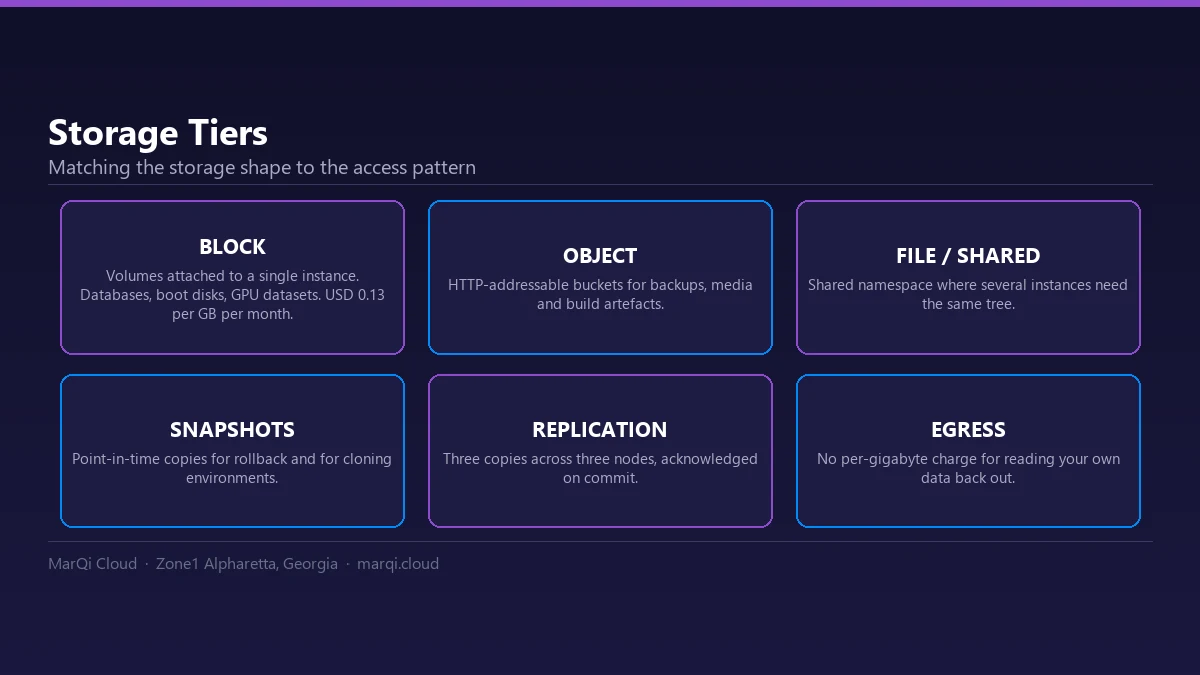
1. Data Backup and Replication
Regularly backing up data and maintaining replicas across different cloud environments ensures that critical information is not lost in case of a failure. This is particularly important for maintaining customer trust.
2. Automated Failover Solutions
Automated failover mechanisms can redirect traffic to backup systems in the event of an outage, minimizing downtime and ensuring continuous service availability.
3. Testing and Validation
Regularly testing your BCDR plans ensures that they are effective and that your team is prepared to respond to incidents swiftly. This practice can help identify any weaknesses in your strategy.
Conclusion
Designing a hybrid cloud environment for SaaS applications in Atlanta requires careful planning and execution. By focusing on low latency, fast deployments, and robust business continuity strategies, SaaS providers can deliver exceptional services that meet the demands of modern users. As technology continues to evolve, embracing a hybrid cloud model will be essential for staying competitive and providing an optimal user experience.
FAQ
1. What is a hybrid cloud?
A hybrid cloud is a computing environment that combines public and private cloud resources, allowing organizations to leverage the benefits of both.
2. Why is low latency important for SaaS applications?
Low latency ensures that users experience fast response times, leading to improved satisfaction and engagement with the application.
3. How can I achieve fast deployments in a hybrid cloud?
Utilizing automation tools, CI/CD practices, microservices architecture, and containers can significantly speed up deployment processes.
4. What role does a CDN play in a hybrid cloud?
A CDN caches content and delivers it from the nearest location to the user, reducing latency and improving load times for SaaS applications.
5. How can I ensure data security in a hybrid cloud environment?
Implementing encryption, access controls, and adhering to compliance regulations are essential for maintaining data security in a hybrid cloud.
6. What are the benefits of using microservices in SaaS applications?
Microservices allow for independent development and deployment of application components, enabling faster releases and greater flexibility.
7. How does load balancing improve application performance?
Load balancing distributes user traffic across multiple servers, ensuring that no single server is overloaded, which helps maintain optimal performance.
8. What is Infrastructure as Code (IaC)?
Infrastructure as Code is a practice that allows IT teams to manage and provision cloud resources through code, enabling automation and consistency in deployments.
9. Why is business continuity important for SaaS providers?
Business continuity ensures that services remain operational during disruptions, helping to maintain customer trust and minimize downtime.
10. How can I choose the right cloud provider for my hybrid cloud?
Consider factors such as infrastructure quality, support services, scalability options, and pricing models when selecting a cloud provider for your hybrid cloud deployment.