High Availability Architecture on Hybrid Cloud: Patterns That Scale
February 23, 2026
Atlanta Hybrid Cloud for SaaS: Designing for Low Latency and Fast Deployments
February 23, 2026
Backup Strategy for Hybrid Infrastructure: RPO/RTO Without Guesswork
In the modern digital landscape, businesses are increasingly adopting hybrid cloud infrastructures to leverage the benefits of both public and private clouds. However, with the complexity of managing data across multiple environments, developing a robust backup strategy becomes crucial. This article will explore effective backup strategies for hybrid infrastructures, focusing on Recovery Point Objectives (RPO) and Recovery Time Objectives (RTO) to ensure business continuity without guesswork.
Understanding RPO and RTO
Before diving into backup strategies, it is essential to understand the concepts of RPO and RTO.
What is RPO?
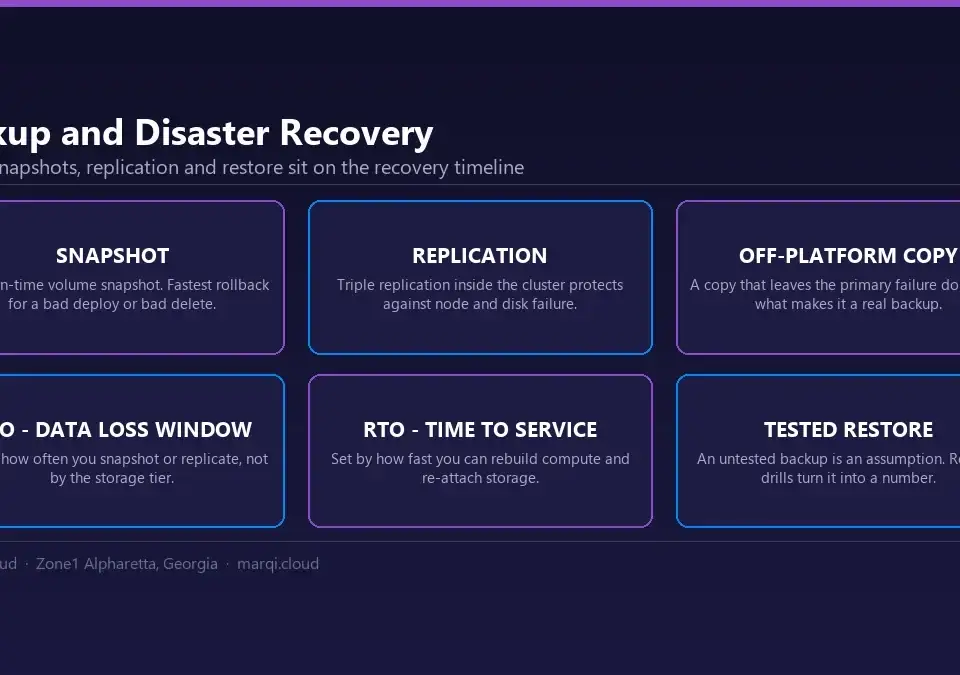
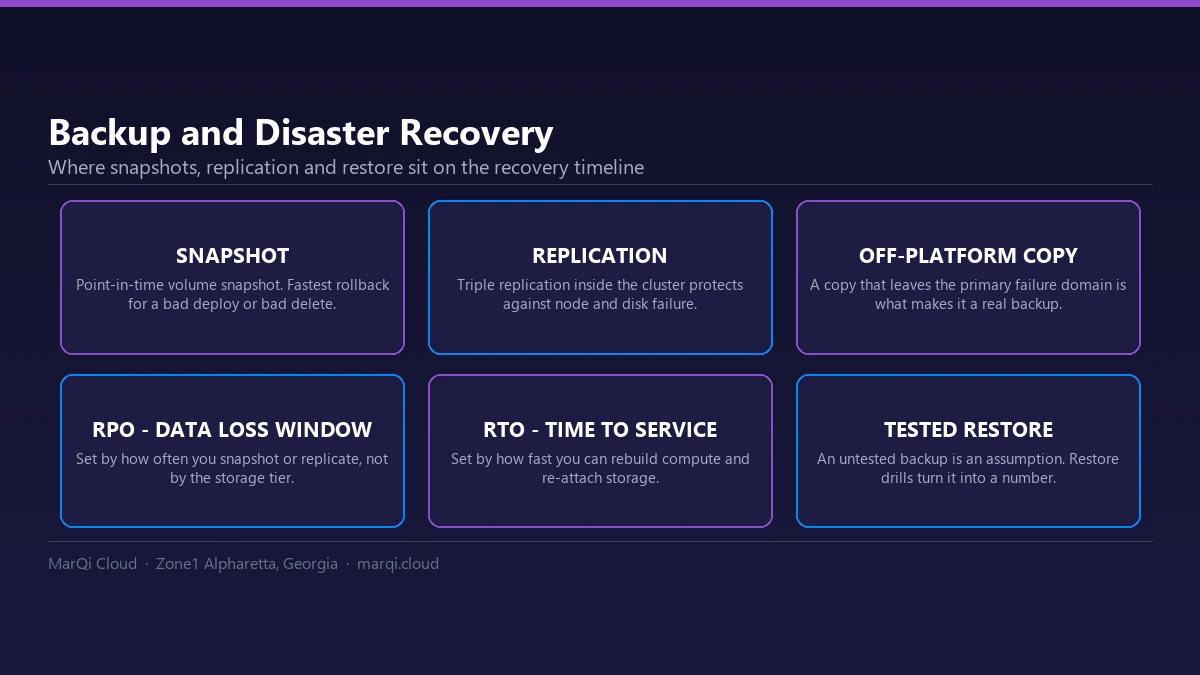
Recovery Point Objective (RPO) refers to the maximum period in which data might be lost due to a major incident. Essentially, it defines how much data a business can afford to lose measured in time. For instance, if a company has an RPO of four hours, it means that in the event of a failure, the business can only lose up to four hours’ worth of data.
What is RTO?
Recovery Time Objective (RTO) is the maximum time allowed to restore services after an incident. It indicates how quickly a business needs to recover its operations to minimize disruption. For example, an RTO of two hours means that the company must be able to restore its services within that timeframe after a failure.
Importance of RPO and RTO in Backup Strategies
Establishing clear RPO and RTO objectives is vital for creating effective backup strategies in a hybrid cloud environment. These metrics inform the frequency and type of backups needed, ensuring that data recovery aligns with business needs and minimizes potential losses.
Developing a Backup Strategy for Hybrid Infrastructure
When developing a backup strategy for hybrid infrastructure, several key steps should be taken to ensure comprehensive coverage and efficiency.
1. Assess Your Current Environment
Begin by evaluating your existing infrastructure, including both on-premises and cloud resources. Understand where your data resides, how it flows, and the critical applications that rely on that data. This assessment will provide a foundation for determining your RPO and RTO requirements.
2. Define RPO and RTO Goals
Once you have a clear understanding of your environment, define your RPO and RTO goals based on business needs. Engage stakeholders across departments to gather insights on how much data loss is acceptable and how quickly services must be restored. This collaborative approach will ensure that your objectives reflect the entire organization’s priorities.
3. Choose the Right Backup Solutions
In a hybrid infrastructure, it’s crucial to choose backup solutions that can work seamlessly across both public and private clouds. Consider solutions that offer features such as:
- Incremental backups to reduce backup windows and storage consumption.
- Continuous data protection (CDP) for near real-time backup and recovery.
- Automated backup processes to minimize human error.
- Easy scalability to accommodate growing data demands.
4. Implement a Multi-layered Backup Approach
A multi-layered backup strategy enhances data protection by creating various backup copies across different locations. This could include:
- On-premises backups for quick local restores.
- Cloud backups for geographical redundancy.
- Hybrid backups that leverage both environments for a balanced approach.
5. Regular Testing and Validation
Having a backup plan is not sufficient; regular testing and validation are essential to ensure that your backup processes work effectively. Schedule periodic disaster recovery drills to test your RPO and RTO objectives. This practice will help identify potential weaknesses in your strategy and allow for adjustments as necessary.
6. Monitor and Adjust Your Strategy
The digital landscape is constantly evolving, and so are your data management needs. Continuously monitor your backup processes and adjust your strategy to accommodate changes in your business operations, regulatory requirements, or technological advancements.
Best Practices for Backup Strategy in Hybrid Infrastructure
Adhering to best practices can further enhance your backup strategy, ensuring that you remain prepared for any eventuality.
1. Automate Your Backups
Automation reduces the risk of human error and ensures that backups occur consistently and on schedule. Utilize third-party tools or cloud services that provide automated backup capabilities tailored for hybrid infrastructures.
2. Encrypt Your Data
Security is paramount when dealing with sensitive data. Ensure that all backups, whether on-premises or in the cloud, are encrypted to protect against unauthorized access and data breaches.
3. Establish Clear Roles and Responsibilities
Define clear roles and responsibilities for team members involved in backup and recovery processes. Having a dedicated team that understands the protocols can expedite recovery and minimize downtime.
4. Maintain Documentation
Thoroughly document your backup strategy, including policies, procedures, and contacts. This documentation will serve as a reference point during disaster recovery and ensure that all team members are aligned with the plan.
Conclusion
Creating a reliable backup strategy for hybrid infrastructure is essential for ensuring business continuity and mitigating data loss. By understanding RPO and RTO, conducting thorough assessments, selecting the right solutions, and implementing best practices, businesses can safeguard their data without guesswork. Remember that the landscape of data management is ever-changing, so continuous evaluation and adaptation of your backup strategy will keep your organization resilient against unexpected disruptions.
FAQ
1. What is the difference between RPO and RTO?
RPO refers to the maximum amount of data loss in time, while RTO is the maximum time it takes to restore services after an incident.
2. How often should I perform backups?
The frequency of backups depends on your RPO. More critical data may require more frequent backups, whereas less critical data can be backed up less often.
3. What types of backup strategies can I use in a hybrid infrastructure?
You can use on-premises backups, cloud backups, and hybrid backups that leverage both environments for a multi-layered approach.
4. How can I test my backup and recovery plan?
Conduct regular disaster recovery drills to test your backup and recovery processes, ensuring they can meet your RPO and RTO objectives.
5. Is data encryption necessary for backups?
Yes, encrypting backup data is essential for protecting sensitive information from unauthorized access and data breaches.
6. What tools are available for automating backups in a hybrid environment?
There are various third-party tools and cloud services designed specifically for automating backups in hybrid infrastructures.
7. How can I ensure my backup strategy remains effective?
Regularly monitor and adjust your backup strategy based on changes in business operations, regulatory requirements, or technological advancements.
8. What should I include in my backup strategy documentation?
Your documentation should include policies, procedures, roles and responsibilities, and contact information for team members involved in backup and recovery.