Why Open Source Cloud Provides Full Visibility into Your Infrastructure Stack
August 1, 2026The Ultimate Guide for IT Architects: Evaluating Open Source Cloud Platforms
August 2, 2026
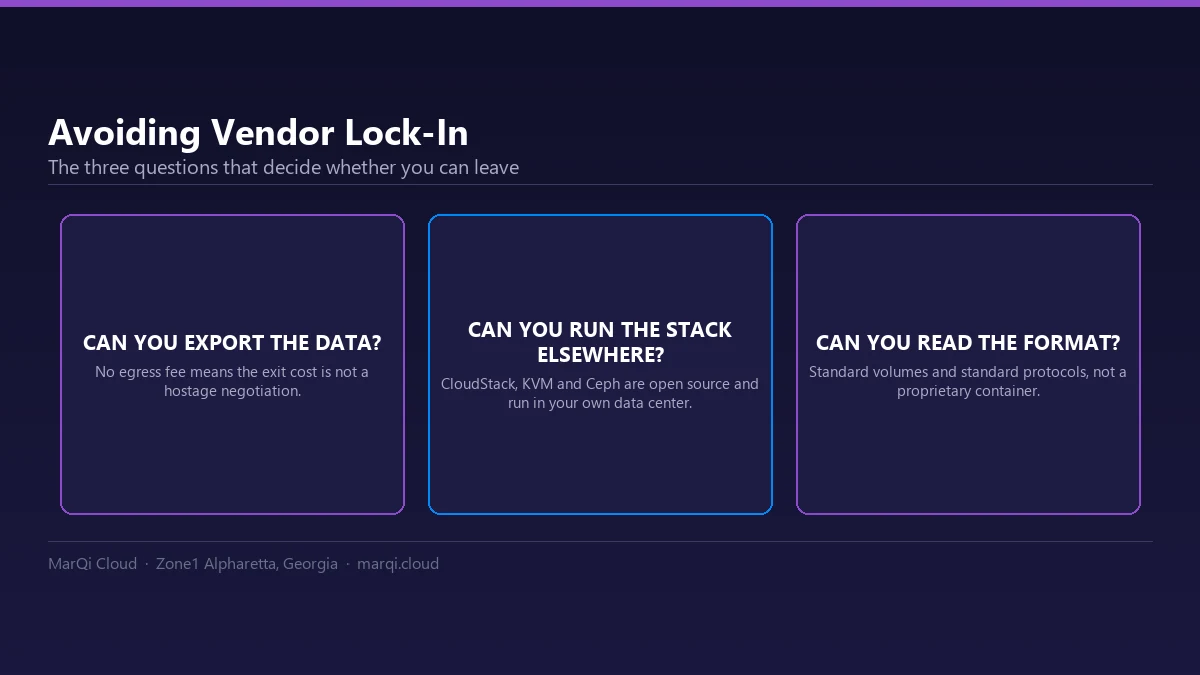
Avoid Proprietary Cloud Lock-In: Build on Open Source Foundations
In today’s rapidly evolving digital landscape, organizations are increasingly adopting cloud solutions to enhance agility and scalability. However, with this adoption comes a significant concern: proprietary cloud lock-in. This phenomenon occurs when businesses become overly dependent on a single cloud provider, making it challenging to migrate to other platforms without incurring substantial costs and operational disruptions. Fortunately, by leveraging open-source foundations, organizations can effectively mitigate the risks associated with cloud lock-in. In this article, we will explore effective strategies to avoid proprietary cloud lock-in while building on open-source technologies.
Why Open Source Matters
Open source software (OSS) has transformed the technology landscape by providing users with the freedom to use, modify, and distribute software without the constraints imposed by proprietary licenses. This flexibility is particularly crucial for organizations looking to build scalable and adaptable infrastructure. According to a report by Red Hat, 90% of IT decision-makers believe that open source is critical to their organization’s strategy.
The Evolution of Open Source
Open source has evolved significantly since its inception, transitioning from a niche solution to mainstream adoption. Major enterprises, including Google, Facebook, and IBM, have embraced open-source technologies to drive innovation and reduce costs. The collaborative nature of open source fosters an ecosystem where developers can contribute to building robust solutions that meet diverse needs.
Open Source in the Cloud
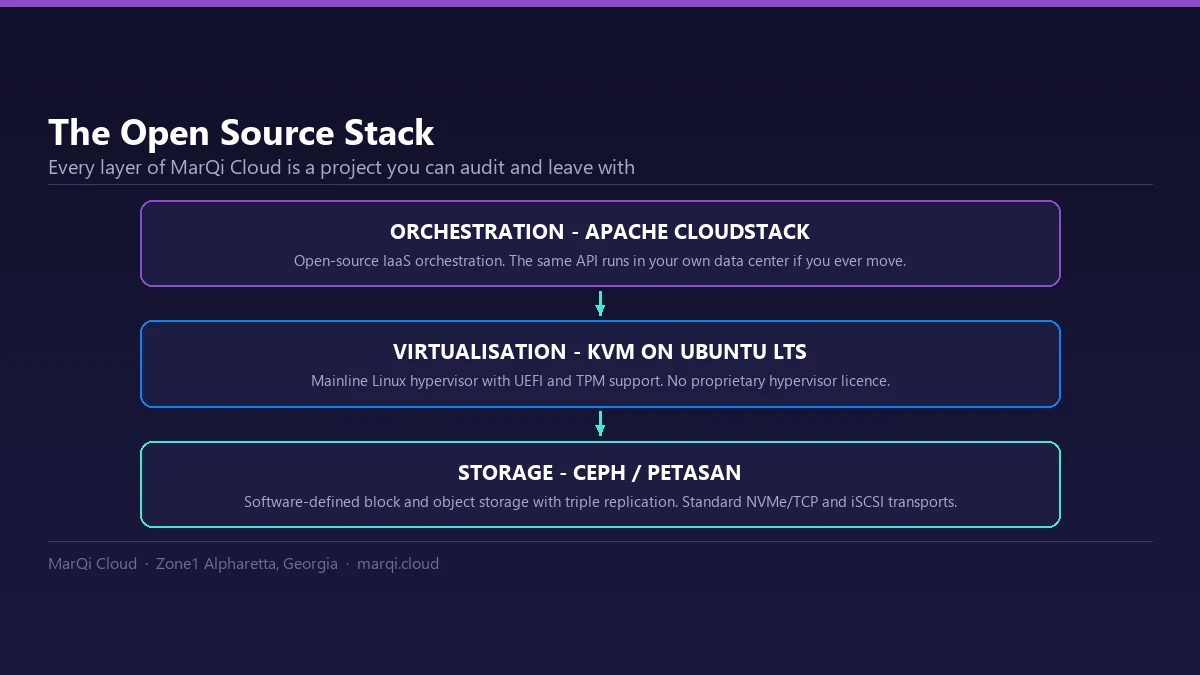
As cloud computing continues to dominate the IT landscape, open-source solutions play a pivotal role in enabling organizations to build hybrid and multi-cloud environments. By utilizing open-source tools, businesses can avoid vendor lock-in and ensure that their infrastructure remains flexible and adaptable to changing requirements.
The Risks of Cloud Lock-In
Proprietary cloud lock-in presents several risks that can hinder an organization’s growth and innovation. Understanding these risks is essential for businesses aiming to build robust cloud strategies.
Cost Implications
One of the most significant risks associated with cloud lock-in is the potential for escalating costs. When organizations become dependent on a single cloud provider, they may face increasing fees for data transfer, storage, and compute resources over time. Many organizations report higher costs as a direct result of vendor lock-in.
Limited Flexibility
Cloud lock-in can severely limit an organization’s ability to adapt to changing market dynamics. If a business relies heavily on a specific vendor’s proprietary tools and services, it may struggle to integrate new technologies or pivot its strategy when necessary.
Compliance and Security Risks
Using proprietary cloud solutions can also pose compliance and security challenges. Organizations may find it challenging to meet regulatory requirements when their data is locked within a vendor’s infrastructure. Furthermore, security vulnerabilities in proprietary software can expose organizations to data breaches and other cyber threats.
Strategies to Avoid Lock-In
To mitigate the risks associated with proprietary cloud lock-in, organizations can implement several strategies that leverage open-source foundations.
1. Embrace Open Standards
Using open standards allows organizations to build applications and infrastructure that are interoperable across different platforms. This approach ensures that businesses can easily migrate their workloads without being tied to a specific vendor’s ecosystem.
2. Adopt Containerization
Containerization technologies, such as Docker and Kubernetes, enable organizations to package applications and their dependencies in a portable manner. This portability allows businesses to deploy applications across various cloud environments without vendor constraints. For a detailed guide on deploying Kubernetes, check out our article on how to deploy Kubernetes on MarQi Cloud VPS.
3. Leverage Multi-Cloud Strategies
Implementing a multi-cloud strategy allows organizations to distribute their workloads across multiple cloud providers. This approach reduces the risk of lock-in and provides the flexibility to choose the best services for specific use cases.
4. Invest in Open Source Technologies
Choosing open-source tools and platforms for cloud infrastructure can significantly reduce the risk of lock-in. Open-source solutions provide the freedom to customize and adapt the software to meet specific business needs.
5. Regularly Assess Your Cloud Strategy
Organizations should continuously evaluate their cloud strategy to ensure it aligns with their business goals. Regular assessments can help identify potential lock-in risks and enable timely adjustments to their infrastructure.
Benefits of Building on Open Source
Building on open-source foundations offers numerous advantages that can enhance an organization’s cloud strategy.
Cost Efficiency
Open-source solutions often come with lower licensing costs compared to proprietary software. Organizations can allocate these savings towards innovation and growth initiatives.
Enhanced Security
Open-source software benefits from community-driven security practices. Vulnerabilities are often identified and addressed more rapidly than in proprietary software, resulting in a more secure environment.
Community Support
Open-source projects often have vibrant communities that provide support, documentation, and resources. This collaborative environment fosters innovation and helps organizations stay updated with the latest developments.
Flexibility and Customization
With open-source solutions, organizations can customize their software to suit their unique requirements. This flexibility enables businesses to adapt their infrastructure as they grow.
Case Studies: Successful Open Source Deployments
Several organizations have successfully leveraged open-source technologies to build robust cloud infrastructures while avoiding proprietary lock-in.
Case Study 1: Netflix
Netflix is a prime example of an organization that has embraced open-source technologies. By utilizing open-source tools like Apache Kafka and Spinnaker, Netflix has built a scalable and resilient cloud infrastructure that supports its massive streaming service.
Case Study 2: NASA
NASA has leveraged open-source solutions to enhance its data management and processing capabilities. By adopting open-source platforms, NASA has improved collaboration and innovation within its teams while avoiding vendor lock-in.
Comparative Analysis of Open Source vs. Proprietary Solutions
| Criteria | Open Source | Proprietary |
|---|---|---|
| Cost | Lower initial costs, no vendor lock-in | Higher costs, potential for lock-in fees |
| Customization | Highly customizable | Limited customization |
| Community Support | Strong community-driven support | Vendor support only |
| Security | Rapid vulnerability resolution | Slower updates and patching |
Frequently Asked Questions
1. What is cloud lock-in?
Cloud lock-in refers to the situation where organizations become dependent on a single cloud provider’s services, making it difficult to migrate to other platforms without incurring significant costs.
2. How can I avoid cloud lock-in?
To avoid cloud lock-in, organizations can embrace open standards, adopt containerization, implement a multi-cloud strategy, and invest in open-source technologies.
3. What are the benefits of open-source cloud solutions?
Open-source cloud solutions offer cost efficiency, enhanced security, community support, and flexibility for customization.
4. What are some popular open-source cloud platforms?
Popular open-source cloud platforms include OpenStack, Kubernetes, and Cloud Foundry.
5. How does containerization help avoid lock-in?
Containerization allows applications to be packaged with their dependencies, enabling them to run consistently across different environments without vendor constraints.
6. Can open-source solutions be secure?
Yes, open-source solutions can be highly secure due to community-driven development practices that quickly address vulnerabilities.
7. What role does community support play in open-source?
Community support provides resources, documentation, and collaboration, fostering innovation and continuous improvement of open-source solutions.
8. How can organizations assess their cloud strategy?
Organizations can assess their cloud strategy by regularly evaluating their infrastructure, costs, and alignment with business goals.
Conclusion
Avoiding proprietary cloud lock-in is essential for organizations seeking to maintain flexibility and control over their cloud infrastructure. By building on open-source foundations, businesses can leverage the benefits of cost efficiency, enhanced security, and community support while ensuring their infrastructure remains adaptable to evolving needs. Implementing strategies such as embracing open standards, adopting containerization, and leveraging multi-cloud solutions will empower organizations to thrive in the competitive cloud landscape. To learn more about how MarQi Cloud can support your hybrid cloud needs, visit our hybrid cloud solutions page.