The Complete Guide to OpenStack-Based Cloud Infrastructure for Enterprise Use
August 1, 2026
Avoid Proprietary Cloud Lock-In: Build on Open Source Foundations
August 2, 2026
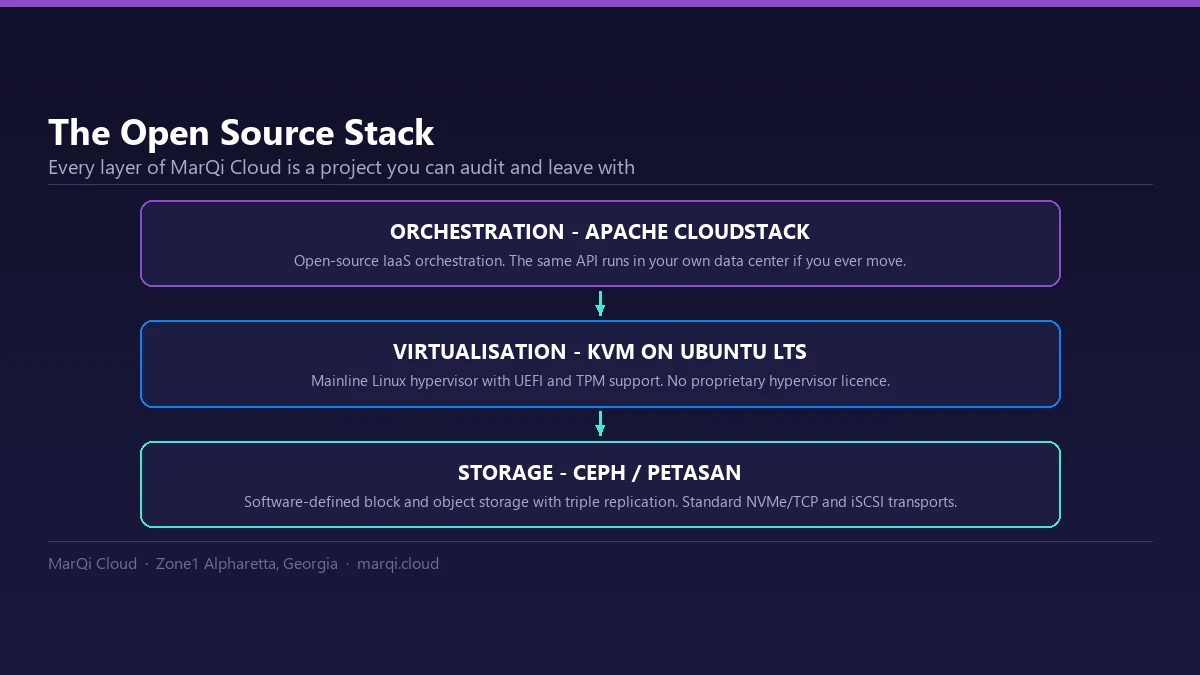
Why Open Source Cloud Provides Full Visibility into Your Infrastructure Stack
In an era where businesses are increasingly reliant on digital infrastructure, the ability to maintain transparency and control over your cloud environment has never been more critical. Open source cloud solutions offer a unique advantage: they provide full visibility into your infrastructure stack. This article delves into the myriad benefits of open source cloud technology, showcasing how it empowers organizations to optimize their operations, enhance security, and foster innovation. By the end of this comprehensive guide, you’ll understand why transitioning to an open source cloud infrastructure is not just a technical upgrade — it’s a strategic move that can elevate your business to new heights.
Understanding Open Source Cloud
Open source cloud refers to cloud computing solutions that leverage open source software, allowing users to access, modify, and share the underlying code. This approach contrasts with proprietary cloud solutions, which often restrict access and limit customization. According to OpenStack, an open source cloud platform, the flexibility and transparency of open source solutions foster a collaborative environment for developers and businesses alike.
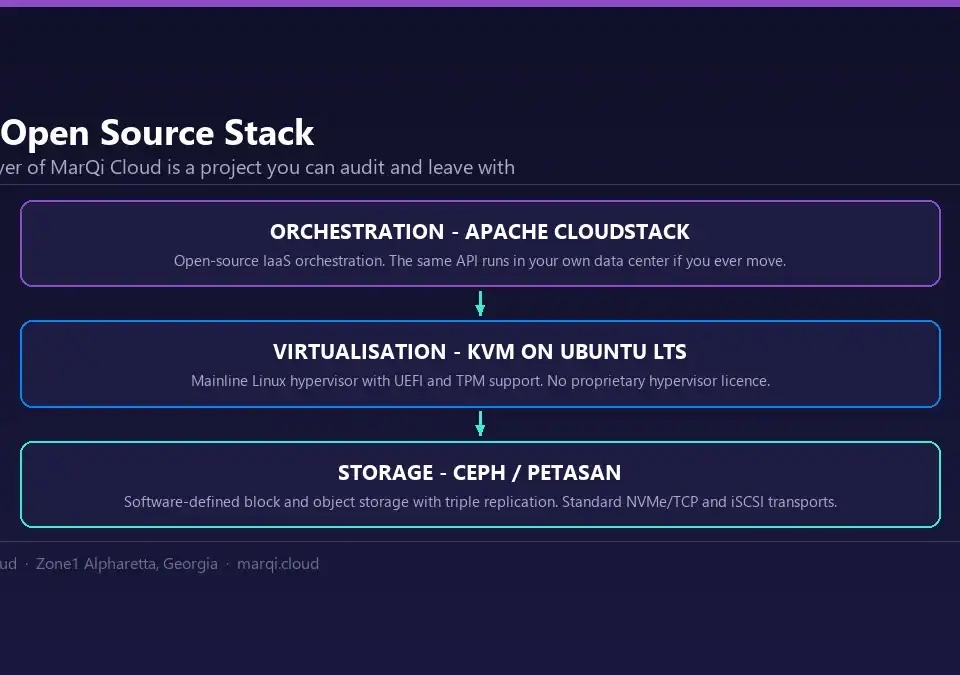
Adopting an open source cloud strategy enables organizations to build tailored cloud environments that meet their specific needs. This adaptability is especially crucial for mid-size to enterprise-level organizations that require secure hybrid cloud or dedicated infrastructure solutions. As an enterprise cloud provider, MarQi Cloud understands the importance of customization and transparency in modern cloud computing.
Key Benefits of Open Source Cloud
The benefits of open source cloud solutions extend beyond mere cost savings. Here are some of the most significant advantages:
- Cost Efficiency: Open source solutions typically have lower licensing fees, allowing organizations to allocate resources more efficiently.
- Customization: With access to the source code, organizations can tailor their cloud environments to meet unique requirements.
- Community Support: Open source projects often have vibrant communities that contribute to continuous improvement, troubleshooting, and documentation.
- Security: Open source software undergoes rigorous scrutiny by the community, enhancing security and reducing vulnerabilities.
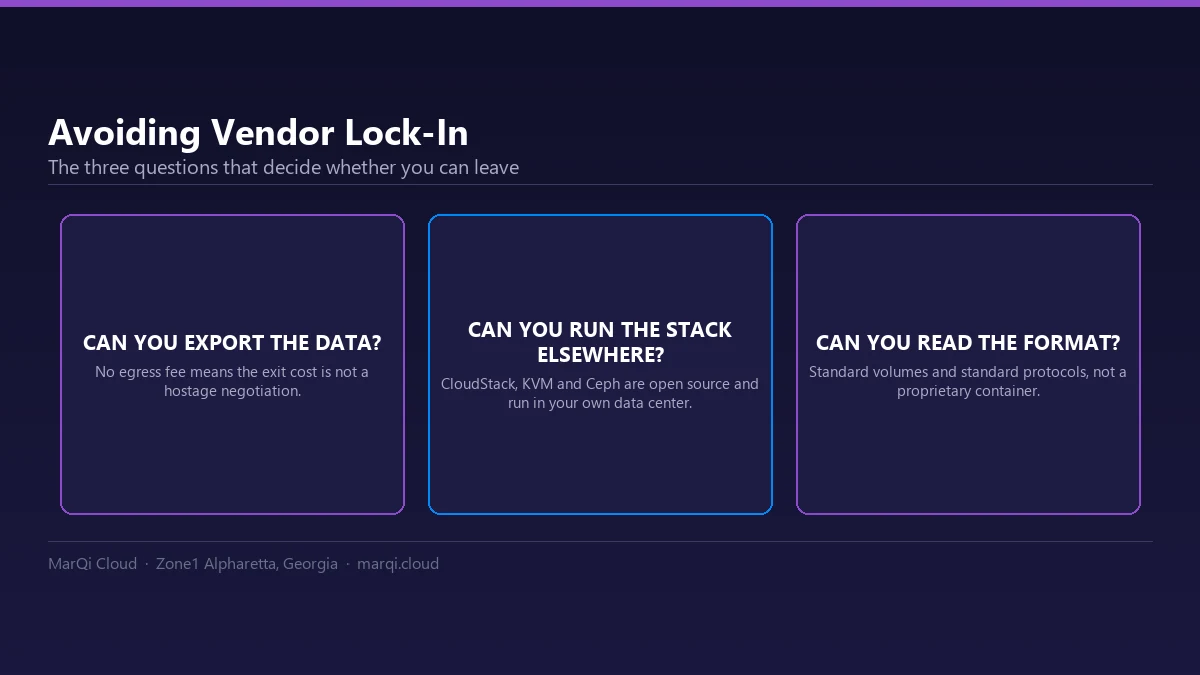
- Vendor Lock-in Avoidance: Organizations can avoid being tied to a single vendor, allowing for greater flexibility and negotiation power.
How Open Source Cloud Enhances Visibility
One of the standout features of open source cloud solutions is the unparalleled visibility they offer into your infrastructure stack. This visibility manifests in several ways:
1. Transparent Operations
Open source cloud platforms allow organizations to monitor and manage their resources in real-time. This transparency empowers IT teams to identify performance bottlenecks, security vulnerabilities, and resource misallocations. For instance, tools like Prometheus provide comprehensive monitoring capabilities for open source cloud environments.
2. Custom Dashboards
Organizations can create custom dashboards that provide insights tailored to their specific needs. By leveraging tools like Grafana, teams can visualize data related to application performance, resource utilization, and more, ensuring that critical metrics are always at their fingertips.
3. Audit Trails
Open source cloud solutions often include built-in logging features that maintain detailed audit trails. These logs enable organizations to track changes, monitor user activities, and ensure compliance with industry regulations. This level of detail is essential for businesses operating in regulated industries such as healthcare and finance.
Comparing Open Source Cloud Solutions
When considering an open source cloud solution, it’s essential to compare the leading platforms to determine which best suits your organization’s needs. Below is a comparison table highlighting some of the most popular open source cloud solutions:
| Platform | Key Features | Best For |
|---|---|---|
| OpenStack | Modular architecture, extensive community support, multi-cloud capabilities | Large enterprises seeking customizable private clouds |
| Kubernetes | Container orchestration, scalability, integration with CI/CD pipelines | Organizations adopting microservices architecture |
| Cloud Foundry | Platform-as-a-Service (PaaS), developer-friendly, multi-language support | Development teams focusing on rapid application deployment |
| Nextcloud | File sharing and collaboration, self-hosted, secure data management | Organizations needing secure file storage and collaboration |
| Apache CloudStack | Infrastructure as a Service (IaaS), easy deployment, user-friendly interface | Organizations looking for an easy-to-use cloud management platform |
Implementing Open Source Cloud in Your Organization
Transitioning to an open source cloud infrastructure requires careful planning and execution. Here are the steps to ensure a smooth implementation:
- Assess Your Current Infrastructure: Evaluate your existing IT infrastructure to determine what components can be migrated to the open source cloud.
- Define Your Objectives: Clearly outline your goals for the open source cloud initiative, such as cost savings, improved performance, or enhanced security.
- Choose the Right Platform: Based on your needs, select the open source cloud platform that best aligns with your objectives.
- Plan the Migration: Develop a detailed migration plan, including timelines, resources required, and potential risks.
- Train Your Team: Provide training for your IT staff on the new platform to ensure they can manage and maintain the open source cloud effectively.
- Monitor and Optimize: After implementation, continuously monitor the cloud environment and optimize it based on performance metrics and user feedback.
Expert Insights and Actionable Tips
To maximize the benefits of open source cloud solutions, consider these expert insights:
Common Challenges and Solutions
While open source cloud solutions offer significant advantages, they also come with challenges. Here are some common issues organizations face and how to address them:
1. Complexity of Management
Open source cloud environments can become complex, especially as they scale. To mitigate this, invest in management tools that simplify operations, such as Ansible for automation and configuration management.
2. Security Concerns
While open source software is often more secure due to community scrutiny, it can still be vulnerable if not properly managed. Implement robust security measures, including firewalls, intrusion detection systems, and regular security audits.
3. Lack of Vendor Support
Unlike proprietary solutions, open source platforms may lack dedicated vendor support. Consider partnering with a managed service provider like MarQi Cloud to access expert guidance and support for your open source infrastructure.
Conclusion
Open source cloud solutions provide unparalleled visibility and control over your infrastructure stack, empowering organizations to optimize performance, enhance security, and foster innovation. By embracing open source technology, you can avoid vendor lock-in, reduce costs, and leverage a vibrant community of developers and experts. As you consider your cloud strategy, remember that the transparency and flexibility offered by open source cloud are not just technical advantages — they are essential components for driving business success in today’s digital landscape.
FAQ
What is an open source cloud?
An open source cloud is a cloud computing solution built on open source software, allowing users to access, modify, and share the source code.
Why should I choose open source cloud over proprietary solutions?
Open source cloud offers greater flexibility, transparency, lower costs, and the ability to customize your infrastructure to meet specific needs.
How does open source cloud enhance security?
Open source software is continuously reviewed by the community, which helps identify and patch vulnerabilities more quickly than proprietary solutions.
Can I migrate to an open source cloud from a proprietary solution?
Yes, many organizations successfully migrate from proprietary solutions to open source clouds by carefully planning their migration strategy.
What are some popular open source cloud platforms?
Popular platforms include OpenStack, Kubernetes, Cloud Foundry, and Apache CloudStack, each offering unique features and benefits.
How can I ensure the success of my open source cloud implementation?
Assess your current infrastructure, define clear objectives, select the right platform, plan your migration, and train your team effectively.
Is vendor support available for open source cloud solutions?
While open source solutions may not have dedicated vendor support, partnering with a managed service provider can provide access to expert guidance.
What are the common challenges of using open source cloud?
Common challenges include management complexity, security concerns, and lack of vendor support. These can be mitigated through proper planning and tools.