How the Open Source Cloud Movement Disrupts Proprietary Cloud Platforms
August 1, 2026Why Open Source Cloud Provides Full Visibility into Your Infrastructure Stack
August 1, 2026
What is OpenStack used for?
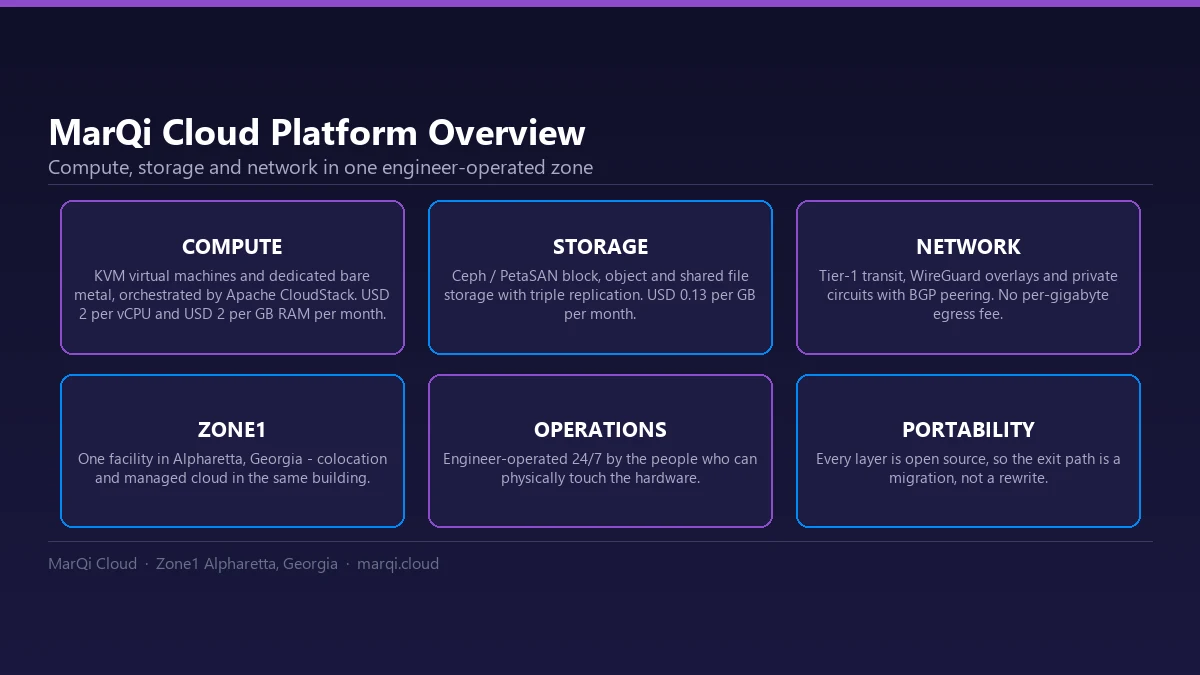
OpenStack is used to create and manage cloud infrastructure, providing services such as compute, storage, and networking for enterprises.
The Complete Guide to OpenStack-Based Cloud Infrastructure for Enterprise Use
As enterprises increasingly pivot towards cloud solutions, OpenStack has emerged as a powerful platform for building and managing cloud infrastructure. This comprehensive guide will delve into the intricacies of OpenStack, including its architecture, benefits, deployment strategies, and best practices. By the end of this article, you will understand how to leverage OpenStack for your enterprise needs, ensuring scalability, security, and cost efficiency.
What is OpenStack?
OpenStack is an open-source cloud computing platform that enables organizations to create and manage large groups of virtual private servers in a data center. It provides a flexible and scalable solution for infrastructure as a service (IaaS). With its modular architecture, OpenStack allows users to deploy cloud services ranging from compute, storage, and networking to orchestration and security.
According to the OpenStack Foundation, as of 2023, there are over 1,000 organizations using OpenStack globally, making it one of the most popular cloud infrastructure platforms. This widespread adoption underscores its reliability and versatility in handling various enterprise workloads.
Understanding OpenStack Architecture
The architecture of OpenStack is composed of several core components, each responsible for specific functionalities. Understanding these components is crucial for deploying and managing an OpenStack environment effectively.
Core Components of OpenStack
- Nova: The compute service that manages the lifecycle of instances.
- Neutron: The networking service that provides networking as a service.
- Cinder: The block storage service that manages volumes.
- Swift: The object storage service for storing and retrieving data.
- Keystone: The identity service for authentication and authorization.
- Glance: The image service that provides discovery, registration, and delivery services for disk and server images.
- Horizon: The dashboard that provides a web-based interface for managing OpenStack services.
OpenStack Architecture Diagram
This diagram illustrates the interactions between various OpenStack components, showcasing how they work together to provide a cohesive cloud infrastructure.
Benefits of OpenStack for Enterprises
Enterprises are increasingly adopting OpenStack due to its numerous benefits:
1. Cost Efficiency
OpenStack is an open-source platform, which means that enterprises can avoid licensing fees associated with proprietary cloud solutions. Additionally, its ability to run on commodity hardware allows organizations to reduce infrastructure costs.
2. Scalability
OpenStack can scale horizontally, allowing enterprises to add more nodes as their workloads grow. This scalability is vital for organizations with fluctuating demands, such as during seasonal peaks.
3. Flexibility
With OpenStack, enterprises can customize their cloud environments to meet specific needs. This flexibility extends to the choice of operating systems, hypervisors, and storage solutions.
4. Security
OpenStack offers robust security features, including multi-tenancy, role-based access control, and encryption capabilities. These features are essential for enterprises handling sensitive data.
5. Community Support
The vibrant OpenStack community provides extensive resources for troubleshooting, development, and innovation. This community-driven approach ensures continuous improvement and support for enterprise users.
Deployment Strategies for OpenStack
Deploying OpenStack requires careful planning and execution. Here are some effective strategies for deploying OpenStack in an enterprise environment:
1. Choose the Right Distribution
There are several OpenStack distributions available, such as Red Hat OpenStack, Canonical’s Charmed OpenStack, and Mirantis OpenStack. Each distribution has its unique features, so selecting the right one based on your organization’s requirements is crucial.
2. Define Your Architecture
Before deployment, outline your architecture, including the number of nodes, network configuration, and storage solutions. A well-defined architecture will streamline the deployment process and ensure optimal performance.
3. Implement Infrastructure as Code
Utilizing Infrastructure as Code (IaC) tools like Terraform or Ansible can automate the deployment process, reducing the chances of human error and ensuring consistency across environments.
4. Plan for High Availability
To ensure business continuity, design your OpenStack environment for high availability. This includes deploying redundant components and implementing load balancing.
5. Monitor and Optimize Performance
Regular monitoring of your OpenStack environment is essential for identifying bottlenecks and optimizing performance. Tools like Prometheus and Grafana can provide valuable insights into resource utilization.
Best Practices for OpenStack Implementation
Implementing OpenStack successfully requires adherence to best practices:
1. Start Small and Scale
Begin with a small deployment and gradually scale as your organization becomes more familiar with OpenStack. This approach minimizes risks and allows for easier troubleshooting.
2. Regularly Update and Upgrade
Keep your OpenStack deployment up to date with the latest releases and patches. Regular updates enhance security and introduce new features that can benefit your organization.
3. Engage with the Community
Participate in OpenStack community forums and events. Engaging with other users can provide valuable insights and best practices that can enhance your deployment.
4. Document Everything
Thorough documentation of your deployment process, configurations, and troubleshooting steps can save time and resources in the future.
OpenStack Success Stories
Many enterprises have successfully implemented OpenStack to improve their cloud infrastructure. Here are a few notable examples:
1. CERN
CERN, the European Organization for Nuclear Research, uses OpenStack to manage its vast data resources. By leveraging OpenStack, CERN has been able to scale its infrastructure to handle data from the Large Hadron Collider efficiently.
2. Walmart
Walmart has adopted OpenStack to enhance its e-commerce platform’s agility and scalability. The company’s ability to quickly deploy new services has improved customer experiences and operational efficiency.
3. AT&T
AT&T has transitioned to an OpenStack-based cloud to support its 5G network infrastructure. This shift has enabled AT&T to enhance service delivery while reducing operational costs.
Frequently Asked Questions
What is OpenStack used for?
OpenStack is used to create and manage cloud infrastructure, providing services such as compute, storage, and networking for enterprises.
Is OpenStack free?
OpenStack is open-source software, which means it is free to use. However, enterprises may incur costs for support, training, and hardware.
How does OpenStack ensure security?
OpenStack provides security features such as identity management, encryption, and role-based access control to safeguard resources.
Can OpenStack be used for private and public clouds?
Yes, OpenStack can be deployed in both private and public cloud environments, providing flexibility for organizations.
What are the main components of OpenStack?
The main components include Nova (compute), Neutron (networking), Cinder (block storage), Swift (object storage), Keystone (identity), Glance (image service), and Horizon (dashboard).
How do I get started with OpenStack?
To get started, you can choose an OpenStack distribution, define your architecture, and follow deployment guides available in the OpenStack documentation.
What industries benefit from OpenStack?
Industries such as telecommunications, finance, healthcare, and research benefit from OpenStack due to its scalability, flexibility, and cost-effectiveness.
Is OpenStack suitable for small businesses?
While OpenStack is often used by large enterprises, small businesses can also benefit from its features, especially if they require scalable cloud solutions.
What are some common challenges with OpenStack?
Common challenges include complexity in deployment, the need for skilled personnel, and potential integration issues with existing systems.
How does OpenStack compare to other cloud platforms?
OpenStack differs from proprietary platforms like AWS and Azure in that it offers more flexibility and control over the cloud infrastructure but may require more technical expertise to manage.
Where can I find more resources about OpenStack?
Resources can be found on the official OpenStack website, as well as community forums and documentation available through various distributions.
What is the future of OpenStack?
The future of OpenStack looks promising, with continuous improvements and a growing community dedicated to enhancing its capabilities for enterprise use.
Conclusion
OpenStack presents a powerful solution for enterprises seeking to build and manage their cloud infrastructure. With its robust architecture, flexibility, and cost-effectiveness, it is well-suited for a variety of applications. By following deployment strategies and best practices, organizations can successfully harness the power of OpenStack to meet their cloud computing needs. For those looking to migrate to an OpenStack environment or enhance their existing infrastructure, MarQi Cloud offers expert cloud migration services and infrastructure consulting tailored to your enterprise requirements. Contact us today to learn how we can support your journey to a scalable, secure cloud infrastructure.