
Understanding Tier-1 Network Providers: What It Means and What It Doesn’t
February 27, 2026
Alpharetta/Atlanta Cloud Hosting: Local SEO Guide for IT Buyers
February 27, 2026
Building a Cost-Optimized Hybrid Lab for Dev/Test Teams
In today’s fast-paced software development landscape, organizations are continually seeking ways to streamline their processes while managing costs effectively. One effective approach to achieving this is through the implementation of a cost-optimized hybrid lab for development and testing (Dev/Test) teams. This article will explore the essential components, benefits, and best practices for building a hybrid lab that not only enhances productivity but also keeps expenses in check.
Understanding Hybrid Cloud Infrastructure
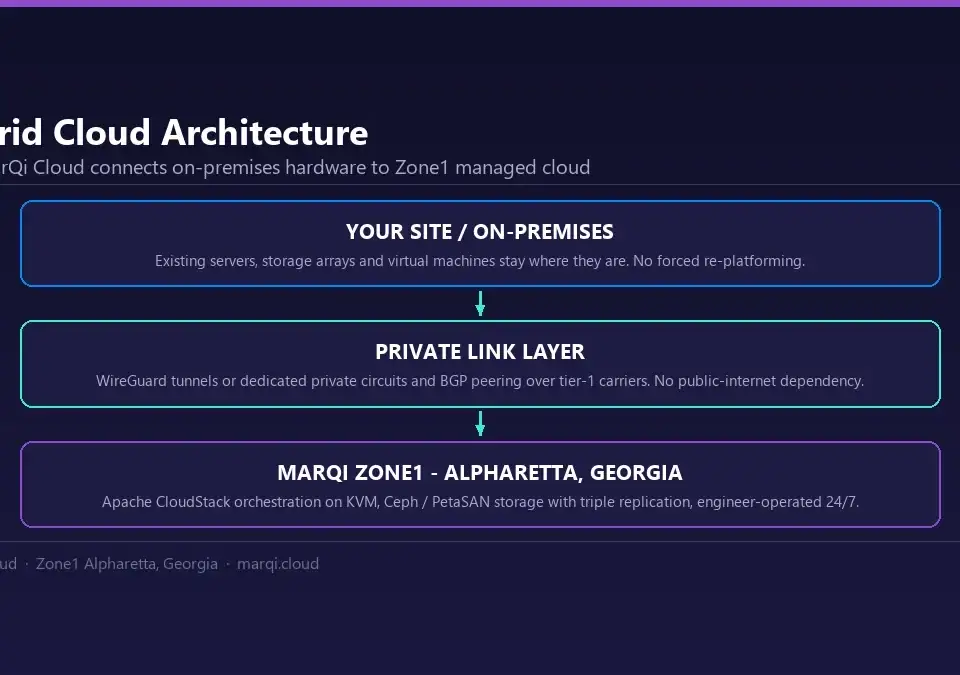
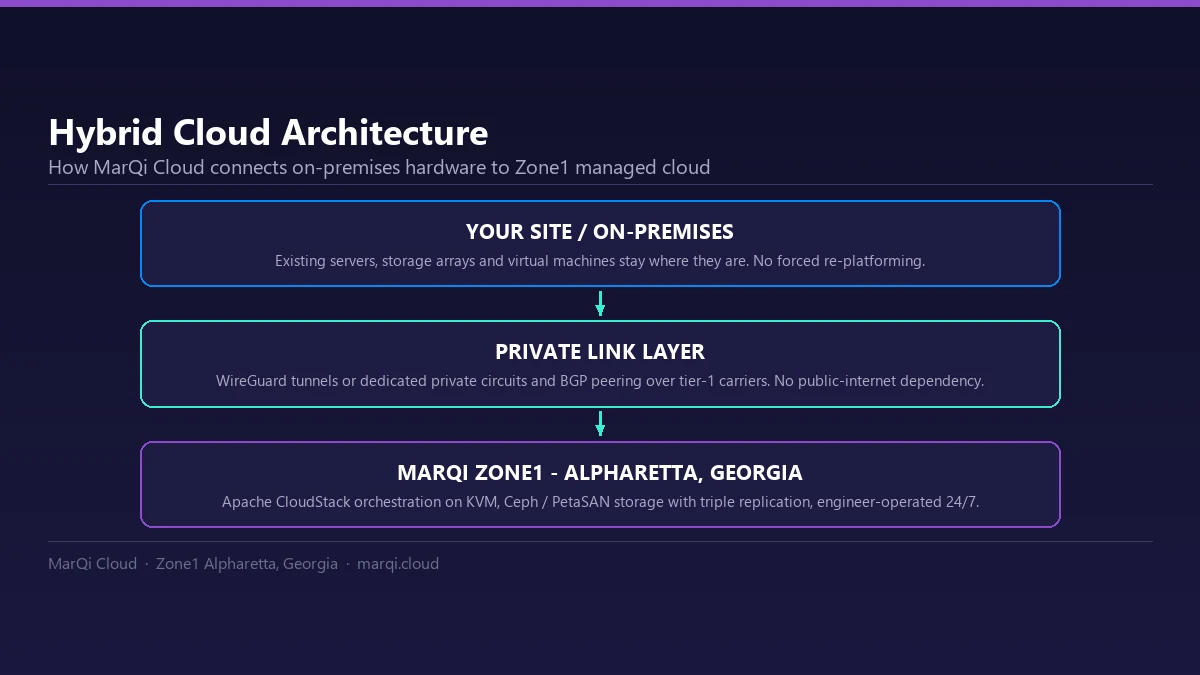
A hybrid cloud infrastructure combines both on-premises resources and cloud services, allowing organizations to leverage the strengths of both environments. For Dev/Test teams, this means the ability to utilize scalable resources on demand while maintaining control over sensitive data and applications.
Key Components of a Hybrid Cloud
- On-Premises Infrastructure: This includes physical servers, storage, and networking equipment that organizations maintain within their facilities.
- Public Cloud Services: These are scalable resources offered by cloud providers like Amazon Web Services (AWS), Microsoft Azure, and Google Cloud Platform.
- Private Cloud: A private cloud provides a dedicated environment, often hosted within the organization’s data center, ensuring enhanced security and compliance.
Benefits of a Hybrid Lab for Dev/Test Teams
Implementing a hybrid lab offers numerous advantages that can lead to significant cost savings and improved efficiency.
1. Cost Efficiency
A hybrid lab allows organizations to optimize their spending by utilizing public cloud resources for non-sensitive workloads while keeping critical data in a private cloud or on-premises infrastructure. This model enables teams to pay only for the resources they use, reducing the need for large capital expenditures.
2. Scalability
Development and testing processes often require varying levels of resources. A hybrid lab provides the flexibility to scale resources up or down based on current needs, ensuring that Dev/Test teams can respond quickly to changing project requirements without incurring unnecessary costs.
3. Improved Collaboration
By leveraging cloud resources, teams can easily share environments and tools, enhancing collaboration among developers and testers. This leads to faster development cycles and the ability to identify and resolve issues more efficiently.
4. Enhanced Security
With sensitive data often involved in development and testing, security is paramount. A hybrid lab allows organizations to maintain control over their most critical assets while still taking advantage of the public cloud’s capabilities for less sensitive workloads.
Steps to Build a Cost-Optimized Hybrid Lab
To build a cost-optimized hybrid lab, organizations should follow these key steps:
1. Assess Current Needs
Before building a hybrid lab, it’s crucial to assess the current needs of the Dev/Test teams. This includes evaluating existing infrastructure, identifying bottlenecks, and understanding the types of applications being developed. Gathering input from stakeholders will help to ensure that the hybrid lab meets the specific requirements of the team.
2. Design the Hybrid Architecture
Once the needs have been assessed, organizations can begin designing the hybrid architecture. This includes determining how on-premises resources will integrate with cloud services, as well as establishing connectivity between the two environments. Consideration should be given to factors such as latency, security, and compliance.
3. Select the Right Cloud Provider
Choosing the right cloud provider is crucial for the success of a hybrid lab. Organizations should evaluate different providers based on factors such as pricing, available services, and support options. It’s important to select a provider that offers a flexible pricing model, allowing for cost optimization as usage fluctuates.
4. Implement Automation Tools
Automation is key to maximizing the efficiency of a hybrid lab. By implementing tools for continuous integration and continuous deployment (CI/CD), organizations can streamline their development and testing processes. Automation tools can help reduce manual tasks, leading to faster turnaround times and lower operational costs.
5. Monitor and Optimize Usage
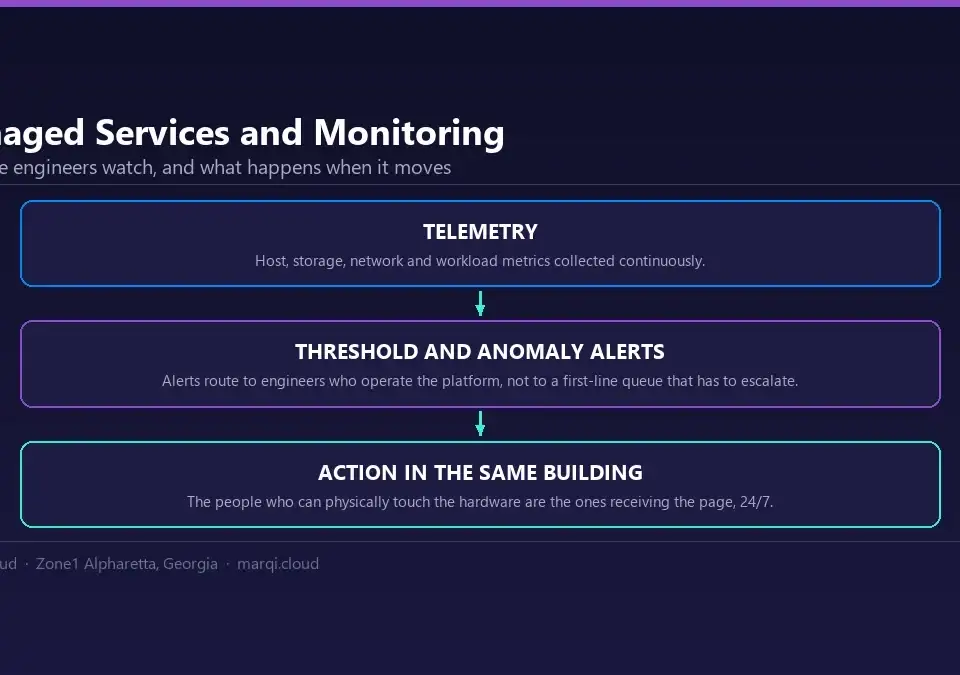
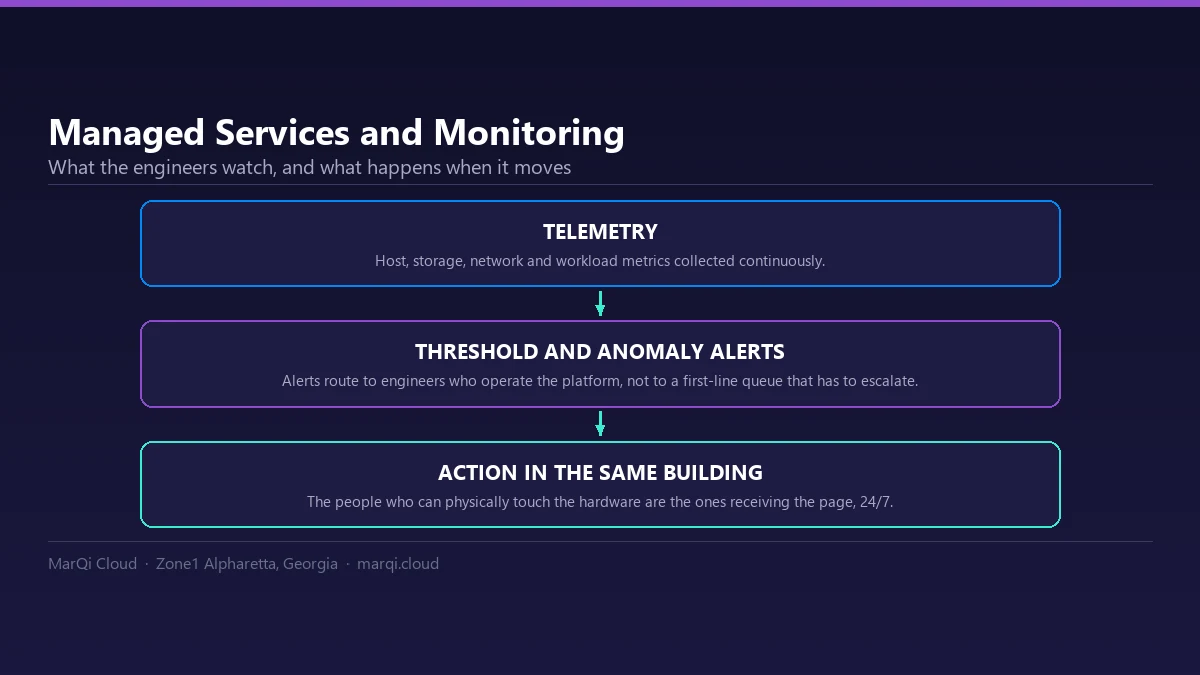
After the hybrid lab is established, ongoing monitoring and optimization are essential. Organizations should regularly assess resource usage, identify areas for cost savings, and make adjustments as needed. Utilizing monitoring tools can provide insights into performance metrics and help teams make informed decisions about resource allocation.
Considerations for Cost Optimization
Cost optimization in a hybrid lab requires careful planning and execution. Here are some key considerations:
1. Choose the Right Pricing Model
Many cloud providers offer various pricing models, including pay-as-you-go, reserved instances, and spot instances. Organizations should evaluate which model aligns best with their usage patterns to ensure they are not overspending on resources.
2. Utilize Cloud Cost Management Tools
Cloud cost management tools can help organizations track spending across different environments. By gaining visibility into costs, teams can identify trends, set budgets, and implement strategies to control expenses.
3. Implement Resource Tagging
Resource tagging allows organizations to categorize and track their cloud resources effectively. By tagging resources based on projects, teams, or environments, organizations can gain insights into where they are spending and identify opportunities for cost savings.
4. Optimize Resource Allocation
Regularly reviewing resource allocation is essential for cost optimization. Organizations should identify underutilized resources and consider rightsizing or decommissioning them to reduce costs.
FAQs about Building a Cost-Optimized Hybrid Lab
1. What is a hybrid lab?
A hybrid lab combines on-premises infrastructure with cloud resources to create a flexible environment for development and testing teams.
2. How can a hybrid lab save costs?
By leveraging cloud resources for non-sensitive workloads and maintaining critical data on-premises, organizations can optimize their spending and pay only for what they use.
3. What are the key benefits of a hybrid lab?
Benefits include cost efficiency, scalability, improved collaboration, and enhanced security for sensitive data.
4. What should organizations consider when selecting a cloud provider?
Organizations should consider factors such as pricing, available services, support options, and the provider’s ability to integrate with existing infrastructure.
5. How can automation improve a hybrid lab?
Automation tools can streamline development and testing processes, reduce manual tasks, and enable faster turnaround times.
6. What are some common cloud cost management tools?
Common tools include CloudHealth, CloudCheckr, and AWS Cost Explorer, which help organizations track and manage their cloud spending.
7. How often should organizations review their hybrid lab usage?
Organizations should regularly review their usage, ideally on a monthly basis, to identify areas for optimization and cost savings.
8. Can a hybrid lab support multiple projects simultaneously?
Yes, a hybrid lab can support multiple projects by allocating resources dynamically based on current needs and priorities.
Conclusion
Building a cost-optimized hybrid lab for Dev/Test teams is a strategic approach that can lead to enhanced efficiency and significant cost savings. By leveraging the strengths of both on-premises and cloud resources, organizations can create a flexible and scalable environment that meets the demands of modern software development. By following best practices and continuously monitoring usage, teams can ensure that their hybrid lab remains cost-effective and performance-driven.