Cost Savings with Dedicated GPU Clusters: Unlocking Efficiency and Performance
March 28, 2026
Effective Strategies to Reduce GPU Downtime for Optimal Performance
March 29, 2026

Building Robust AI Infrastructure for SaaS Founders: A Comprehensive Guide
Introduction
As the Software as a Service (SaaS) landscape continues to evolve, the integration of Artificial Intelligence (AI) has become a game-changer for many founders. The ability to leverage AI capabilities can enhance customer experiences, optimize operations, and drive innovation. However, building a robust AI infrastructure requires careful planning and execution. This article will explore the essential components of AI infrastructure, the benefits it offers, and best practices for SaaS founders looking to implement AI solutions in their businesses.
Understanding AI Infrastructure
AI infrastructure refers to the combination of hardware and software resources required to develop, train, and deploy AI models effectively. For SaaS founders, this involves creating a scalable and efficient environment that can handle the demands of AI workloads. Key components of AI infrastructure include:
1. Compute Resources
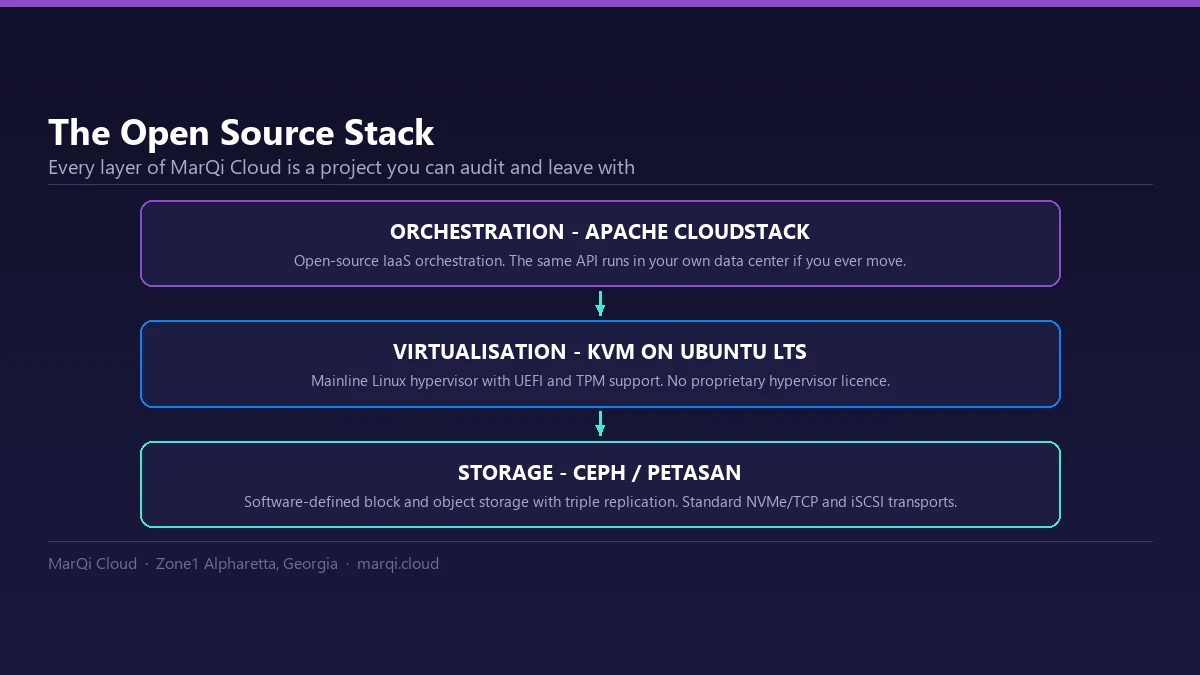
AI workloads can be resource-intensive, requiring significant computational power. SaaS founders must choose between on-premises servers and cloud-based solutions. Cloud platforms offer flexibility, scalability, and reduced upfront costs. Providers like MarQi Cloud offer enterprise-grade cloud infrastructure designed for high-performance AI applications.
2. Data Storage Solutions
Data is the fuel for AI. SaaS companies must invest in secure and scalable storage solutions to manage large datasets. Options include traditional databases, object storage, and data lakes. Implementing a hybrid cloud deployment model can provide the best of both worlds, allowing for efficient data management while maintaining the security of sensitive information.
3. Networking
Fast and reliable networking is crucial for AI applications, especially when dealing with large datasets and real-time processing. High-speed internet connections and optimized networking protocols ensure that data can be transferred quickly between servers and clients.
4. AI Frameworks and Tools
Choosing the right AI frameworks and tools is essential for building effective AI models. Popular frameworks include TensorFlow, PyTorch, and Keras. SaaS founders should consider the specific needs of their applications when selecting these tools, as well as the skill sets of their development teams.
Benefits of AI Infrastructure for SaaS Founders
Implementing a robust AI infrastructure offers numerous benefits for SaaS founders:
1. Improved Customer Experiences
AI can help SaaS companies deliver personalized experiences to their users. By analyzing user behavior and preferences, AI can tailor recommendations and enhance engagement.
2. Operational Efficiency
AI can automate repetitive tasks, freeing up valuable resources and allowing teams to focus on strategic initiatives. This can lead to significant cost savings and improved productivity.
3. Data-Driven Decision Making
AI enables SaaS founders to leverage data analytics for informed decision-making. By extracting insights from large datasets, founders can identify trends and make proactive adjustments to their strategies.
4. Scalability
A well-designed AI infrastructure allows SaaS businesses to scale their operations seamlessly. As user demand grows, cloud-based solutions can easily accommodate increased workloads without significant investments in hardware.
Best Practices for Building AI Infrastructure
To ensure success, SaaS founders should follow these best practices when building their AI infrastructure:
1. Define Clear Objectives
Before investing in AI infrastructure, it is crucial to define clear objectives. Understand the specific problems you aim to solve with AI and how it aligns with your overall business strategy.
2. Invest in Security
Security should be a top priority, especially when handling sensitive customer data. Implement robust security measures, including encryption, access controls, and regular audits, to protect your AI infrastructure.
3. Choose the Right Partners
Collaborate with reliable technology partners, such as MarQi Cloud, to ensure you have access to the best infrastructure and support for your AI initiatives. Look for providers with expertise in AI and a proven track record of success.
4. Stay Updated with Trends
The AI landscape is continuously evolving. SaaS founders must stay informed about the latest trends and advancements in AI technology. This knowledge will help them adapt their strategies and leverage new opportunities.
5. Focus on Talent Development
Invest in building a skilled team that understands AI technologies and can effectively implement them within your SaaS offering. Continuous training and development opportunities will help maintain a competitive edge.
Conclusion
Building a robust AI infrastructure is essential for SaaS founders looking to harness the power of artificial intelligence. By investing in the right resources, tools, and strategies, founders can create innovative solutions that enhance customer experiences and drive business growth. As AI continues to shape the future of SaaS, having a strong infrastructure in place will be a significant differentiator in a competitive market.
FAQ
1. What is AI infrastructure?
AI infrastructure refers to the hardware and software resources required to develop, train, and deploy AI models effectively.
2. Why is cloud infrastructure important for AI?
Cloud infrastructure offers scalability, flexibility, and reduced upfront costs, making it ideal for handling AI workloads.
3. What are some popular AI frameworks?
Popular AI frameworks include TensorFlow, PyTorch, and Keras, each serving different needs and applications.
4. How can AI improve customer experiences in SaaS?
AI can tailor recommendations and personalize interactions based on user behavior and preferences, enhancing engagement.
5. What security measures should be implemented for AI infrastructure?
Security measures include encryption, access controls, and regular audits to protect sensitive data.
6. How can SaaS founders ensure success in AI implementation?
Success can be achieved by defining clear objectives, investing in security, and choosing the right technology partners.
7. What are the benefits of AI for operational efficiency?
AI can automate repetitive tasks, leading to cost savings and improved productivity.
8. How important is talent development for AI initiatives?
Building a skilled team that understands AI technologies is crucial for effectively implementing AI within your SaaS offering.