Why the MarQi Cloud Platform Excels for Enterprises Demanding Performance and Freedom
October 16, 2026
The Complete Guide to Building a Multi-Year Cloud Infrastructure Roadmap for Enterprise Growth
October 17, 2026
How Cloud Infrastructure Drives Digital Transformation in Traditional Industries
In an era where technological advancements dictate the pace of business evolution, traditional industries are increasingly looking to cloud infrastructure as a catalyst for digital transformation. This shift is not merely a trend; it represents a fundamental change in how organizations operate, engage with customers, and leverage data. In this comprehensive guide, we will explore how cloud infrastructure enables digital transformation for traditional industries, providing insights into the benefits, strategies, and best practices for successful implementation. By the end of this article, you will understand how to harness the power of cloud technology to elevate your business operations.
Understanding Digital Transformation
Digital transformation refers to the integration of digital technology into all areas of a business, fundamentally changing how it operates and delivers value to customers. According to a report by McKinsey, organizations that prioritize digital transformation are 26% more profitable than their peers. This transformation is not confined to technology alone; it encompasses changes in culture, processes, and customer engagement strategies.
For traditional industries such as manufacturing, healthcare, and retail, embracing digital transformation is crucial for remaining competitive in a rapidly evolving marketplace. The adoption of cloud infrastructure is a pivotal element of this transformation, enabling organizations to innovate, streamline operations, and enhance customer experiences.
The Role of Cloud Infrastructure
Cloud infrastructure provides the foundational technology that supports digital transformation initiatives. By leveraging cloud solutions, traditional industries can access scalable computing resources, advanced analytics capabilities, and secure data storage without the constraints of on-premises infrastructure. Here’s how cloud infrastructure plays a critical role:
- Scalability: Cloud solutions allow businesses to scale their IT resources up or down based on demand, ensuring they can respond quickly to market changes.
- Cost Efficiency: With pay-as-you-go pricing models, organizations can reduce capital expenditures and only pay for the resources they use.
- Enhanced Collaboration: Cloud platforms facilitate collaboration among teams, regardless of location, by providing access to shared applications and data.
- Data-Driven Insights: Advanced analytics and machine learning capabilities in the cloud enable organizations to derive actionable insights from their data, driving informed decision-making.
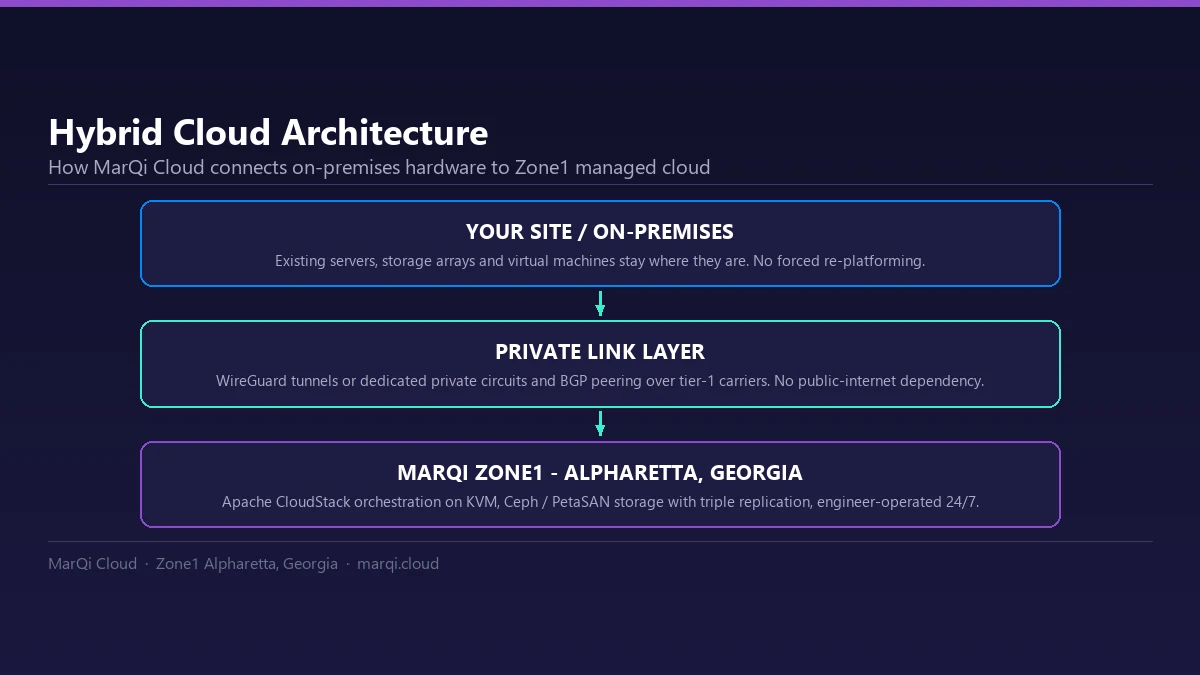
For example, MarQi Cloud offers enterprise-grade cloud infrastructure that supports hybrid deployments, allowing organizations to leverage both public and private cloud resources. This flexibility is essential for businesses looking to modernize their IT environments while maintaining control over sensitive data.
Key Benefits of Cloud Infrastructure for Traditional Industries
Embracing cloud infrastructure brings numerous benefits to traditional industries, including:
1. Improved Agility and Speed
Cloud infrastructure accelerates the deployment of applications and services, allowing businesses to respond swiftly to market demands. For instance, organizations can quickly launch new products and services without lengthy procurement processes for hardware.
2. Enhanced Security
Security is a top concern for businesses, especially those in regulated industries like healthcare and finance. Cloud providers invest heavily in security measures, offering features such as encryption, access controls, and compliance certifications. MarQi Cloud, for example, provides private and secure hosting environments tailored for enterprise compliance.
3. Business Continuity and Disaster Recovery
Cloud infrastructure supports robust disaster recovery solutions, ensuring that businesses can recover quickly from disruptions. With MarQi Cloud’s disaster recovery services, organizations can maintain uptime and protect critical data.
4. Cost Savings
By leveraging cloud solutions, traditional industries can significantly reduce their IT costs. The shift from capital expenditures to operational expenditures allows for better budget management and resource allocation.
5. Innovation Enablement
Cloud infrastructure fosters innovation by providing access to the latest technologies, such as artificial intelligence and the Internet of Things (IoT). This enables organizations to experiment with new business models and enhance their service offerings.
6. Improved Customer Experience
Digital transformation through cloud solutions enhances customer engagement by enabling organizations to deliver personalized experiences and respond to customer needs in real-time.
| Benefit | Description | Impact |
|---|---|---|
| Agility | Faster deployment of applications and services | Improved time-to-market |
| Security | Advanced security measures by cloud providers | Reduced risk of data breaches |
| Cost Savings | Shift from capital to operational expenditures | Better budget management |
| Innovation | Access to the latest technologies | Enhanced service offerings |
| Customer Experience | Personalized engagement through data insights | Increased customer satisfaction |
Implementing Cloud Solutions: A Step-by-Step Guide
Implementing cloud infrastructure in traditional industries requires careful planning and execution. Here’s a step-by-step guide to ensure a successful transition:
Step 1: Assess Your Current Infrastructure
Conduct a thorough assessment of your existing IT infrastructure to identify gaps and opportunities for improvement. Understand what applications and services can be migrated to the cloud.
Step 2: Define Your Cloud Strategy
Establish a clear cloud strategy that aligns with your business objectives. Determine whether a public, private, or hybrid cloud model is most suitable for your organization.
Step 3: Choose the Right Cloud Provider
Select a cloud provider that meets your security, compliance, and performance requirements. MarQi Cloud, for instance, offers a range of services tailored for enterprise clients.
Step 4: Plan the Migration Process
Create a detailed migration plan that outlines timelines, resource allocation, and potential risks. Consider using phased migration strategies to minimize disruptions.
Step 5: Execute the Migration
Begin the migration process, ensuring that all stakeholders are informed and engaged. Monitor the migration closely to address any issues that arise.
Step 6: Optimize and Monitor
After migration, continuously monitor your cloud environment to optimize performance and costs. Utilize tools that provide insights into resource usage and application performance.
Case Studies: Success Stories of Digital Transformation
Examining real-world examples can provide valuable insights into how cloud infrastructure drives digital transformation. Below are case studies from traditional industries that successfully embraced cloud technologies:
Case Study 1: Manufacturing
A leading manufacturing company implemented a cloud-based solution to streamline its supply chain operations. By leveraging real-time data analytics, the company improved inventory management, reduced production costs, and enhanced operational efficiency.
Case Study 2: Healthcare
A healthcare provider transitioned to a cloud infrastructure for patient data management. This move not only improved data accessibility but also ensured compliance with HIPAA regulations. The result was a significant enhancement in patient care and operational workflows.
Case Study 3: Retail
A major retail chain adopted cloud solutions to enhance its e-commerce platform. The new infrastructure enabled personalized shopping experiences through data analytics, resulting in a 30% increase in online sales.
Challenges and Considerations
While the benefits of cloud infrastructure are significant, traditional industries may face challenges during the transition:
1. Resistance to Change
Employees may be resistant to adopting new technologies. Providing training and support is essential to facilitate the transition.
2. Security Concerns
Data security in the cloud is a common concern. Organizations must choose reputable cloud providers that prioritize security and compliance.
3. Integration Issues
Integrating cloud solutions with existing systems can pose challenges. Careful planning and expert guidance can mitigate these issues.
4. Cost Management
While cloud solutions can reduce costs, organizations must monitor usage to avoid unexpected expenses.
Future Trends in Cloud Infrastructure
The landscape of cloud infrastructure is continually evolving. Here are some trends to watch:
1. Increased Adoption of Hybrid Cloud Models
Many organizations will continue to adopt hybrid cloud models that combine public and private cloud resources for flexibility and cost-effectiveness.
2. Enhanced Security Measures
Cloud providers will invest in advanced security technologies, including AI-driven threat detection and automated compliance tools.
3. Growth of Edge Computing
As IoT devices proliferate, edge computing will become more prevalent, allowing data processing closer to the source to improve response times.
Conclusion
Cloud infrastructure is a powerful enabler of digital transformation for traditional industries. By leveraging scalable, secure, and cost-effective cloud solutions, organizations can enhance operational efficiency, drive innovation, and improve customer experiences. As the business landscape continues to evolve, embracing cloud technology will be essential for maintaining a competitive edge. To learn how MarQi Cloud can assist your organization in its digital transformation journey, contact us today.
FAQs
What is digital transformation in traditional industries?
Digital transformation in traditional industries involves integrating digital technologies into all aspects of a business to improve operations, customer engagement, and overall value delivery.
How does cloud infrastructure support digital transformation?
Cloud infrastructure provides scalable resources, cost efficiency, enhanced security, and advanced analytics capabilities, enabling organizations to innovate and improve processes.
What are the benefits of using cloud solutions in manufacturing?
Cloud solutions in manufacturing can lead to improved supply chain efficiency, reduced costs, enhanced data accessibility, and better compliance with regulations.
What challenges do organizations face when migrating to the cloud?
Challenges include resistance to change, security concerns, integration issues, and cost management challenges.
How can organizations ensure a successful cloud migration?
Organizations can ensure a successful migration by assessing their current infrastructure, defining a clear strategy, choosing the right provider, and executing a well-planned migration process.
What future trends should organizations anticipate in cloud infrastructure?
Organizations should anticipate increased adoption of hybrid cloud models, enhanced security measures, and the growth of edge computing as key trends in cloud infrastructure.
How can cloud infrastructure improve customer experience?
Cloud infrastructure allows for personalized customer engagement through data insights, enabling organizations to respond quickly to customer needs and preferences.
Why is security important in cloud infrastructure?
Security is crucial in cloud infrastructure to protect sensitive data, ensure compliance with regulations, and maintain customer trust.