How Cloud Infrastructure Drives Digital Transformation in Traditional Industries
October 16, 2026
Why Workload-Specific Cloud Instance Selection Outperforms General-Purpose Options
October 17, 2026
The Complete Guide to Building a Multi-Year Cloud Infrastructure Roadmap for Enterprise Growth
In today’s fast-paced digital landscape, enterprises are increasingly reliant on cloud infrastructure to drive growth, enhance agility, and improve operational efficiency. A well-structured multi-year cloud infrastructure roadmap is essential for organizations looking to leverage cloud technologies effectively and ensure sustainable growth. This guide will provide you with a comprehensive framework for developing a robust cloud infrastructure roadmap that aligns with your enterprise’s strategic objectives.
Understanding Cloud Infrastructure
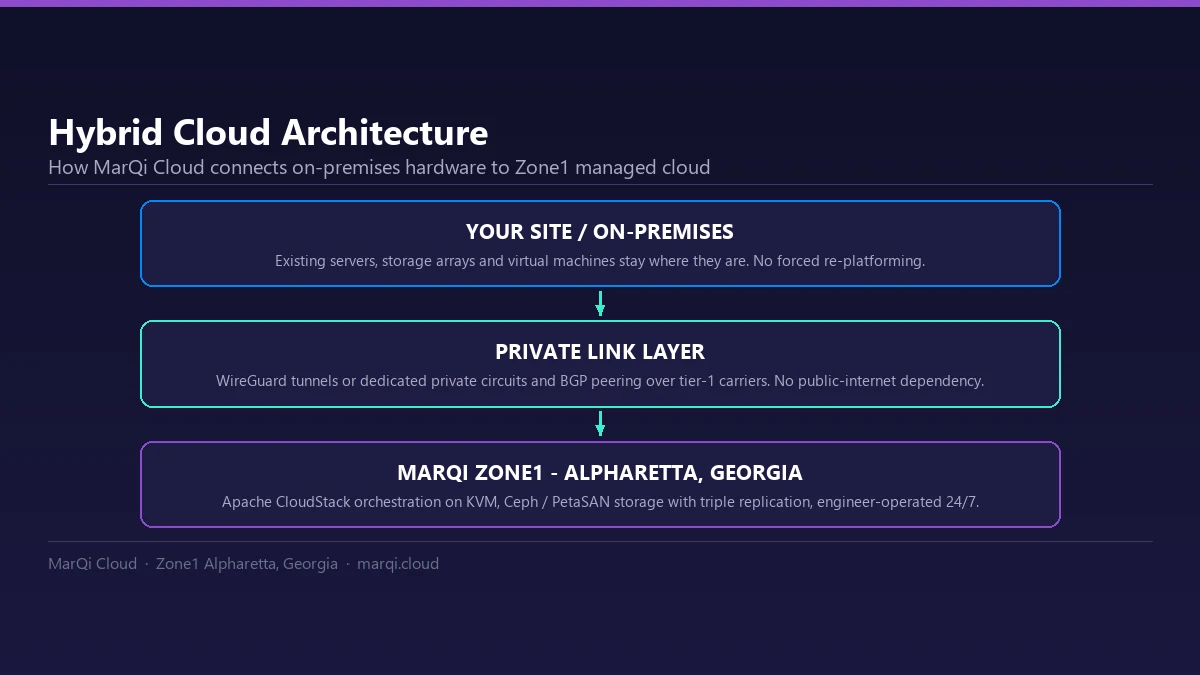
Cloud infrastructure refers to the collection of hardware and software components that enable cloud computing services. This includes servers, storage, networking, and virtualization technologies that work together to host applications, manage data, and deliver services over the internet. As an enterprise cloud provider, MarQi Cloud offers a range of solutions designed to meet the needs of growing businesses, including hybrid cloud infrastructure, private cloud hosting, and secure enterprise hosting.
Types of Cloud Infrastructure
There are three primary types of cloud infrastructure:
- Public Cloud: Services offered over the public internet and shared across multiple organizations.
- Private Cloud: Infrastructure dedicated to a single organization, providing enhanced security and control.
- Hybrid Cloud: A combination of public and private clouds, allowing for greater flexibility and scalability.
Understanding these types is crucial for building a roadmap that aligns with your enterprise’s specific needs and growth objectives.
Why a Cloud Infrastructure Roadmap Is Essential
A cloud infrastructure roadmap serves as a strategic blueprint for implementing cloud technologies within an organization. Here are several reasons why having a roadmap is essential for enterprise growth:
- Alignment with Business Goals: A roadmap ensures that cloud initiatives are aligned with the broader strategic objectives of the organization.
- Resource Planning: It helps in identifying necessary resources, including budget, personnel, and technology, to achieve cloud goals.
- Risk Management: A well-defined roadmap allows organizations to anticipate potential risks and develop mitigation strategies.
- Performance Tracking: Establishing clear milestones and KPIs enables organizations to measure progress and adjust their strategies as needed.
Key Elements of a Cloud Infrastructure Roadmap
When developing a multi-year cloud infrastructure roadmap, consider incorporating the following key elements:
1. Vision and Objectives
Define a clear vision for your cloud initiatives and outline specific objectives that support your enterprise’s growth strategy. This could include improving operational efficiency, enhancing customer experiences, or enabling innovation.
2. Current State Assessment
Conduct a thorough assessment of your existing IT infrastructure to identify strengths, weaknesses, and opportunities. This should include evaluating current workloads, applications, and data management practices.
3. Future State Design
Design a future state that aligns with your vision and objectives. This may involve adopting new technologies, optimizing existing resources, or transitioning to a hybrid or multi-cloud model.
4. Implementation Plan
Develop a detailed implementation plan that outlines the steps required to achieve your desired future state. This should include timelines, resource allocation, and key milestones.
5. Governance and Compliance
Establish governance frameworks to ensure compliance with industry regulations and internal policies. This is particularly important for enterprises operating in regulated industries such as healthcare and finance.
6. Performance Metrics
Define performance metrics to track progress and measure success. This may include uptime, response times, cost savings, and user satisfaction.
Steps to Build Your Multi-Year Cloud Infrastructure Roadmap
Building a comprehensive multi-year cloud infrastructure roadmap involves several critical steps:
Step 1: Define Your Vision and Objectives
Start by defining a clear vision for your cloud infrastructure and the objectives you aim to achieve. Involve key stakeholders, including IT leaders, business unit heads, and executive management, to ensure alignment across the organization.
Step 2: Conduct a Current State Assessment
Perform a detailed assessment of your current infrastructure, applications, and workloads. Identify areas for improvement and opportunities for leveraging cloud technologies. Tools like cloud assessment frameworks and cloud readiness checklists can aid in this process.
Step 3: Design Your Future State
Based on your assessment, design the future state of your cloud infrastructure. Consider factors such as scalability, security, and performance. Explore options like hybrid cloud solutions to optimize resource utilization.
Step 4: Develop an Implementation Plan
Create a detailed implementation plan that outlines the timeline, resource requirements, and key milestones. Consider adopting an agile approach to facilitate iterative progress and adaptability.
Step 5: Establish Governance and Compliance Frameworks
Define governance structures to oversee cloud initiatives, ensuring compliance with regulations and internal policies. This is crucial for managing risks associated with data security and privacy.
Step 6: Define Performance Metrics
Establish clear performance metrics to track the effectiveness of your cloud initiatives. This includes setting KPIs related to cost savings, performance improvements, and user satisfaction.
Step 7: Review and Revise
Regularly review and revise your roadmap to ensure it remains aligned with your enterprise’s evolving goals and the rapidly changing technology landscape.
Best Practices for Implementing Your Roadmap
Implementing a cloud infrastructure roadmap can be complex, but following these best practices can enhance the likelihood of success:
- Involve Stakeholders: Engage key stakeholders throughout the process to ensure alignment and buy-in.
- Prioritize Security: Incorporate security measures from the outset to protect sensitive data and maintain compliance.
- Leverage Automation: Utilize automation tools to streamline processes and enhance operational efficiency.
- Invest in Training: Provide training and resources to equip your team with the skills needed to manage cloud technologies effectively.
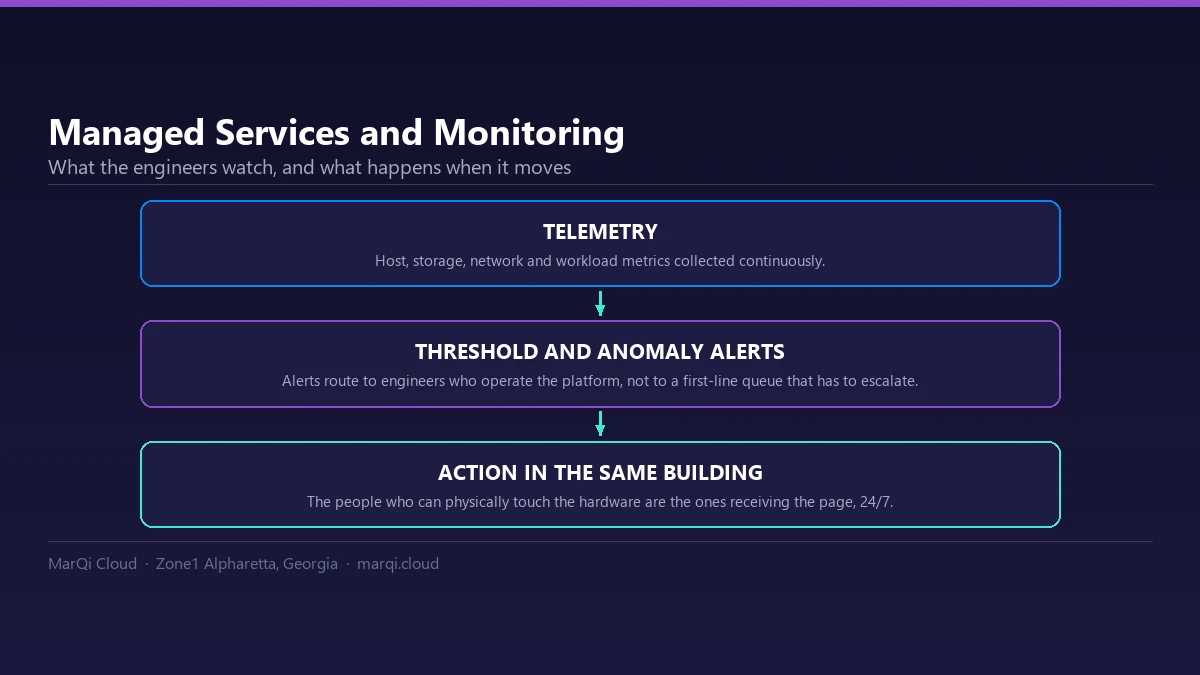
- Monitor Performance: Continuously monitor performance metrics and adjust your strategies based on data-driven insights.
Common Challenges and How to Overcome Them
While developing and implementing a cloud infrastructure roadmap, organizations may encounter several challenges:
1. Resistance to Change
Change can be met with resistance from employees. To overcome this, communicate the benefits of cloud adoption clearly and involve team members in the planning process.
2. Budget Constraints
Budget limitations may hinder cloud initiatives. Conduct a thorough cost-benefit analysis to justify investments and explore flexible pricing models offered by providers like MarQi Cloud.
3. Security and Compliance Concerns
Data security and compliance are critical considerations. Implement robust security measures and governance frameworks to mitigate risks.
4. Skill Gaps
Organizations may face skill gaps in cloud technologies. Invest in training programs and consider partnering with managed service providers for expertise.
Case Studies and Examples
Examining real-world case studies can provide valuable insights into successful cloud infrastructure implementations:
Case Study 1: Healthcare Provider
A leading healthcare provider adopted a hybrid cloud infrastructure to enhance patient data management while ensuring compliance with HIPAA regulations. By leveraging MarQi Cloud’s secure enterprise hosting solutions, they achieved improved data accessibility and reduced operational costs.
Case Study 2: FinTech Startup
A FinTech startup implemented a multi-cloud strategy to optimize their application performance and enhance security. By utilizing private circuits and peering options, they ensured reliable connections while minimizing latency.
Frequently Asked Questions
What is a cloud infrastructure roadmap?
A cloud infrastructure roadmap is a strategic plan that outlines the steps and resources needed to implement cloud technologies within an organization.
Why is a multi-year roadmap important?
A multi-year roadmap helps organizations align their cloud initiatives with long-term business goals, manage resources effectively, and track progress.
What are the key components of a cloud infrastructure roadmap?
The key components include vision and objectives, current state assessment, future state design, implementation plan, governance frameworks, and performance metrics.
How can I assess my current cloud readiness?
Conduct a comprehensive assessment of your existing IT infrastructure, applications, and workloads to identify strengths and areas for improvement.
What are common challenges in implementing a cloud roadmap?
Common challenges include resistance to change, budget constraints, security concerns, and skill gaps within the organization.
How can I ensure security in my cloud infrastructure?
Implement robust security measures, establish governance frameworks, and regularly monitor compliance with industry regulations.
What role does training play in cloud adoption?
Training equips employees with the necessary skills to manage cloud technologies effectively, minimizing skill gaps and enhancing overall performance.
How do I measure the success of my cloud initiatives?
Define performance metrics related to cost savings, service uptime, response times, and user satisfaction to track the effectiveness of your cloud strategies.