
How Private Circuits Provide Dedicated Bandwidth for Data-Intensive Cloud Workloads
September 1, 2026
The Complete Guide to Software-Defined Networking in Enterprise Cloud Environments
September 1, 2026
Why Cloud Network Architecture Is as Crucial as Compute and Storage Decisions
In today’s fast-paced digital landscape, organizations are increasingly relying on cloud solutions to enhance their operational efficiency and scalability. While compute and storage decisions often take center stage in discussions about cloud infrastructure, it’s crucial to recognize that cloud network architecture plays an equally significant role. In this article, we will explore why cloud network architecture is as important as compute and storage decisions, and how a well-designed network can help businesses achieve their goals.
The Importance of Cloud Network Architecture
Cloud network architecture refers to the design and structure of the network components that facilitate data communication and services in a cloud environment. As organizations move towards hybrid and multi-cloud strategies, the architecture of the network becomes paramount for several reasons:
- Performance: A well-architected network ensures optimal performance by reducing latency and maximizing throughput. This is particularly vital for applications that require real-time data processing.
- Security: The network architecture must incorporate robust security measures to protect sensitive data and maintain compliance with regulations. This is especially critical for industries such as healthcare and finance.
- Scalability: As businesses grow, their network needs evolve. A flexible cloud network architecture can adapt to changing demands without significant overhauls.
- Cost Efficiency: Optimized network architecture can lead to reduced operational costs by minimizing data transfer fees and improving resource utilization.
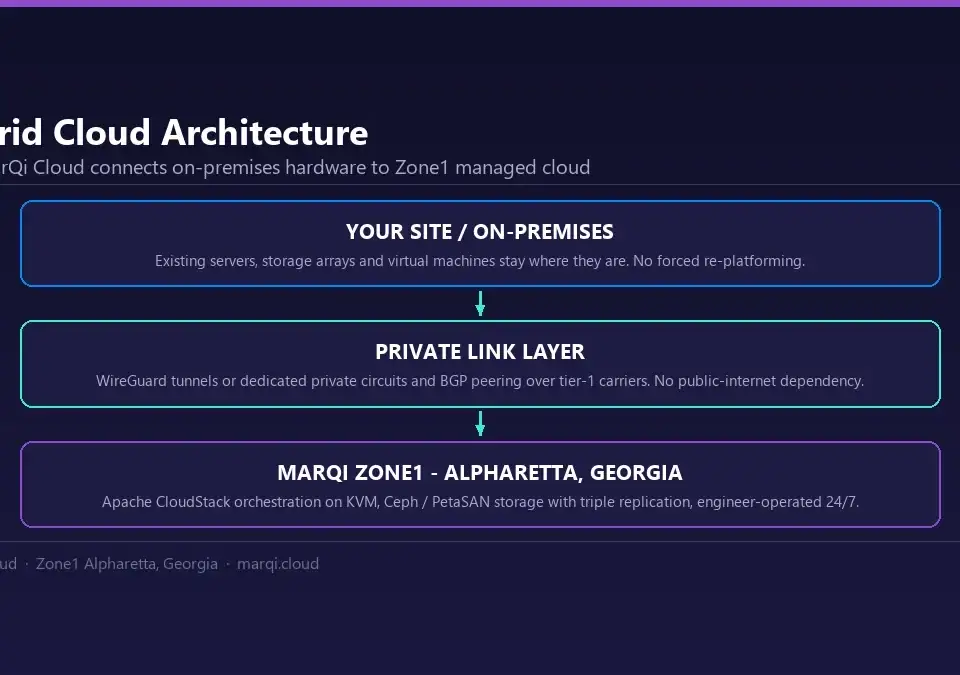
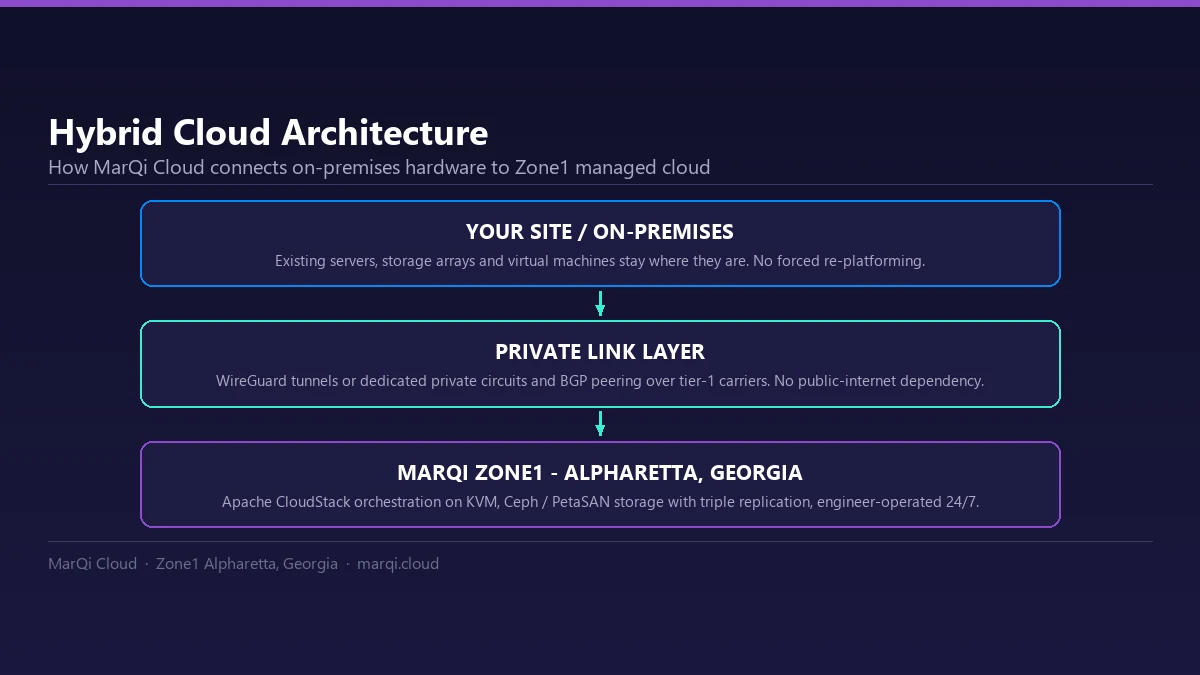
At MarQi Cloud, our enterprise-grade cloud infrastructure is designed with these principles in mind. Our hybrid cloud deployment models ensure that your network architecture is tailored to your specific business needs, allowing you to scale effortlessly while maintaining performance and security.
Key Components of Cloud Network Architecture
Understanding the key components of cloud network architecture is essential for making informed decisions. Here are the primary elements:
- Network Topology: This defines how different nodes in the network are arranged and how data flows between them. Common topologies include star, mesh, and hybrid.
- Data Transfer Protocols: Protocols like TCP/IP, HTTP/HTTPS, and FTP govern how data is transmitted over the network. Choosing the right protocols can enhance performance and security.
- Load Balancers: These distribute incoming traffic across multiple servers to ensure no single server is overwhelmed, improving response times and reliability.
- Firewalls and Security Appliances: Essential for protecting the network from unauthorized access and cyber threats, these devices monitor and control incoming and outgoing network traffic.
- Content Delivery Networks (CDNs): CDNs cache content at various locations to provide faster access to users, reducing latency and improving user experience.
Benefits of Optimized Cloud Network Architecture
Investing in a well-structured cloud network architecture offers numerous benefits:
| Benefit | Description |
|---|---|
| Improved Performance | Enhanced speed and responsiveness of applications through reduced latency. |
| Enhanced Security | Robust security measures to protect data and comply with regulations. |
| Cost Savings | Reduced data transfer fees and improved resource utilization lead to lower operational costs. |
| Scalability | Flexible architecture that adapts to changing business needs without major disruptions. |
| Increased Reliability | Redundant paths and load balancing ensure high availability of services. |
These benefits highlight the importance of cloud network architecture in supporting business operations. For organizations looking to transition to cloud solutions, understanding these benefits can facilitate better decision-making and planning.
Comparing Cloud Network Architecture Options
When evaluating cloud network architecture options, organizations must consider various factors to find the best fit for their needs. Here’s a comparison of several common architecture types:
| Architecture Type | Pros | Cons |
|---|---|---|
| Public Cloud | Cost-effective, scalable, and easy to manage. | Less control over security and compliance. |
| Private Cloud | Enhanced security and control over resources. | Higher costs and lower scalability compared to public cloud. |
| Hybrid Cloud | Best of both worlds, flexibility, and scalability. | Complex management and integration challenges. |
| Multi-Cloud | Prevents vendor lock-in, allows best-of-breed solutions. | Increased complexity and potential data transfer costs. |
By understanding the strengths and weaknesses of each architecture type, organizations can make informed decisions that align with their cloud strategy. For instance, businesses that require strict compliance may benefit from a private cloud, while those focused on growth may prefer a hybrid approach.
Best Practices for Cloud Network Architecture
To maximize the benefits of cloud network architecture, organizations should adhere to best practices:
- Regularly Assess Network Performance: Use monitoring tools to track performance metrics and identify bottlenecks.
- Implement Security Protocols: Ensure firewalls, intrusion detection systems, and encryption protocols are in place.
- Optimize Data Transfer: Use CDNs and caching strategies to reduce latency and improve load times.
- Plan for Scalability: Design the network to accommodate growth, including additional resources and redundancy.
- Stay Compliant: Regularly review compliance requirements and ensure architecture meets necessary standards.
By following these best practices, organizations can create a resilient cloud network architecture that supports their operational needs while minimizing risks. Multi-cloud is the case that adds the most networking work; connecting multiple providers into a single network covers the interconnection options.
FAQ
1. What is cloud network architecture?
Cloud network architecture refers to the design and structure of network components that facilitate data communication and services in a cloud environment.
2. Why is cloud network architecture important?
It is crucial for ensuring performance, security, scalability, and cost efficiency in cloud services.
3. What are the key components of cloud network architecture?
Key components include network topology, data transfer protocols, load balancers, firewalls, and CDNs.
4. How does cloud network architecture impact performance?
A well-designed architecture reduces latency and maximizes throughput, improving application performance.
5. What are the benefits of optimized cloud network architecture?
Benefits include improved performance, enhanced security, cost savings, scalability, and increased reliability.
6. What are the different types of cloud network architectures?
Common types include public cloud, private cloud, hybrid cloud, and multi-cloud architectures.
7. How can organizations ensure their cloud network architecture is secure?
Implementing robust security protocols, regular assessments, and compliance checks can enhance security.
8. What best practices should organizations follow for cloud network architecture?
Regular performance assessments, security implementations, data transfer optimizations, scalability planning, and compliance reviews are essential best practices.