How Cloud Peering Reduces Data Transfer Latency for Critical Systems
September 1, 2026
How Private Circuits Provide Dedicated Bandwidth for Data-Intensive Cloud Workloads
September 1, 2026
The Ultimate Guide to Multi-Cloud Networking and Interconnection Strategy
Multi-cloud networking is the practice of connecting workloads that run on two or more cloud providers so they can exchange traffic with consistent routing, addressing and security policy, instead of operating each cloud as an isolated network. As an IT architect, understanding the intricacies of multi-cloud networking and interconnection is crucial for designing robust infrastructure that meets business needs. This comprehensive guide will explore the essential components of multi-cloud networking, effective strategies for interconnection, and best practices for leveraging cloud solutions to optimize performance and security.
1. Understanding Multi-Cloud Networking
Multi-cloud networking refers to the practice of using multiple cloud services from different providers to meet an organization’s needs. This approach allows businesses to avoid vendor lock-in, optimize costs, and leverage the strengths of various cloud platforms. In a multi-cloud environment, IT architects must design a network that seamlessly integrates these diverse services while ensuring security, compliance, and performance.
2. Benefits of Multi-Cloud Strategies
Utilizing a multi-cloud strategy offers numerous advantages, including:
- Flexibility: Organizations can choose the best services from different providers that align with their specific requirements.
- Cost Optimization: By selecting the most cost-effective solutions, businesses can reduce operational expenses.
- Risk Mitigation: Distributing workloads across multiple providers minimizes the impact of potential outages or service disruptions.
- Enhanced Performance: Leveraging the strengths of various cloud services can lead to improved application performance and user experience.
3. Key Components of Multi-Cloud Networking
To effectively implement a multi-cloud networking strategy, IT architects must consider the following components:
- Network Architecture: A well-designed network architecture is essential for optimizing performance and ensuring secure communication between cloud environments.
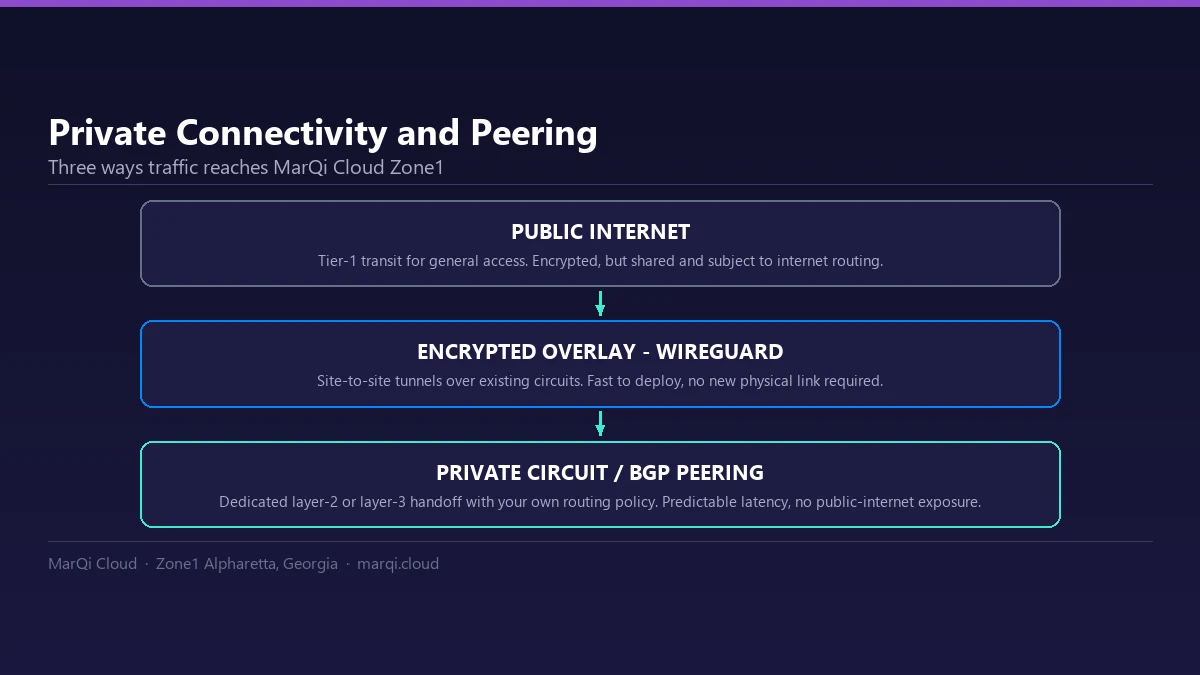
- Interconnection Options: Organizations should evaluate various interconnection methods, such as dedicated connections, VPNs, and cloud peering, to enhance connectivity between cloud services.
- Security Measures: Implementing robust security measures, such as encryption, firewalls, and access controls, is crucial for protecting sensitive data across multiple cloud environments.
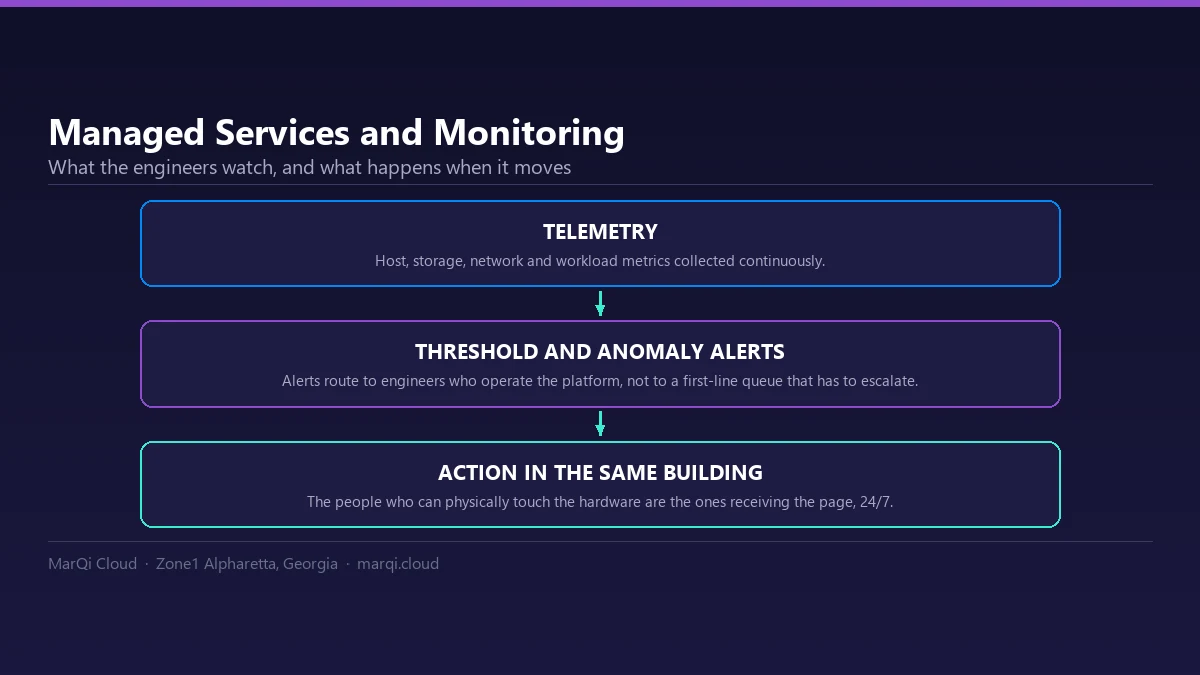
- Monitoring and Management Tools: Utilizing advanced monitoring and management tools can help ensure optimal performance and compliance across the multi-cloud environment.
4. Interconnection Strategies for Multi-Cloud Environments
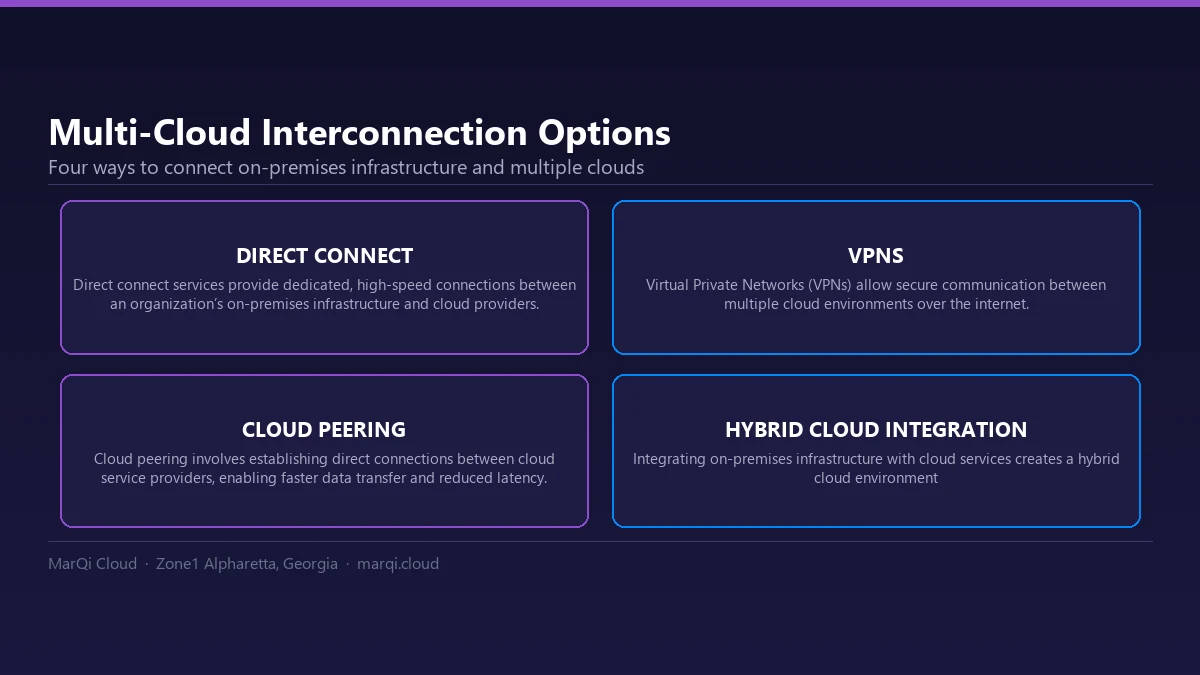
Interconnection is a vital aspect of multi-cloud networking, enabling seamless communication between different cloud services. Here are some effective interconnection strategies:
4.1 Direct Connect
Direct connect services provide dedicated, high-speed connections between an organization’s on-premises infrastructure and cloud providers. This approach reduces latency and enhances security by bypassing the public internet.
4.2 VPNs
Virtual Private Networks (VPNs) allow secure communication between multiple cloud environments over the internet. While VPNs are more cost-effective than direct connections, they may introduce latency issues depending on network conditions.
4.3 Cloud Peering
Cloud peering involves establishing direct connections between cloud service providers, enabling faster data transfer and reduced latency. This approach can significantly enhance performance for applications requiring real-time data access.
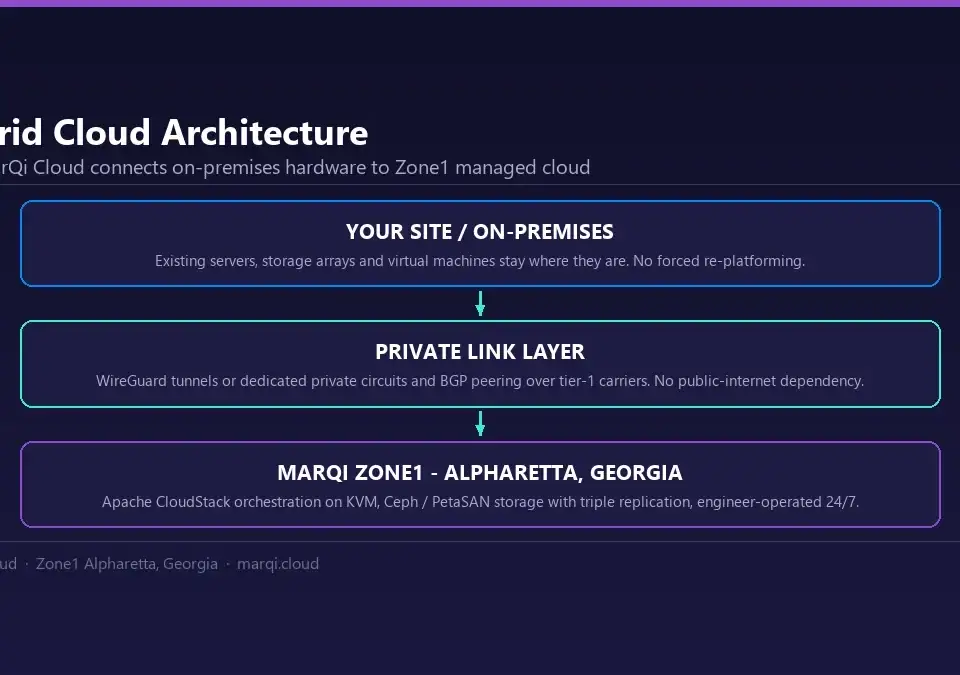
4.4 Hybrid Cloud Integration
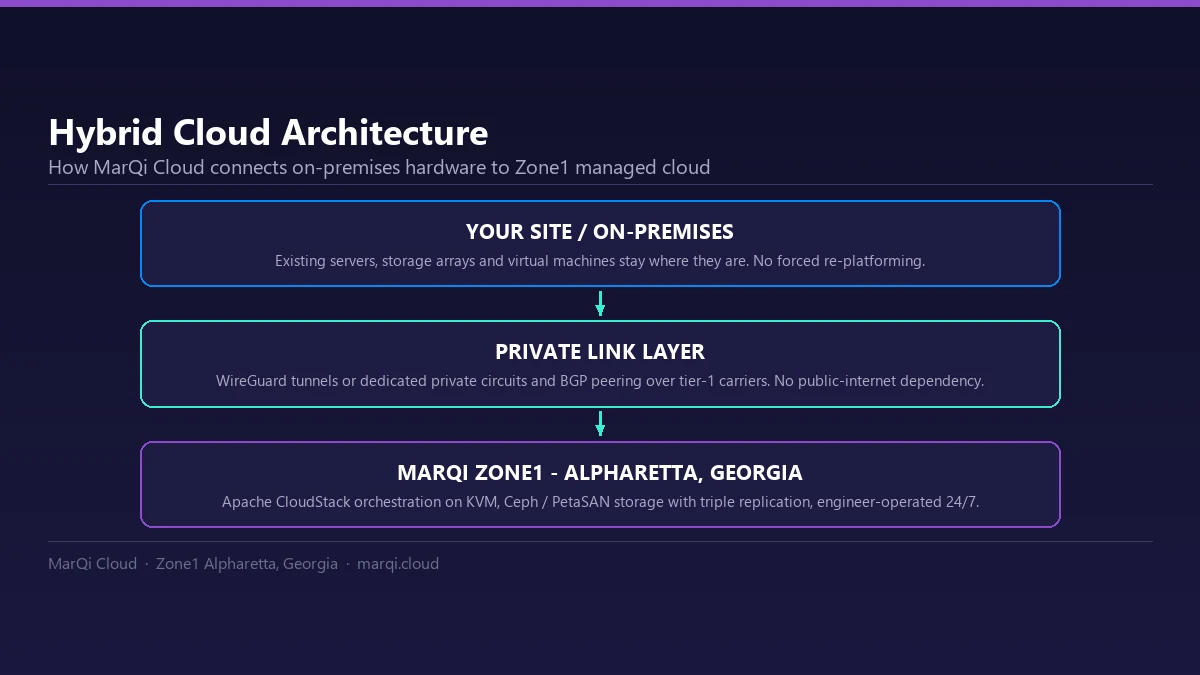
Integrating on-premises infrastructure with cloud services creates a hybrid cloud environment that allows organizations to leverage the benefits of both. This strategy is particularly useful for businesses with legacy systems that require secure connections to cloud resources.
5. Best Practices for Multi-Cloud Networking
To maximize the effectiveness of multi-cloud networking, consider the following best practices:
- Conduct a Thorough Assessment: Evaluate your organization’s existing infrastructure, applications, and workloads to identify the best-fit cloud services.
- Implement a Unified Management Strategy: Utilize centralized management tools to monitor and manage resources across multiple cloud environments.
- Prioritize Security: Implement security best practices, including encryption, identity management, and compliance monitoring, to protect sensitive data.
- Regularly Review and Optimize: Continuously assess your multi-cloud strategy to identify areas for improvement and optimization.
6. Example Scenarios: Multi-Cloud Implementations
The scenarios below are illustrative examples of how organizations typically apply these practices; they do not describe specific MarQi Cloud customers or measured results.
6.1 Example Scenario: Financial Services Company
A leading financial services company adopted a multi-cloud strategy to enhance its disaster recovery capabilities. By integrating services from multiple cloud providers, the organization achieved a reduction in recovery time objectives (RTO) and improved compliance with industry regulations.
6.2 Example Scenario: E-Commerce Platform
An e-commerce platform leveraged a multi-cloud approach to handle peak traffic during sales events. By utilizing multiple cloud services, the company achieved zero downtime and improved page load times, resulting in an increase in sales during peak periods.
7. Conclusion
Multi-cloud networking offers organizations the flexibility and resilience needed to thrive in today’s competitive landscape. By understanding the key components of multi-cloud networking and implementing effective interconnection strategies, IT architects can design robust infrastructure that meets the demands of modern businesses. As you embark on your multi-cloud journey, consider partnering with a trusted enterprise cloud provider like MarQi Cloud to ensure you have the right infrastructure and support for your multi-cloud networking needs.
8. FAQ
What is multi-cloud networking?
Multi-cloud networking refers to the use of multiple cloud services from different providers to create a cohesive network architecture that enhances flexibility and performance.
What are the benefits of a multi-cloud strategy?
Benefits of a multi-cloud strategy include flexibility, cost optimization, risk mitigation, and enhanced performance.
How do I connect multiple cloud environments?
You can connect multiple cloud environments using direct connections, VPNs, cloud peering, or hybrid cloud integration.
What security measures should I implement for multi-cloud networking?
Implement security measures such as encryption, firewalls, and access controls to protect sensitive data across multiple cloud environments.
How can I monitor my multi-cloud environment?
Utilize advanced monitoring and management tools to track performance, compliance, and security across your multi-cloud environment.
What are common challenges in multi-cloud networking?
Common challenges include managing complexity, ensuring security, and maintaining compliance across different cloud providers.
How can I optimize costs in a multi-cloud environment?
Regularly assess your multi-cloud strategy, choose cost-effective services, and optimize resource allocation to manage costs effectively.
What is the role of an IT architect in multi-cloud networking?
An IT architect is responsible for designing and implementing a multi-cloud networking strategy that meets an organization’s specific needs while ensuring performance and security.